
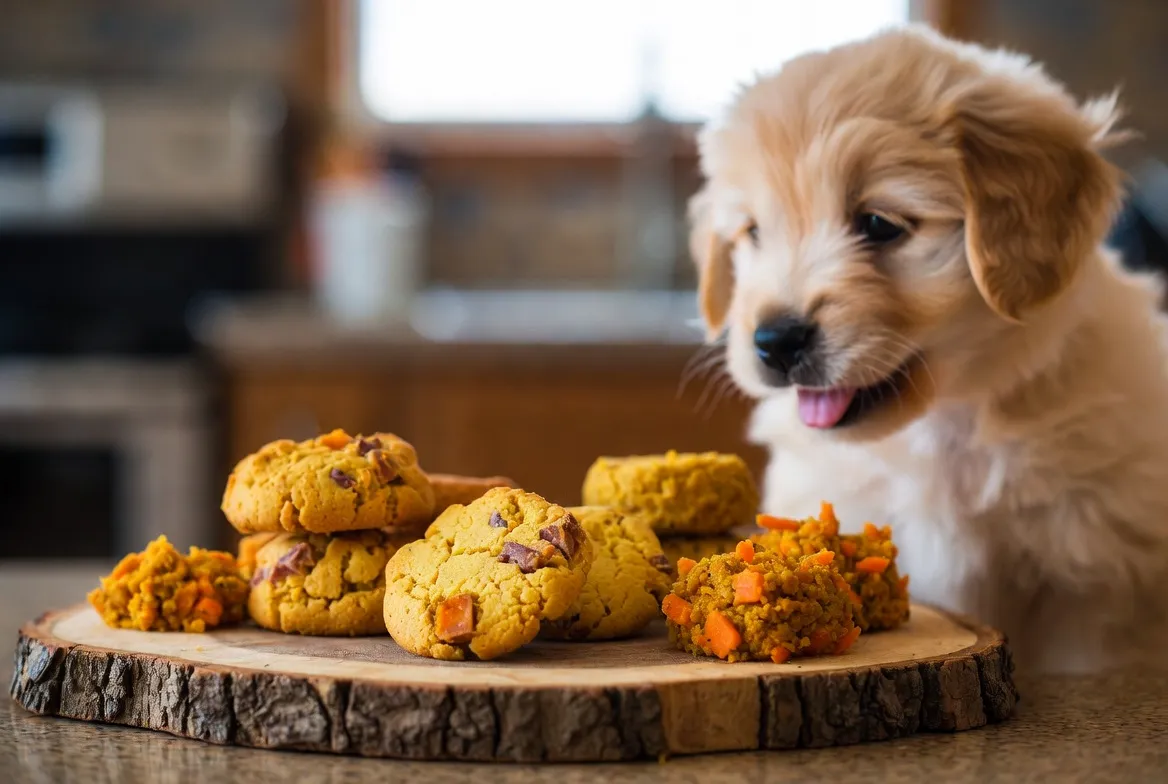
6 Grain-Free Dog Treat Recipes for Sensitive Tummies You’ll Love
Seeing your dog in pain is very sad. You want them to be happy and full of energy. Choosing the right nutrition shows you care and helps them stay healthy.

Making snacks at home means you control what they eat. These 6 Grain-Free Dog Treat Recipes for Sensitive Tummies are a great fix. They make your pet feel better and taste good. Using natural ingredients really helps your pet’s health and happiness.
Understanding Sensitive Stomachs in Dogs
Does your furry friend often struggle with digestive issues after eating? Recognizing the signs of a sensitive stomach is key. It helps keep your pet happy and active. A delicate digestive system means even small changes can cause discomfort.
You might notice your dog becoming lethargic or showing signs of abdominal pain after meals. These signs are your dog’s way of telling you something’s wrong. Watching these patterns helps you choose better dog treats.
Digestive triggers can be tracked at home. If you think your pet has a sensitive stomach, look for these signs:
- Frequent changes in stool consistency or frequency.
- Visible signs of bloating or gas after eating.
- Occasional vomiting or persistent nausea.
- A sudden lack of interest in regular food or high-value dog treats.
- General lethargy or a decrease in daily energy levels.
Spotting these symptoms early helps you manage your pet’s health. Choosing high-quality, limited-ingredient options avoids common allergens. Proactive management ensures your dog enjoys snacks without side effects.
Essential Ingredients for Grain-Free Baking
Turning your kitchen into a dog-friendly bakery starts with knowing your ingredients. When you make grain-free recipes, you avoid wheat and corn. These can make dogs sick. Instead, you use foods that are good for their health.
Coconut flour and chickpea flour are key for tasty treats. Coconut flour helps with digestion because it’s easy to digest. Chickpea flour makes treats filling and gives them protein.

These ingredients do more than just hold treats together. They help your dog get essential vitamins and minerals. This is important for a healthy belly.
Learning about these basics lets you try new things. Knowing how flours work, you can make many grain-free recipes your dog will love. Consistency and quality in your ingredients mean safe, tasty, and healthy treats for your pet.
6 Grain-Free Dog Treat Recipes for Sensitive Tummies
These 6 Grain-Free Dog Treat Recipes for Sensitive Tummies are great for your pet. They are safe and tasty. You pick the ingredients to avoid fillers that upset stomachs.
These easy dog treat recipes use simple, quality ingredients. They keep your dog happy and healthy.
Pumpkin and Peanut Butter Bites
Pumpkin helps with digestion, making these bites great for sensitive dogs. Mix pureed pumpkin with peanut butter and egg for a soft, healthy dough.
- 1 cup pureed pumpkin
- 1/2 cup natural peanut butter
- 1 large egg
Sweet Potato and Turkey Jerky
This snack is lean and good for dogs with grain issues. Slice sweet potatoes thin and layer with lean turkey. Bake at a low temperature until dry.
Banana and Coconut Flour Biscuits
Coconut flour is gentle on the gut. These biscuits are easy to make. They need just a few ingredients and little prep time.
Blueberry and Flaxseed Crunchies
Blueberries add antioxidants, and flaxseed provides omega-3s. These crunchy snacks are great for dogs who like texture without wheat.
Carrot and Apple Soft Chews
These chews are soft and easy to digest. Grate carrots and apples finely. Add coconut oil for a healthy shine.
Salmon and Spinach Training Treats
These treats are perfect for training. Salmon and spinach make them tasty and healthy. They won’t upset your dog’s stomach.
Safety Tips for Homemade Dog Treats
Making homemade dog treats is a great way to show your pet love. But safety is key. By choosing the ingredients, you make sure your dog gets the best. Yet, you must watch what goes into your bowl.
Never use toxic additives. Xylitol, a sugar substitute, is very dangerous for dogs. Even a little can be deadly. Always check labels to keep your dog treats safe.

Keeping things clean is also crucial. Wash your hands, tools, and surfaces well before and after. This stops harmful germs from getting into your pet’s food.
Also, keep your area tidy to avoid spills or your dog eating things they shouldn’t. By following these safety tips, you make sure your treats are healthy and safe. Your hard work will pay off with yummy, safe snacks your dog will love.
Storing Your DIY Grain-Free Treats
After baking your pet-friendly treats, it’s time to store them right. Since they don’t have preservatives, they need extra care. Proper storage keeps your treats fresh and safe for your dog.

For a short time, keep your homemade dog treats in the fridge for a week. Use an airtight container to avoid moisture. If you see moisture, just wipe it off.
For longer storage, the freezer is best. You can freeze your diy dog treats for three months. Just thaw a few when you want to give your dog a treat.
- Use airtight containers to keep treats fresh and dry.
- Label your bags with the date to know how long they’ve been stored.
- Separate soft chews from crunchy biscuits to keep their texture.
- Check for spoilage often, more so with treats that have fresh fruits or veggies.
By following these steps, your homemade dog treats stay healthy and tasty. Storing your pet-friendly treats right saves your time and effort. Your dog will thank you for the quality in every diy dog treats session.
How to Transition Your Dog to New Treats
Your dog’s stomach needs time to get used to new foods. Even with easy dog treat recipes, sudden changes can upset their stomach. It’s best to introduce new snacks slowly to keep them happy and healthy.
Begin with a tiny bit of the treat. If they do well, you can slowly add more over a few days. This careful approach lets you see how they react to the ingredients in your diy dog treats.

Watch your dog closely during this time. Look for signs like loose stools, vomiting, or itching. These could mean they don’t like something in the treats. Spotting these signs early helps you make better easy dog treat recipes for your pet.
Being consistent is important when making diy dog treats at home. Taking it slow helps you find the best ingredients for your dog. Your patience will reward you with a happy, healthy dog who loves their new snacks.
Common Ingredients to Avoid for Sensitive Dogs
Finding the right snacks for your dog with a sensitive stomach can be hard. Many treats have hidden ingredients that upset your dog’s digestion. Knowing which ingredients to avoid helps keep your pet healthy.
Fillers and chemicals can make dogs feel sick. Artificial preservatives like BHA and BHT can be tough on their systems. Also, fillers like corn, soy, and wheat gluten don’t offer much nutrition and can cause allergies.

When buying snacks, always read the labels carefully. If you see lots of hard-to-pronounce chemicals, it’s best to choose another option. Opting for treats with simple, whole-food ingredients is the safest choice for dogs with sensitive stomachs.
Here are some common ingredients to watch out for:
- Artificial colors and dyes that don’t help your dog’s health.
- Excessive salt or sugar that can mess with digestion.
- By-products of unknown quality that may not be good for your dog.
- Propylene glycol, a humectant that can be harmful in big amounts.
Your goal is to give treats that help, not harm. Avoiding these ingredients ensures your dog enjoys treats without upsetting their sensitive stomach. Being informed helps keep your furry friend happy and healthy for a long time.
Customizing Recipes for Your Dog’s Specific Allergies
Every dog is different, so your treats should be too. Grain-free recipes are a good start, but you might need to make changes. Listening to your dog’s body helps keep them healthy and happy.
If your vet says your dog has a protein allergy, you can change ingredients. For instance, if turkey doesn’t work, try salmon or lean beef. This keeps the snack’s texture right while making it safe for your pet.
Vegetables are also flexible in homemade snacks. If your dog can’t digest some plants, use vet-approved ones like steamed zucchini or green beans. These tweaks help make personalized menus for your dog’s health needs.
Keep a record of how your dog reacts to new foods. This helps you improve your grain-free recipes and avoid problems. Customization is the ultimate way to care for your furry friend.
Conclusion
Controlling your dog’s diet starts with the snacks you give them. By baking your own treats, you know exactly what they eat.
This simple step helps keep your dog’s stomach happy for a long time. You can pick safe, good ingredients that don’t cause allergies. This way, you keep your dog’s diet balanced and make them happy.
Switching to homemade treats strengthens your bond with your pet. Making these treats is a great way to show you care. Your dog will do better with fresh, healthy ingredients instead of processed stuff.
Begin baking today to see how it improves your dog’s energy and comfort. Share your best recipes with other pet owners. Your effort to feed them well makes a big difference in their life every day.


