
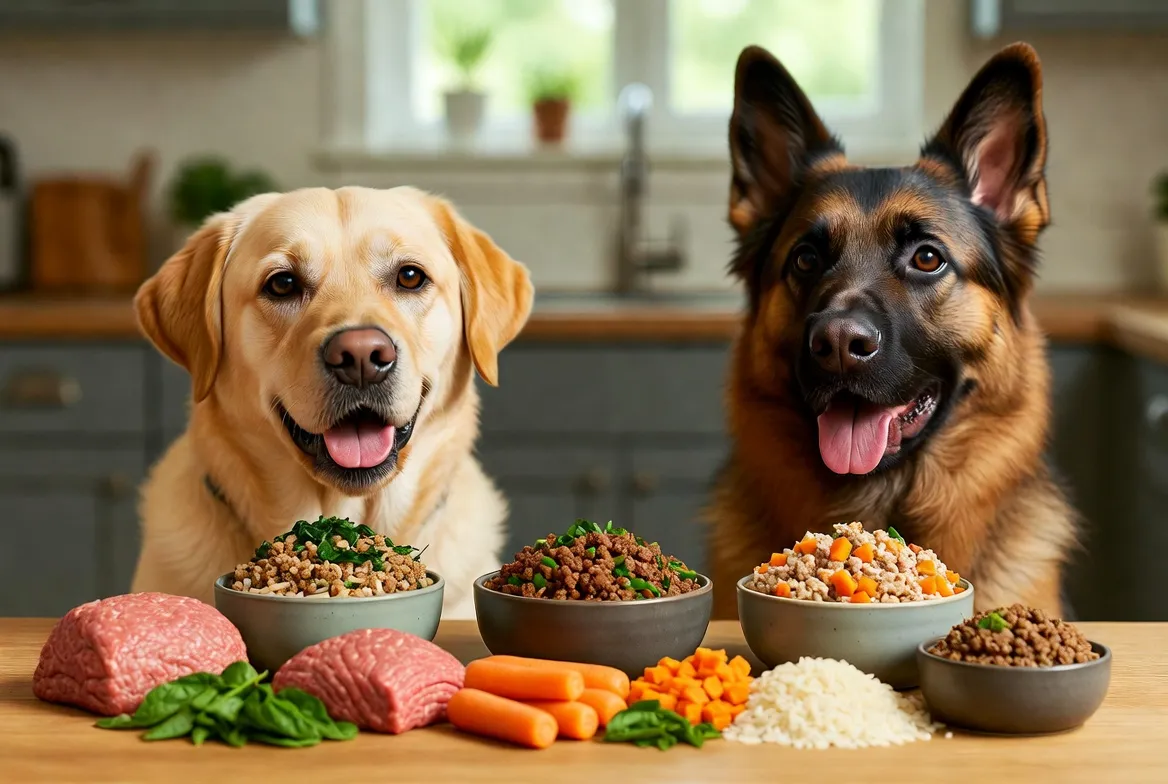
Top 6 Vet-Approved Homemade Dog Food Recipes You’ll Love
You look into those soulful eyes and see more than just a pet; you see a cherished family member. Every wag of their tail reminds you why you want the very best for their health and happiness. Many owners are now making meals at home to ensure their pets are happy and healthy.
Choosing to make homemade dog food recipes is a beautiful way to show your love. By picking fresh, wholesome ingredients, you give your furry friend the nutrients they need. This helps them stay full of energy all day long.

This trend lets you control what goes into your pet’s bowl. We’ve gathered the Top 6 Vet-Approved Homemade Dog Food Recipes to help you start. You’ll see how simple, natural ingredients can greatly improve your dog’s daily life and health.
The Importance of Canine Nutrition and Homemade Meals
You want the best for your dog, and that starts with their food. Learning about canine nutrition is key to a healthy dog diet. Preparing meals at home means your dog gets the right nutrients for a lively life.
Good dog nutrition means the right mix of proteins, fats, and carbs. These help your dog stay healthy and avoid sickness. Making meals at home lets you use fresh, whole foods instead of processed ones.
Using top-quality ingredients has many benefits for your pet:
- Better weight management with the right portions.
- More energy from nutrient-dense foods.
- Healthier digestion without fillers.
- A shinier coat and healthier skin from natural fats.
A healthy dog diet is an investment in your pet’s future. Paying attention to canine nutrition keeps your dog at the right weight and full of energy. Learning these basics helps your dog live a long, happy, and active life.
Essential Guidelines for Preparing Vet-Approved Dog Food
Making a balanced diet for your dog is rewarding but serious. Before cooking, you must know the safety standards for vet-approved dog food. These rules help ensure your pet stays healthy and full of energy.
Talking to your vet is your first step. They can tell if homemade food is right for your dog. Professional advice is key to a safe diet.

When making natural dog food at home, details matter a lot. Small mistakes can cause big nutritional problems. To keep your dog healthy, follow these tips:
- Consult your vet to create a custom meal plan for your dog.
- Measure ingredients precisely with a digital kitchen scale for consistent portions.
- Incorporate essential vitamins and minerals missing from basic foods.
- Keep detailed records of what your dog eats to track their health.
By following these steps, you can serve vet-approved dog food that meets all nutritional needs. This effort will make your dog happy and healthy for a long time. Your hard work in nutrition will show in their happiness and health.
Switching to natural dog food is a journey that needs patience and consistency. Always watch how your pet reacts to new foods. With the right preparation, you can give your dog a healthy, tasty, and safe diet.
Top 6 Vet-Approved Homemade Dog Food Recipes
Start with these simple, vet-approved dog food recipes for top nutrition. Making meals at home lets you control what your pet eats every day.
These homemade dog food recipes are both nutritious and easy to keep. Switching them up gives your dog a wide range of vitamins and minerals.

Turkey and Quinoa Power Bowl
This recipe mixes lean ground turkey with protein-rich quinoa. It’s great for dogs needing a highly digestible meal that keeps them full.
Beef and Sweet Potato Stew
Beef gives dogs the iron they need, and sweet potatoes add fiber. This diy dog food is perfect for active dogs needing energy all day.
Chicken and Brown Rice Delight
This meal is easy on the stomach and simple to make. Brown rice gives dogs the complex carbs for optimal digestive health.
Salmon and Spinach Nutrient Feast
Salmon is full of omega-3 fatty acids for a shiny coat and healthy skin. Spinach adds vital antioxidants to this vet-approved dog food.
Lean Ground Pork and Vegetable Medley
Pork is a great protein choice for dogs with sensitivities. Adding fresh carrots and green beans makes this a balanced homemade dog food recipe.
Lentil and Carrot Vegetarian Protein Mix
A plant-based meal can be great for your dog’s health. Lentils are a robust source of plant protein, making this a hearty option for your pet.
Balancing Macronutrients for Your Dog
Your dog’s health depends on the right mix of proteins, fats, and carbs. A healthy dog diet keeps muscles strong and energy up. Making meals at home lets you control the quality and amount of these nutrients.
For canine nutrition, you need to match the right ratios to your dog’s needs. A puppy needs more calories than a senior dog. You must know how active your dog is to give them the right amount of food.

For a healthy dog diet, start with high-quality proteins. Fats give energy, and carbs offer fiber and glucose. It’s not just about numbers; it’s about making your dog feel great.
Good dog nutrition means making changes as your dog grows or changes. If your dog is less active, you might need to adjust the fat content. This keeps their meals right for their health.
Learning about dog nutrition brings you closer to your pet. A balanced diet is an investment in their health and happiness. Watch how your dog reacts to their food and talk to your vet to get it just right.
Safe and Toxic Ingredients to Avoid
When making natural dog food, safety comes first. You must avoid hidden dangers in your home. Some kitchen items can be very harmful to dogs. Knowing what to avoid is key to keeping your pet safe.
Even a little bit of some human foods can be very bad for dogs. You need to be very careful when picking ingredients. Always check your list before cooking.
To keep your pet healthy, don’t include these in your natural dog food:
- Onions and Garlic: They can harm a dog’s red blood cells and cause anemia.
- Grapes and Raisins: A small amount can cause sudden kidney failure.
- Xylitol: This sweetener in sugar-free products can drop blood sugar levels dangerously.
- Chocolate and Caffeine: They are toxic to a dog’s heart and nervous system.
- Macadamia Nuts: They can make your pet weak, shaky, and too hot.
By avoiding these toxic items, you keep your dog safe from poisoning. Your care for their health greatly improves their life. Remember, a natural dog food diet is only as good as the ingredients you use.
Transitioning Your Dog to a Homemade Diet
Starting your dog on homemade meals needs a smooth transition. Don’t switch them to a new diet all at once. This can upset their stomach. Instead, take seven to ten days to make the change.
Begin by mixing a little bit of your diy dog food with their old kibble. Slowly add more of the new food and less of the old. This lets their body get used to the new food without upset.

Watch your dog closely for any signs of upset stomach or food sensitivities. Patience is key during this time. It helps keep your dog happy and healthy. A structured plan helps you see how they react to each new food.
Here’s a simple plan to follow:
- Days 1-3: 25% new food, 75% old kibble.
- Days 4-6: 50% new food, 50% old kibble.
- Days 7-9: 75% new food, 25% old kibble.
- Day 10: 100% diy dog food.
By following these steps, you make the transition safe and stress-free for your pet. Giving them high-quality homemade pet food is a rewarding journey. It starts with careful and thoughtful planning.
Supplementing Your Homemade Dog Food Recipes
Even the best homemade dog food recipes might not have all the nutrients. Fresh foods give great protein and fiber. But, they often lack the exact minerals needed for health.
Some nutrients are hard to get from whole foods. For example, keeping the right calcium-to-phosphorus ratio is key for bones. And, omega-3 fatty acids are lost when cooking, so they must be added.

Work with your vet to pick the right supplements. They know which nutrients your dog needs based on age, breed, and activity. This ensures your homemade pet food is safe and complete.
Here are key supplements to consider:
- Calcium Carbonate: Important for bones and balancing phosphorus.
- Omega-3 Fish Oil: Good for skin, coat, and joints.
- Vitamin E: Boosts immune function as an antioxidant.
- Trace Mineral Premixes: Fills in zinc, copper, and iodine gaps.
Adding these nutrients makes your pet’s diet truly balanced. Always follow your vet’s dosage to avoid too much. These steps will make your homemade dog food recipes even better for your pet.
Monitoring Your Dog’s Health and Weight
It’s smart to check your dog’s weight and health often. This helps keep your homemade diet good for your dog’s health at all ages.
Do regular body checks to see if your dog is the right weight. Feel their ribs and spine to check. Consistency is key when feeding them at home.
Watch your dog’s coat, energy, and stool too. These signs show how well they’re doing with new food. Keeping up with pet health means noticing these small changes.
If your dog’s weight changes suddenly, change their food right away. Keeping a log of their health helps you and the vet. This is a wonderful way to keep your dog healthy and happy for a long time.
Conclusion
Preparing homemade meals for your dog creates a special bond. It lets you control every ingredient for their health.
You can now make balanced, vet-approved meals for your dog. Use high-quality proteins and fresh veggies for their best health at any age.
Being consistent is key. Regular vet visits help track your dog’s health. These visits also give you peace of mind as you adjust their diet.
Your effort in cooking healthy meals makes a big difference. Keep trying new recipes and stay safe. Your dog will thank you with joy and energy for years.


