
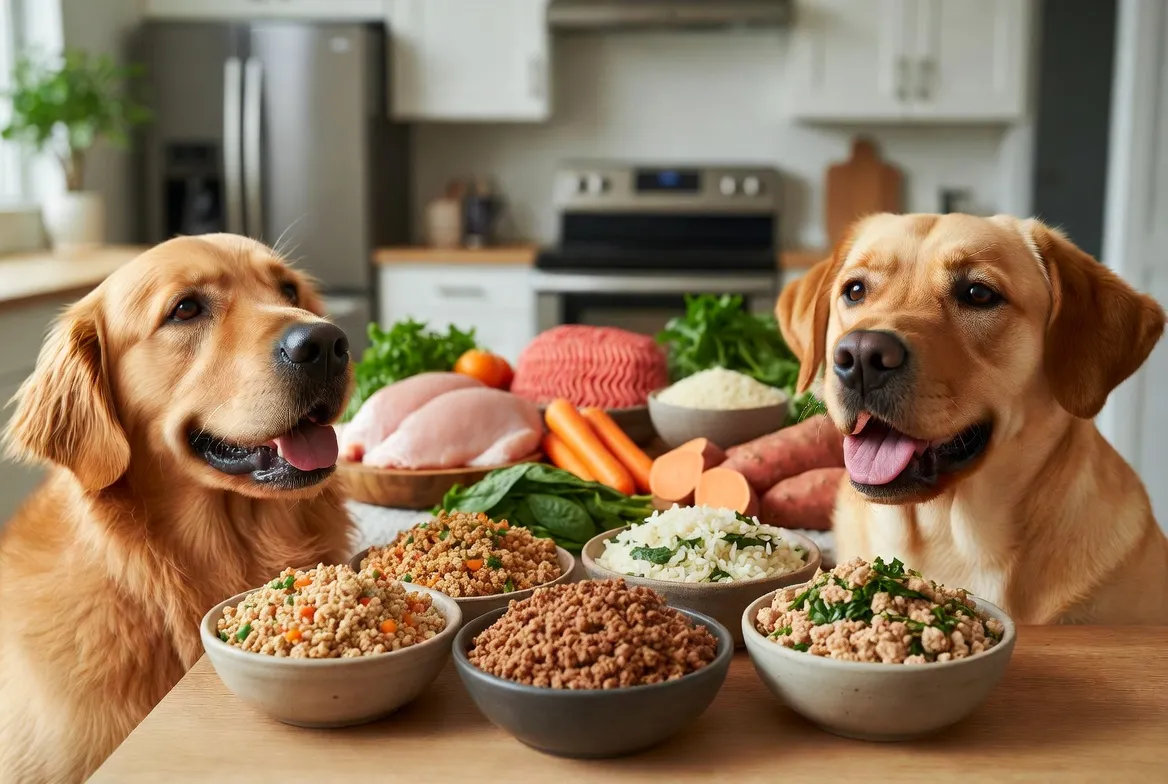
The Ultimate Guide to Homemade Dog Food Recipes (Vet Approved)
You look into those soulful eyes and see more than just a pet; you see a cherished family member. Providing optimal nutrition is one of the most profound ways you can show your love every single day. Many owners now seek healthier alternatives, making The ultimate guide to homemade dog food recipes (vet approved) an essential resource for your kitchen.

Transitioning away from commercial kibble requires careful planning to ensure your companion thrives. Relying on vet-approved dog food standards helps you avoid common nutritional gaps that often occur in home cooking. By prioritizing expert-backed principles, you gain peace of mind knowing every bowl supports your pup’s long-term health.
This resource simplifies the process of creating balanced, vet-approved recipes that meet specific canine needs. Consulting with your local clinic remains the gold standard for tailoring these meals to your dog’s unique lifestyle. Let us begin this journey toward better health together, ensuring your best friend enjoys every delicious, wholesome bite.
Understanding Canine Nutritional Requirements
Proper dog nutrition is more than just filling a bowl. It’s about fueling your companion’s vitality. Every meal should be based on what your pet needs to thrive. By learning what your pet needs, you ensure their long-term wellness and happiness.
The Role of Proteins, Fats, and Carbohydrates
Proteins are the building blocks of your dog’s body. They are key for muscle maintenance, tissue repair, and hormone production. Make sure your homemade recipes include high-quality protein sources to keep your dog strong and active.
Fats give your dog the energy they need for play and exploration. They are also crucial for a shiny coat and healthy skin. Carbohydrates provide fuel, keeping your dog energized all day.
Essential Vitamins and Minerals for Dogs
Vitamins and minerals are the spark plugs for your dog’s body. They support immune function and bone density. Without the right balance, even a protein-rich diet may not meet your dog’s needs.
Calcium and phosphorus are vital for skeletal health and important for active breeds. Antioxidants and essential fatty acids protect your dog from oxidative stress. Mastering these elements of dog nutrition helps you create balanced meals for your pet at every stage of life.
Essential Tools and Ingredients for Your Kitchen
Making healthy meals at home is more than just recipes. You need the right tools and ingredients. By controlling your dog’s diet, you make sure they eat well. Getting the right tools now saves time and effort when you cook.
Must-Have Kitchen Equipment
For consistent homemade pet food, precision is key. A good digital kitchen scale is vital for accurate ingredient weights. This ensures your dog gets the right amount of calories.
A durable food processor is also crucial. It helps chop veggies and blend proteins well. This makes your dog’s meals easier to eat.
Keeping your kitchen organized is important. Use airtight glass containers for frozen meals. Having clean spaces and tools makes cooking homemade dog treats or meals fun.
Sourcing High-Quality Proteins and Produce
The quality of your food depends on the ingredients. Choose human-grade proteins like lean chicken or turkey. This reduces the risk of harmful contaminants.
Opt for fresh, organic produce to avoid pesticides. Shopping locally or from reputable butchers is best. This way, you give your pet the best nutrition. Whether it’s a meal or homemade dog treats, use top-quality ingredients for a healthy homemade pet food routine.
The Ultimate Guide to Homemade Dog Food Recipes (Vet Approved)
If you’re looking for vet-approved recipes, these are great for your dog. Making healthy dog food recipes at home lets you pick what your pet eats. These meals have the right mix of proteins and carbs for your dog’s health.

Simple Chicken and Rice Formula
This recipe is good for dogs with sensitive stomachs. It has lean protein and easy-to-digest grains for energy.
- 2 cups cooked, shredded chicken breast
- 1.5 cups cooked white or brown rice
- 1/2 cup steamed carrots, chopped
- 1 tablespoon olive oil
- A pinch of calcium supplement as recommended by your vet
Beef and Sweet Potato Power Bowl
This beef-based meal is great for a hearty meal. Sweet potatoes add fiber and vitamins, making it a hit with active dogs.
- 2 cups lean ground beef, browned and drained
- 1 cup cooked, mashed sweet potato
- 1/2 cup cooked green beans
- 1 tablespoon flaxseed oil
- A balanced mineral supplement
Turkey and Quinoa Nutrient-Dense Meal
Quinoa is a protein-rich grain that’s good for your dog. This vet-approved dog food supports muscle health and energy.
- 2 cups cooked ground turkey
- 1 cup cooked quinoa
- 1/2 cup steamed spinach
- 1/4 cup blueberries for antioxidants
- A vet-recommended multivitamin powder
These homemade dog food recipes are a good start for your dog’s diet. Always check with your vet to make sure they meet your dog’s needs. By following this ultimate guide to homemade dog food recipes (vet-approved), you’re helping your dog stay healthy for a long time.
Step-by-Step Preparation Techniques
Getting your dog’s food right is key. You want to make sure they get all the nutrients from each ingredient. Cooking for your pet means keeping the nutritional integrity of the food intact. This way, you protect the vitamins and minerals that could be lost in high heat.
Proper Cooking Methods to Retain Nutrients
How you use heat affects how your dog absorbs nutrients. Methods like frying or heavy boiling can damage proteins and vitamins. Instead, use gentle cooking techniques to keep the quality of your ingredients.
- Steaming: Steaming is great for veggies and proteins. It keeps nutrients inside the food, not in the water.
- Light Poaching: Simmering in a little water or broth at low heat keeps meat tender. It’s easy for your dog to chew.
- Minimal Processing: Try to cook quickly. This helps prevent the loss of delicate enzymes.
Batch Cooking and Portioning Strategies
You don’t have to cook every night. Batch cooking lets you make a week’s worth of food in a few hours. It saves time and keeps meals healthy.
Keeping meals consistent is crucial for your dog’s health. Precise portioning is key. Use a kitchen scale to keep calories steady. This prevents weight changes and ensures your dog gets balanced nutrients every day.
- Use Airtight Containers: Store meals in glass or BPA-free plastic to keep them fresh.
- Label Everything: Mark containers with the prep date to track freshness.
- Standardize Portions: Use a measuring cup or scale for exact portions. This depends on your dog’s activity level.
- Organize Your Freezer: Keep frozen meals in a special section for easy access.
Balancing Macronutrients for Optimal Health
Good dog nutrition is more than fresh food. It’s about the right mix of energy and minerals. Getting the right balance of proteins, fats, and carbs is key for your pet’s health. The wrong mix can cause serious health problems.

Calculating Caloric Needs Based on Activity Level
Every dog needs different amounts of energy. This depends on their age, weight, and how active they are. To avoid obesity or malnutrition, figure out your dog’s energy needs first. Consistency is key when feeding to keep your pet healthy.
Very active dogs, like those who love to hike or do agility, need more calories. Check your dog’s weight every week and adjust their food as needed. Tracking caloric density helps give your dog just the right amount of food.
The Importance of Calcium and Phosphorus Ratios
The minerals in your dog’s food are crucial for strong bones. The right balance of calcium and phosphorus is essential for dog nutrition. If this balance is wrong, it can harm bone growth and structure.
Vets usually recommend a 1.2:1 ratio of calcium to phosphorus. Getting this right might need special supplements or bone meal. Always check with your vet to make sure your dog’s diet is complete and balanced.
Safe and Toxic Foods to Avoid
Before making homemade dog treats or meals, know which foods are bad for your pet. Your kitchen might have things that are harmful to your dog. Keeping your pet safe from these foods is very important.

Common Household Foods That Are Dangerous to Dogs
Many foods in your pantry can be dangerous for dogs. Avoid using onions, garlic, chives, and leeks because they can harm your dog’s blood. Grapes and raisins are also very dangerous and can cause kidney failure.
Xylitol, found in sugar-free gum and peanut butter, is also bad. It can lower blood sugar and harm the liver. Always check the ingredients to avoid hidden dangers.
Identifying Hidden Ingredients in Human Foods
When buying ingredients, you need to read labels carefully. Companies might add things safe for humans but not for dogs. Watch out for “natural flavors” or “spices,” which could hide garlic or onion.
If you’re not sure about an ingredient, it’s best to avoid it. Your goal is to feed your pet safely and healthily. Being careful ensures your homemade dog treats and meals are good for them.
Transitioning Your Dog to a Homemade Diet
Starting your pet on fresh, home-cooked meals is a big step. It’s important to do it slowly to avoid upset stomachs. This means your dog won’t get sick from the new food.
The Gradual Mixing Method
The best way to change your dog’s food is slowly. You should mix in the new food a little at a time. This helps your dog get used to the new tastes and smells.
Begin by adding 25% of the new food to their old diet. If they do well, you can add more. Keep adding until they only eat the homemade food. This slow change helps their body adjust.
Watching for Digestive Sensitivity
Keep an eye on your dog as you introduce new foods. Look for changes in their poop, gas, or if they don’t want to eat. These signs mean they might not like the change.
If your dog seems uncomfortable, slow down the change. Let them get used to the new food at their own pace. Remember, every dog is different. Some might need more time to adjust to their new diet.
Storing and Preserving Your Homemade Meals
Keeping your homemade pet food safe is easy. Just follow a few simple steps. This way, every meal stays as good as when it was made.
Safe Refrigeration and Freezing Guidelines
Use airtight containers to keep food fresh. Glass or BPA-free plastic is best for keeping ingredients good.
For meals you’ll use in three days, keep them in the fridge at 40°F or below. For longer, freezing is key to keep your homemade pet food fresh.
Freeze meals in single servings. This way, you can thaw only what you need. It saves food and keeps it fresh.
Thawing Procedures for Daily Feeding
Thaw meals slowly in the fridge the night before. This stops bacteria from growing too fast.
Don’t thaw in the microwave. It can ruin the food’s nutrients. If you’re in a hurry, thaw in cool water until it’s safe to eat.
Always check food for spoilage before feeding it to your dog. Storing food right keeps your kitchen tidy and your pet happy and healthy.
Monitoring Your Dog’s Health and Weight
Preparing healthy dog food recipes is just the start. You must also watch your dog’s health closely. Small changes in behavior or appearance often serve as the first indicators that your feeding plan requires a closer look.
Signs of Nutritional Deficiencies
Even with the best intentions, a diet can lack nutrients if not balanced right. Watch your dog daily for any changes that might show a nutrient lack. Early detection is key to avoiding long-term health problems.
Look out for these signs that your dog’s diet might need a change:
- A dull or brittle coat that lacks its usual shine.
- Unexplained lethargy or a sudden lack of interest in playtime.
- Frequent digestive upset or inconsistent stool quality.
- Sudden, unexplained weight fluctuations despite consistent feeding.
- Increased shedding or dry, flaky skin patches.
Adjusting Portions Based on Body Condition Scores
A body condition score (BCS) is a simple tool to check your dog’s weight at home. By feeling your dog’s ribs and observing their waistline, you can see if they are at a good weight. This assessment helps you decide if you need to tweak your healthy dog food recipes to better support their metabolism.
If your dog is gaining or losing weight, here’s how to adjust their food:
- Assess the ribs: You should be able to feel the ribs easily without a thick layer of fat covering them.
- Check the waist: Look for a visible tuck behind the rib cage when viewing your dog from the side.
- Monitor activity: If your dog is less active, reduce portion sizes slightly to prevent unwanted weight gain.
- Consult your vet: Always reach out to a professional if you are unsure about your dog’s ideal weight range.
Remember, every dog is different. Their calorie needs can change with age, weather, or activity levels. Stay proactive by adjusting portions gradually to keep your dog in top shape.
Customizing Recipes for Specific Life Stages
From puppyhood to old age, your dog’s diet should change. Homemade dog food recipes let you give the right nutrients at each stage. Making small changes keeps your pet healthy and full of life.
Nutritional Needs for Growing Puppies
Puppies need lots of nutrients for fast growth. They need more protein and minerals like calcium for strong bones and muscles. It’s crucial to give them a nutrient-rich diet during these early months.
- Increased protein for muscle growth.
- Higher calcium levels for skeletal health.
- More frequent, smaller meals to support high metabolism.
- Essential fatty acids for brain development.
Adjusting Diets for Senior Dogs
As dogs get older, their metabolism slows. You should make dog food recipes with fewer calories but still high-quality protein. Supporting aging joints is very important at this time.
Adding natural anti-inflammatory ingredients like turmeric or omega-3 oils is a good idea. These help keep your older dog mobile and comfortable. Always check with your vet to make sure these changes are right for them.
Managing Weight Loss and Maintenance
Keeping your dog at the right weight is key for their health. If your dog is overweight, you can make your homemade dog food recipes more fiber-rich and less fatty. This makes them feel full without eating too many calories.
For active dogs, you might need to give them more food to match their energy. Using dog food recipes as a starting point makes it easy to adjust ingredients. Consistency is the key to keeping your pet at the right weight.
Conclusion
Looking after your pet’s diet is a big deal for their health. You know how to pick good ingredients and make meals that keep your dog healthy at any age.
By cooking meals at home, you help your dog live a full and active life. Just a little bit of planning and watching can make sure they get what they need.
Watch how your dog feels and looks as you try out new recipes. Working with your vet is key to making sure your dog’s meals are safe and healthy.
It’s fun to make healthy food for your dog at home. Your hard work means your dog is happy and healthy every day.


