
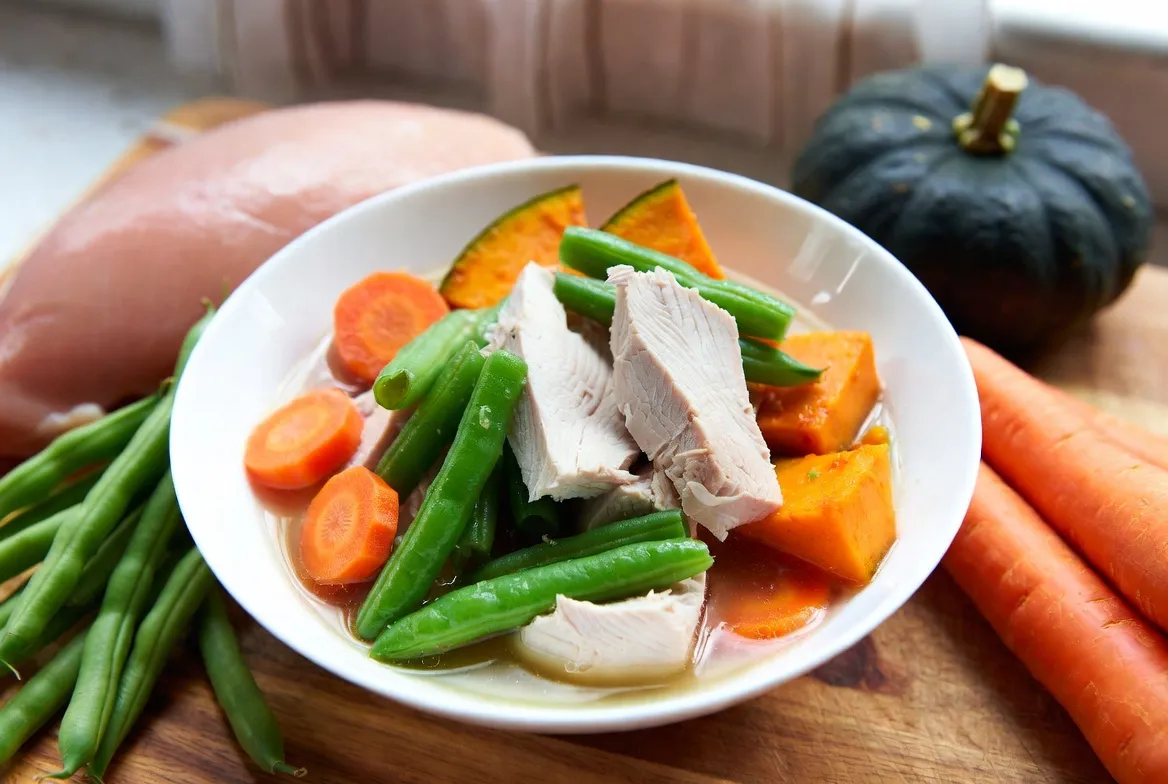
6 Low Fat Dog Food Recipes for Weight Management Guide
Seeing your furry friend carry extra weight is tough. You want them to live a long, happy life. Keeping them at a healthy weight is key.
Too much weight can hurt your pet’s joints and heart. By controlling their diet, you’re investing in their future happiness and health.

Homemade meals let you know exactly what your pet eats. Our guide has 6 Low Fat Dog Food Recipes for Weight Management. They are balanced, nutritious, and tasty for your pup.
You have the power to boost your pet’s energy with simple cooking. These steps can greatly improve your dog’s life, starting today.
Understanding Canine Obesity and Nutritional Needs
Before you start with dog weight management recipes, it’s key to know about dog obesity. Many pets have extra weight without owners knowing the harm to their joints and organs. Spotting the signs early helps keep your pet happy and healthy for a long time.
Identifying Signs of Excess Weight in Your Dog
You can check your dog’s weight at home. Start by feeling their ribcage with your hands. You should feel the ribs easily without pushing too hard through fat.
If you can’t feel the ribs, your dog might be too heavy. Next, look at your dog from above. A healthy dog should have a clear waistline behind the ribs. If your dog looks round or doesn’t have a waist, it’s time to change their food.
The Importance of Caloric Deficit for Safe Weight Loss
Getting to a healthy weight needs a slow, controlled calorie cut. Never starve your pet, as it can cause serious health problems. Instead, give them nutrient-dense meals that make them feel full but cut calories slowly.
Being consistent is crucial when using dog weight management recipes. Slowly switch to lower-calorie, high-fiber foods to help your dog’s metabolism. Always watch their progress and talk to your vet to keep weight loss safe and healthy for your dog.
Essential Ingredients for Low-Fat Dog Food
When making homemade low-fat dog food, the ingredients matter a lot. Choose whole, nutrient-rich foods to keep your dog healthy without extra calories. This way, you make meals that taste good and help with weight control.
Selecting Lean Protein Sources
Protein is key in your dog’s diet, but pick the right kind. Go for lean protein sources that are low in fat but high in amino acids. Good choices are skinless chicken breast, turkey, white fish, and lean beef.
These proteins help keep your dog’s muscles strong. This is important for a healthy metabolism. Make sure to remove visible fat before cooking. Choose fresh, high-quality meats for the best nutrition.
Incorporating Fiber-Rich Vegetables for Satiety
Vegetables are important for keeping your dog full. Green beans, zucchini, and pumpkin are great because they’re full of fiber. They add volume to meals without too many calories.
Steaming or lightly boiling these veggies keeps them nutritious and tasty. Adding them to your homemade low-fat dog food makes meals more filling. It’s a smart way to control your dog’s hunger.
Avoiding Hidden Fats and Unhealthy Fillers
Many dog foods have hidden fats and fillers that can hinder weight loss. Be careful when picking ingredients to avoid processed additives and low-quality grains. These can add empty calories that don’t help your dog’s health.
Always check labels if you’re using store-bought items in your recipes. Opt for whole, single-ingredient foods to control what your dog eats. This way, every bite of your low-fat dog food has a clear purpose.
6 Low Fat Dog Food Recipes for Weight Management
Starting your dog’s health journey with these 6 Low Fat Dog Food Recipes is a great step. By choosing the ingredients yourself, you make sure your pet gets the best nutrition. Consistency and care are key to helping your dog reach their ideal weight.

Balancing Macronutrients for Optimal Health
A good diet has the right mix of proteins, carbs, and fats. Lean proteins help keep muscles strong while your dog loses weight. Use high-quality sources like white fish, turkey, or rabbit to keep fat low.
Complex carbs give steady energy without raising blood sugar. Adding fiber-rich veggies makes your dog feel full and happy after meals. This balance stops hunger and keeps metabolism healthy all day.
Safety Precautions When Preparing Homemade Meals
Always talk to your vet before cooking. They can make a plan that fits your pet’s health and needs. This ensures your dog’s meals are nutritionally balanced.
Food safety is crucial. Cook proteins to the right temperature to kill bacteria. Clean your surfaces well and avoid toxic foods like onions, garlic, or grapes.
Keep meals in airtight containers to stay fresh. This prevents spoilage and keeps food safe for your pet. Following these steps makes cooking safe and effective.
Recipe One: Lean Turkey and Green Bean Medley
This turkey and green bean medley is great for your dog’s weight loss. It’s a perfect start for low fat dog food in your pet’s diet.
Ingredients List and Preparation Steps
You’ll need one pound of lean ground turkey, two cups of chopped green beans, and one cup of cooked brown rice. Brown the turkey in a skillet over medium heat until it’s fully cooked.
Drain the fat to keep the meal light. Add green beans and a splash of water. Cover the skillet to steam the beans until they’re tender.
Then, stir in the cooked brown rice. Let it cool before serving it to your dog.

Nutritional Benefits of Turkey and Green Beans
Turkey is excellent for weight management. It has a lot of protein and not much fat. This helps your dog’s muscles without extra calories.
Green beans are full of fiber. They make your pet feel full and happy. Adding them to low-fat dog food helps your dog stay at a healthy weight.
Recipe Two: White Fish and Sweet Potato Delight
Managing your dog’s weight is easier with lean proteins like white fish. These healthy dog food recipes help your pup stay full and lose weight safely.

Ingredients List and Preparation Steps
You’ll need simple, healthy ingredients for this meal. They’re easy to find at your local store. This recipe is great for dogs needing to eat less.
- 1 cup of cooked white fish (such as cod or tilapia), flaked
- 1/2 cup of cooked, mashed sweet potato (skin removed)
- 1/4 cup of steamed green beans, chopped
- 1 tablespoon of water or low-sodium vegetable broth
First, steam the white fish until it’s fully cooked. Then, mix the mashed sweet potato with chopped green beans. Add the flaked fish and a bit of water or broth to keep it moist. Always ensure the food has cooled completely before serving it to your furry friend.
Why White Fish is Ideal for Weight Management
White fish is a great low-fat protein source with high-quality amino acids. It’s lean, so you can give your dog more food. This makes them feel full and happy.
White fish also has omega-3 fatty acids. These are good for healthy skin and a shiny coat. Choosing these recipes helps your pet stay healthy and at a good weight.
Recipe Three: Chicken Breast and Zucchini Mash
Making healthy dog food recipes at home is rewarding. It helps with your pet’s weight management. This mix of lean protein and fiber-rich veggies is filling without extra calories.

Ingredients List and Preparation Steps
You’ll need one boneless, skinless chicken breast and a medium zucchini. Boil or poach the chicken until it’s fully cooked. Make sure there’s no pink in the center.
Steam the zucchini until it’s soft. Then, mash it with a fork. Mix the chicken and zucchini together until smooth. This makes a consistent, soft texture your dog can easily digest.
Managing Portion Sizes with Zucchini
Zucchini is great for adding volume to your dog’s meal. It’s low in calories, so you can give more without worrying about extra calories.
This way, your dog gets a full meal that stops them from begging. Using these healthy dog food recipes keeps your pet happy and healthy while helping them reach their weight goals.
Recipe Four: Lean Beef and Pumpkin Puree
Lean beef and pumpkin make a tasty dish that keeps your pet full. It’s great for low-calorie dog food plans. It’s perfect for pets that get hungry between meals.

Ingredients List and Preparation Steps
For this meal, use high-quality lean proteins. Make sure the beef has no visible fat. This keeps the calories low.
- 1 pound lean ground beef (95% lean or higher)
- 1 cup pureed pumpkin (ensure it is plain, not pie filling)
- 1/2 cup finely chopped carrots
- 1/4 cup water or low-sodium beef broth
Here’s how to make a meal your dog will enjoy:
- Brown the lean beef in a non-stick skillet over medium heat until fully cooked.
- Drain any excess liquid or fat from the pan thoroughly.
- Add the chopped carrots and water, simmering until the vegetables are tender.
- Stir in the pumpkin puree and heat until the mixture is warmed through.
- Allow the food to cool completely before serving it to your dog.
The Role of Pumpkin in Digestive Health
Pumpkin is a powerhouse ingredient in low-calorie dog food recipes. It’s full of soluble fiber. This helps keep your dog’s digestive system healthy.
Pumpkin is low in calories but high in volume. It makes your dog feel full and happy. This helps keep your pet at a healthy weight without feeling hungry. Adding pumpkin to your dog’s diet supports their digestive health and low-calorie dog food goals.
Recipe Five: Cottage Cheese and Spinach Scramble
Looking for a fresh way to serve low calorie dog food? This unique scramble is a delightful change from standard kibble. It’s simple, quick, and highly nutritious, ready in just a few minutes.
Ingredients List and Preparation Steps
You’ll need half a cup of low-fat cottage cheese, one cup of fresh baby spinach, and one lightly beaten egg. Start by steaming the spinach until it’s soft. Then, drain any excess water well.
In a non-stick pan over medium heat, scramble the egg until it’s fully cooked. Remove the pan from the heat. Gently fold in the cottage cheese and steamed spinach. Let it cool completely before serving it as a healthy, low-calorie dog food option.
Benefits of Low-Fat Dairy for Canine Diets
Low-fat dairy is great for your dog’s diet. It’s a fantastic source of high-quality protein and essential calcium. These nutrients help keep bones strong and muscles healthy during weight loss.
Dairy is also nutrient-dense, making dogs feel full longer. This is a big plus for managing daily calories. Always ensure you choose plain, low-fat cottage cheese without added salt or artificial sweeteners. This adds a creamy texture dogs love. By adding this recipe to your weekly meal plan, you give your pet a variety of nutrients while helping them stay on track with weight management.
Recipe Six: Rabbit and Carrot Stew
This recipe uses rabbit, a lean and digestible protein. It’s great for canine weight loss recipes. Dogs love its unique taste.
Ingredients List and Preparation Steps
You’ll need one pound of rabbit meat, two cups of carrots, one cup of water, and half a cup of kale. Start by cooking the rabbit in a big pot with water until it’s tender.
After cooking, shred the rabbit into small pieces. Put it back in the pot. Add carrots and kale, then simmer for ten minutes. Let it cool before serving.
Why Rabbit is a Superior Lean Protein Choice
Rabbit is a top choice for dogs needing special diets. It’s low in fat and rich in amino acids. This helps keep muscles strong without extra calories.
Vets often suggest rabbit for dogs with beef or chicken allergies. Adding it to your homemade low-fat dog food helps keep your dog healthy and full of energy.
Storing and Serving Your Homemade Dog Food
It’s important to store leftovers well. Use airtight glass containers in the fridge for up to three days. For longer, freeze in bags for a month.
Thaw in the fridge before serving. Make sure it’s at room temperature for better digestion. Learning these homemade low-fat dog food tips helps your dog get the best nutrition.
Conclusion
Controlling your pet’s food is key to a happy, healthy life. You can boost your dog’s energy by picking fresh, healthy foods every day.
These recipes help your dog stay fit and fun at mealtime. They give your dog the nutrients needed for strong muscles and lots of energy.
Keep an eye on how your dog does with these new meals. Regular vet visits help make sure the recipes are right for your dog.
Change the food amounts based on how active your dog is and their body score. Even small changes can make a big difference in your dog’s health over time.
Share your stories about these meals with others. Your hard work in feeding your dog well makes a big difference in their life.


