
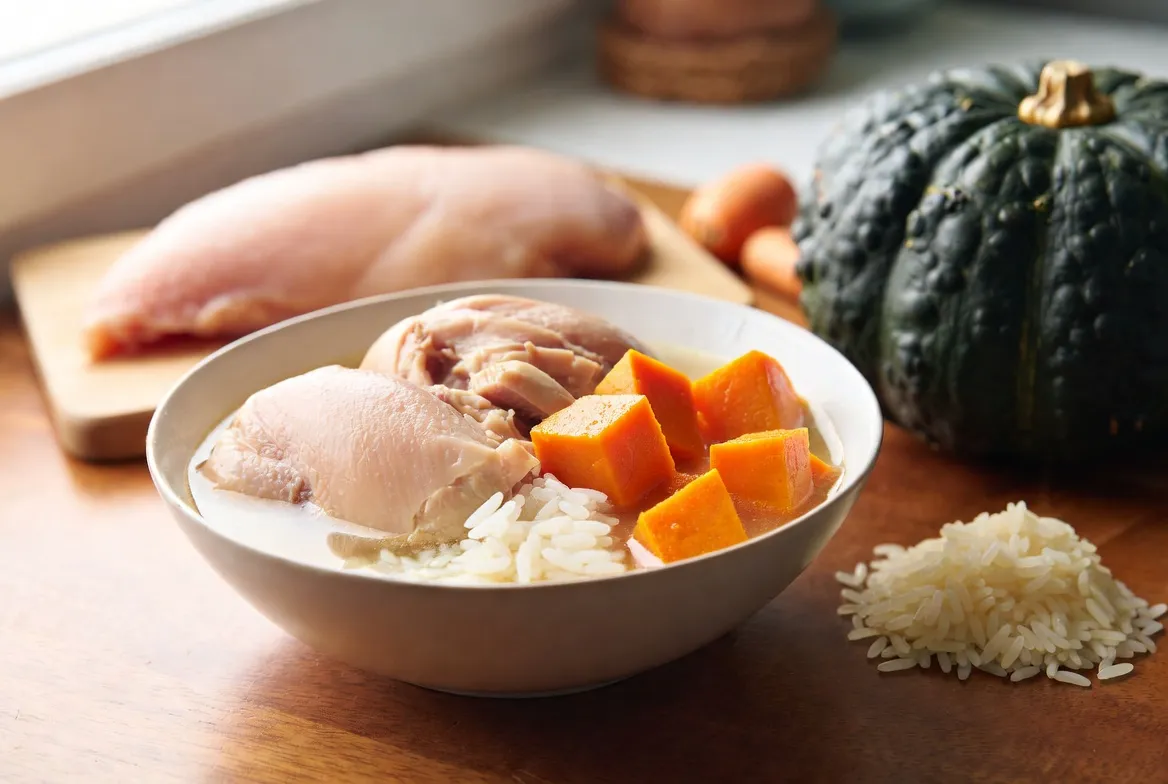
6 Sensitive Stomach Dog Food Recipes That Are Vet-Approved
It’s heartbreaking to see your dog in pain. You want them to be happy and full of energy. Digestive issues are common, but you’re not alone in finding a solution.
Before making any changes, talk to your vet. They can make sure the new food is safe for your pet. This helps keep your dog healthy for a long time.

Choosing the right ingredients can make a big difference. Our 6 sensitive stomach dog food recipes (vet-approved) are easy to digest. They help your dog feel better and keep them happy.
Key Takeaways:
- Prioritize gentle, whole ingredients to soothe digestive tracts.
- Always verify new dietary plans with your medical professional.
- Focus on consistency to monitor your pet’s progress effectively.
Understanding Your Dog’s Digestive Health
Your dog’s digestive health shows how well they are doing. If they have gas, bloating, or loose stools, it means they’re having trouble. This is a sign to look for the best dog food for a sensitive stomach.
Chronic digestive distress can come from many things. It might happen after a big change in their diet. Or, your dog might have developed a food intolerance over time. Sometimes, health issues make it hard for them to get the nutrients they need.
Vets often suggest limited-ingredient diets to help the gut. These diets lower the chance of allergic reactions. They focus on easy-to-digest proteins and simple carbs for the best dog food for sensitive stomach.
Spotting these problems early helps your dog’s stomach. Keeping their diet steady is important. A gentle diet keeps your dog from feeling sick often and keeps them healthy for a long time.
The Benefits of Homemade Meals for Sensitive Stomachs
When your dog has trouble digesting food, homemade dog food for sensitive stomach can really help. Making meals at home lets you control what goes into them. This means your pet gets only the best, freshest ingredients.
Switching to organic dog food for sensitive stomach can also be a big plus. It gets rid of bad stuff like synthetic preservatives and fillers. These can make dogs with sensitive stomachs feel worse. By avoiding them, your dog can heal faster.

Homemade meals can also make your dog feel more energetic. You can pick the right proteins and veggies for them. This helps your dog digest better and feel more lively.
Also, homemade meals are often tastier, which is essential when your dog is feeling weak. A tasty, fresh meal can make them want to eat again. Making homemade dog food is a kind way to help your pet stay healthy.
Essential Nutritional Guidelines for Canine Digestion
Choosing the best dog food for a sensitive stomach means picking gentle ingredients. Look for a mix of proteins, carbs, and healthy fats. These help your pet stay energetic without upsetting their stomach.
For dog food for digestive health, soluble fiber is key. It helps with bowel movements and keeps things moving. Adding cooked pumpkin or oats can really help your dog feel better.

Choosing the right protein is essential to reduce inflammation. Opt for lean meats like whitefish, turkey, or chicken breast. They support muscles and are easy to digest. Avoid fatty cuts to avoid upsetting your dog’s stomach.
Getting the best dog food for a sensitive stomach means watching portion sizes. Even healthy foods can upset your dog if they eat too much. Use a measuring cup to give the right amount for their size and activity.
Also, focus on nutrient density for dog food for digestive health. Every meal should have the vitamins and minerals your dog needs. Consistency in ingredients helps find what works best for your dog.
6 Sensitive Stomach Dog Food Recipes (Vet Approved)
When your pup has tummy troubles, these 6 sensitive stomach dog food recipes (vet approved) can help. They use simple, whole foods to ease your dog’s stomach. These meals are easy to digest and gentle on the gut.

Always serve these meals at room temperature. This avoids shocking your dog’s stomach. Start slowly with these easy dog food recipes for stomach issues to manage digestive health.
Gentle Chicken and White Rice Blend
This mix is often the first choice for calming upset stomachs. It’s a bland, low-fat base that’s easy to digest.
- Boiled, skinless chicken breast (shredded)
- Well-cooked white rice
- A splash of water to maintain moisture
Lean Turkey and Sweet Potato Mash
Sweet potatoes help with bowel movements. They’re paired with lean turkey for a protein-rich meal that’s gentle on the stomach.
- Ground lean turkey (cooked thoroughly)
- Steamed, mashed sweet potato (no skin)
Soothing Pumpkin and Ground Beef Bowl
Pumpkin helps with digestive issues in dogs. Mixed with lean ground beef, it makes a hearty, soothing meal.
- Lean ground beef (drained of excess fat)
- Pureed plain pumpkin (not pie filling)
Whitefish and Quinoa Digestive Support
Whitefish is a great, easy-to-digest protein for dogs with sensitivities. Quinoa is a gluten-free grain that’s full of nutrients.
- Steamed whitefish (flaked and deboned)
- Cooked, fluffy quinoa
Lean Lamb and Steamed Carrot Medley
Lamb is good for dogs that don’t do well with chicken or beef. Steamed carrots add vitamins and fiber without irritating.
- Lean ground lamb (cooked)
- Soft, steamed carrot slices
Bone Broth and Shredded Chicken Recovery Meal
This meal is great for dogs recovering from illness. Bone broth adds minerals, while chicken provides protein.
- Homemade, salt-free bone broth
- Shredded, boiled chicken breast
Following these vet-recommended dog food recipes can comfort your pet. Always watch how your dog reacts to each new meal to make sure it’s right for them.
Safe Ingredients to Include in Your Dog’s Diet
When your dog has digestion issues, picking the right ingredients is crucial. Using whole foods lets you control what your pet eats. This is key for their long-term health.
Choosing easy-to-digest proteins and fiber-rich veggies is important. This creates a stable dietary foundation that helps avoid irritation.
Adding natural remedies for dog stomach problems can help right away. Plain canned pumpkin is great for fiber and bowel health. Boiled chicken is a lean protein that’s easy on the stomach.

Lean proteins like whitefish or turkey are good choices. They’re less likely to cause allergies. Steamed veggies like carrots or green beans add vitamins without heavy starch.
These nutrient-dense choices make sure your dog gets the nutrients they need. They also keep their stomach calm.
Want to give your pup treats without upsetting their stomach? Try making sensitive stomach dog treat recipes. Use oat flour and sweet potato puree to avoid additives. These homemade treats are a loving way to care for your dog’s health.
Remember, being consistent is important for a sensitive stomach. Stick to safe ingredients to keep your dog feeling great every day. With these simple, whole-food strategies, you can manage your dog’s health at home.
Common Foods to Avoid for Dogs with Stomach Issues
Even the most careful pet owner can accidentally trigger stomach upset with the wrong ingredients. When you are focused on preparing healthy meals or crafting sensitive stomach dog treat recipes, it is easy to overlook hidden dangers in common pantry items. Understanding which foods cause inflammation is the first step toward protecting your dog’s delicate digestive system.
Certain foods are notorious for causing gastrointestinal distress in dogs. These items can lead to discomfort, bloating, or more severe health complications if consumed regularly. It is vital to keep these away from your pet’s reach to ensure their long-term wellness.

To maintain a healthy gut, you should strictly avoid the following items:
- Fatty Meats: High-fat trimmings or greasy scraps can trigger pancreatitis, which is extremely painful for dogs.
- Dairy Products: Many dogs are lactose intolerant, and milk or cheese often leads to gas and diarrhea.
- Onions and Garlic: These common kitchen staples are toxic to dogs and can damage their red blood cells.
- Grapes and Raisins: Even small amounts of these fruits can cause sudden kidney failure in some dogs.
- Artificial Sweeteners: Ingredients like xylitol are highly dangerous and must be kept out of your home entirely.
Always take a moment to read the labels on any commercial products you purchase. You want to ensure that you aren’t accidentally feeding your dog additives that contradict your sensitive stomach dog treat recipes. By staying vigilant and avoiding these common irritants, you provide your dog with the best chance for a happy, comfortable life.
How to Transition Your Dog to Homemade Food Safely
Switching to homemade dog food for a sensitive stomach must be done slowly. Don’t change your dog’s diet all at once. This can cause unpleasant digestive shock or diarrhea. Plan for a transition period of seven to ten days to help your dog adjust.
Begin by mixing a small amount of the new food with their current diet. Start with 25% new food and 75% old food on the first few days. If your dog does well, slowly add more new food and less old food over the next week. Consistency is the key to avoiding tummy troubles.
Watch your dog’s stool quality and behavior closely during this time. If they show signs of discomfort or loose stools, slow down the transition. Patience is vital when introducing homemade dog food. By going slow, you help your dog get used to their new, healthier diet without stress.
Tips for Batch Cooking and Proper Storage
Batch cooking can save you a lot of time. By making easy dog food recipes for stomach issues ahead of time, you ensure your pet eats well. It also makes mealtime less stressful for you and keeps your dog’s stomach happy.
Storing food properly is key when you cook in bulk. Let the food cool down before putting it in airtight containers. This stops moisture from causing bacteria to grow.
Portioning meals is a big help. Use freezer-safe bags or small glass containers for each serving. This way, you can easily grab what you need for each meal. It keeps your organic dog food for sensitive stomach fresh and easy to thaw.
Here are some important storage tips:
- Label every container with the date you made it to know how fresh it is.
- Keep meals in the fridge for three days max to stay safe.
- Freeze meals for longer storage, up to a month.
- Thaw frozen meals in the fridge overnight, not on the counter.
- Always check the food for spoilage before feeding it to your dog.
These habits make managing easy dog food recipes for stomach issues easier. A bit of planning means your dog gets consistent, good nutrition. Your effort in storing food properly makes every meal safe and tasty for your dog.
When to Consult Your Veterinarian About Digestive Problems
Knowing when your dog needs a vet is key. Some issues can be fixed with vet recommended dog food recipes. But, your dog’s health can change fast. Watch them closely for any sudden changes.
Some signs mean you need to see a vet right away. Look out for persistent vomiting, blood in the stool, or extreme tiredness. These signs often mean there’s a bigger problem.
Know when to stop using natural remedies for dog stomach problems and go to the vet. Home remedies are good for mild issues. But, they can’t replace a vet’s tests. A vet can do blood work or imaging to find the real problem.
Having a good relationship with your vet is important. Talk to them about the natural remedies for dog stomach problems you’ve tried. This helps them make a better diagnosis. Don’t wait to ask for help if your dog isn’t getting better.
Balancing Homemade Meals with Commercial Supplements
Getting the best dog food for digestive health is more than just fresh food. Homemade meals are great, but they might miss some important nutrients or good bacteria. Supplements can fill these gaps and help keep your pet healthy for a long time.
To make your homemade meals even better, add these key items to your dog’s diet:
- Probiotics: These good bacteria keep the gut healthy and help absorb nutrients better.
- Digestive Enzymes: They help break down tough proteins and fats, making digestion easier for sensitive stomachs.
- Omega-3 Fatty Acids: Found in fish oils, they reduce inflammation and make the coat shiny.
When picking supplements, choose ones made just for dogs. Quality is important. Look for brands that have third-party tests. This means you’re adding safe, effective stuff to your dog food for digestive health.
Adding these supplements is easy. Just mix the powder or oil into the food bowl before serving. Start with a little to make sure your dog likes the taste and texture.
By mixing home-cooked meals with these top-notch supplements, you give your dog a full diet. This way, you help keep your dog full of energy and make sure they get the best dog food for digestive health every day.
Conclusion
Managing your dog’s sensitive stomach is a journey. It needs patience, observation, and a commitment to quality nutrition. You can make mealtime a comfort for your pet.
Use vet-approved recipes and follow safe transition steps. This improves your dog’s life. Small kitchen changes can make a big difference in your pet’s happiness.
Your vet is your best guide for your dog’s health. Regular check-ups help make sure your homemade meals meet your dog’s needs.
Begin your journey to better digestion with a simple meal. See how your dog reacts to fresh, wholesome food. You can help your best friend enjoy every bite without worry.


