
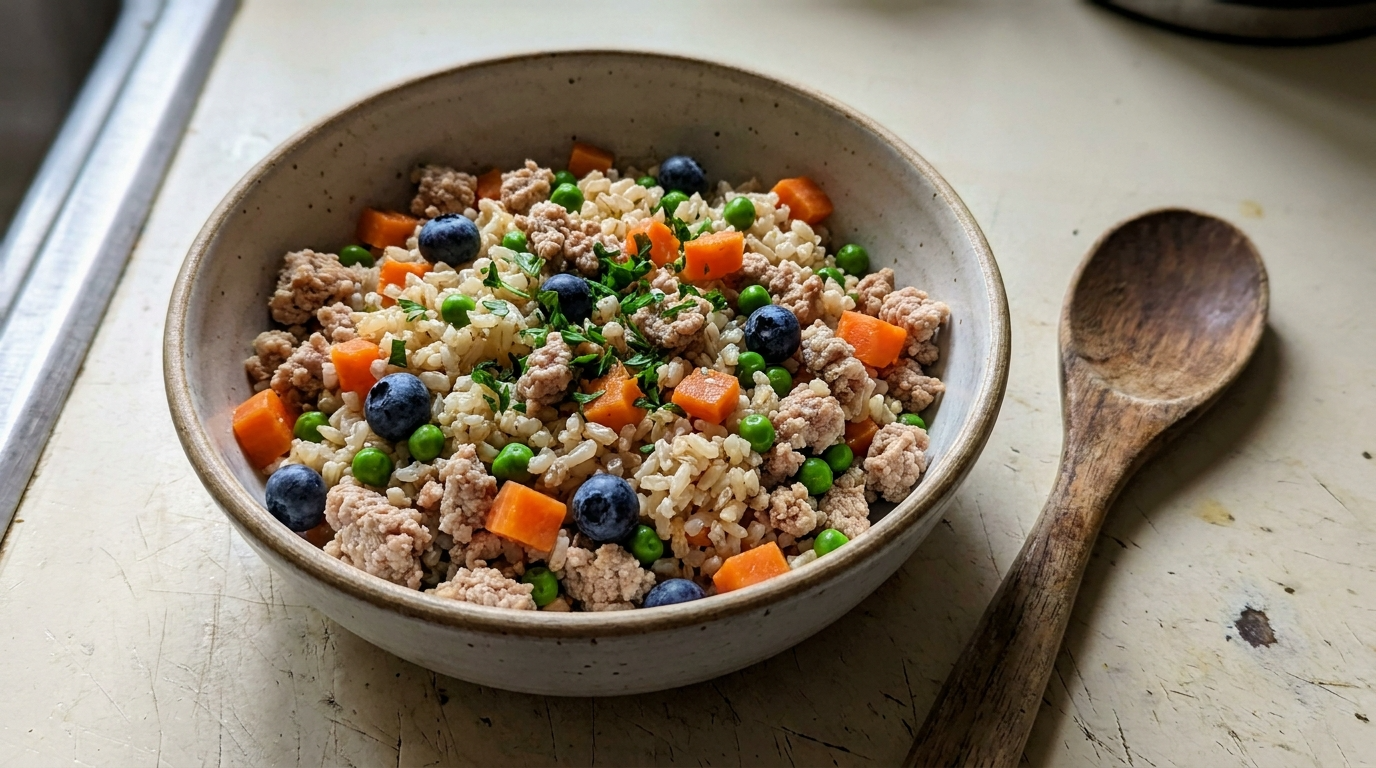
6 Low-Sodium Dog Food Recipes for Heart Health
Last winter, my golden retriever, Max, seemed sluggish during our morning walks. After a quick visit to the clinic, we learned that managing his salt intake was vital to keeping his tail wagging. I felt overwhelmed at first, but I soon discovered that preparing homemade low-sodium dog food is simpler than you might imagine.
You want the best nutrition to support your furry companion’s vitality. This guide offers a practical list of tasty meals using fresh, simple ingredients. These options focus on supporting overall wellness while keeping things delicious in the bowl.

Please remember that these ideas serve as a starting point. Every pup has unique needs, so always consult your veterinarian before making major changes to a diet, especially if your pet has a diagnosed condition. Together, you can create a plan that keeps your best friend happy and thriving every single day.
Why a Low-Sodium Diet Can Support Canine Heart Health
Many pet owners find a low-sodium diet for dogs helps with heart issues. It makes a big difference in their comfort and quality of life. By choosing the right ingredients, you can ease the heart’s work.
How Excess Sodium Affects Fluid Balance
Sodium holds water in the blood. For dogs with weak hearts, this means more work for their heart. Reducing salt intake stops this fluid buildup, which is key in managing heart failure.
Why Your Dog’s Heart Condition Requires Individual Guidance
Canine heart health recipes must fit each dog’s needs. Your vet will decide on the right sodium, calories, and nutrients for your pet. Always talk to your vet before changing your dog’s diet, especially if they’re on heart meds.
What Homemade Low Sodium Dog Food Can and Cannot Provide
Homemade meals let you control what your dog eats, avoiding hidden salts. But there are limits to making heart-healthy dog food recipes at home:
- Controlled Ingredients: You can choose the quality and sodium of each ingredient.
- Nutritional Gaps: Homemade meals might miss important vitamins, minerals, or amino acids.
- Professional Formulation: A vet nutritionist is needed to make sure the diet is complete and balanced.
While you can offer fresh, healthy food, always get professional advice. This ensures your dog gets the right nutrition for their health. Working with experts is the best way to care for your pet.
How to Plan Low-Salt Dog Meals Safely
When you make meals at home, safety and precision are key. Switching to a special diet is a meaningful way to help your pet stay healthy. By following a clear plan, you can give your dog balanced food without extra salt.

Ask Your Veterinarian About Sodium and Calorie Requirements
First, talk to your vet about your dog’s diet needs. Every dog is different, based on their age, weight, and health. Professional advice makes sure your dog’s meals fit their health history.
Choose Fresh, Unseasoned Ingredients
Good food starts with quality ingredients. Pick fresh, whole foods that are low in salt. Don’t add table salt, garlic, onion, or seasonings to your dog’s food. Using fresh, unseasoned ingredients is the safest way to make healthy dog food.
Check Broths, Canned Foods, and Treats for Hidden Salt
Many foods have hidden salt. Always check the labels of broths, canned veggies, and treats. Hidden salt is common in processed foods. Look for “no salt added” or “low sodium” options.
Balance Homemade Meals With Veterinary Nutrition Guidance
Keeping a regular meal schedule is important. Work with your vet to watch your dog’s health and adjust food amounts as needed. This balance between homemade food and vet visits ensures your dog gets the best care.
6 Low-Sodium Dog Food Recipes for Heart Health
You can easily manage your dog’s sodium intake by preparing these simple, 6 low-sodium dog food recipes for heart health at home. By choosing fresh ingredients, you take full control over what goes into your pet’s bowl. This ensures they avoid hidden salts found in many commercial products.

Turkey, Pumpkin, and Oatmeal Bowl
Ingredients: Lean Ground Turkey, Plain Pumpkin, Rolled Oats, and Green Beans
- Lean ground turkey
- Plain canned pumpkin (not pie filling)
- Cooked rolled oats
- Steamed green beans
Preparation: Cook Without Salt, Garlic, Onion, or Seasoning
Brown the turkey in a pan using only water to prevent sticking. Avoid all seasonings, especially garlic and onion, which are toxic to dogs. Mix in the cooked oats, pumpkin, and green beans once the meat is fully cooked.
Serving Notes for Dogs That Need a Gentle, Fiber-Rich Meal
This recipe is perfect for dogs with sensitive stomachs. Serve in controlled portions to maintain a healthy weight.
Chicken, Barley, and Green Bean Stew
Ingredients: Skinless Chicken Breast, Pearled Barley, Carrots, and Green Beans
- Boiled skinless chicken breast
- Cooked pearled barley
- Chopped carrots
- Fresh green beans
Preparation: Simmer in Water Instead of Regular Broth
Simmer the chicken in plain water to create a natural base. Never use store-bought broth, as it is often loaded with sodium. Combine the cooked chicken with the barley and vegetables for a hearty meal.
Serving Notes for Lean Protein and Controlled Portions
This stew provides high-quality protein without the extra salt. Keep portions consistent to support your dog’s specific caloric needs.
Salmon, Sweet Potato, and Quinoa Plate
Ingredients: Plain Cooked Salmon, Sweet Potato, Quinoa, and Zucchini
- Baked salmon fillet
- Cooked sweet potato
- Cooked quinoa
- Steamed zucchini
Preparation: Remove Bones and Avoid Smoked or Cured Salmon
Always remove every bone from the salmon before serving. Use only fresh, plain fish, as smoked or cured varieties contain dangerous levels of salt. These heart-healthy dog food recipes rely on the natural oils found in fresh fish.
Serving Notes for Fish-Based Protein and Healthy Fats
Salmon is an excellent source of omega-3 fatty acids. Rotate this meal occasionally to provide variety in your dog’s diet.
Lean Beef, Cauliflower Rice, and Carrot Skillet
Ingredients: Extra-Lean Ground Beef, Cauliflower Rice, Carrots, and Peas
- Extra-lean ground beef
- Cauliflower rice
- Diced carrots
- Frozen peas (thawed)
Preparation: Drain Fat and Cook Every Ingredient Without Added Salt
Cook the beef thoroughly and drain all excess fat. Combine with the vegetables and cauliflower rice in a skillet. Ensure no salt or seasoning touches the pan during the process.
Serving Notes for a Lower-Fat Alternative to Rich Beef Meals
This skillet is a lighter option for dogs who enjoy beef. It is a great way to keep fat levels low while providing essential nutrients.
Egg White, Brown Rice, and Vegetable Bowl
Ingredients: Fully Cooked Egg Whites, Brown Rice, Squash, and Green Beans
- Scrambled egg whites
- Cooked brown rice
- Steamed squash
- Green beans
Preparation: Use Plain Egg Whites Without Cheese, Butter, or Seasoning
Cook the egg whites until firm without using any butter or oil. Mix with the rice and steamed vegetables. Keep the preparation simple to ensure the meal remains sodium-free.
Serving Notes for a Mild Meal With Carefully Selected Protein
Egg whites are a highly digestible protein source. This mild bowl is ideal for dogs that require a gentle, low-sodium diet.
Chicken, Apple, and Sweet Potato Training Meal
Ingredients: Cooked Chicken Breast, Sweet Potato, Peeled Apple, and Oatmeal
- Boiled chicken breast
- Mashed sweet potato
- Peeled, cored apple
- Cooked oatmeal
Preparation: Remove Apple Seeds, Skin, and Core Before Cooking
Always remove the seeds and core from the apple, as these can be harmful. Cook the chicken and sweet potato until soft, then mix with the apple and oats. These pet recipes for heart health are designed to be simple and safe.
Serving Notes for Small Portions and Occasional Meal Rotation
Use this recipe for small, rewarding portions. It works well as an occasional rotation to keep your dog interested in their healthy diet.
Ingredients and Cooking Methods to Limit Sodium
Managing your dog’s heart health starts with knowing hidden sodium in common kitchen items. Preparing low-salt dog meals at home lets you control what your pet eats. This simple change can greatly improve your dog’s health over time.

Skip Table Salt, Sea Salt, Seasoning Blends, and Bouillon
It’s tempting to add a pinch of salt for flavor, but don’t. Table salt, sea salt, and seasoning blends are too salty for dogs. Also, avoid bouillon cubes or powders because they are highly concentrated sources of salt that can harm a sensitive heart.
Avoid Processed Meats, Smoked Fish, Cheese, and Salty Peanut Butter
Many human snacks are bad for dogs on a restricted diet. Processed meats like deli ham, bacon, and sausages have too much sodium. Smoked fish, most cheeses, and commercial peanut butter also have added salt that is unsuitable for pets.
Use Fresh Herbs and Dog-Safe Flavor Options Instead of Salt
You can make tasty homemade recipes without salt. Fresh herbs like parsley, basil, or cilantro add great flavors dogs love. These natural ingredients help you make nutritious and tasty meals that are good for heart health without sodium risks.
Read Labels on Canned Vegetables, Broths, and Commercial Mix-Ins
When using canned items, read labels carefully. Many canned vegetables and broths have added salt. Look for “no salt added” or “low sodium” options to choose the best low sodium pet food for your dog.
Portions, Storage, and Transitioning to Homemade Meals
Starting a homemade low sodium dog food plan needs careful planning. You must be consistent to ensure your pet gets the right food. This is key to meeting their health needs.

Calculate Portions According to Weight, Activity, and Veterinary Advice
Every dog needs different amounts of food. This depends on their size, age, and how active they are. Always talk to your vet to find out how much food your dog needs.
Using a kitchen scale is the best way to measure food. Measuring cups can be too variable. This could harm your dog’s health.
Introduce New Recipes Gradually Over Several Days
Changing your dog’s diet too fast can upset their stomach. It’s better to mix a bit of the new food with their old food over five to seven days.
Slowly add more of the new food and less of the old. This helps your dog get used to the low-sodium diet for dogs without getting upset.
Refrigerate and Freeze Prepared Meals Safely
Batch cooking saves time when making meals. You can keep portions in the fridge for up to three days in sealed containers.
For longer storage, freeze meals in bags or containers. Thaw them in the fridge before serving. This keeps them fresh and safe.
Monitor Weight, Appetite, Energy, and Water Consumption
Watch your dog closely when starting a low-sodium diet for dogs. Look for any sudden changes in weight or energy.
Also, check their water intake. Changes in sodium can make them thirsty. If your dog eats less or seems tired, call your vet right away.
Low Sodium Dog Treats for Heart-Healthy Routines
It’s easy to make your dog happy with tasty treats, even on a heart-healthy diet. Look for low sodium dog treats made from fresh, whole foods. These support your dog’s heart health.

Offer Small Pieces of Apple, Carrot, Cucumber, or Green Bean
Many fresh veggies and fruits are great, low-salt snacks for dogs. Try giving small pieces of apple, carrot, or cucumber. They’re crunchy and tasty.
Green beans are also a fantastic option for dogs. Make sure they’re raw or steamed. Don’t add butter, salt, or seasonings.
Make Simple Baked Oat and Pumpkin Treats Without Added Salt
For a special treat, bake biscuits with heart-friendly ingredients. Mix plain oats with pumpkin puree. Roll out the dough and cut into shapes.
Bake at a low temperature until they’re firm and crunchy. Avoid adding salt, baking powder, or sugar. These can harm your dog’s diet.
Keep Treats Within Your Dog’s Daily Calorie and Sodium Plan
Even healthy snacks add to your dog’s daily calories and sodium. Make sure to include these treats in your dog’s pet recipes for heart health. This keeps their diet balanced.
Always talk to your vet about how many low-sodium dog treats are right for your dog. They know your dog’s size and activity level. This helps keep your dog healthy while enjoying special moments together.
Adapting These Recipes to Your Dog’s Medical Needs
Every dog is different, needing more than just heart health. Canine heart health recipes are a good start. But they might need changes to fit your pet’s health needs.
Adjust Protein, Fat, Phosphorus, or Potassium Only With Veterinary Direction
It’s easy to want to change things on your own. But changing protein, fat, phosphorus, or potassium levels is risky. Always consult your veterinarian before making these changes. This ensures your dog’s diet stays safe and effective.
Account for Kidney Disease, Heart Failure, Diabetes, and Food Allergies
Managing many health issues needs care. For example, a heart failure diet might need to be stricter for dogs with kidney disease or diabetes. Food allergies also limit protein choices. So, working with a vet to find the right low-sodium pet food is crucial.
Use a Veterinary-Approved Supplement When a Complete Diet Requires One
Even the best homemade meals can’t cover all your dog’s nutritional needs. If a complete diet is hard to make, your vet might suggest a supplement. Using a veterinary-approved supplement makes sure your dog gets all the vitamins and minerals. It keeps their heart-healthy, low-sodium diet balanced.
When to Contact Your Veterinarian
Your vet is key in caring for a dog with heart issues. You might feed healthy meals and pick low-sodium dog treats. But your dog’s health is shown by how they feel. Always get professional advice if your dog acts differently.
Watch for Coughing, Breathing Changes, Swelling, Weakness, or Fainting
Some signs need quick vet help. If you see these, call your vet fast:
- Persistent coughing or a “hacking” sound, especially at night.
- Increased respiratory rate or visible effort while breathing.
- Swelling in the abdomen or limbs, which may indicate fluid retention.
- Sudden weakness, lethargy, or episodes of fainting.
Report Sudden Changes in Drinking, Urination, Appetite, or Body Weight
Small changes in your dog’s habits can mean big problems. Keep a log of these changes to talk about with your vet:
- A sudden increase or decrease in daily water consumption.
- Changes in the frequency or volume of urination.
- A noticeable loss of appetite or refusal to eat favorite meals.
- Unexplained weight loss or rapid weight gain.
Confirm Whether a Prescription Cardiac Diet Is More Appropriate
Homemade meals and low-sodium dog treats are great for many dogs. But they can’t replace medical care. Sometimes, a vet might say your dog needs a special diet. Never hesitate to ask if your dog needs a special diet for their health.
Conclusion
Keeping your pet healthy needs a lot of effort and the best ingredients. These 6 low-sodium dog food recipes help your pet eat well without extra salt or additives.
Doing well means paying close attention to details. It’s important to control portions, store food safely, and watch your dog’s energy. Every choice you make affects your pet’s health and happiness.
Your vet is key in helping you. Before making these recipes, talk to your vet. They can make sure your dog gets all the nutrients they need.
Watch how your dog reacts to new foods. Tell your vet about any changes. Your hard work will make your pet’s life better.


