
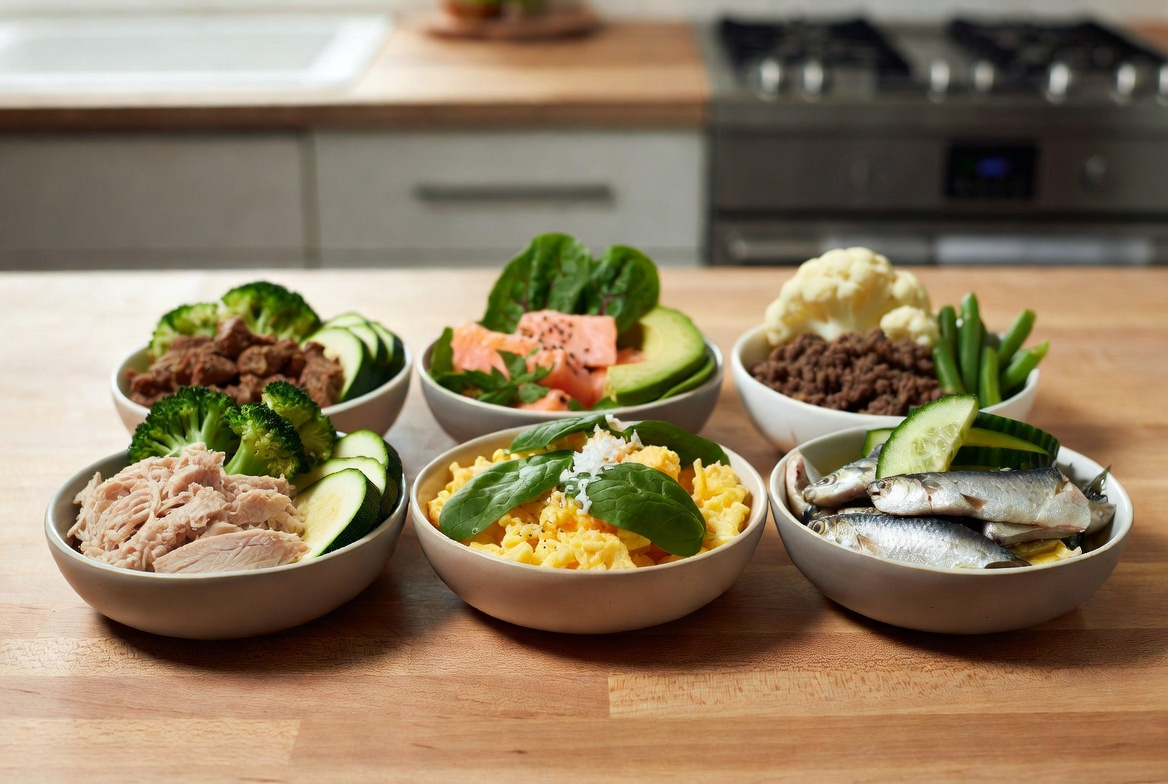
5 Keto Dog Food Recipes for Weight Management at Home
Watching your loyal companion struggle to keep up during walks can be truly heartbreaking. You want nothing more than to see them vibrant, energetic, and happy again. Sometimes, the secret to restoring that youthful spark lies right in their bowl.

Transitioning to a low-carb lifestyle offers a powerful way to support metabolic health. By choosing high-quality proteins and healthy fats, you help your furry friend shed excess pounds while preserving vital muscle mass. This approach transforms daily nutrition into a path toward lasting vitality.
We have curated these simple, nutrient-dense options to make your journey toward better health both effective and enjoyable. Embracing these 5 Keto Dog Food Recipes for Weight Management allows you to take control of your pet’s wellness journey today. Let’s explore how these meals can help your beloved companion thrive once more.
Understanding the Ketogenic Approach for Canine Weight Loss
The ketogenic approach is a special way to help your pet lose weight. It changes how your dog’s body uses energy. Instead of carbs, it uses healthy fats and proteins.
This change makes your dog’s body burn fat for energy. It stops using carbs from grains or starches.
Studies show that cutting carbs helps dogs with obesity. Over 50% of dogs in the U.S. are overweight. Using ketogenic dog food recipes makes your dog’s metabolism better.
This helps your dog lose weight and keep muscle. It’s a smart way to help your dog be healthier.
Choosing low carb dog food recipes is backed by science. It improves your dog’s health. Understanding this change helps support your dog’s health journey.
Starting to make these meals at home is important. It helps your dog stay on track.
Many dogs feel more energetic on this diet. If you’re new to ketogenic dog food recipes, focus on good fats and proteins. Making your own low carb dog food recipes means you control what your dog eats every day.
Essential Nutritional Guidelines for Homemade Keto Dog Food
Getting your dog to a healthy weight starts with good nutrition. When making homemade keto dog food, you need to balance proteins, fats, and vitamins. This balance gives your pet the energy they need and helps them lose weight.
Unlike regular dog food, you should use grain-free dog food recipes. Grains can make your dog’s blood sugar go up, slowing down weight loss. By avoiding grains, your dog can burn fat better.

Always choose high-quality animal proteins for your dog’s meals. Lean beef, fresh chicken, and fish are full of amino acids. These proteins help keep your dog strong and active while they lose weight.
Remember, fat is key in homemade keto dog food. You need to adjust the fat amount based on your dog’s activity and metabolism. Proper fat management keeps your dog’s digestive system happy and prevents extra weight gain.
Safety Precautions and Consulting Your Veterinarian
Starting a weight management journey for your dog is a big step. Before making any changes to their meals, it is imperative to consult with your veterinarian. A vet can check for health issues that might affect how your dog eats.
Your vet is a key partner in your dog’s health. They can figure out the right calories for your dog. This is based on their weight, age, and breed. This way, your pet gets the right energy without too much or too little food.

Rapid weight loss can be dangerous for many breeds. So, don’t rush the process. Your vet will help you set a safe, slow pace for your dog’s weight loss. This slow pace keeps your dog’s metabolism and health safe.
When you start the new meal plan, watch your pet closely. Look for any changes in behavior or health. Watch for these signs of discomfort:
- Sudden lethargy or lack of energy during playtime.
- Persistent digestive distress, such as vomiting or diarrhea.
- Changes in appetite or refusal to eat the new food.
- Unusual skin irritation or dullness in their coat.
If you see any of these signs, call your vet right away. Your proactive communication with a vet keeps your dog happy and healthy. It helps them reach their ideal weight goals.
5 Keto Dog Food Recipes for Weight Management
Transform your dog’s health with these five keto recipes. They are packed with nutrients. By using 5 Keto Dog Food Recipes for Weight Management, you control what your pet eats. This supports their weight loss journey.

Savory Beef and Spinach Keto Bowl
Ingredients and Preparation
Mix 1/2 pound of lean ground beef with one cup of steamed, chopped spinach. Add a teaspoon of coconut oil for essential healthy fats.
Nutritional Benefits for Weight Control
This meal is a top healthy dog weight loss recipe. The iron in spinach and high-quality protein keep your dog full and happy all day.
Chicken and Zucchini Low-Carb Delight
Ingredients and Preparation
Dice one cooked chicken breast and mix with one cup of lightly steamed, sliced zucchini. Make sure the chicken is skinless for weight management.
Why Zucchini is a Keto Superfood for Dogs
Zucchini is great in high protein dog food recipes. It’s low in calories and high in water. This makes your dog feel full without extra carbs.
Turkey and Broccoli Lean Protein Mix
Ingredients and Preparation
Mix 1/2 pound of cooked ground turkey with one cup of finely chopped, steamed broccoli florets. Use small portions as a keto dog treats recipe for training.
Managing Caloric Density with Fiber
Broccoli adds fiber for better digestion and caloric control. This helps your dog stay at a healthy weight without feeling hungry.
Salmon and Cauliflower Omega-Rich Recipe
Ingredients and Preparation
Flake one small fillet of cooked salmon and mix with one cup of steamed, mashed cauliflower. These easy keto dog food recipes are simple to make in large batches.
The Role of Healthy Fats in Satiety
Salmon has Omega-3 fatty acids for skin and coat health. These fats help your dog feel full and happy and energized while losing weight.
Egg and Green Bean Keto Power Meal
Ingredients and Preparation
Scramble two large eggs and mix with one cup of steamed green beans. This combo is quick, affordable, and tasty for most dogs.
Simple Ingredients for Effective Weight Loss
Green beans are key in low calorie dog food recipes. They are very filling. Using simple, whole foods ensures your dog gets important nutrients and reaches their weight loss goals.
Tips for Transitioning Your Dog to a Low-Carb Diet
Starting your pet on a healthier diet is exciting. It’s important to do it slowly. Aim to change their diet over 7 to 10 days.
This slow change helps avoid stomach problems. It lets their body get used to new foods.
Begin by adding a little of the low carb dog food recipes to their meal. Then, slowly add more of the new food. At the same time, reduce the old food.

Watch your dog closely during this time. Monitoring their progress is key. Look for these signs:
- Stool quality: Check for any digestive upset or changes in consistency.
- Energy levels: See if your dog stays playful and full of life.
- Appetite: Make sure they’re eager to eat their new, healthy meals.
- Weight stability: Keep an eye out for sudden changes in their body.
If your dog seems uncomfortable, slow down the transition. Many dogs do better with grain-free dog food recipes. Being patient and watchful helps your dog thrive in the long run.
Monitoring Your Dog’s Progress and Adjusting Portions
Success in your dog’s weight loss journey needs regular checks and tweaks. Using healthy dog weight loss recipes, weigh your dog every two weeks. This helps spot problems early and keeps them safe.
Remember, each dog is different when it comes to food changes. If your dog loses weight too fast or always wants to eat, add a bit of healthy fat. This makes them feel full and supports their weight goals.
If weight loss slows down, try reducing portions. When changing low calorie dog food recipes, make sure not to miss out on important nutrients. Balance is key in their meals.
Keep a record of your dog’s weight and what you feed them. This info helps you and your vet make better choices. Regular checks are crucial for your dog’s safe and happy weight loss journey.
Common Mistakes to Avoid When Preparing Homemade Keto Meals
Starting your pet on homemade food can be great if you avoid common mistakes. Many owners focus too much on protein and fat. But they forget about the essential micronutrient profile needed for health.
When making homemade keto dog food, make sure your pet gets all vitamins and minerals. This is key for their health.
Calcium is often overlooked in dog diets. Without enough calcium, your dog’s bones and skeleton can suffer. Always check with a vet to make sure your dog’s diet has enough calcium.
Be careful with foods that are toxic to dogs. Things like onions, garlic, and xylitol are extremely dangerous. Even a little bit can harm your dog. Always check labels before adding anything to your homemade keto dog food.
When making snacks, choose ingredients carefully. A good keto dog treats recipe should be safe and tasty. By avoiding these mistakes, you can help your dog live a healthy, low-carb life.
- Always verify that your ingredients are non-toxic to dogs.
- Prioritize calcium and other essential minerals in every meal.
- Review every keto dog treats recipe for hidden additives.
- Keep a detailed log of all ingredients used to ensure consistency.
Supplements and Micronutrients for Balanced Keto Nutrition
Even the best high protein dog food recipes might miss some important nutrients. Fresh ingredients are great, but sometimes dogs need more. Careful supplementation can fill these gaps well.
Omega-3 fatty acids are great for your pet’s health. They help with skin and reduce inflammation. You can find these in fish oil supplements made for dogs.
Adding a canine-specific multivitamin is a good idea. These vitamins help make sure your pet gets all the nutrients they need. Look for supplements with:
- Taurine for heart and muscle health.
- Vitamin E as a strong antioxidant.
- B-complex vitamins for energy.
- Calcium and Phosphorus for strong bones.
Talk to your vet before adding new supplements. They can make sure they’re safe and right for your dog. Professional guidance keeps your dog healthy and happy on a keto diet.
Conclusion
Your commitment to your pet’s well-being starts in the kitchen. By using these easy keto dog food recipes, you take a big step. This helps improve your dog’s health for a long time.
Using high-quality proteins and fiber-rich veggies gives your dog the fuel they need. This helps them stay healthy and at a good weight. Choosing fresh, whole ingredients over processed ones is key to a vibrant life for your pet.
Being consistent is crucial. Regular vet visits help make sure your pet gets the right nutrients. This is important for their breed and age.
Being patient lets your dog get used to new foods easily. You’ll see their energy and happiness grow. They’ll thrive on these easy keto dog food recipes.
Start making healthy meals for your dog today. Your effort in giving them the right food strengthens your bond. It also helps them live a longer, more active life.


