
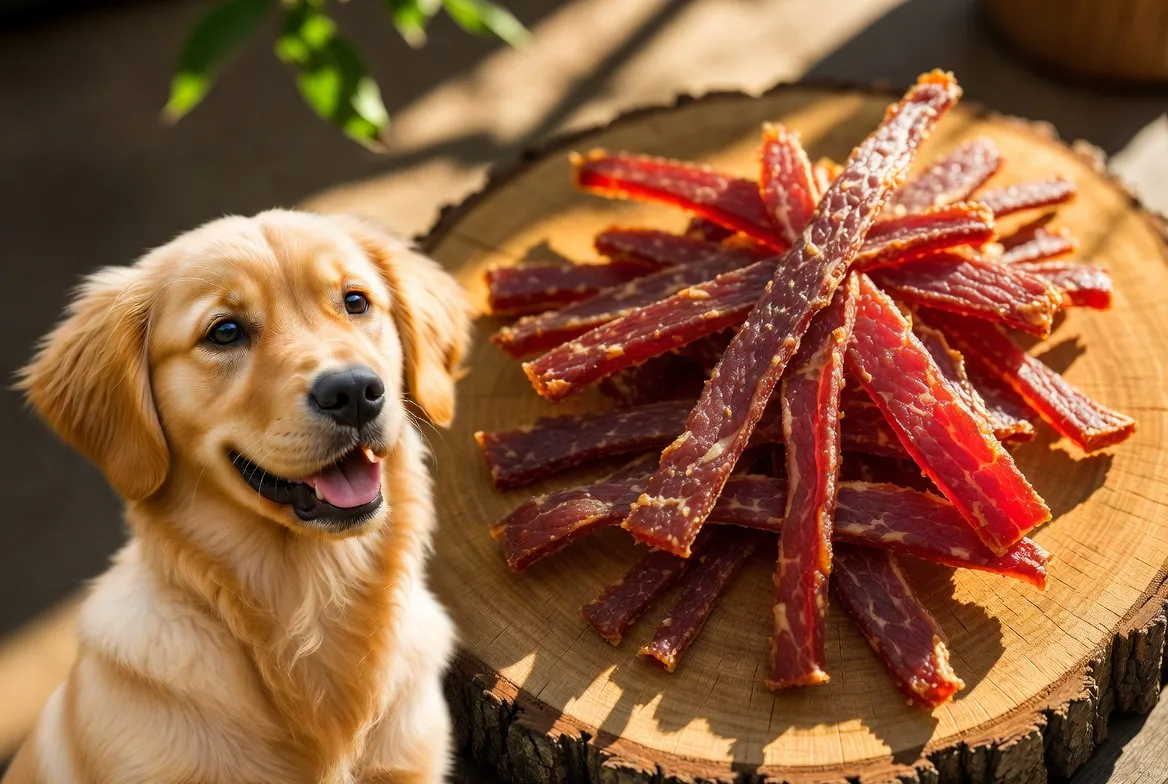
6 Homemade Dog Jerky Recipes for Dehydrator or Oven
There’s nothing like a happy pet waiting for you at the door. We want the best for our pets, including their food.
Many treats from stores have bad stuff we don’t want. Taking control of your pet’s diet means using simple, natural ingredients at home.

Our guide to 6 Homemade Dog Jerky Recipes (Dehydrator or Oven) is easy and fun. Making these snacks is a great way to show love and keep your pet healthy.
With these 6 homemade dog jerky recipes, you can make snacks your pet will love. Let’s start making better snacks for your loyal friend.
Why Homemade Dog Jerky is the Best Choice for Your Pup
Many pet owners are choosing DIY snacks to avoid mystery ingredients in store-bought treats. Making homemade dog treats lets you control the quality and source of every ingredient. This means your dog gets only the best nutrition without hidden fillers.
Commercial treats often use artificial flavorings and preservatives to last longer. Making these snacks yourself removes these harmful chemicals from your pet’s diet. Your dog deserves a reward that is as healthy as it is delicious.
Choosing homemade pet treats for your dog has many benefits:
- Complete Ingredient Control: You know exactly what goes into every batch.
- Customized Nutrition: You can adjust recipes to suit specific dietary needs or allergies.
- High-Protein Rewards: You can prioritize lean, high-quality protein sources.
- Cost-Effective Quality: You often get better value than premium store-bought brands.
Customizing snacks for your dog’s unique tastes is another big plus. Whether your pup has a sensitive stomach or needs a certain protein, you can adjust your homemade dog treats. This care strengthens your bond and helps your dog stay healthy for years.
Essential Equipment and Safety Tips for DIY Dog Jerky
Getting your kitchen ready is the first step to making tasty treats for your dog. Making diy dog jerky is easier with the right tools.
You don’t need a fancy kitchen to start. You probably have most of what you need already. Here are the basics:
- A very sharp chef’s knife for consistent slicing.
- A sturdy, non-porous cutting board.
- A high-quality dehydrator dog jerky machine or a reliable oven.
- Parchment paper or silicone mats for easy cleanup.

For oven dog jerky, keeping the temperature low is key. This slow drying is what makes the jerky chewy and delicious.
When handling raw meat, safety comes first. Clean your workspace, knives, and cutting boards well before and after. This stops bacteria and keeps your pet safe.
Lastly, good airflow is crucial. Whether using a dehydrator dog jerky or an oven dog jerky setup, make sure pieces have space. This helps moisture escape, making the jerky last longer.
6 Homemade Dog Jerky Recipes (Dehydrator or Oven)
Making jerky for your dog is easy and fun. You can use a dehydrator or your oven. Learning these basic techniques lets you make 6 homemade dog jerky recipes with ease.
These methods make sure your treats are tasty and safe for your dog. Learning these basics is the first step to making snacks your pet will love.

Understanding the Dehydration Process
The secret to great dehydrator dog jerky is in removing moisture. This process kills bacteria, preserving the treat. It also makes the flavors stronger, which dogs love.
By following these dog jerky recipes, you create a healthy snack. It stays fresh without artificial preservatives.
Adjusting Oven Temperatures for Jerky Success
You can also make oven dog jerky without a special machine. Just use your oven. It’s important to control the temperature to dry the meat right.
Use a low heat setting, like 160°F to 170°F. This is similar to a dehydrator. Also, keep the oven door a bit open. This helps moisture escape, making the jerky chewy.
Classic Beef Liver Jerky for High-Value Training
Beef liver jerky is a top reward for training dogs. It grabs their attention better than store-bought snacks. Making these dog jerky recipes gives you a strong tool for training.

Selecting Quality Beef Liver
Choosing the right ingredients is key. Look for fresh, firm cuts that look healthy. Stay away from liver that’s discolored or smells bad.
Good liver has vitamin A and B for your dog’s health. Using fresh ingredients makes your dog treat recipes safe and tasty. A healthy treat makes a happy, well-trained dog.
Preparation and Slicing Techniques
Getting the right texture is crucial. Slice the liver into thin, uniform strips for even drying. Thick slices can stay chewy and spoil.
After drying, the jerky becomes brittle and snaps into small pieces. These are great for high-frequency training where quick rewards are needed. These simple dog treat recipes let you make top-notch rewards at home.
Consistent slicing is important for the best dog jerky recipes. Proper preparation makes every piece a valuable reward. Your dog will thank you for the effort in their training snacks.
Lean Chicken Breast Jerky for Sensitive Stomachs
Many pet owners want treats that are easy on their dog’s stomach. Chicken breast is a great, lean protein that’s gentle on dogs. Making these treats at home means no bad stuff for your pet.

Removing Fat for Longer Shelf Life
When making chicken jerky, cut off all visible fat. Fat can go bad fast, even after drying. This can make your pet sick.
Take your time to cut the meat well before slicing it. A lean cut keeps your treats fresh and safe longer. Good preparation makes treats that last and are safe for your dog.
Seasoning Tips for Picky Eaters
If your dog is picky, you can make these treats more appealing. A little dog-safe herb can make a big difference. Try using parsley or turmeric for taste and smell.
These small changes add flavor and make training fun. Use only safe, natural ingredients. Even the pickiest dogs will love these lean chicken strips very much.
Sweet Potato and Turkey Jerky for Fiber-Rich Snacking
Looking for healthy dog treats? This turkey and sweet potato recipe is great. It’s full of fiber for smooth digestion. It keeps your pup full and happy between meals.
Combining Proteins and Vegetables
Turkey is a lean, hypoallergenic protein that’s easy on dogs. Mixing it with sweet potatoes makes a snack full of nutrients. It’s perfect for dogs needing more fiber.
This mix adds plant-based nutrients for a richer flavor. These healthy dog treats are simple to make. They taste like meat, making dogs happy. You know exactly what’s in them.
Achieving the Perfect Chewy Texture
Getting the right texture takes patience. Vegetables dry slower than meat. Watch your batch closely to get it just right.
Too thick pieces stay soft, shortening the snack’s life. Aim for thin slices for even drying. Properly dried jerky is firm but chewy.
Savory Salmon Jerky for a Shiny Coat
If you want to make your pup’s coat shine, try homemade salmon jerky. It’s full of omega-3 fatty acids. These are key for a healthy, shiny coat and skin in dogs. These healthy dog treats are tasty and better than regular snacks.

Sourcing Safe Fish for Dogs
Finding safe fish for dogs is crucial. Make sure the salmon is fresh and high-quality. Check that the fillets have no bones or harmful parasites before drying.
Wild-caught or sustainably farmed salmon is best for your pet. This choice ensures these healthy dog treats are safe and good for your dog’s daily diet.
Managing Moisture Levels in Seafood Treats
It’s hard to manage moisture in seafood treats, like fish. Use a lower temperature for a longer time. This way, the fish dries well without getting too dry.
Watch the texture closely during the last hours. When it’s firm and leathery, it’s done. This method keeps the natural oils in the salmon, making it great for your dog.
Venison Jerky for Dogs with Food Allergies
Venison is a great choice for homemade dog snacks that won’t cause allergies. Dogs often react to common proteins like chicken or beef. This can make their skin itch or upset their stomach.
Benefits of Novel Proteins
A novel protein is a meat your dog hasn’t eaten before. Since their immune system doesn’t know it, the chance of an allergic reaction drops a lot. It’s very satisfying to see a sensitive dog enjoy a treat without any problems.
Venison also has a unique, tasty flavor that dogs love. It’s perfect for training or just to show your dog love. Making homemade dog snacks with venison means your pet gets a healthy, tasty reward.
Handling Wild Game Safely
When working with wild game, safety is key. Make sure to get your meat from trusted suppliers who follow strict rules. This makes sure the meat is clean before you start drying it.
To keep your treats safe, cook the meat at high enough temperatures. Proper heat management makes sure your jerky is safe to eat. By following these steps, you can give your dog a yummy and safe snack.
Pork Tenderloin Jerky for a Protein-Packed Reward
Pork tenderloin is a great choice for homemade dog snacks. It’s lean and low in fat. Dogs love the savory taste of pork, making it a tasty treat.
Trimming Pork for Optimal Health
Preparing pork jerky right is essential. Remove all fat and silver skin before slicing. This keeps the jerky fresh and safe for your dog.
Choosing lean meat gives your dog quality protein. Use a sharp knife for clean cuts. This ensures even drying and a safe snack for your pet.
Cooking Times for Lean Pork Cuts
Getting the right texture takes time and care. Pork tenderloin can get too dry if cooked too long. Cook at a low temperature, around 160°F, to dry it slowly.
It takes four to six hours, depending on the slice thickness. The jerky should be firm and chewy. It’s ready when it bends slightly, making it safe and enjoyable for your dog.
Proper Storage and Shelf Life for Homemade Treats
You worked hard to make healthy snacks. Now, let’s make sure they stay fresh. Proper storage is key to keeping your homemade dog treats safe and tasty for your pet.
Using Airtight Containers
Using airtight containers is essential. They keep moisture out. Moisture can cause mold and spoilage.
Glass jars or vacuum-sealed bags are great. They keep air out. This locks in flavor and keeps the treats’ texture just right for your pup.
Signs of Spoilage to Watch For
Even with good storage, check your snacks before giving them to your dog. Look for any off-smell. It’s a sign the proteins have gone bad.
Also, watch for mold or changes in texture. If you see these signs, throw the treats away. It’s safer for your dog.
By following these storage tips, you can keep your homemade pet treats fresh longer. This way, they’re always ready for a special treat for your dog.
Conclusion
Making your own snacks is rewarding. It lets you give your dog the best nutrition. Learning to make diy dog jerky means your pet gets healthy, safe treats.
When you make these treats at home, you choose the ingredients. Using fresh proteins and simple methods keeps your dog happy and full of energy. It also strengthens your bond with your pet through healthy food.
We hope these recipes inspire you to be creative in the kitchen. Keep trying new, natural ways to treat your dog with diy dog jerky. The best rewards are made with love, quality ingredients, and care for your dog’s health.
Share your favorite flavors with other pet owners. Your journey to better nutrition for your dog begins with homemade treats. Start your next project today and see your dog enjoy the fruits of your labor.


