
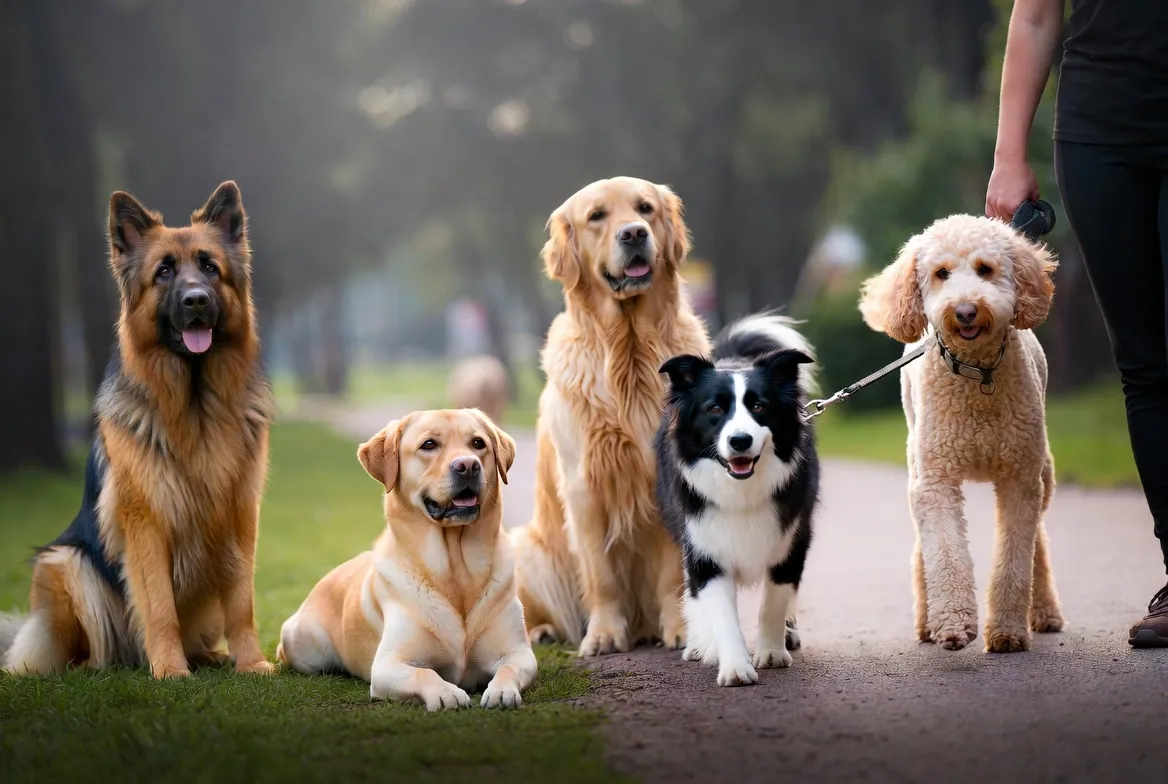
10 Basic Dog Commands Every Dog Should Know Guide
Getting a new furry friend is truly magical. That first wagging tail and curious eyes start a beautiful friendship. It’s filled with joy.

But, a lasting bond needs more than love and treats. It needs a shared language. This makes your pet feel secure and understood.
Learning the 10 Basic Dog Commands Every Dog Should Know is key. These skills give your pet the structure they need. They also keep them safe on your adventures.
By spending time on these lessons, you do more than teach tricks. You strengthen your connection. This ensures a happy, well-adjusted life for your loyal friend. Let’s start this journey of education and trust today.
The Foundation of Successful Dog Training
Starting a dog’s education needs a strong foundation. Knowing how your pet learns makes teaching dog training commands easier. This builds trust and clear communication between you and your dog.
Understanding Positive Reinforcement
Positive reinforcement is key in modern pet training. It rewards good behavior instead of punishing bad ones. When your dog does something right, a reward makes them more likely to do it again.
- Use high-value treats for motivation.
- Offer verbal praise to build confidence.
- Provide physical affection as a reward.
- Keep sessions short to maintain interest.
Creating a Consistent Training Environment
Dogs do best when they know what to expect. A consistent environment helps them learn dog training commands better. Practice in quiet places before moving to busier areas.
Being consistent with your cues is also important. Changing signals or words often confuses your dog. Consistency is the bridge to understanding.
The Importance of Patience and Timing
Patience is crucial in training. Remember, every dog learns at their own pace. If you get frustrated, stop and try again later.
Timing is also key when teaching dog training commands. Reward your dog right after they do something right. Precision in your timing helps your dog know what they did right.
Mastering the Sit Command
The sit command is the base for all other obedience skills. It helps manage your pet’s energy in different situations. It’s often the first dog training command that owners learn with their pets.
Step-by-Step Luring Techniques
Luring is a gentle way to teach your dog to sit. You’ll need small, tasty treats to keep them interested. Consistency is key to getting it right.
- Hold a treat close to your dog’s nose to capture their full attention.
- Slowly move your hand upward and back toward their tail, causing their head to follow the treat.
- As their head goes up, their bottom will naturally lower toward the floor.
- Once they are in a sitting position, immediately reward them with the treat and plenty of praise.
When to Introduce Verbal Cues
Many owners add a word too soon. Wait until your dog follows your hand motion before adding a word. This helps them link the word “sit” to the action they’ve learned.
When your dog does the motion well, say “sit” just before you lure them. As they get better, use the word alone. Learning these dog training commands takes time, but it’s worth it for a better bond with your pet.
Teaching Your Dog to Stay
Teaching your dog to stay is crucial for their safety. It keeps them from running into danger. It’s one of the essential dog obedience commands they need to learn.
Building Duration and Distance
Begin by having your dog sit or lie down in a quiet room. Use a clear hand signal, like an open palm, and say “stay” firmly but nicely. Start with short times before giving a treat.
As they get better, increase the time they stay before giving a release signal like “okay” or “free.” When they can stay for ten seconds, start taking small steps back. Consistency is the secret ingredient for these essential dog obedience commands.
Common Mistakes to Avoid During Stay
Don’t increase distance or time too fast. Moving away too soon can confuse your dog. Keep training sessions short and end them positively to keep your dog excited.
Another mistake is not using a consistent release word. If you don’t clearly signal when it’s over, your dog might get frustrated. Remember, patience is key when teaching these essential dog obedience commands.
Perfecting the Down Command
The down command is key among essential dog obedience commands for pet owners. It helps high-energy dogs calm down in busy places. Teaching your dog to lie down on command helps them relax their body and mind.

Using Hand Signals for Clarity
Dogs get visual cues faster than words. A consistent hand signal helps them understand what you want. Clear communication makes training sessions happy.
To begin, hold a treat in your closed hand near your dog’s nose. Move your hand down toward the floor and then pull it away. This motion helps your dog lie down following the treat.
Transitioning from Sit to Down
When your dog gets the basic motion, start the sit-to-down transition. This builds on their skills, making learning fun.
- Start with your dog in a steady sit position.
- Guide their nose toward the floor with a treat to encourage a downward stretch.
- Reward immediately the moment their elbows touch the ground to reinforce the behavior.
- Keep your training sessions short to ensure your dog stays focused and motivated.
Remember, patience is key when practicing these essential dog obedience commands. If your dog struggles, go back to the previous step and encourage them. With consistent practice, your dog will master the down command with ease and confidence.
The Essential Come Command
Teaching your dog to come when called is a key popular dog training cue for pet owners. It’s more than a trick; it’s a safety tool for outdoor adventures. When your dog comes right away, you feel safer anywhere.
Building a Reliable Recall
Start in a quiet place with no distractions. Use a treat or favorite toy to reward them when they reach you. Consistency is the secret ingredient to success, so always use the same cue.
As your dog gets more confident, increase the distance. If they ignore you, don’t repeat the command. Move away to make them chase you, which triggers their instinct to follow.
Safety Tips for Off-Leash Training
Off-leash training needs careful planning for your pet’s safety in public. Even if your dog knows many popular dog training cues, safety comes first. Here are key tips for your next outing:
- Always start in a fenced area to prevent your dog from running away.
- Use a long training lead to maintain control while giving your dog freedom.
- Never punish your dog when they return to you, even if they were slow.
- Practice in various locations to ensure the command works everywhere, not just at home.
- Keep your training sessions short and fun to maintain your dog’s enthusiasm.
By following these steps, you build a bond of trust and clear communication. Remember, a reliable recall is a lifelong process that needs regular practice. Stay patient, and your dog will soon master this life-saving skill.
Training the Heel Command
Learning the heel command makes walks a special time for you and your dog. It turns walks into a calm, enjoyable time together. This skill is a top popular dog training cue for a happier life.
Walking Without Pulling on the Leash
Stop moving right away if your dog pulls. This makes them learn that pulling stops them from moving. When the leash is loose, give a treat or praise before walking again.
Try changing directions when your dog pulls. This keeps them on their toes and focused on you. Consistency is key to teach them to stay close.
Maintaining Focus During Walks
Dogs get distracted by squirrels and cars. Carry treats to reward them for staying with you. Eye contact is a popular dog training cue to practice outside.
Start in quiet places and then move to busier areas. This helps your dog learn to ignore distractions. Patience will pay off as they learn to follow you.
Teaching the Leave It Command
“Leave It” is a key command for keeping your dog safe from harmful things. It helps them ignore toxic plants, trash, or sharp objects. This command is a safety net for your pet.
Teaching this command helps you talk clearly with your dog. It shows you care about their safety. It’s important to practice it often to build trust.
Preventing Resource Guarding
Resource guarding happens when dogs fear losing something valuable. Teaching “Leave It” shows them ignoring something means they get a better reward from you.
This method reduces aggressive behavior over toys or food. Your dog learns to trust you for treats and praise instead of protecting things.
Managing Temptations in Public Spaces
Public places have many distractions for dogs. The “Leave It” command helps your dog stay focused in busy areas.
Begin in quiet spots and then move to busier areas. Always have treats ready to reward your dog for looking at you, not the object. This helps them control impulses and makes walks safer.
Mastering the Drop It Command
Learning the drop it command can stop your dog from eating harmful things at home. It’s a key command for keeping your pet safe. Teaching your dog to drop items on command helps you control what they chew.

Exchanging Items for Rewards
Teaching this trick works best with the trade method. Hold a high-value treat or a favorite toy when your dog has something. This should be more appealing than what they’re holding.
When they drop the item for the treat, say “good job!” loudly. This positive feedback shows them letting go is good. They’ll want to do it again for treats.
Why Drop It Differs from Leave It
Many people mix up these two commands. But they mean different things. The leave it command keeps your dog away from certain items.
The drop it command, on the other hand, makes your dog let go of something they’re already holding. Knowing this difference is crucial. It helps you handle dangers quickly and safely.
Teaching the Place Command
Imagine having a special spot for your pet to relax when things get busy. This skill is very helpful because it sets a clear boundary. It tells your pet where to go when it’s hectic.
Establishing a Safe Zone
First, pick a comfy mat or bed for your pet’s personal sanctuary. Put it in a quiet spot where they can watch without feeling stressed. You want them to love this place from the start.
Here’s how to start strong with this command:
- Lead your dog to the mat with a tasty treat.
- Give them a treat right away when all four paws are on.
- Use a consistent word like “Place” or “Bed” as they step on.
- Start with short times to make sure they feel safe and secure.
Encouraging Calm Behavior Indoors
The “place” command helps manage indoor energy. It keeps your dog calm when guests come or you’re cooking dinner. It shows them that relaxation is good and gets them praise.
Being consistent is key when teaching these basic commands for dogs. If your dog leaves the mat, guide them back calmly. Soon, they’ll learn staying put is the best way to get your attention and treats.
The Off Command for Boundaries
The “off” cue is a key basic command for dogs. It sets clear physical limits. This helps your pet know where they can be and how to act around people. It makes your home a calmer place for everyone.

Stopping Unwanted Jumping
Jumping is natural for many pets. But it can be too much for guests or kids. Stay calm and don’t give them attention when they jump. This can make them jump more.
Use a firm “off” command and guide them to stand on all fours. Consistency is key in teaching these basic commands for dogs. Give them a treat right away when they stand on all fours. This shows them that’s how to get your love.
Protecting Furniture and Personal Space
Your furniture and space need respect. The “off” command helps with this. If your dog jumps on the couch or bed, tell them to get off calmly.
Don’t use force. It can scare or confuse them. By following this rule, you keep your home in good shape. It also teaches your dog where to rest. Using these basic commands for dogs keeps your home tidy and comfy for you and your pet.
The 10 Basic Dog Commands Every Dog Should Know for Safety
The 10 basic dog commands every dog should know are key for safety. They help your pet stay safe in the world. These skills keep your dog calm and focused, even when things get tough.
Why These Commands Save Lives
These commands are like a special language for you and your dog. They help prevent dangerous encounters by teaching your dog to stop, sit, and come back. A simple “stay” or “leave it” can save your dog from harm.
Think of these commands as your dog’s safety gear. They help you control your pet in public, near roads, or with other animals. Learning these commands means a lifetime of safety and peace for your dog.
Consistency as the Key to Success
Getting your dog to listen takes time and effort. Consistency is the ultimate secret to making sure they listen every time. If you’re not consistent, your dog gets confused and learns slowly.
Stick to your training plan to make these commands a habit. Be clear and consistent with your commands and rewards. This way, your dog will learn these commands easily and quickly.
Conclusion
Learning these basic dog training tips is a journey. It makes your bond with your dog stronger. Every training session builds trust between you and your pet.
This process does more than just train your dog. It creates a safe way for your dog to communicate in any place. With regular practice, these skills become second nature for your dog.
Your dog will be a joy to be around when they master these skills. Focus on the small wins each day. These small victories add up to big success for both of you.
Keep training sessions short and fun to keep your dog engaged. If you need help, look for local trainers or use resources from Purina or Petco. Your hard work today will lead to a happy, confident dog for years to come.


