
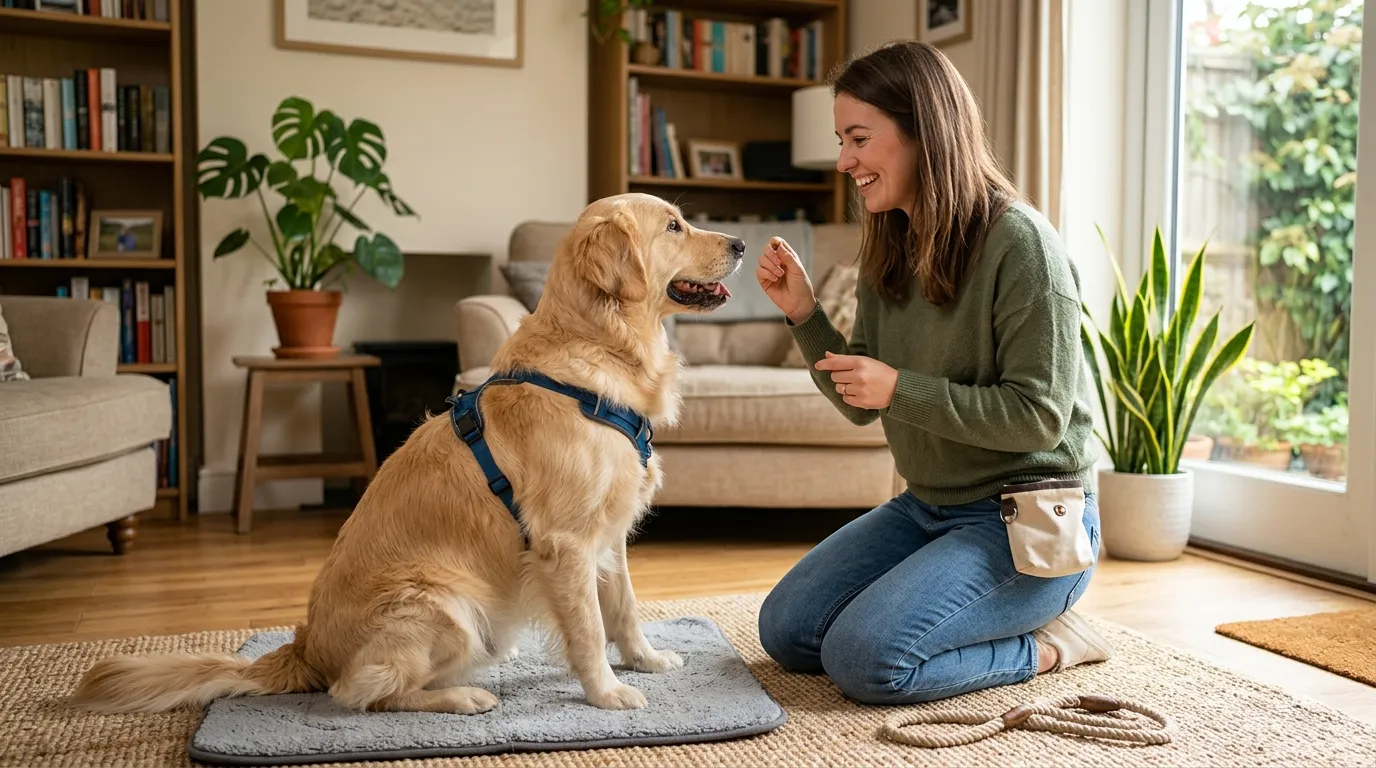
Can You Actually Train Your Dog at Home? Find Out How
Do you ever look into those soulful eyes and wonder if there is a deeper way to communicate? Many pet parents feel a sense of frustration when their furry friend struggles with basic manners. It is easy to assume that professional facilities are the only path to success, but that is simply not true.
The truth is, you possess the power to transform your pet’s behavior right where you live. Many people ask, ” Can you actually train your dog at home? The answer is a resounding yes, provided you bring patience and a positive mindset to every session.

Learning to train your dog in your home creates a unique environment built on trust and mutual respect. This process does more than just teach commands; it strengthens the invisible thread connecting two hearts. By following a structured roadmap, you will discover that these lessons become the highlight of your daily routine. Let us embark on this rewarding journey together to unlock your companion’s full potential.
Can You Actually Train Your Dog at Home?
Starting a dog training at home journey is rewarding for pet parents. Many find that the best lessons happen at home. This reduces stress for both you and your dog.
The Benefits of DIY Dog Training
Choosing diy dog training lets you tailor each session to your life. It builds trust and communication with your dog. When you teach, your dog learns to rely on you, strengthening your bond.
This method is also cheaper than group classes. You can practice in short, frequent sessions. This consistency is key to success in training.
Setting Realistic Expectations for Your Pet
Every dog learns at their own pace. Breed, age, and personality affect how fast they learn. Some dogs learn quickly, while others need more time.
When doing diy dog training, have a clear plan and patience. Don’t compare yourself to others. Your goal is to make your dog happy and well-adjusted. Keeping expectations realistic makes training positive for all.
Essential Preparation for Home Dog Training
Success in training your dog starts long before you give the first command. Proper preparation makes your sessions productive and free from distractions. Organizing your space and tools helps you achieve better behavior.
Creating the Right Environment
Your training area should be quiet for your pet to focus on you. Remove distractions like loud TVs, active kids, or other pets. A calm space helps your dog know it’s time to work, not play.
Effective home-based dog training methods make the environment a teacher. Keep the area clean and clutter-free to prevent distractions. Consistency is key to keeping your pet engaged.
Gathering Necessary Supplies and Rewards
Having the right gear ready prevents frustration. You don’t want to stop mid-session to find a missing clicker or treats. Being prepared helps you keep the lesson flowing and reward good behavior right away.
Choosing High-Value Treats
Motivation drives progress. High-value treats are small, smelly, and tasty rewards. They are essential for capturing attention when teaching new skills.
- Small pieces of boiled chicken or turkey.
- Soft, smelly training bites from a pet store.
- Tiny cubes of low-fat cheese.
- Freeze-dried liver pieces.
Selecting the Right Leash and Clicker
The right equipment makes training easier. A standard six-foot leash is best for indoor work. It provides control without being bulky. A clicker is a precise marker for good behavior.
Using a clicker helps link behavior to reward. Always keep your tools within reach for quick rewards. With these items ready, you’re set to start training your dog with confidence.
Core Training Techniques for Every Dog
Training your dog at home is rewarding. It starts with clear communication. By focusing on basic skills, you create a common language. This helps your pet understand what you expect.
Establishing Basic Commands
Learning simple commands is the first step. These skills are the foundation for more complex behaviors later.
Teaching the Sit Command
The sit command is easy for dogs to learn. Hold a treat near their nose and move it up. This makes their bottom lower naturally. When they sit, give them the treat and praise them.
Mastering the Stay Command
Stay is about patience and small steps. Start by asking your dog to sit. Then, hold your hand out and take a step back. If they stay, reward them and praise them.
Perfecting the Recall
A reliable recall is crucial. Always use a happy tone and reward your dog when they come to you. Never punish them for coming, even if it takes time.
Implementing Positive Reinforcement Methods
Good training techniques for dogs at home use rewards, not punishment. This builds trust and encourages good behavior.
- Use high-value treats for hard tasks.
- Keep training fun and short.
- Always end on a positive note.
- Focus on progress, not perfection.
Consistency and Timing in Your Training Sessions
Consistency is key to success. Use the same cues and signals every time. This makes your dog trust you more.
Timing is also crucial. Reward your dog right after they do something right. This helps them understand what they did well. With consistent practice, your dog will become more confident and responsive every day.
Troubleshooting Common Behavioral Challenges
Every pet owner faces behavioral hurdles. Even well-trained dogs test boundaries or struggle with new rules. Using home dog training tips helps you stay calm and guide your pet to better habits.
Addressing Excessive Barking
Excessive barking means your dog might be bored or anxious. They bark to get attention or show frustration. Providing consistent mental stimulation with puzzle toys or scent games can help.
Managing Leash Pulling During Walks
Walking should be fun for you and your dog. If your dog pulls on the leash, it’s time to update your training techniques for dogs at home. Stop immediately when the leash tightens. Wait for your dog to look at you before moving.
Being consistent is key during walks. Reward your dog for walking beside you. This teaches them a loose leash means more fun. Patience is vital when teaching your dog to walk at your pace.
Handling Potty Training Setbacks
Accidents happen, even when your dog seems to know the rules. Don’t get discouraged. Re-establishing a strict schedule for potty breaks helps your pet quickly get back on track.
These home dog training tips support your long-term goals. By staying calm and using training techniques for dogs at home, you strengthen your bond. Your dedication will pay off as your dog becomes more confident and easy to handle.
Conclusion
Learning to talk to your dog changes your life. You now know how to make your pet feel safe and understood.
Being dedicated to dog training at home is key. Your patience builds trust, making your bond stronger every day.
You can change your dog’s behavior with practice and positive feedback. Training at home lets you work at your own pace.
Enjoy the small wins as your dog becomes more confident. These moments show the value of your effort.
Share your dog’s journey with others. Your story could inspire others to have a well-behaved and happy dog.


