
Common Mistakes That Maltese Owners Often Make And How To Fix Them
Getting a tiny, snow-white friend is truly magical. These dogs are playful and loyal. But taking care of them can be tough.
Even the most caring people can make common mistakes that Maltese owners make. Knowing these mistakes early helps you bond with your pet.

Small mistakes can hurt your pet’s health and mood. Changing how you care for them keeps them happy and healthy for years.
This guide is your comprehensive roadmap to success. We’ll show you how to create a happy home for your pet. Let’s start this journey to give your pet the best life.
Understanding the Unique Needs of Your Maltese
Looking beyond their white coat, you’ll find a spirited and affectionate nature in your Maltese. They are not just beautiful; they are lively and loving. Learning about these traits can deepen your bond with them.
Recognizing the breed temperament
The Maltese is more than a quiet lap dog. They are incredibly intelligent and need mental challenges all day. They love to be close to family, following them everywhere.
They don’t like being alone for a long time. Their minds need puzzles, games, and play to stay happy. Without these, they might act out due to boredom.
Why do Maltese require specialized attention
Many think Maltese are fragile and don’t need exercise. But they are active and need daily activity to stay healthy. Treating them as mere decorations is a big mistake.
By recognizing their need for activity, you can prevent common Maltese dog care mistakes. Special care means respecting their size while encouraging bravery and curiosity. Treating them as intelligent partners brings out the best in them.
Addressing common mistakes Maltese owners make
Many new owners think a small dog needs less help than a big one. This belief often leads to common mistakes that Maltese owners make early on. Treating your pet like a fragile thing instead of a smart learner can hold them back.
The danger of underestimating their intelligence
Maltese dogs are very smart and curious. They need lots of mental play to stay happy. Without it, they might get bored and act out, like chewing on furniture.
Give them puzzle toys and learning time to keep their minds sharp. A bored dog is not a happy dog. You must challenge their brain to keep them calm and well-adjusted.
Avoiding the “small dog syndrome” trap
It’s easy to overlook bad habits in small dogs. This is called “small dog syndrome.” Ignoring aggression or barking can make these problems worse. If you don’t fix them early, they can be hard to change later.
Consistency is the key to avoiding these problems. Treat your Maltese like any other dog, with clear rules. This builds respect and prevents frustration.
Mastering the art of grooming and hygiene
The long, flowing hair of a Maltese is beautiful. But it needs a lot of care from its owner. If you ignore these needs, you might face maltese grooming mishaps. These can make your pet uncomfortable. By being proactive, you keep your dog healthy and stylish.
Preventing tear staining through daily care
Tear staining is a big worry for many owners. But it’s often easy to stop. These dark marks happen when moisture stays on the fur around the eyes too long. To avoid this, gently wipe the area with a soft, damp cloth every day.
Keeping the eye area clean and dry stops bacteria from growing. If your dog tears a lot, see a vet to check for health problems. Daily care is key to a bright, clear face for your dog.
Establishing a consistent brushing routine
Brushing regularly is crucial to avoid painful matting in their silky hair. Many Maltese dog care mistakes come from not grooming often enough. Brush your dog at least every other day to keep their coat free of tangles.
- Start by gently brushing the ends of the hair to remove small knots.
- Work your way up toward the skin to ensure no mats are hiding underneath.
- Use a detangling spray if the hair is dry or static.
- Always reward your dog with a treat to make the experience positive.
Choosing the right tools for silky coats
Using the right tools is key to successful grooming. A high-quality slicker brush is great for removing loose hair and preventing tangles. Then, use a metal comb to get to the roots and make the coat smooth.
Investing in professional-grade tools saves time and keeps your dog comfortable. Stay away from plastic brushes that can hurt the delicate hair. With the right tools, you can keep that silky look and make your pet happy.
Correcting training and socialization errors
Creating a well-behaved pet starts with knowing how your Maltese learns. Many owners make maltese dog training errors by being too harsh. Instead, use clear communication and patience for better results.
Implementing positive reinforcement techniques
Maltese dogs do best when they feel encouraged, not pushed. Use small treats, praise, or favorite toys to reward good behavior. This builds trust and makes learning fun for both of you.
Being consistent is key when teaching new commands. Rewarding the actions you want to see helps avoid maltese behavior problems. Keep training sessions short and fun to keep your dog’s attention.
The importance of early socialization
Introducing your puppy to various sights, sounds, and people is crucial. Early socialization makes your Maltese confident and secure in new places. Without it, they might become fearful or reactive.
Take your dog on quiet walks or invite calm friends over. These small interactions teach your pet that the world is safe and interesting. A well-socialized dog is less likely to develop anxiety later.
Overcoming separation anxiety in Maltese
Many owners struggle with pets that can’t be left alone. To tackle these maltese behavior problems, start with short absences. Gradually increase the time you’re away, ensuring your dog stays calm.
Give your pet a safe space, like a cozy crate or a room with toys. Avoid dramatic goodbyes and hellos. This teaches your dog that your leaving is normal and stress-free. Fixing these maltese dog training errors early leads to a happier, more independent pet.
Avoiding nutritional and dietary blunders
Small dogs like the Maltese need special food. Giving them the right food is key for their health and happiness. By avoiding these maltese dog health blunders, you can help your dog live a happy life.
Identifying appropriate portion sizes
Even a little extra food can make a big difference for small dogs. Owners often find it hard to know how much food is right. Consistency is key when feeding to keep your dog at a good weight.
Always talk to your vet to find out how many calories your dog needs. Use a digital kitchen scale instead of measuring cups. This helps avoid overfeeding your dog.
Selecting high-quality ingredients for sensitive stomachs
Maltese dogs have sensitive stomachs and skin. A diet with high-quality proteins and few fillers is best. Choose brands with whole ingredients, not artificial stuff.
If your dog often gets upset stomachs, try a limited-ingredient diet. These diets are less likely to cause allergies and keep your dog’s coat healthy. Investing in premium nutrition can save you money on vet bills later.
Managing treats to prevent obesity
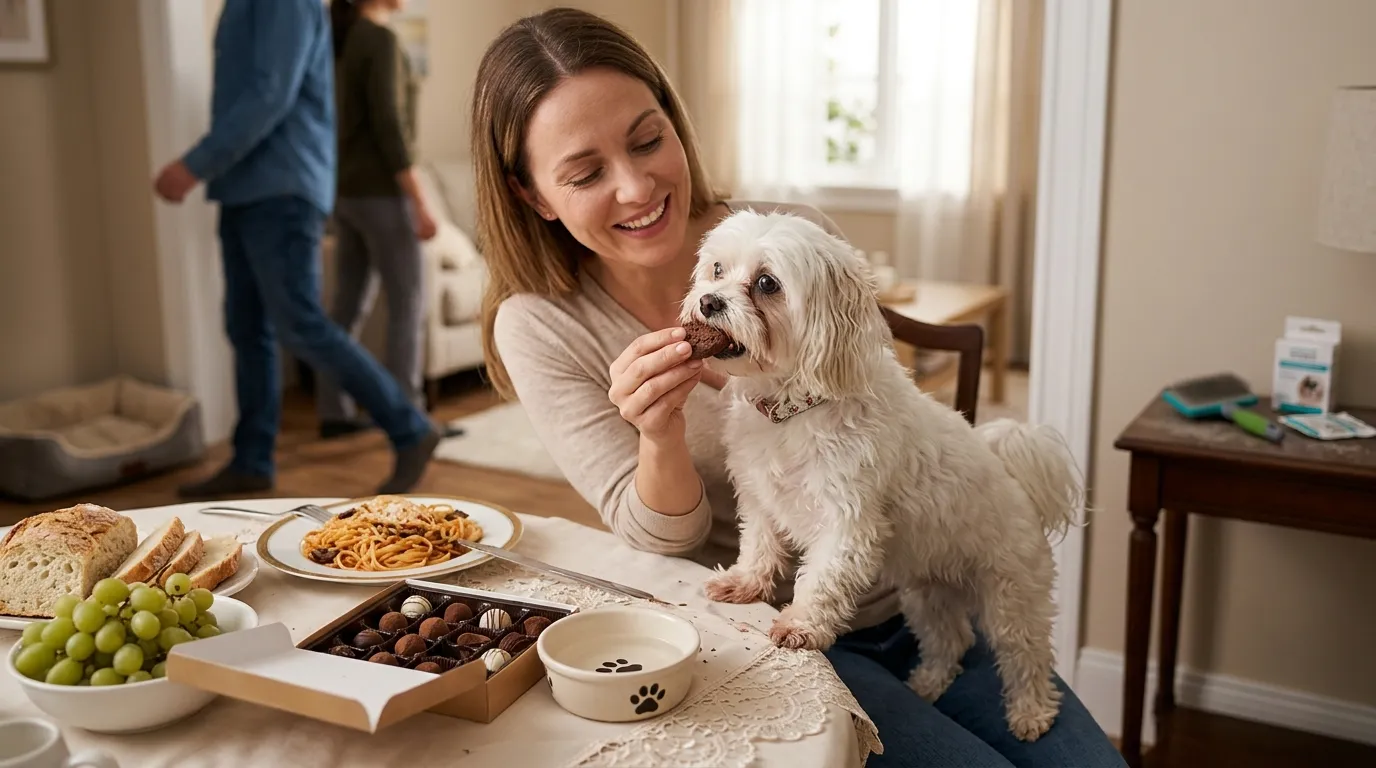
Treats are great for training, but don’t replace meals. It’s easy to overfeed your dog with snacks. To avoid maltese dog health blunders, limit treats to 10% of their daily calories.
Use healthy snacks like fresh veggies or blueberries instead of store-bought treats. Watching these extra calories helps keep your pet from getting too fat. Healthy habits today mean a happier tomorrow for your dog.
Preventing health and physical care oversights
Many owners miss small health signs until they turn big problems. Small breeds need special care. You must stay vigilant to keep your pet healthy. Being proactive helps avoid common health issues that can harm your pet’s quality of life.
Monitoring dental health regularly
Maltese dogs easily get periodontal disease because of their small mouths and tight teeth. You should brush your dog’s teeth daily with safe toothpaste to stop plaque. Bad breath or red, swollen gums mean it’s time to see the vet.
Recognizing signs of a luxating patella
This condition happens when the kneecap slips out of place. You might see your dog skipping or hopping on one leg. Early intervention is key to managing this and keeping your pet comfortable.
Scheduling routine veterinary checkups
Regular vet visits are the best way to catch problems early. By doing this, you can stop serious health issues. Consistent care keeps your pet happy, healthy, and active for years.
Improving handling and daily lifestyle habits
Proper handling is key for a happy, secure life for your small dog. They need a gentle touch and awareness of their surroundings. Building trust through careful interactions makes them feel confident and safe.
Ensuring safe play with larger pets
When your Maltese plays with bigger animals, size differences can be risky. Even friendly play can cause injuries if a bigger dog gets too rough. Always supervise these interactions to keep play safe and controlled.
If your Maltese seems overwhelmed or wants to retreat, step in right away. Short, focused play sessions without rough contact are best. A safe zone for your small dog is crucial for harmony with larger pets.
Creating a secure environment for a small dog
Your home should be a safe haven, but dangers can lurk. Owners often miss small gaps or items that can harm their dogs. Puppy-proofing your home is vital to prevent accidents.
Look for small objects on the floor that could be swallowed. Make sure electrical cords are out of reach. By avoiding common mistakes, you create a worry-free space for your dog to explore and relax.
Balancing exercise with necessary rest
These dogs are energetic but can get tired easily. Consistent, moderate exercise keeps them fit without straining their joints. Short, frequent walks are better than one long walk.
Watch for signs of tiredness, like heavy panting or wanting to rest. A quiet, comfy spot for naps after play is as important as the play itself. Balance is the secret to a long, healthy life for your pet.
Conclusion
For your Maltese to live its best life, you must deeply care for its needs. Small changes in your daily life can make a big difference in your pet’s happiness.
Being consistent is key. Regular grooming, balanced meals, and playtime build trust. These habits help avoid health and behavior problems.
Your hard work turns caring for a pet into a rewarding partnership. A happy Maltese feels safe and understood by its family. Always watch for changes in your dog’s mood or health.
Share your Maltese stories with others to get new ideas. Join local clubs or online groups to learn about the latest care tips. Your journey with this beautiful breed is a never-ending learning adventure.


