
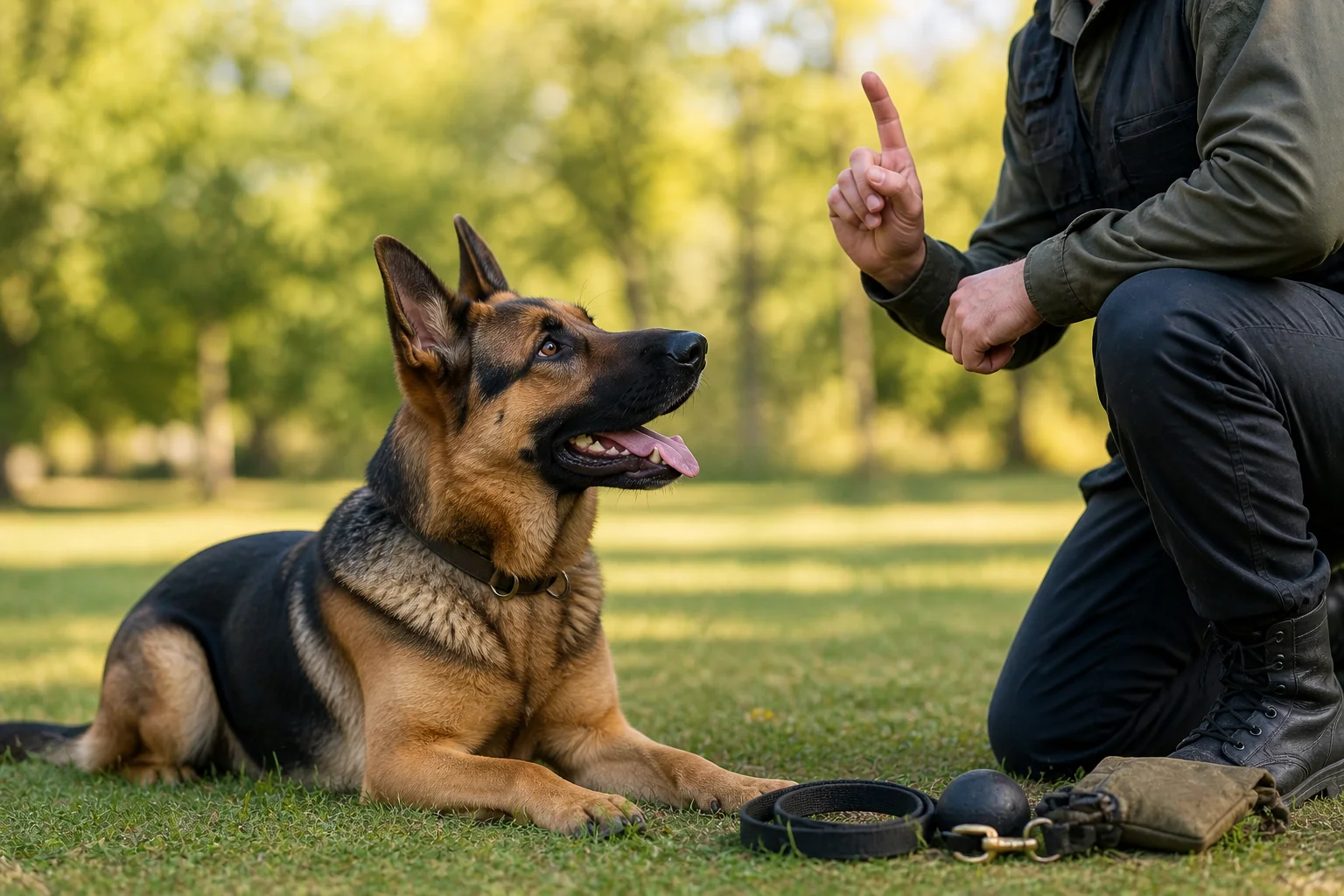
7 German Shepherd Training Secrets Every Owner Should Know
Bringing a new puppy home is a life-changing experience. You feel excited and nervous as you look into their loyal eyes. Building a strong bond with your dog starts before you learn complex commands.
Knowing your dog’s unique personality is key to success. Learning to communicate well turns daily challenges into rewarding milestones. These 7 German Shepherd training secrets will help you raise a confident and happy dog.

Being consistent and patient is crucial on your journey. Every moment is a chance to build trust and respect. Your calm guidance makes your dog feel safe anywhere. Let’s see how these simple methods can make your dog a well-behaved friend for life.
Understanding the German Shepherd Mindset
Understanding German Shepherds starts with knowing their history as working dogs. When you match your training with their natural traits, you find what works best. Instead of fighting their instincts, successful owners use that energy for good.
The Working Dog Heritage
German Shepherds were bred for herding and guarding. They need lots of energy and focus. Without a job, they might get restless or act out.
Here are key traits from their ancestors:
- High energy levels that need daily exercise.
- A strong protective instinct for their family.
- They always watch their surroundings.
- A need for purposeful activity to be happy.
Intelligence and Eagerness to Please
These dogs are very smart and eager to work with humans. Their intelligence and loyalty make them great in many roles. They excel in police, search-and-rescue, and service work.
When you guide them clearly, they respond well. Using the right German Shepherd training tips taps into their desire to please. Make training fun and rewarding to strengthen your bond and trust.
7 German Shepherd Training Secrets for Success
Getting your dog to excel takes more than luck. Follow these 7 German Shepherd training secrets for a better bond. Being consistent and clear is key to learning.
Starting Training at the Right Age
Many wonder how to train a German Shepherd right. Start basic training as soon as your puppy comes home. Early training stops bad habits before they start.
Puppies soak up new things fast. Teach them simple commands like “sit” or “stay” early. This builds a strong base for their future.
The Importance of Short, Frequent Sessions
A good German Shepherd training program keeps your dog interested. Long lessons can be boring for both you and your dog. Instead, have many short sessions, five to ten minutes each.
Short sessions keep your dog’s energy up and focus sharp. Stopping while they’re still having fun makes them excited for the next session. This keeps training fun and prevents burnout.
Building a Strong Bond Through Play
Training should be fun for your dog. Add play to your routine to strengthen your bond. Use toys or games as rewards for good behavior.
Playing together makes you the most exciting person for your dog. This bond makes them more willing to listen and follow you. A happy dog is always more obedient and attentive.
Establishing Consistent Leadership and Boundaries
Your German Shepherd needs to know what you expect from them. Structure is not about being harsh. It’s about making a safe space for your dog to feel secure. By using German Shepherd training tips, you can make your home a place of respect and calm.
Defining Clear House Rules
Setting boundaries early helps your dog feel confident. When everyone follows the same rules, your pet learns faster. Here are some basic rules to keep things in order:
- No jumping on guests or furniture.
- Wait for a release command before eating meals.
- Stay off the bed unless invited.
- Respect personal space during quiet time.
The Role of Calm Assertiveness
Dogs are very sensitive to human energy and body language. When you train with calm, assertive energy, you show you’re a natural leader. Avoid shouting or showing frustration, as it can make your dog anxious.
Use clear, firm cues to guide your dog. When you’re steady and predictable, your German Shepherd will follow you. This calm authority is key to a healthy relationship.
Why Consistency is Non-Negotiable
Consistency is crucial for long-term success. If you change the rules, your dog gets confused and frustrated. Stick to your rules every time, as professional German Shepherd training advice suggests.
Consistency builds trust and reliability. Your dog will stop testing boundaries because they know what’s expected. Consistency creates a predictable world, which is what a smart dog needs to feel happy and secure.
Mastering Positive Reinforcement Techniques
Learning how to train a German Shepherd starts with rewards. This method encourages good actions, not punishing bad ones. It makes your dog eager to learn.

Using High-Value Rewards Effectively
Find out what really excites your dog. High-value rewards are perfect for teaching new things.
Use these items in your training:
- Small pieces of boiled chicken or turkey.
- Soft, smelly treats that are easy to chew.
- A favorite tug toy for training.
- Small cubes of low-fat cheese.
Timing Your Markers and Clicks
Good communication is crucial. A marker, like a clicker or “Yes,” shows your dog what action got a reward.
Precision is key. Reward right after the marker. This helps your dog learn faster and avoid confusion.
Avoiding Aversive Training Methods
Good training for German Shepherds avoids scaring or hitting. Aversive methods can hurt your bond with your dog.
Focus on what your dog does right. This trust-based philosophy makes your dog feel safe and confident. A happy dog learns better.
Prioritizing Socialization and Environmental Exposure
Your German Shepherd needs to see the world to feel secure in it. Socialization is not just about meeting new friends. It’s a vital part of effective German Shepherd training techniques that builds long-term confidence. By exposing your dog to various sights and sounds early on, you help them develop a stable temperament.
Introducing New People and Pets
When introducing your dog to strangers, always prioritize positive experiences. Let your German Shepherd approach at their own pace. This gentle approach is a cornerstone of successful German Shepherd obedience training.
Keep initial meetings short and controlled to prevent overstimulation. Reward your dog with high-value treats when they remain calm around new people or other pets. This teaches them that meeting someone new is a rewarding event rather than a stressful one.
Navigating Different Environments Safely
Take your dog to a variety of locations, such as quiet parks, busy sidewalks, or pet-friendly stores. Exposing them to different surfaces like gravel, wood, or metal grates helps them become adaptable and brave. Always ensure these outings remain fun and low-pressure for your companion.
If your dog seems hesitant, simply step back and let them observe from a distance. You want them to feel safe while exploring the world around them. Consistent, calm exposure is one of the most effective German Shepherd training techniques for a well-rounded dog.
Preventing Fear-Based Aggression
Many owners worry about the protective nature of this breed turning into unwanted aggression. Proper socialization acts as a preventative measure against fear-based reactions. When a dog is familiar with the world, they are less likely to perceive every new stimulus as a threat.
Integrating these socialization steps into your daily german shepherd obedience training routine creates a dog that is calm and composed in public. A well-socialized German Shepherd is a joy to take anywhere. By investing time now, you ensure your dog grows into a confident and reliable partner.
Implementing Effective Mental Stimulation
A tired German Shepherd is happy. But a mentally stimulated one is brilliant. These dogs are very smart and love to work. They need constant challenges to avoid boredom.
Incorporating mental enrichment into your daily routine is key. It’s a core part of effective German Shepherd behavior training.
Puzzle Toys and Brain Games
Interactive toys keep your dog busy when you can’t watch them. Hiding treats in puzzle feeders makes them think. It’s a great way to keep them occupied.
Games like hide-and-seek or teaching them to find toys by name improve their minds. Consistency is key in these games. It keeps your dog engaged and motivated.
Changing puzzles often keeps things exciting for your pet.
Scent Work and Tracking Basics
German Shepherds have a great sense of smell. Start scent work by hiding a favorite toy or treat. It taps into their natural tracking instincts and makes them happy.
As they get better, make it harder by hiding things in more places or outside. This builds confidence and strengthens your bond. It’s a great way to keep their mind sharp without needing a big field.
The Connection Between Exercise and Focus
Too much energy can make it hard for dogs to listen. They need both physical and mental exercise. This helps them stay calm and focused during training.
A dog that uses their brain is less likely to be destructive. Balancing physical activity with targeted mental challenges makes them stable and happy. This approach keeps your pet healthy and eager to learn.
Addressing Common Behavioral Challenges
Dealing with dog behavior needs patience and smart strategies. Even with a good start, you might face challenges. Using German Shepherd behavior training helps tackle these problems early.
Managing Excessive Barking
Barking is normal, but too much can be a problem. Find out what makes your dog bark a lot. Consistency is key when teaching them to be quiet.
- Acknowledge the bark, then give a “quiet” command.
- Reward your dog right away when they stop barking.
- Give them other ways to release their energy.
- Don’t yell back, as it can make barking worse.
Curbing Nipping and Herding Instincts
German Shepherds might nip or herd because of their past. Use effective german shepherd training techniques to channel their energy into play. Give them toys that let them bite and carry things.
If they herd people, stop them and give them a new task. Positive reinforcement helps by rewarding calm behavior. This teaches them to control their impulses in a good way.
Preventing Separation Anxiety
Some dogs get upset when left alone, leading to bad behavior. Start by leaving for short times and increase it as they stay calm.
Teaching independence is key in German Shepherd behavior training. Make sure they have puzzle toys to keep them busy when you’re away. This helps them feel safe and confident when you’re not there.
Conclusion
Training your German Shepherd is a lifelong journey. It makes your bond with your dog stronger. Every small win builds trust and respect that lasts.
By following these key steps, you can raise a dog that is both well-behaved and loyal. Getting professional advice helps you tackle any challenges that come up.
Patience is your best friend in this journey. Keeping a consistent routine helps your dog understand what’s expected. It also makes them feel safe.
Positive reinforcement makes learning fun for your pet. Using these methods lets your dog reach their full potential.
Don’t hesitate to seek professional advice when you’re stuck. Your hard work makes training a rewarding experience for both of you.
Begin each training session with a clear goal. Watch as your dog becomes confident and well-adjusted in your family.


