
6 Labrador Puppy Training Tips Every Owner Should Know
Bringing a new furry friend home is a moment filled with pure joy and excitement. You dream of long walks and quiet evenings cuddling. But raising a young dog can bring unexpected challenges.










Early intervention can turn chaos into harmony. By providing consistent guidance in the early months, you build trust. These 6 Labrador puppy training tips are key to a happy home.
You’re not just teaching commands; you’re making a confident companion. This guide is friendly and accessible for all owners. Let’s start this rewarding journey to help your dog grow into a wonderful friend.
Understanding the Labrador Temperament
The Labrador Retriever is known for its smartness, loyalty, and boundless enthusiasm for life. These dogs are friendly but have unique traits. Knowing these traits is key to successful Labrador retriever training.
The Importance of Early Socialization
Early socialization is crucial for a puppy’s growth. It introduces them to new sights, sounds, and people. This helps them become confident adults.
By meeting different people and places, your puppy learns to stay calm and curious. Consistent exposure makes them see the world as safe. This builds a friendly nature that lasts.
Setting Realistic Expectations for Your Retriever
Labradors are high-energy and love to please. But they can get distracted easily. Setting realistic expectations makes training fun and effective.
Training your dog behavior is a long-term journey. Your retriever needs lots of exercise and mental challenges. With patience and clear communication, your Labrador will be well-behaved and happy.
6 Labrador Puppy Training Tips
You can turn your energetic Labrador puppy into a well-behaved friend with these tips. These 6 Labrador puppy training tips help build trust and respect. Remember, being consistent is key every day.
Mastering Positive Reinforcement Techniques
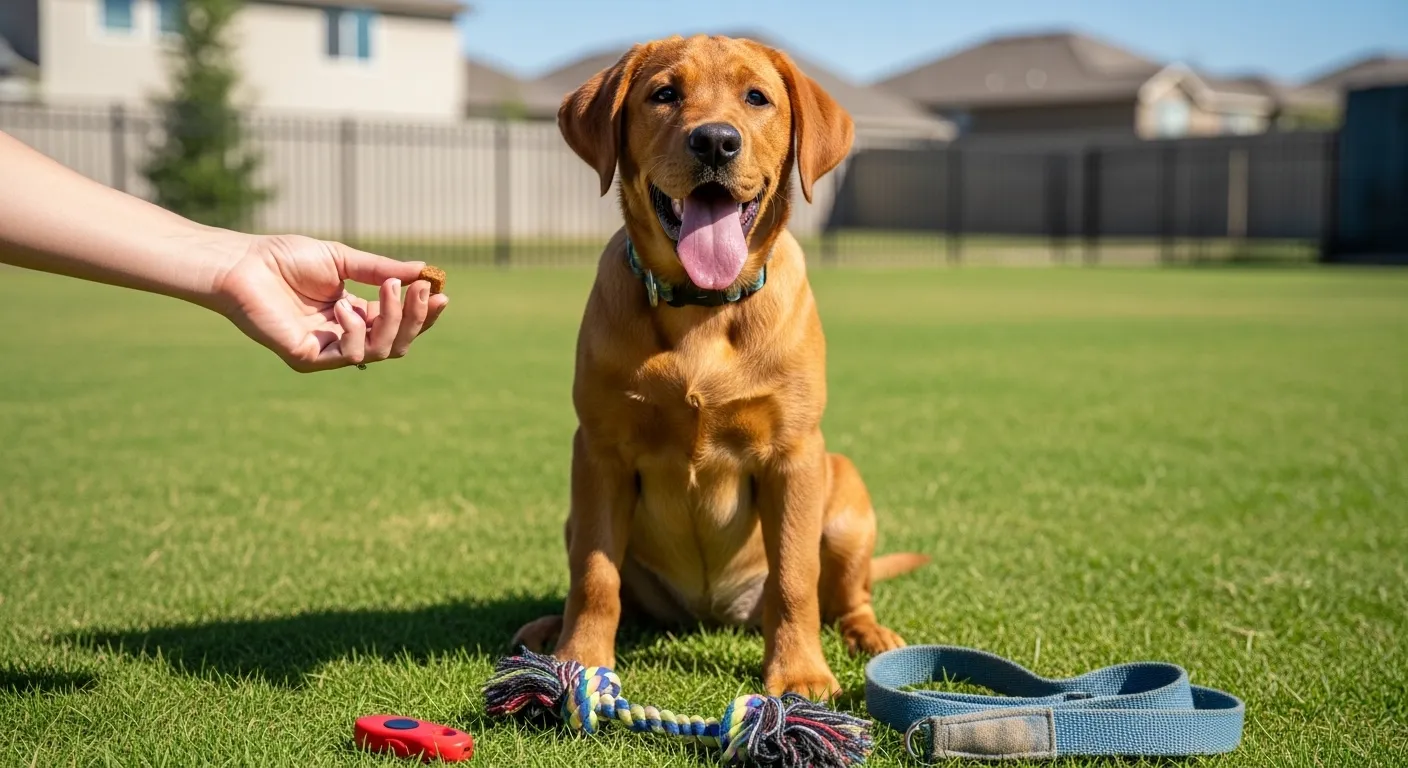
The best way to change your dog’s behavior is through positive reinforcement training. This method rewards good actions, not bad ones. Give a treat or praise when your puppy does something right.
Establishing a Consistent Crate Training Routine
Crate training puppies gives them a safe place. A crate is like a den, which helps them feel calm. Make it cozy with soft blankets and toys.
Implementing Effective Housebreaking Strategies
To housebreak a puppy, you need a strict schedule and patience. Take them out after meals, naps, and play. Consistency is the key for them to learn where to go.
Teaching Basic Obedience Through Play
Mix puppy obedience training with play to make it fun. Use games like fetch to teach commands. This keeps your puppy happy and active.
Developing Loose Leash Walking Skills
Good leash training dogs is vital for safe walks. Start in a quiet place with few distractions. If they pull, stop and wait for them to come back before rewarding them.
Managing Puppy Biting and Mouthiness
Labradors love to chew, so it’s important to manage this. Give them chew toys to redirect their energy. If they bite too hard, calmly say no to show it’s not fun.
Navigating Common Behavioral Challenges
Raising a happy Lab means knowing how to handle unexpected behavior. Even with the best intentions, your puppy might need extra support. Early dog behavior training turns these challenges into learning opportunities.


Addressing Separation Anxiety in Young Labs
Young Labradors often feel uneasy when left alone. Start with very short departures to help them feel secure. Gradually increase the time you spend away to build their confidence.
Provide a safe space, like a comfortable crate or quiet room. Consistency is key in teaching them that being alone is safe. Always give them safe chew toys to keep them occupied while you’re away.
Addressing Excessive Energy and Jumping
Labradors are naturally exuberant, leading to jumping up on people. This is a sign of excitement that needs puppy obedience training. Teach your dog to keep all four paws on the floor for calmer social interactions.
Excessive energy can make walks hard. Use a front-clip harness for better control. Patience is key in teaching your Lab to walk politely by your side.
Redirecting high energy into structured play or mental stimulation helps. Consistent puppy obedience training teaches your Lab to channel their enthusiasm positively. With time, your dog will be well-mannered in any setting.
The Role of Consistency in Long-Term Success
Consistency is key for a successful training journey with your new pet. A stable environment makes your puppy feel safe and learn the day’s routine. This predictability is crucial for labrador retriever training, helping your dog know what’s expected.

Creating a Predictable Daily Schedule
A structured routine guides your puppy’s growth. Keeping meal times, play, and rest the same each day reduces anxiety. This lets your dog focus better during positive reinforcement training without getting distracted.
Think about a daily plan with these important parts:
- Morning exercise: A brisk walk to start the day.
- Structured training: Short, focused sessions after breakfast.
- Nap time: Quiet hours to avoid too much stimulation.
- Evening play: Games to strengthen your bond.
Involving All Family Members in Training
Training is a team effort that needs everyone’s agreement. If rules vary, your dog gets confused. Uniformity in rules is key for lasting success.
To keep everyone consistent, try these tips:
- Use identical commands: Agree on specific words for sit, stay, and come.
- Share the workload: Rotate who handles feeding and walking duties.
- Hold family meetings: Discuss progress and adjust training methods as needed.
- Keep a progress log: Note which behaviors are improving to keep everyone motivated.
When everyone helps, training becomes more efficient. This teamwork reinforces rules, helping your puppy become well-mannered and happy.
Conclusion
Raising a Labrador Retriever needs patience and clear talk. Your effort shapes your dog’s personality for years.
Being consistent is key. A regular schedule makes your pet feel safe. This makes training easier for both of you.
Learning to housebreak a puppy takes time and focus. Each small win builds trust and strengthens your bond. Keep training sessions short and fun.
Your Labrador will become a loyal friend with daily habits. Enjoy watching your puppy grow and learn. A well-trained dog brings happiness to your home.


