
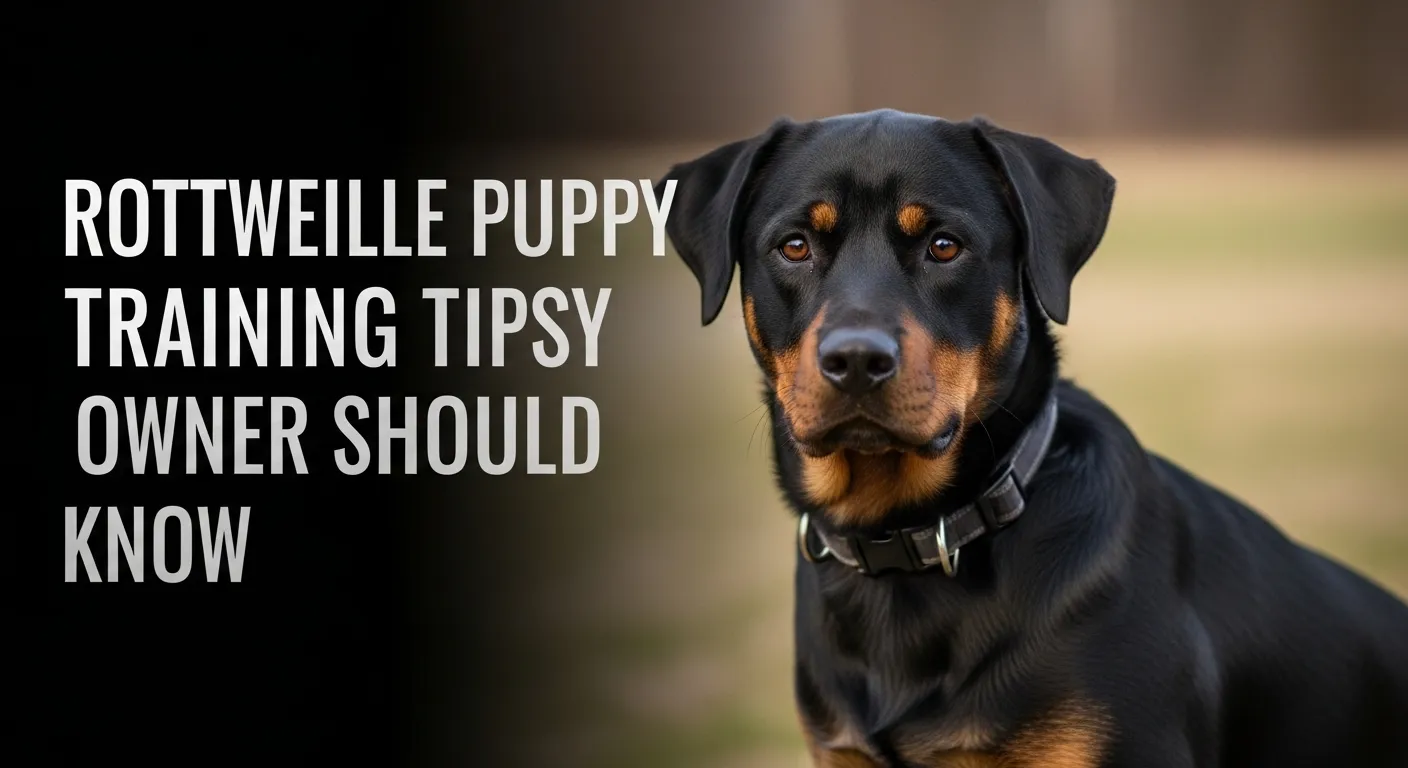
5 Rottweiler puppy training tips every owner should know
Getting a new dog is a big change. It brings joy and excitement. It’s a chance to build a strong bond of mutual respect and love.

Using effective rottweiler training tips early is key. It helps you and your dog understand each other better. Being consistent and patient builds trust that lasts forever. These tips keep your home happy for everyone.
Key Takeaways:
- Start your routine immediately to build confidence.
- Prioritize positive reinforcement to encourage good behavior.
- Consistency is the secret to long-term success.
Understanding the Rottweiler Temperament
To train your puppy well, you need to know what makes a Rottweiler special. They are known for their deep loyalty and natural protective instincts. Knowing these traits helps you use the best rottweiler training techniques.
Rottweilers are smart and love to work. They are more than pets; they are partners. By using their innate drive, training becomes a fun experience for both of you.
Being consistent is key because Rottweilers are quick learners. Using good rottweiler training techniques helps them use their energy well. This builds a strong, lasting bond of respect and trust.
Your puppy looks to you for guidance and structure. Stay calm and confident to lead them. Understanding their temperament makes them happy and secure in your home.
Essential 5 Rottweiler puppy training tips for success
Learning these 5 Rottweiler puppy training tips will help your new friend succeed. Clear communication and respect are key. They build a strong bond and a well-adjusted dog.

Start obedience training early
Puppies soak up a lot in their first months. Start with basic commands like “sit,” “stay,” and “come” right away. Early intervention stops bad habits and makes learning easier later.
Use positive reinforcement techniques
Modern rottweiler training techniques focus on rewarding good behavior. Use treats, praise, and play to encourage your puppy. These methods are the best rottweiler training methods because they build trust, not fear.
Establish clear leadership and boundaries
Rottweilers need to know their place in the family. Be consistent with rules, like where they can sleep or which furniture is off-limits. Firm, fair leadership makes your dog feel safe and confident.
Prioritize consistent daily practice
Short, regular training sessions work better than long ones. Aim for three to five sessions a day, each lasting five to ten minutes. This keeps your puppy focused and prevents boredom.
Focus on impulse control exercises
Teach your dog to wait for food or sit before going through doors. These rottweiler obedience training tips help manage excitement. Self-control is crucial for your dog’s whole life.
Socialization strategies for a confident dog
Proper socialization is key for a calm and friendly Rottweiler. Introduce your puppy to new things early. This helps them become a stable and confident companion. These rottweiler training strategies aim to make the world a positive place for them.
Good socialization needs a plan to keep your puppy safe. You should show them different sights, sounds, and textures in a safe way. Here are some important tips for socializing your puppy:
- Introduce your puppy to different types of people, including children and individuals wearing hats or glasses.
- Expose them to various household noises like vacuum cleaners, doorbells, and kitchen appliances.
- Visit different environments such as quiet parks, busy sidewalks, and pet-friendly stores.
- Ensure every interaction remains short, positive, and rewarding to build trust.
Expert rottweiler puppy training advice says to watch your dog’s body language. If they seem scared or unsure, give them space. Let them come to you. Never push them to interact, as this can cause fear or anxiety.
By using these rottweiler training strategies, your dog will learn to handle the world better. Gentle and consistent exposure keeps them friendly and open. Always put your dog’s emotional well-being first with good rottweiler puppy training advice.
Managing common behavioral challenges
Rottweiler puppies can test your patience with common issues. Problems like nipping, jumping, or barking are normal. But, they need proactive management to stop them from becoming bad habits.
Understanding why your puppy acts out is key. They might be looking for attention or exploring with their mouth. Knowing the reason helps you fix the problem early.

Using consistent rottweiler training strategies is crucial. Instead of yelling, give them chew toys when they nip. This teaches them what’s okay to chew on.
Teach your puppy to sit before they get attention from guests. This rottweiler puppy behavior training teaches them to be calm. Everyone in the family must follow this rule for it to work.
Remember, these rottweiler training strategies aim for a peaceful home. Stay patient and firm to help your puppy feel confident. Your hard work will pay off with a well-behaved and happy dog.
The importance of consistency and positive reinforcement
Consistency is key for a successful training journey with your dog. Clear, repetitive cues help your puppy understand what you want. This makes them feel secure and less anxious.
Effective rottweiler puppy behavior training means being steady with commands. Changing rules or signals often confuses and frustrates your dog. Staying consistent builds trust between you and your pet.
Experts say the best rottweiler training methods use positive reinforcement right away. Rewarding your puppy for good actions encourages them to do it again. This positive cycle helps your dog learn good habits.
To make training sessions effective, follow these key points:
- Use consistent verbal cues for every command to avoid confusing your puppy.
- Reward good behavior immediately with treats, praise, or play to build strong associations.
- Maintain a predictable daily schedule so your dog knows when to expect training and rest.
- Keep sessions short and fun to ensure your puppy stays engaged and motivated.
Using these best rottweiler training methods helps your dog succeed in the long run. Remember, patience is as important as consistency. With a steady approach, your puppy will become confident and well-behaved.
Health and safety considerations during training
Your Rottweiler’s health is as important as their mind during training. Teach new commands while keeping their long-term health in mind. Use rottweiler obedience training tips that balance learning with rest.
Rottweilers grow fast and are big and strong. Their bones and joints are still growing. So, avoid high-impact exercises like jumping or running on hard floors. These can harm their growing bodies and cause health problems later.
Watch your puppy for signs of tiredness during training. If they seem to lose focus, pant a lot, or get tired, stop. These rottweiler obedience training tips keep your dog happy and not overwhelmed.
To keep your dog safe and healthy, follow these tips:
- Keep training sessions short, ideally lasting no more than 10 to 15 minutes.
- Provide plenty of fresh water before and after every session.
- Choose soft surfaces like grass or carpet for physical exercises.
- Monitor your puppy for any signs of discomfort or limping.
Respecting your dog’s limits makes training positive and builds trust. Gentle and consistent training is key. This way, you help your puppy grow into a healthy and happy adult.
Conclusion
Raising a Rottweiler is a rewarding journey. It turns a curious puppy into a steadfast protector and loyal family member. Your commitment to structure and patience creates a foundation for a lifetime of mutual respect.
Applying these effective rottweiler training tips daily helps your dog navigate the world with confidence. You provide the guidance needed for your pet to thrive in any environment. Consistency remains the bridge between potential and excellence.
Seek out high-quality resources like the American Kennel Club for ongoing support as your dog matures. Implementing this expert rottweiler puppy training advice ensures your companion stays well-adjusted and happy. Your dedication today shapes the calm, well-behaved dog you will enjoy for years to come.
Share your progress with local training groups or online communities to stay motivated. Every small victory in your training routine strengthens the unique connection you share with your dog. Enjoy every moment of this growth process with your canine partner.


