
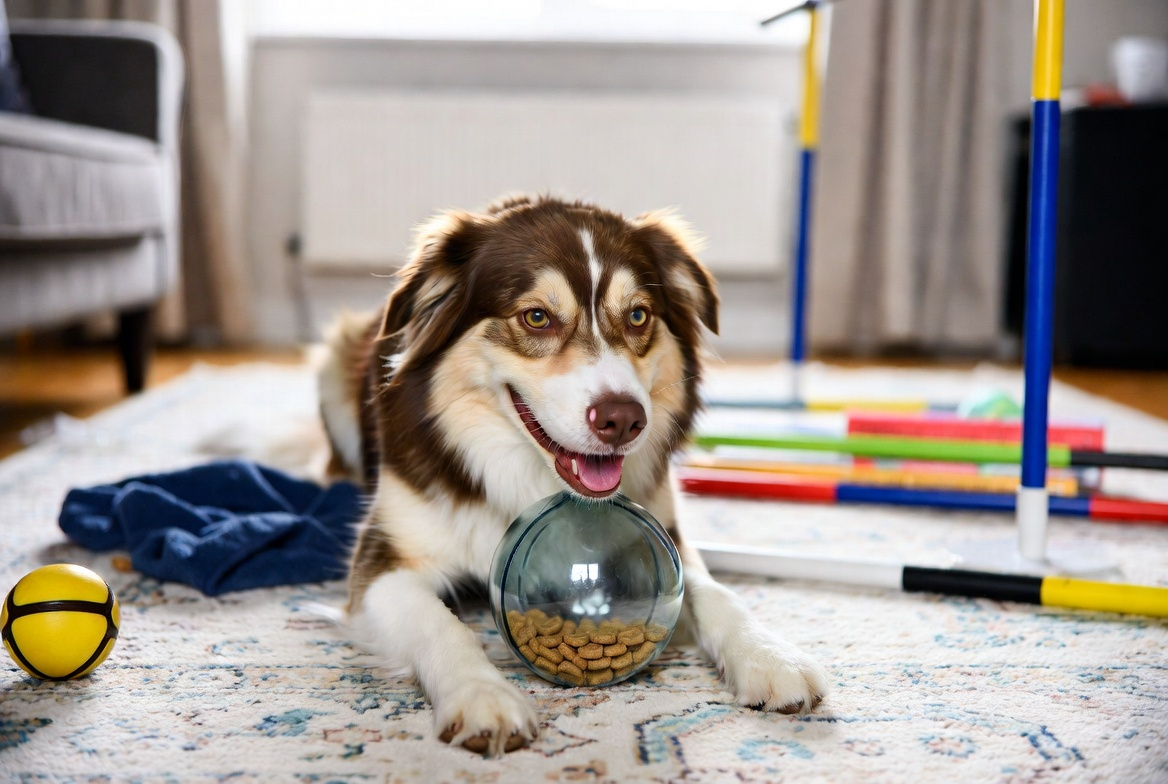
Brain Training for Dogs Simple Methods to Boost Dog Intelligence
Have you ever looked into your pup’s eyes and wondered what they were thinking? We often focus on long walks and physical exercise. Yet, we forget that our furry companions crave mental stimulation just as much as we do. True happiness for a pet comes from a sharp, engaged mind.
Cognitive enrichment is the secret to a well-adjusted pet. By introducing consistent brain training for dogs, you help your companion develop better problem-solving skills and improved focus. It is a beautiful way to turn everyday moments into meaningful lessons.

You do not need complex tools to see a difference in your pet. Simple, daily activities can unlock their full potential while building a deeper bond between you both. Engaging in regular dog intelligence training creates a shared language of trust and success. Start today and watch your best friend thrive in ways you never imagined possible.
Understanding Canine Cognitive Development
Ever wonder what’s going on in your dog’s mind? They may not talk like us, but they’re always watching, learning, and adapting. Brain training for dogs is more than just tricks. It’s unlocking their natural smarts.
The Science Behind Dog Intelligence
Studies show dogs are smart in ways similar to human toddlers. They show great social smarts and solve problems well. Understanding these biological processes helps you connect better with them.
Training your dog builds new brain paths. This is key for their growth and confidence. Seeing your dog as a thinking, feeling being strengthens your bond.
Why Mental Stimulation Matters for Your Pet
Just like exercise, canine mental stimulation is crucial for your dog’s health. Without it, they might get bored and act out. A sharp mind keeps them out of trouble.
Daily mental games offer big benefits for your pet:
- They won’t get into trouble from boredom.
- It keeps their brain healthy and sharp.
- They feel proud of solving problems.
- It makes your bond stronger.
By focusing on brain training for dogs, you keep them happy and engaged. Canine mental stimulation keeps their mind sharp and focused on you.
Essential Tools for Brain Training for Dogs
You can unlock your dog’s full potential with the right tools. The right gear makes brain training for dogs more fun and effective. Being prepared lets you focus on learning without interruptions.
Selecting High-Value Treats for Motivation
Motivation is key for your dog to learn new tricks. Use high-value treats like boiled chicken, cheese, or training bites. These treats should be small to keep training smooth.
Keep different treats ready to see what your pet likes best. Use higher-value treats for tough tasks to keep them focused. This makes pet mental exercises fun and rewarding.
Choosing Interactive Puzzle Toys
Interactive puzzle toys are great for training. They challenge your dog’s mind and provide valuable mental stimulation. You can watch your dog solve problems during play.
Choose durable toys with different levels of difficulty. Start with easy puzzles to build confidence. This helps with consistent brain training for dogs.
Creating a Dedicated Training Space
Having a special area for training helps your dog focus. Pick a quiet spot in your home with few distractions. A consistent environment signals it’s time to work.
Store your training tools, like clickers and treat pouches, in this area. A tidy space supports successful pet mental exercises. Consistency leads to faster progress and a stronger bond.
Establishing a Foundation for Successful Learning
Success in training starts long before you introduce your first puzzle toy. Before diving into advanced games, you must establish a solid foundation. This foundation is based on clear communication and mutual respect. It makes sure your dog obedience training is a positive experience for both you and your pet.
Setting Realistic Expectations for Your Dog
Every dog learns at a different pace. It’s important to recognize your pet’s unique personality. Avoid comparing your progress to others, as patience is your greatest asset during this process.
Focus on small, achievable goals. This keeps your dog motivated and eager to participate. When you set manageable targets, you prevent frustration for both parties.
Remember, cognitive training for dogs is a marathon, not a sprint. Celebrate the tiny victories. These build the confidence needed for more complex tasks later on.
The Importance of Consistency and Patience
Dogs thrive when they understand exactly what is expected of them during every session. Consistency in your cues and rewards helps your dog grasp new concepts much faster. If you change your methods too often, you may inadvertently confuse your companion.
Maintain a calm and steady demeanor, even when progress feels slow. Your dog can sense your energy. A relaxed handler fosters a productive learning environment.
By keeping your routine predictable, you create a safe space. Your dog feels comfortable exploring new challenges.
Reading Your Dog’s Body Language
Learning to interpret your dog’s physical cues is a critical skill for any owner. Watch for subtle signs of fatigue, such as yawning, lip licking, or turning away from the task. These behaviors often indicate that your dog needs a break or is feeling overwhelmed by the current level of dog obedience training.
Always prioritize your dog’s well-being over completing a specific exercise. If you notice signs of stress, stop the session and return to a simpler activity. Understanding these signals ensures that your cognitive training for dogs remains a fun, rewarding, and stress-free bonding experience.
Teaching Basic Commands as Cognitive Exercises
Simple obedience can be a mental workout for your pet. Many owners see commands as just for behavior control. But, they are the base of cognitive training for dogs. These tasks improve your pet’s focus and problem-solving skills.

Mastering the Sit and Stay Commands
“Sit” and “stay” are more than basic manners. They teach intense impulse control, key for mental growth. When your dog waits, they choose to ignore their instincts.
Consistent practice brings many benefits:
- Increased patience in daily routines.
- Better emotional control in exciting places.
- Stronger focus on your cues, ignoring distractions.
- Improved ability to follow complex instructions.
Using Clicker Training for Precision
Dog obedience training gets better with a clicker. This tool gives a clear sound when your dog does something right. It makes it clear what they did to earn a reward.
The clicker’s precision helps your dog learn fast. They quickly link the sound to success. This makes learning a fun game for them.
Transitioning from Commands to Complex Sequences
When your dog knows individual commands, start combining them. This is a natural step in cognitive training for dogs. Asking for “sit,” “stay,” and “come” in order challenges their memory.
This makes dog obedience training a complex mental exercise. Your dog will become more attentive, ready for the next step. Consistency is key to mastering these complex patterns.
Implementing Advanced Problem Solving Games
Advanced problem-solving games unlock your dog’s true potential. Dog intelligence training keeps them happy and well-adjusted. These games challenge their memory, logic, and focus for rewards.
The Shell Game for Dogs
The shell game is a classic exercise. Place three opaque cups upside down on the floor. Show your dog a treat, place it under one cup, and then shuffle the cups.
Encourage your dog to find the correct cup. Consistency is key. Start slow and increase the shuffle speed. This exercise sharpens their visual tracking and patience.
Teaching Your Dog to Identify Objects by Name
Teaching your dog new words is rewarding. Choose a toy, like a ball, and say its name every time. When they consistently choose it, mix it with other toys and say “find the ball.”
Reward them when they pick the right one. Add more objects to improve their skills. This builds a deeper bond between you and your dog.
Building a DIY Obstacle Course
Combine physical movement with mental challenges for a great learning space. Use cardboard boxes, broomsticks, and cushions to make a course. Create a path with jumps, crawls, and weaves.
Guide your dog with treats or cues. As they get better, let them go through it alone. This method boosts coordination and problem-solving in a fun way.
Utilizing Scent Work for Mental Stimulation
Using your dog’s sense of smell is a great way to keep them mentally sharp. Dogs mainly use their noses to understand the world. So, scent games feel natural and rewarding for them.
These activities help your dog use up energy and focus better. They are good for any dog, no matter their age or size.
Starting with Simple Hide and Seek
Begin with a simple hide and seek game. It boosts your dog’s confidence and teaches them to rely on their nose. This is a great way to start.
- Have your dog stay in another room while you hide a treat nearby.
- Use a clear command like “find it” to start the search.
- Celebrate their success with enthusiastic praise when they find the treat.
- Make it harder by hiding the treat in tougher spots.
Developing Advanced Tracking Skills
When your dog gets good at basic searches, try more challenging tasks. Advanced tracking teaches your dog to follow a scent trail. This requires them to concentrate and be patient.
Start by dragging a scented toy on the floor. Encourage your dog to follow the scent until they find the toy. This helps them learn to solve problems.
Safety Precautions for Indoor Scent Games
It’s important to keep your home safe for these games. Make sure the areas you choose are free from dangers like sharp edges or toxic stuff.
Here are some safety tips:
- Remove fragile items to avoid breakage.
- Avoid small objects that could be a choking hazard.
- Keep games short to avoid frustration or tiredness.
- Always watch your pet to keep them safe.
By following these tips, you can keep your dog happy and mentally stimulated. Make sure learning is fun for both of you.
Incorporating Dog Agility Training at Home
Doing dog agility training at home is a great way to bond with your pet. It’s more than just speed. It’s about focus and working together.
It makes your pet smarter and more aware of their space. Plus, it’s lots of fun.
Setting Up Low-Impact Agility Equipment
You don’t need to spend a lot to start dog agility training at home. Items like broomsticks and hula hoops work great. They’re safe and easy on your dog’s joints.
Make sure your training area is safe. No slippery floors or sharp edges. Keep the obstacles low for a good start.
Teaching Directional Cues
Teaching your dog to follow directions is key. Start with simple words like “left,” “right,” or “over.” Practice a lot to help them get it.
When they do it right, praise them or give a treat. This makes them trust you more. It’s like playing a game together.
Building Confidence Through Physical Challenges
Every time your dog does well, they feel more confident. They’ll want to try harder. It’s great for dogs with lots of energy.
The main goal of dog agility training is to make them feel good about themselves. Celebrate their wins. It makes them feel safe and loved.
Managing Dog Behavior Modification Through Focus
You can change bad habits into good ones with the right mental games. When your pet misbehaves, they might need something better to do. Using dog behavior modification helps by giving them tasks to do instead.

Redirecting Unwanted Behaviors with Mental Tasks
If your dog barks too much or chews things they shouldn’t, they’re probably bored. Give them a mental challenge instead of just saying no. This way, they learn to handle boredom better.
- Replace chewing furniture with a puzzle toy filled with treats.
- Use scent games to tire out a dog that barks at passersby.
- Practice short training drills to break the cycle of repetitive behavior.
Using Impulse Control Exercises
Teaching your dog to think before acting is key to dog behavior modification. These exercises help them control their feelings when they’re excited. They learn that waiting is better than acting fast.
Begin by asking your dog to “wait” before eating or going through a door. Use the “leave it” command with something they don’t want. Consistency is key in teaching these important skills.
Strengthening the Bond Through Collaborative Play
Playing together is more than fun; it builds trust and respect. When you play, you become the most important thing in your dog’s life. This makes dog behavior modification easier because they want to please you.
Try these activities every day to grow closer:
- Engage in structured tug-of-war games with clear rules.
- Play hide-and-seek to encourage your dog to track your scent.
- Use cooperative fetch games that require your dog to return the toy to your hand.
Together, you create a harmonious environment where your dog feels safe and understood. This makes training a fun experience for both of you.
Tailoring Exercises for Puppy Brain Development
When you focus on puppy brain development, you set the stage for a lifetime of learning and companionship. Your young dog is in a critical growth phase. Every interaction shapes their future intelligence and temperament. By providing the right mental challenges, you help them build a strong foundation for success.
Engaging in cognitive training for dogs during these early months is rewarding. It requires patience and a gentle touch. Their brains are developing rapidly, so they need activities that are both stimulating and manageable. Consistency in your approach will help your puppy feel secure while they explore new concepts.
Short Sessions for Short Attention Spans
Puppies have very limited attention spans, often lasting only a few minutes at a time. If you push them too hard, they may become frustrated or lose interest in the activity entirely. Keep your training sessions short, ideally lasting no more than five minutes, to ensure your puppy stays engaged and happy.
Frequent, brief interactions are far more effective than one long, exhausting session. This method helps your puppy retain new skills without feeling overwhelmed by the pressure to perform. Remember to end every session on a positive note with plenty of praise or a small, healthy treat.
Socialization as a Cognitive Tool
Socialization is much more than just meeting new people or other pets; it is a vital cognitive tool. When you expose your puppy to new environments, you force their brain to process complex information and make quick decisions. This process builds confidence and helps them navigate the world with ease.
- Introduce your puppy to calm, friendly dogs to build social skills.
- Visit quiet parks to let them observe different sights and smells.
- Invite guests over to help them feel comfortable with new people.
- Use positive reinforcement to reward calm behavior during these outings.
Introducing Novel Textures and Sounds
Building resilience in your puppy involves introducing them to a variety of textures and sounds in a controlled way. This type of cognitive training for dogs prepares them for the unexpected challenges of adult life. By creating a positive association with new stimuli, you help them become more adaptable and less fearful.
Try placing different materials on the floor, such as crinkly paper, soft rugs, or rubber mats, for your puppy to walk across. You can also play recordings of thunderstorms, traffic, or household appliances at a low volume while they eat or play. These simple exercises significantly boost puppy brain development and ensure your dog grows into a confident, well-rounded companion.
Adapting Training for Senior Dogs
As your dog gets older, they still need mental fun. Their speed may slow, but they still love to play. Adding pet mental exercises to their day keeps them happy and sharp.

Modifying Exercises for Physical Limitations
Make sure training is safe for older dogs. Avoid activities that hurt their joints, like jumping. Instead, use calm, easy tasks that make them feel good.
Train on soft floors or use mats for better grip. This way, your dog can focus on learning without feeling pain. It’s a safe way to keep training fun.
Focusing on Memory and Sensory Games
Games that use your dog’s senses are great for their mind. Try hiding treats and letting them sniff them out. It’s a fun way to keep their brain active.
Play simple games like recall or name games while sitting. These games strengthen your bond and help your dog learn in a calm way. Seeing them succeed is very rewarding.
Keeping the Mind Sharp in Golden Years
Keep training sessions short and fun for older dogs. Short, regular sessions are better than long, tiring ones. This keeps their mind sharp and curious.
Be patient with your older dog. Every small win is important. Your effort makes their life rich and fulfilling, even in their golden years.
Troubleshooting Common Training Challenges
Training your dog is rewarding but not always easy. Even the most dedicated owners face moments where progress seems to stall. Knowing how to handle these challenges is key for successful dog obedience training.
What to Do When Your Dog Loses Interest
If your dog stops responding or looks away, they might be feeling overwhelmed or bored. Do not force the issue, as this can make them dislike training. Try switching to a simple task they can do easily.
Going back to a basic command helps them regain confidence. When they succeed, give them a high-value reward and end the session. This keeps the experience positive and encourages them to participate next time.
Handling Frustration During Learning Sessions
Feeling frustrated when your pet doesn’t get a new concept is normal. But your dog can sense your stress, which can make them anxious or confused. Staying calm and patient is the best way to help them learn.
If you start to get annoyed, take a deep breath and calm down. Remember, dog behavior modification takes time. Focus on the small victories, not the big ones.
Knowing When to Take a Break
Sometimes, stopping training for the day is the best thing for your dog. If they’re panting, pacing, or ignoring cues, they’re mentally tired. Recognizing these signs helps prevent burnout and keeps training effective.
A short break lets your dog process what they’ve learned. You can do something low-stress like a gentle walk or quiet cuddle time. Always put your dog’s well-being first to keep your bond strong and healthy.
Conclusion
Keeping your pet’s mind active is key to their happiness and smarts. You can make every day a chance for your dog to learn and grow.
By focusing on your dog’s mental health, you build a stronger bond. This keeps them sharp and ready for new adventures every day.
Adding dog agility training to your routine is a great idea. It mixes fun physical activities with brain exercises. This boosts their confidence and uses up their energy in a good way.
Learning is a lifelong journey for dogs. By sticking with these activities, you keep your pet’s mind active for years to come.
Begin with just one new game or command this week. See how your dog reacts and celebrate your progress together. Your effort will greatly improve your dog’s happiness and health.


