
6 Vet-Approved Dog Food Recipes for Every Health Need
Last winter, my golden retriever, Max, started struggling with his usual kibble. He seemed sluggish, and his coat lost its shine. I felt overwhelmed by the endless options at the store. I wanted to give him something better, so I made a plan with my local clinic.

This experience led to this collection of 6 vet-approved dog food recipes for every health need. Whether your dog needs weight management, joint support, or skin care, these vet-approved recipes are a great start for your kitchen adventures.
We’ll look at options for digestive sensitivity and senior-friendly meals. Remember, homemade meals should always be discussed with your vet. These ideas are meant to start a conversation with your vet, not replace their advice. Let’s cook something nutritious together!
Why Homemade Dog Food Needs Veterinary Guidance
Cooking for your dog is a loving act. But, it’s key to know dog nutrition science. Making meals at home is rewarding, but it’s not just about fresh ingredients. Your pet needs more than that to stay healthy.
How nutritional deficiencies can affect your dog
Many people think a mix of meat and veggies is enough for dogs. But these meals often miss out on important nutrients like calcium and vitamins. This can cause health problems like weak bones and poor coat quality.
It’s sad to think that a meal meant to help your pet could actually harm it. Dogs can’t eat like humans because their needs are different. Guesswork can lead to unbalanced diets and sickness.
Why a complete and balanced diet matters
A balanced dog diet is more than just calories. It’s about the right mix of nutrients for your dog’s age and health. Puppies and older dogs have different needs.
Feeding your dog a complete meal is an investment in their health. A well-planned diet helps with muscle, organ function, and energy. This precision is what makes a meal a balanced dog diet that helps your dog live longer.
When your veterinarian or veterinary nutritionist should review a recipe
Always talk to a vet before making homemade dog food a regular thing. If your dog has health issues like kidney disease, you need expert advice. These conditions need careful control of nutrients.
Also, if your dog is on medication, a vet must check your recipes. This prevents bad interactions between food and medicine. Even healthy dogs benefit from a vet’s review. Expert oversight makes sure your dog’s diet is safe and right for them.
How to Match Dog Food Recipes to Your Dog’s Health Needs
Every dog is different, so their diet should be too. One recipe can’t fit every dog. You need to know what your pet needs to stay healthy.
Consider your dog’s age, size, activity level, and medical history
Your dog’s age affects their diet. Puppies need more calcium and phosphorus than older dogs. Active dogs need more calories than lazy ones.
Look at your dog’s health history before making a diet plan. Past surgeries and health issues affect what they can eat. Always talk to your vet to make sure your dog stays healthy.

Use health goals to guide ingredient choices
When making healthy dog food, pick ingredients with a purpose. For weight control, use high-fiber veggies. For sensitive stomachs, choose easy-to-digest foods.
Make sure your dog likes the food. If they’re picky, try different proteins. Choosing ingredients for your goals helps your dog adjust to new meals.
Account for allergies, intolerances, medications, and current food
Know about any food allergies or intolerances before cooking. Common foods like chicken can cause problems. Also, think about how new foods affect medications.
Look at your dog’s current food to see what they’re getting. These dog food recipes should help, not hurt. By considering these factors, you make a better meal plan for your dog.
6 Vet-Approved Dog Food Recipes for Every Health Need
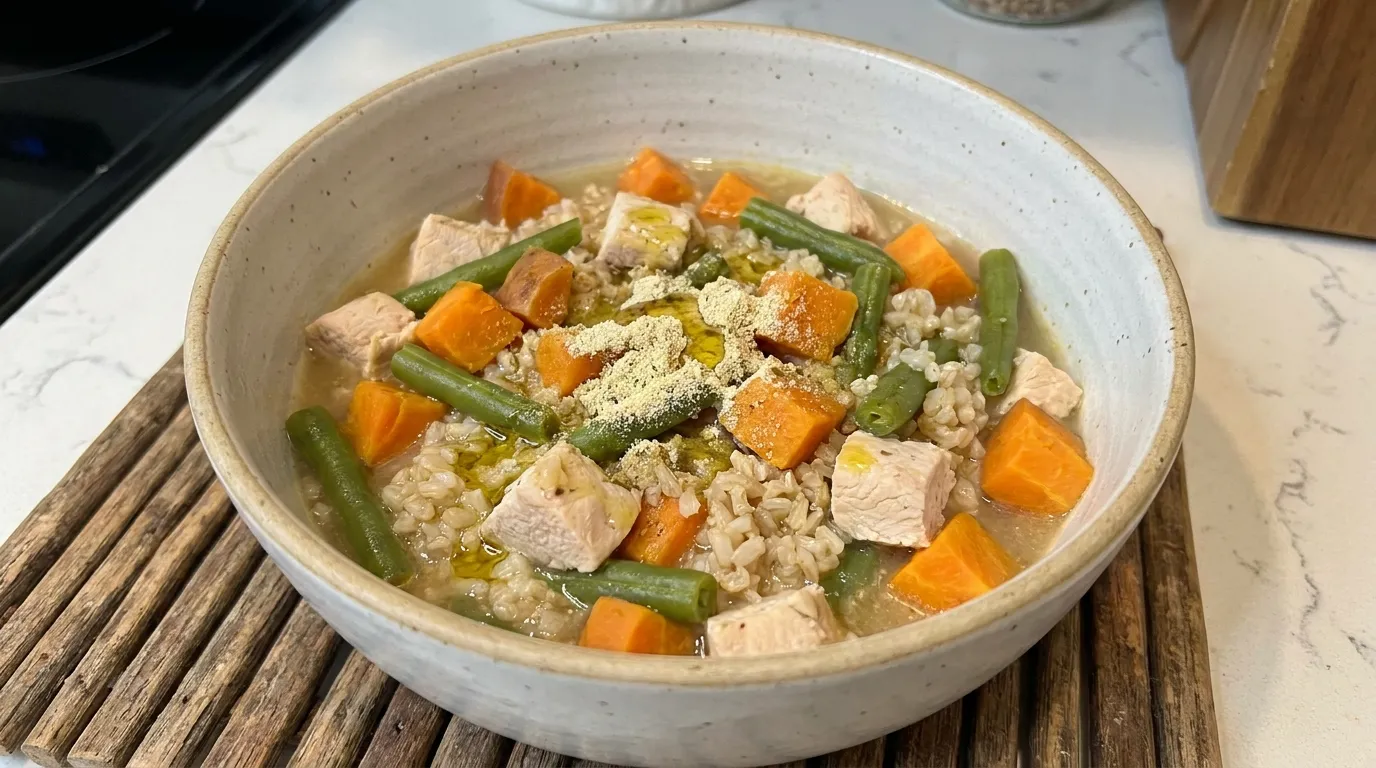
Homemade meals for your dog can be rewarding. These 6 vet-approved dog food recipes for every health need are a good start. They use natural ingredients but should be seen as adaptable plans, not universal cures.

Turkey and Pumpkin Bowl for Healthy Weight Management
Ingredients that provide lean protein and satisfying fiber
This recipe uses lean ground turkey and pureed pumpkin. It keeps your dog full without too many calories. Pumpkin also helps with digestion and makes your dog feel full.
Preparation steps and appropriate serving adjustments
Cook the turkey in a non-stick pan without oils or fats. Mix in the pumpkin. Make sure the portion size fits your dog’s weight goals.
How this recipe can support calorie-conscious feeding
This recipe replaces calorie-dense fillers with nutrient-rich vegetables. It helps manage your dog’s weight. Always measure portions carefully to avoid overfeeding.
Important veterinary checks before regular use
Before making this a staple, check with your vet. Ensure the calorie count meets your dog’s needs. Regular weight checks are key to track progress.
Chicken, Rice, and Carrot Meal for Sensitive Stomachs
Gentle ingredients for short-term digestive support
For mild digestive upset, try boiled chicken and white rice. Carrots add vitamins without irritating the gut.
How to cook the chicken, rice, and vegetables safely
Boil the chicken until it’s fully cooked and shred it finely. Cook the rice until it’s soft. Steam the carrots until they’re tender enough to mash.
Why this simple meal should not replace a balanced diet long term
This meal lacks the full spectrum of vitamins and minerals for long-term health. Use these dog food recipes only for short-term recovery.
Signs that vomiting or diarrhea requires veterinary care
If your dog shows signs of lethargy, blood in the stool, or persistent vomiting, seek vet help. Do not rely on home remedies for severe symptoms.
Salmon and Sweet Potato Recipe for Skin and Coat Support
Omega-3-rich ingredients and their potential benefits
Salmon is rich in Omega-3 fatty acids, which nourish the skin and promote a shiny coat. Sweet potatoes provide complex carbohydrates for sustained energy.
Safe preparation and removal of bones and excess fat
Always remove bones and excess skin from the salmon before cooking. Steam or bake the fish to preserve its nutrients.
How to introduce fish-based food gradually
Start by mixing a small amount of the salmon mixture into your dog’s current food. Monitor their reaction over several days to ensure no digestive upset occurs.
Itching may indicate an allergy or another medical condition
If your dog continues to scratch despite dietary changes, consult a vet. These vet-approved recipes are not a substitute for medical diagnosis.
Lean Beef and Green Bean Bowl for Joint-Friendly Nutrition
Protein, vegetables, and calorie control for active dogs
Lean beef provides the protein needed for muscle maintenance. Green beans offer volume and nutrients. This combination is ideal for active dogs needing weight management.
How to prepare the beef and vegetables without harmful seasonings
Brown the beef in a pan and drain all excess fat. Steam the green beans until soft. Never add onions, garlic, or salt, as these are toxic to dogs.
Why food alone cannot treat arthritis or joint disease
While proper nutrition supports joint health, it cannot replace medical treatment for arthritis. Food is just one piece of the overall management puzzle.
Discussing glucosamine, supplements, and weight management with your veterinarian
Ask your vet about adding joint supplements like glucosamine to your dog’s routine. Maintaining a healthy weight is the most effective way to reduce stress on joints.
Turkey and Oatmeal Meal for Senior Dogs
Soft, digestible ingredients for changing senior appetites
Senior dogs often benefit from softer foods that are easier to chew and digest. Turkey and cooked oatmeal provide a gentle, nutrient-dense meal option.
How to adjust texture for dental problems
If your dog has dental issues, mash the ingredients into a soft consistency. This makes eating more comfortable and encourages better appetite.
Supporting healthy weight and muscle as your dog ages
High-quality protein is essential for preventing muscle loss in aging pets. Keep portions controlled to prevent unwanted weight gain as activity levels naturally decline.
Why senior dogs may need individualized phosphorus and protein guidance
Aging kidneys may require specific adjustments to phosphorus and protein levels. Always have your veterinarian review these dog food recipes for your senior dog.
Low-Fat Chicken and Potato Recipe for Dogs Needing Fat Control
Choosing lean ingredients and removing visible fat
For dogs requiring low-fat diets, use skinless chicken breast and remove all visible fat. Potatoes provide energy without adding unnecessary lipids.
Preparation methods that avoid butter, oil, and rich toppings
Boil or bake the ingredients to avoid adding extra fats. Never use butter, oils, or seasonings when preparing these meals.
Why dogs with pancreatitis or other conditions need a veterinary plan
Conditions like pancreatitis require strict fat management that only a professional can oversee. Never attempt to manage these conditions without a formal veterinary plan.
Monitoring appetite, stool quality, vomiting, and abdominal discomfort
Keep a close eye on your dog’s health after every meal. If you notice any changes in stool quality or signs of discomfort, contact your veterinarian immediately.
How to Make Each Recipe Complete and Balanced
Making a balanced dog diet is more than just mixing food. Whole foods are great, but they might not have all the vitamins and minerals your pet needs. Without the right mix, your pet’s health can suffer in the long run.

Adding the calcium and essential nutrients your dog may need
Calcium is key, often missing in home-cooked meals. Without the right calcium to phosphorus ratio, your dog’s bones and organs can be at risk. It is vital to understand that just adding bone meal or eggshells isn’t enough. You need to make sure the ratio is right for your dog’s size and age.
Why vitamin and mineral supplements require professional dosing
It might seem smart to add vitamins to your homemade dog food. But adding them without care can be harmful. Too much of one mineral can stop another from being absorbed. Professional dosing is key because your vet can figure out the exact amount your dog needs.
Balancing homemade meals with a veterinarian-approved commercial food
If you’re not working with a vet to make your dog’s food, try a mix. Use a bit of your homemade food with a vet-approved commercial food. This mix ensures your dog gets a balanced dog diet while enjoying fresh, healthy homemade dog food.
Portion Sizes and Serving Frequency for Homemade Dog Food
When you make healthy dog food at home, knowing the right portion sizes is key. Many owners guess or use measuring cups, but this can lead to too much or too little food. It’s important to be precise to keep your pet at the right weight and full of energy.

Estimating portions based on calories rather than volume alone
Each ingredient has different calories. A cup of one recipe might have more calories than another. You should figure out how many calories your dog needs based on their weight and how active they are. Focusing on calories helps your pet get the right amount of energy without gaining too much weight.
Talk to your vet to find out how many calories your dog needs each day. Then, divide that number by how many meals you give them. This way, you know exactly how much to feed your dog every day.
Adjusting meals for puppies, adults, seniors, and highly active dogs
Dogs need different amounts of food at different stages of their life. Puppies need more food because they grow fast. Senior dogs need less because they move slower and eat less.
Active dogs, like those in agility or long-distance running, need more calories to keep up. You need to change how much and how often you feed them as their lifestyle changes. Consistency is key, but being flexible helps meet their changing needs.
Using body condition and weight trends to guide changes
Watching your dog’s body shape is as important as tracking their food. Check their ribs and waistline regularly. If you see big changes in their weight, you need to adjust their food slowly.
Make small changes in their diet instead of big ones. Keep a log of your dog’s weight to make smart choices about their dog nutrition. This way, your healthy dog food will keep them happy and healthy for a long time.
Safe Ingredient Swaps for Common Dog Food Recipes
Knowing how to swap ingredients is key when making natural ingredients for dogs. You might need to change something because it’s not available or your pet’s health changes. It’s important to make these changes carefully to keep the meal healthy and easy to digest.
Protein substitutions for dogs with food sensitivities
If your dog has an allergy, you might need to change their main protein. When you change dog food recipes, pick a protein with similar fat to the original. For example, if you’re using turkey, lean chicken or white fish are good substitutes.
Always introduce only one change at a time to see how your dog reacts. Look for changes in stool, skin, or energy. If your dog does well with the new protein, you can keep using it.
Vegetable and carbohydrate swaps that preserve digestibility
Changing vegetables and carbs is easier than proteins, but think about the glycemic index. If you need to replace sweet potatoes, try pumpkin or cooked carrots. These natural ingredients for dogs help keep energy levels steady.
When swapping grains like oatmeal, think about using quinoa or brown rice. Consistency is key to avoid digestive problems. Make sure any new carb is well-cooked for better nutrient absorption and digestibility.
Ingredients and seasonings you should never add
When trying new dog food recipes, avoid certain human foods that are bad for dogs. Never use onions, garlic, chives, or leeks because they can cause anemia. Also, don’t add salt, pepper, or spicy seasonings as they can upset your dog’s stomach.
Xylitol, a common artificial sweetener, is extremely dangerous and must be kept away from pets. Stick to simple, whole foods to keep your dog healthy and happy. If you’re unsure, talk to your vet before adding anything new to your dog’s food.
How to Prepare and Store Homemade Dog Food Safely
When you make homemade dog food at home, keeping it safe is key. Treat your pet’s meals like your own to avoid bacteria. Your dog’s health depends on your attention to detail during every step of the cooking process.

Cooking temperatures and cross-contamination prevention
Start with a clean space to avoid harmful germs. Wash your hands, tools, and boards well with hot, soapy water before and after handling raw meat.
Make sure meat is cooked to a safe temperature to kill harmful bacteria. Use a digital thermometer to check that the meat’s center is fully cooked.
- Keep raw meat separate from veggies and grains.
- Use separate cutting boards for raw proteins.
- Sanitize all surfaces right after you prepare.
- Avoid wooden utensils that can hold bacteria.
Refrigerating, freezing, thawing, and reheating portions
Batch cooking is handy for homemade dog food, but storing it right is crucial. Use airtight, food-grade containers to keep food fresh and prevent freezer burn.
Keep meals in the fridge for up to three days. Freeze individual servings for longer storage. This way, you only thaw what you need for the next meal.
Thaw frozen food in the fridge overnight, not on the counter. If reheating, warm it gently. Never serve it hot to avoid burning your dog’s mouth.
How to recognize spoilage before serving a meal
Even with good storage, always check every bowl before serving. Trust your senses to identify potential issues before your dog takes a single bite.
Watch for these signs that your homemade dog food might be bad:
- An unusual or sour smell that’s different from fresh ingredients.
- Visible mold or fuzzy growth on the food’s surface.
- A slimy or sticky texture that feels off.
- Significant color changes or darkening of ingredients.
If you see any of these signs, throw the food away. It’s better to be safe than sorry for your dog’s health.
How to Transition Your Dog to a New Recipe
When you start a new diet for your dog, their body needs time to adjust. Quick changes can upset their stomach, even with good food. A slow and steady approach keeps your pet comfortable while they get used to healthy dog food.
Using a gradual mixing schedule over several days
The best way to switch meals is a gradual mixing schedule over seven to ten days. Start by mixing in 25% of the new food on the first few days. If they do well, slowly add more new food and less old food until they eat only the new meal.
This slow change helps their gut adjust to the new food. Consistency is key during this time to avoid digestive stress. Watch closely as you increase the new healthy dog food in their diet.
Tracking stools, appetite, energy, itching, and weight
It’s important to watch your dog closely during this time. Keep a log of their stools, appetite, and energy. Also, watch for skin irritation or itching, which could mean a new ingredient is causing a problem.
It’s also key to track their weight to make sure the new healthy dog food has the right calories. If you see sudden changes in their body, adjust the food portions. Careful observation confirms the new diet is good for your dog’s health.
What to do if your dog refuses the food or develops symptoms
If your dog doesn’t like the new food or shows signs like vomiting or diarrhea, don’t panic. But don’t ignore the signs either. It’s often best to go back to the old food for a few days to let their stomach settle.
If symptoms don’t go away or if your dog won’t eat, contact your veterinarian. They can figure out if the new healthy dog food is causing the problem or if you need a different plan. Your dog’s safety and comfort are always the most important thing when changing their diet.
Health Conditions That Require a Customized Diet Plan
When your dog has health issues, their food must be as precise as medicine. Many owners like to cook meals for their pets. But some health problems need a special diet that canine health recipes can’t offer.
A balanced dog diet is different for a sick dog. Your vet looks for exact amounts of nutrients. These are hard to figure out by yourself.
Kidney, liver, urinary, and heart conditions
Dogs with organ problems need special diets. For example, a dog with kidney disease needs a diet low in phosphorus and protein. This helps their kidneys work less hard.
Heart conditions often mean a low-sodium diet. This helps control blood pressure and fluid. Making these changes is highly technical and needs a vet’s help.
Diabetes, pancreatitis, obesity, and severe allergies
Metabolic issues like diabetes and pancreatitis need strict meal plans. Even small changes in a recipe can be dangerous. They can cause blood sugar spikes or inflammation.
For obese dogs, every calorie counts. They need to lose weight safely without missing out on nutrients. Dogs with severe allergies need a hypoallergenic strategy. This means avoiding certain foods while still getting a balanced dog diet.
Why online recipes may be unsafe for dogs with medical needs
It’s tempting to look for quick fixes online. But many canine health recipes are for healthy dogs. They don’t have the special care a sick dog needs.
Using untested sources can lead to bad nutrition. This can make your dog’s health worse. Always talk to a vet nutritionist. They can make a diet plan just for your dog’s needs.
Questions to Ask Before Feeding Homemade Dog Food Regularly
Switching to homemade dog food is a big step. It’s important to focus on dog nutrition to avoid health problems. Talking to your vet can help you make the right choice.
Whether the recipe meets your dog’s complete nutritional requirements
Not every recipe online is right for your pet. Ask your vet if the ingredients are truly balanced. Make sure it has all the proteins, fats, and carbs your dog needs.
Which supplements, portions, and feeding schedule are appropriate
Homemade meals might miss some important nutrients. Your vet can tell you about:
- Which calcium or vitamin supplements are needed?
- How many calories your dog needs based on their activity?
- How often to feed these portions?
- Best times for feeding to help with digestion?
How often your dog should receive follow-up weight and health checks
Your dog’s needs can change with age or activity level. Regular checks are crucial. Consistency helps keep your pet healthy.
Plan to see your vet every few months. They can check if your dog’s nutrition plan is working. They might suggest small changes to keep your dog healthy.
Conclusion
Feeding your pet well is very rewarding. These six recipes are great for different needs like weight control, joint health, and sensitive stomachs.
Start with these recipes for home cooking. But remember to introduce new foods slowly to your pet. Keeping food fresh and portioning correctly is key for success.
Your vet is very important in this journey. Even homemade food needs vet checks to make sure it’s right for your pet. This is crucial for pets with ongoing health issues.
Make an appointment with your vet to go over your meal plan. Working together helps ensure your dog gets the right food for a happy life. Begin with small steps, stay consistent, and enjoy making your pet’s meals with healthy ingredients.


