
6 Dog Soup Recipes for a Warm, Nutritious Meal
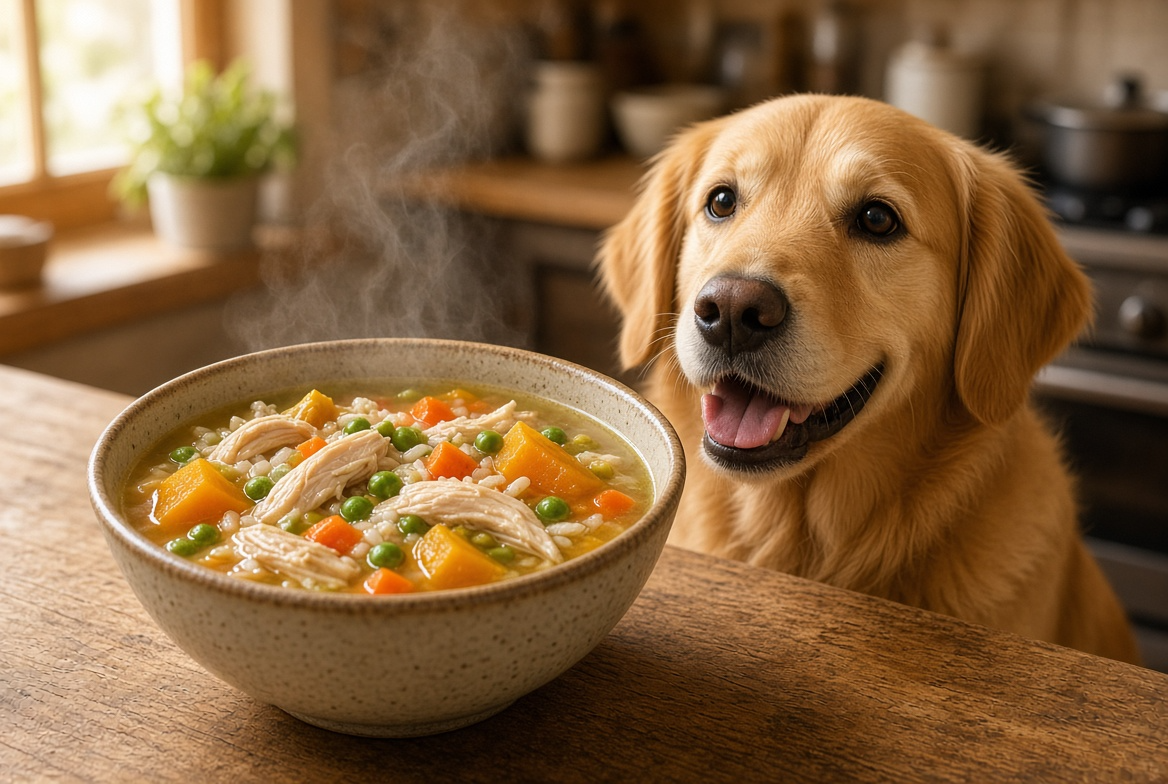
Last winter, my golden retriever, Cooper, wouldn’t eat his dry kibble. It was very cold outside. I made a simple broth with fresh veggies and lean protein. He loved it and ate it all up.

Adding moisture to your pet’s diet is incredibly beneficial. It helps with hydration and digestion. Our guide has 6 easy dog soup recipes for a warm, nutritious meal. These recipes are healthy and tasty for your best friend.
Safety is our top priority when making these meals. We’ll show you how to prepare, store, and ensure they’re nutritious. Turn your kitchen into a cozy spot for your pup. Keep them happy and healthy all year.
Why Homemade Dog Soup Can Be a Nourishing Choice
Making homemade dog soup is more than a treat. It’s a way to help your pet feel better. Many owners find that a warm soup meal makes their dog’s day special.
https://www.youtube.com/watch?v=HtSjQxZVe2k
How Warm Soup Supports Hydration and Appetite
Soup helps your dog drink more water. Dogs on dry kibble often don’t drink enough. A moist meal keeps them hydrated all day.
The smell of warm soup can also help if your dog isn’t eating well. A tasty soup can make them want to eat again. It’s a natural way to get them to eat without additives.
What Makes a Balanced Soup for Dogs
A good homemade dog soup needs careful planning. It should have all the nutrients your dog needs. A balanced soup includes:
- High-quality protein like lean chicken or turkey.
- Dog-safe produce like carrots or spinach.
- Healthy carbohydrates like brown rice or sweet potatoes.
- Unsalted liquid like water or low-sodium broth.
When a Cozy Homemade Meal May Be Especially Helpful
Homemade dog soup is great as a supplement. It’s perfect for cold weather or after playtime. It also helps dogs who have trouble eating.
But remember, soup is not a full meal. If your dog’s appetite changes or they seem sick, see a vet. A vet can give your dog the care they need.
Dog-Safe Ingredients and Essential Soup Safety Rules
Making healthy dog food recipes means picking the right ingredients. When you cook at home, you control what goes into your dog’s food. This lets you give them fresh, healthy meals that meet their needs.

Safe Proteins, Vegetables, Grains, and Broths
A good soup starts with quality protein. Use lean meats like chicken, turkey, or lean ground beef. These give your dog the amino acids they need to stay healthy.
To make healthy dog food recipes, add safe veggies and grains. Here are some good choices:
- Carrots and green beans for vitamins.
- Sweet potatoes or pumpkin for fiber.
- Cooked brown rice or quinoa for energy.
- Low-sodium, onion-free bone broth for hydration.
Ingredients You Should Never Add to Canine Soup
Some kitchen items are bad for dogs and should never be used. Avoid onions, garlic, chives, and leeks because they can harm your dog’s blood. Also, skip commercial broths with too much salt or artificial stuff.
Don’t use mushrooms, grapes, or raisins because they can make your dog very sick. Always check labels to avoid hidden bad stuff. Keeping your kitchen safe is crucial for your dog’s health.
Why You Must Remove Bones, Excess Fat, and Seasoning
Cooked bones are dangerous because they can hurt your dog’s insides. Make sure all meat is boneless before cooking. Also, remove extra fat to avoid pancreatitis in sensitive dogs.
Don’t add salt, pepper, or other human seasonings. Dogs need different things, and these can upset their stomachs. Keep it simple when cooking for your dog.
How to Account for Allergies, Medical Conditions, and Dietary Restrictions
Every dog is different, and their diet should match their health. If your dog has allergies, change their food carefully. For dogs with kidney or heart problems, watch out for phosphorus or sodium.
Always talk to your vet before changing your dog’s diet. They can tell you if your dog needs a special diet or certain nutrients. Getting professional advice helps keep your dog healthy for a long time.
6 Dog Soup Recipes for a Warm, Nutritious Meal
You can make these 6 dog soup recipes at home. They are easy to make and good for your dog’s health. Always cool the soup before giving it to your pet.

Chicken, Rice, and Vegetable Soup
Dog-Safe Ingredients and Simple Substitutions
Use boiled chicken, cooked rice, carrots, and green beans. You can swap rice for quinoa or sweet potato if your dog likes it better.
Step-by-Step Cooking Method
First, cook the veggies in water until they’re soft. Then, add the chicken and rice. Stir until it’s all warm and the right consistency.
Serving Suggestions for Different Dog Sizes
Give small dogs 1/4 cup and big dogs up to 1 cup. Adjust the amount based on your dog’s needs.
Turkey and Pumpkin Comfort Soup
Dog-Safe Ingredients and Simple Substitutions
Use ground turkey, pumpkin, and zucchini. Peas or spinach are good substitutes if you don’t have zucchini.
Step-by-Step Cooking Method
Cook the turkey until it’s fully browned. Then, add water and pumpkin. Simmer with the veggies until they’re soft. Stir well to mix the pumpkin into the broth.
How Pumpkin Can Fit Into Your Dog’s Meal Plan
Pumpkin is great for your dog’s digestion. It adds fiber, making your dog feel full and happy.
Beef, Barley, and Carrot Soup
Dog-Safe Ingredients and Simple Substitutions
Mix ground beef, barley, and carrots. Brown rice is a good substitute if you can’t find barley.
Step-by-Step Cooking Method
Cook the beef until it’s done, then drain the fat. Add water, carrots, and barley. Simmer until the veggies are soft and the flavors mix well.
Ways to Keep the Recipe Lean and Digestible
Choose lean beef. Remove any visible fat before cooking. This makes the meal easy for your dog to digest.
Salmon and Sweet Potato Soup
Dog-Safe Ingredients and Simple Substitutions
Use cooked salmon, sweet potatoes, and kale. Broccoli is a good swap if you have it.
Step-by-Step Cooking Method
Boil the sweet potatoes until they’re soft. Add salmon and kale. Cook until the greens are wilted.
How to Check Salmon Carefully for Bones
Be careful with fish. Flake the salmon with a fork and check for bones. Make sure there are no bones before adding it to the soup.
Lamb and Oatmeal Vegetable Soup
Dog-Safe Ingredients and Simple Substitutions
Combine ground lamb, oats, and celery. Lean pork is a good substitute if your dog doesn’t like lamb.
Step-by-Step Cooking Method
Brown the lamb and drain the fat. Add water, oats, and celery. Simmer until the oats are soft and the soup thickens a bit.
Tips for Managing Lamb’s Higher Fat Content
Lamb can be fatty. Drain the pan well after browning. Chill the soup and skim off any fat before serving.
Chicken Bone Broth and Vegetable Soup
How to Make a Dog-Safe Bone Broth Base
Simmer chicken joints in water for hours without onions, garlic, or salt. This makes a nutrient-rich liquid for your dog’s soup.
Step-by-Step Cooking Method Without Cooked Bones
Strain the broth to remove bones. Add fresh veggies like carrots and green beans. Cook until they’re tender.
How to Use This Soup as a Topper or Light Meal
Pour this broth over your dog’s kibble to help with hydration. It’s also a light meal for dogs on a gentle diet.
Choosing Ingredients and Adjusting Each Recipe for Your Dog
Every dog likes different things. That’s why it’s key to adjust your canine soup recipes for them. You don’t have to follow one list if your dog likes something else. By swapping ingredients, you can make a meal that’s both healthy and fun for your pet.

Simple Protein Swaps for Picky Eaters
If your dog doesn’t like chicken, try turkey or lean ground beef instead. These options are just as good for them but taste different. Make sure the meat is cooked well and doesn’t have salt or spices.
Changing proteins slowly is important. This helps you see if your dog has any allergies. The quality of the protein is the most important thing for a healthy meal.
Vegetable and Grain Alternatives for Homemade Dog Food
Adding variety to your dog’s meals is great. If you’re out of rice, use oats or quinoa. These are easy on their stomach and full of fiber.
Pumpkin is a great veggie for dogs. You can also use green beans or sweet potatoes instead of carrots. Just avoid onions and garlic, as they’re bad for dogs.
How to Adjust Texture for Puppies, Seniors, and Dogs With Dental Issues
Texture is very important for your dog’s meal. For puppies or seniors with dental problems, blending the soup makes it easier to eat. You can also shred meat or mash veggies until they’re soft.
Soft-cooking your ingredients helps dogs who have trouble chewing. These small changes make sure every dog can enjoy a warm, healthy meal, no matter their age or dental health.
How to Cook, Cool, Store, and Reheat Homemade Dog Soup
Keeping your dog’s meals fresh and safe is key when cooking at home. When making homemade dog food, follow strict hygiene to protect your pet. A clean kitchen is the base of every healthy meal.

Safe Cooking Temperatures and Preparation Practices
Make sure all proteins are cooked well to the right temperature. Raw or undercooked meat can have harmful bacteria. Before starting, wash your hands, cutting boards, and utensils with hot, soapy water.
Cooling Soup Quickly Before Refrigeration
Don’t leave hot soup on the counter for hours. Bacteria grow in warm temperatures. Cool your homemade dog food fast by following these steps:
- Put the soup in shallow, wide containers to cool faster.
- Use an ice water bath to cool it down quickly.
- Don’t put big, deep pots in the fridge, as they cool slowly.
Refrigerator and Freezer Storage Guidelines
Proper storage keeps your meals nutritious and safe. Store your soup in the fridge for up to three days. Freezing is great for longer storage, keeping ingredients fresh.
Always remember to label containers with the date. This helps you use the oldest portions first. Use airtight containers to prevent freezer burn and keep flavors in.
How to Reheat Soup Without Creating Hot Spots
When reheating, make sure the soup is evenly warm. Microwaves can heat unevenly, causing burns. Here are safe reheating tips:
- Stir the soup well halfway through reheating.
- Use a stovetop for even heat.
- Check the temperature with your finger before serving.
By following these steps, your homemade dog food stays safe and tasty. Your dog will love the extra care in every meal.
Serving Portions and Adding Soup to Your Dog’s Routine
Adding a nourishing soup for dogs to your pet’s diet needs careful planning. Every dog is different, so there’s no single way to portion these meals.

How Much Soup to Serve by Dog Size
The soup amount depends on your dog’s size, activity level, and the recipe’s calories. Small dogs might get a few tablespoons. Larger, active dogs could have more.
Make sure to check the calorie count of your ingredients. Maintaining a healthy weight is key for your dog’s health and joints.
Using Soup as a Meal, Topper, or Hydration Boost
You can use a nourishing soup for dogs in many ways. Some owners add it to their dog’s kibble to make it more appealing.
It can also help with water intake, which is important in hot weather. If okayed by your vet, you can even replace some of their regular food with soup.
Introducing New Recipes Gradually
When starting a nourishing soup for dogs, do it slowly. Introduce it over a few days to let your dog’s stomach adjust.
Keep a close eye on your dog during this time. Look for any signs of upset stomach, like changes in stool or behavior. If you see any issues, stop the soup and talk to your vet.
Making Canine Soup Recipes Fit Your Dog’s Nutritional Needs
Making savory dog meals is a mix of cooking and knowing about nutrition. These warm dishes add comfort and water, but they should not replace your dog’s regular food. They are best as a way to make meals more interesting, not as a full meal.
When Soup Should Supplement Rather Than Replace Complete Dog Food
Commercial dog foods have the right mix of nutrients. Homemade soup adds extra calories and water. To keep your dog healthy, follow these tips:
- Use soup as a tasty topper to encourage picky eaters.
- Limit the portion size to ensure your dog still eats their primary kibble.
- Treat the soup as a healthy snack or hydration boost during the day.
Adjustments for Weight Management and Lower-Fat Diets
For dogs trying to lose weight, every calorie counts. Make savory dog meals with lean proteins like chicken breast or fish. Remove fat before cooking to keep calories low.
Here are some tips for managing your dog’s intake:
- Measure portions carefully to avoid overfeeding.
- Focus on fiber-rich vegetables like green beans to provide volume without excess calories.
- Avoid adding calorie-dense grains if your dog is on a strict weight-loss plan.
Why Dogs With Health Conditions Need Veterinary Guidance
Dogs with health issues have special needs. If your dog has kidney, liver, or other health problems, always consult your veterinarian before changing their diet. A vet can tell you if certain foods might harm your dog’s health.
Your vet can help make savory dog meals that fit your dog’s health needs. Never try a new recipe without your vet’s okay, to keep your dog safe and happy.
Common Mistakes to Avoid When Preparing Soup for Dogs
Making diy dog meals shows you care. But you must avoid common mistakes to keep your pet safe. It’s easy to overlook dangers in the kitchen. Learning these safety tips will help your dog enjoy meals without risks.
Adding Salt, Garlic, Onions, or Unsafe Seasonings
Many human foods are toxic to dogs. Never add onions, garlic, chives, or leeks to soup. These can harm a dog’s red blood cells. Also, avoid salt, pepper, and commercial spice blends, as they can cause sodium poisoning or stomach problems.
Use only plain, whole foods. For flavor, try dog-safe herbs like parsley or basil. Removing cooked bones and excess fat is crucial to avoid choking or digestive blockages.
Serving Soup Too Hot or Too Rich
It’s tempting to serve warm meals. But make sure the soup is lukewarm before serving. Serving it too hot can burn your dog’s mouth and throat. Always check the temperature with your finger.
Also, be careful with the richness of your diy dog meals. Fatty meats can cause pancreatitis, a serious condition. Keep recipes lean and simple to avoid digestive issues or weight gain.
Relying on Homemade Soup as a Completely Balanced Diet
While soup is great for hydration, it’s not a complete diet. Homemade recipes often lack the right balance of nutrients. Unless a vet has made a special recipe, soup should be a supplement or a tasty topper.
Using soup to add variety to your dog’s diet is good. But don’t replace their regular kibble with soup for too long. Always talk to your vet to make sure your diy dog meals meet your dog’s needs.
Conclusion
Homemade meals make your kitchen happy and your pet comfortable. You can now make the best soup recipes for dogs. These use good proteins and fresh veggies.
These meals help keep your dog hydrated and make mealtime special. Always think about your dog’s safety when cooking for them. Make sure to remove bones and avoid harmful seasonings like garlic or onions.
Cool the soup before serving it to your dog. Start with small amounts to help them get used to new tastes. This makes the transition easier for them.
These soup recipes are great as a treat for your dog, but they should not replace their regular food. Watch for any signs of allergies or upset stomach. If your dog has ongoing health issues, talk to your vet about their diet.
Using quality ingredients is key to keeping your dog healthy. Follow these easy tips to make every meal a success. Enjoy making these warm, nourishing meals for your dog.


