
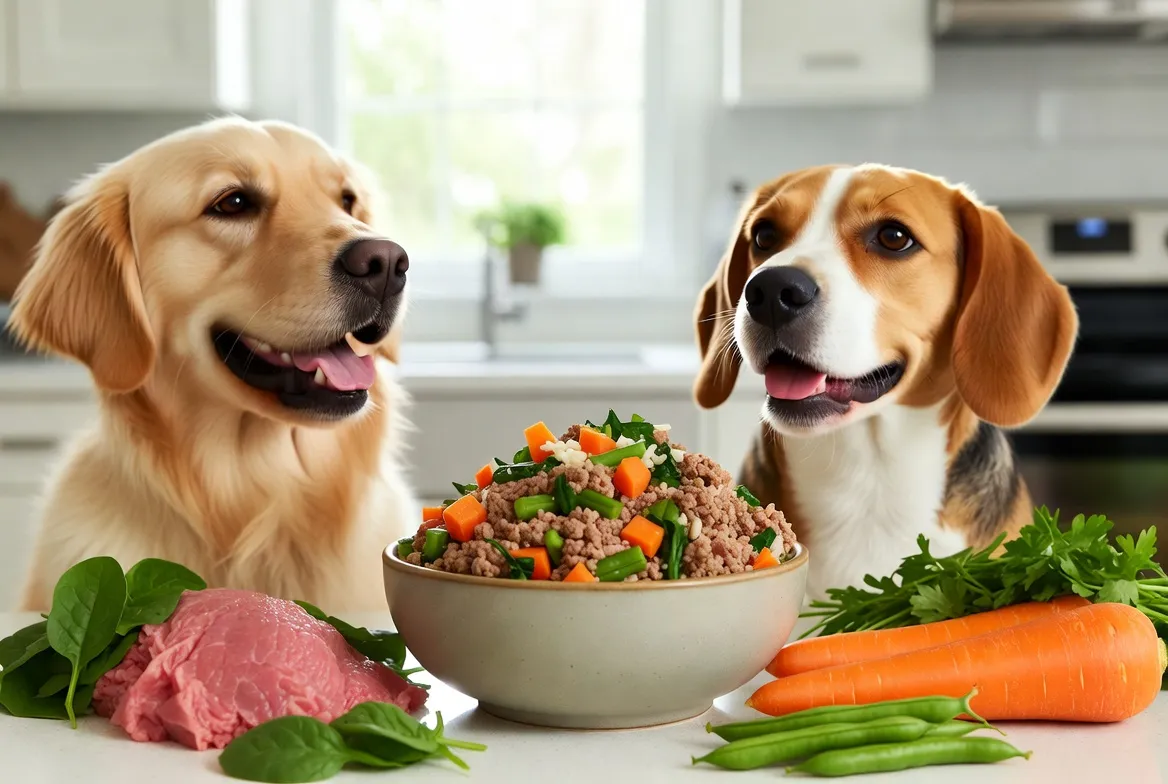
6 The Farmer’s Dog Recipes DIY Copycat Meals You Can Make
Last Tuesday, I watched my golden retriever, Cooper, sniff his bowl with total indifference. He walked away from his processed kibble, leaving me to wonder if he deserved better. That moment sparked my journey into crafting fresh, wholesome food right in my own kitchen.

You want to provide your furry friend with optimal health through high-quality nutrition. Many pet parents now turn to fresh, homemade alternatives to ensure their companions thrive. By choosing whole ingredients, you control exactly what goes into every bowl.
This guide acts as your personal roadmap to mastering 6 the farmer’s dog recipes at home. We will explore how to replicate those popular subscription standards with confidence and ease. Preparing these 6 The Farmer’s Dog Recipes: DIY Copycat Meals is a rewarding way to show your love. Let’s transform your kitchen into a healthy hub for your best friend today.
Understanding the Philosophy Behind Fresh Canine Nutrition
Many pet owners are finding that a long, happy life for their dog starts in the kitchen. Moving away from kibble lets you control what your dog eats every day. By using holistic pet food principles, you can give meals that are as natural as possible.
Why Fresh Food Matters for Your Dog
Fresh food is great because it’s easy for your dog to digest. When food is cooked gently, your dog gets more nutrients. This can make your dog’s coat better, their energy up, and their digestion smoother.
Feeding your dog whole foods boosts their immune system. Unlike processed foods, fresh meals have natural vitamins and minerals. Your dog will likely be more lively and full of energy with the right food.
Key Nutritional Pillars of The Farmer’s Dog
The philosophy of these healthy pet meals is about being open and high-quality. Every ingredient is chosen for your dog’s health. Using real meat and fresh produce makes it easy to know what you’re feeding your dog.
There are three main parts to this approach to holistic pet food:
- Human-grade ingredients: Only using components that are safe for human consumption.
- Balanced profiles: Ensuring every meal meets strict standards for pet nutrition.
- Gentle preparation: Cooking at low temperatures to preserve the integrity of the food.
Following these pillars helps you make nutritionally complete and healthy pet meals for your dog. Knowing these basics is the first step to making sure your dog stays healthy for life.
Essential Kitchen Tools and Safety Guidelines for Homemade Pet Food
Making homemade pet food is rewarding but needs careful kitchen hygiene. Handling raw or lightly cooked proteins means keeping things clean is key. This keeps your dog safe from bad bacteria. Follow these easy steps to make sure every meal is tasty and safe.

Sanitation and Storage Best Practices
Before cooking, clean all surfaces and cutting boards with a safe disinfectant. Cross-contamination is a big risk, so use different tools for raw meat and veggies. After cooking, storing food right is crucial to keep nutrients good.
Get good, airtight glass or BPA-free plastic containers for storing. Here’s how to keep food fresh:
- Store daily portions in the fridge for up to three days.
- Freeze big batches in single servings for easy use.
- Mark every container with the date to know when it’s fresh.
- Thaw frozen meals in the fridge overnight, not on the counter.
Equipment You Need to Get Started
You don’t need a fancy kitchen to make great homemade pet food. But some tools make it easier. A good food processor is key for chopping veggies and mixing ingredients well. Your dog will love it.
Also, a digital kitchen scale is highly recommended. It helps you measure ingredients accurately. This is important for balancing nutrients for your pet’s health. With these tools, making food for your pet is easier and healthier.
6 The Farmer’s Dog Recipes: DIY Copycat Meals
Cooking for your dog is easy and fun with these six recipes. By making 6 The Farmer’s Dog Recipes: DIY Copycat Meals, you control what goes into your dog’s food. These meals have proteins, veggies, and nutrients for your dog’s health.

Beef Recipe: A Protein-Rich Foundation
Beef is a great, iron-rich food that dogs love. Use lean ground beef with carrots, green beans, and spinach. This mix gives your dog the amino acids they need for strong muscles.
Turkey Recipe: Lean and Digestible Options
Turkey is good for dogs with sensitive stomachs. These diy dog meals use turkey with sweet potatoes and peas. It’s easy to digest and keeps your dog active.
Chicken Recipe: The Classic Canine Favorite
Chicken is a favorite because it’s tasty and affordable. This copycat dog food uses chicken breast with broccoli and cauliflower. It gives your dog vitamins and makes mealtime exciting.
Pork Recipe: Nutrient-Dense Variety
Pork adds flavor and minerals to your dog’s diet. Use lean pork loin with zucchini and apples. It’s a healthy mix that keeps your dog’s diet interesting.
Lamb Recipe: Hypoallergenic Alternatives
Lamb is great for dogs with protein allergies. This recipe has ground lamb with butternut squash and kale. It’s a nutritious meal that’s easy on your dog’s stomach.
Fish Recipe: Omega-3 Boosted Meals
Fish is full of Omega-3 fatty acids for a shiny coat. These pet recipe ideas use fish with carrots and blueberries. Eating this meal a few times a week boosts your dog’s health.
Sourcing High-Quality Ingredients for Your DIY Dog Food
Making healthy pet meals at home means choosing the best ingredients. The quality of your dog’s food depends on what you buy. By picking carefully, you help your dog stay healthy for a long time.

Selecting Human-Grade Proteins
When buying proteins, choose human-grade meats without fillers or bad stuff. Opt for lean beef, turkey, or chicken. These are good for your dog’s muscles and health.
Stay away from processed meats with too much salt or bad preservatives. Go for fresh, whole meats. This is key to making healthy pet meals that are good for your dog.
Choosing Fresh Vegetables and Fruits
Adding fresh veggies and fruits to your dog’s food is great. They give fiber, vitamins, and antioxidants. This helps with digestion and keeps your dog’s immune system strong.
Choose colorful, firm produce for the best nutrition. You can add leafy greens, carrots, or blueberries. Being a discerning shopper ensures your dog gets the best food.
Balancing Macronutrients and Micronutrients at Home
When you cook meals at home, knowing about pet nutrition is key. Getting the right mix of nutrients helps avoid health problems. It makes sure your dog stays healthy and full of energy.

The Importance of Calcium and Phosphorus Ratios
The balance between calcium and phosphorus is very important. They need to be in the right ratio for strong bone health and metabolism. If not, your dog might have bone problems later on.
Experts say the calcium-to-phosphorus ratio should be about 1:1 or 1.2:1. You need to carefully calculate these levels based on the food you use. Keeping this balance is crucial for good holistic pet food.
Incorporating Essential Vitamins and Minerals
Your dog also needs many vitamins to stay healthy. Whole foods are good, but they might not have enough Vitamin D, E, or B-complex vitamins. Using natural supplements made for dogs can help fill these gaps.
Consistency is key when adding supplements to meals. Always follow your vet’s dosage advice to avoid too much. This way, your pet nutrition plan stays safe and complete.
Learning about these nutritional needs lets you make a great holistic pet food plan. Your hard work will pay off in your dog’s energy and health. Even small changes can make a big difference in your dog’s health.
Transitioning Your Dog to a Homemade Diet Safely
Switching to a fresh canine diet needs careful planning. Sudden changes can upset your dog’s stomach. A slow transition helps your dog get used to new, healthy foods.

The Gradual Mixing Method
Start by mixing 25% of the new food with the old for a few days. If your dog does well, increase it to 50% by the middle of the week.
Keep adding more of the new food until your dog eats only homemade by day ten. This slow change helps your dog’s gut adjust without stress. Patience is your best tool during this time.
Monitoring Your Dog’s Digestion and Energy
Watch how your dog reacts to the new food closely. Look for loose stools or changes in appetite. These signs mean the transition is too fast. Consistent observation is key to making sure the new food works well.
Also, check your dog’s energy and coat health. A good canine diet should make their coat shiny and keep them full of energy. If problems persist, slow down or talk to your vet.
Common Mistakes to Avoid When Cooking for Pets
Even the most caring pet owners can make mistakes in the kitchen. When making homemade pet food, small errors can cause big health problems. It’s important to know the right steps to keep your dog safe and healthy.
Toxic Ingredients to Keep Out of the Kitchen
Some common foods are very bad for dogs. Ingredients like onions, garlic, chives, and leeks can harm your dog’s blood. Even a little bit can be very dangerous.
Also, stay away from grapes, raisins, and chocolate. These can cause kidney failure or brain problems. Always check food labels for xylitol or other harmful additives.
The Dangers of Imbalanced Home Cooking
It’s not just about avoiding bad foods. Your homemade pet food must be balanced too. A diet lacking important nutrients can harm your dog’s health over time. This includes calcium and phosphorus, which are key for strong bones.
Just giving your dog meat and veggies is not enough. It’s not safe to guess what they need. Always talk to a vet nutritionist to make sure your dog’s food is right for them.
Customizing Recipes for Your Dog’s Specific Needs
Every dog is different, and your homemade meals should show that. The basic needs stay the same, but your pet’s needs change as they grow. By adjusting your dog food recipes, you give your pet the right support at every life stage.
Adjusting for Age and Activity Level
Puppies need more nutrients and calories for fast growth. Increase healthy fats and minerals for strong bones and muscles. Always consult your vet to find out how many extra calories your puppy needs.
Senior dogs might need fewer calories to stay healthy. You can make your dog food recipes leaner by using less food or choosing leaner proteins. Active adult dogs, on the other hand, might need more carbs to keep up with their energy.
Managing Weight and Sensitivities
Keeping your dog at a healthy weight is key. If your dog is gaining weight, add more fiber-rich veggies like green beans or carrots. These help your dog feel full without too many calories.
For dogs with food sensitivities, cooking at home is a big plus. You can easily swap out common allergens for safer options. Watching how your dog digests after changes helps them stay their best.
Cost Analysis: Is DIY Cheaper Than Subscription Services?
Many pet owners wonder if cooking at home saves money compared to subscription services. It’s a choice between your wallet and your schedule. Premium delivery might seem pricey, but buying ingredients yourself has hidden costs.
Calculating Ingredient Costs vs. Convenience
Preparing copycat dog food lets you control the quality. Buying in bulk can save money, thanks to local farmers or wholesale clubs. But remember to add these costs:
- High-quality, human-grade meat proteins.
- Fresh, organic produce and seasonal vegetables.
- Essential canine-specific vitamin and mineral supplements.
- Storage containers and freezer space requirements.
Subscription services combine these costs into a monthly fee. This fee covers labor, packaging, and shipping. If you’re short on time, a subscription might be more cost-effective.
Time Investment and Long-Term Savings
Cooking diy dog meals takes time for shopping, prepping, and cleaning. Think about whether your time is worth more than the savings from copycat dog food. For many, it’s a rewarding way to bond with their pet.
Also, consider the long-term health savings of fresh nutrition. A homemade diet can reduce vet visits for digestive or skin issues. Investing in your dog’s health today can save on medical costs later. Your choice depends on your budget, time, and commitment to your dog’s health.
Consulting Your Veterinarian Before Changing Your Dog’s Diet
Changing your dog’s diet needs more than just a recipe. It needs professional advice. Homemade meals are great, but your vet is key to balanced nutrition. Always prioritize your dog’s long-term health by telling your vet about diet changes.
When to Seek Professional Nutritional Advice
If your dog has health issues like kidney disease or diabetes, see a vet. These conditions need careful control over certain nutrients. Professional oversight prevents problems from bad homemade meals.
Even healthy dogs should get a vet check before new meals. Your vet can check your dog’s health and find any nutritional gaps. This ensures your canine diet meets your dog’s needs.
Creating a Personalized Meal Plan
Working with your vet makes a diet plan for your dog’s health needs. Bring your recipes to the vet to check the ingredients. Veterinary nutritionists or your vet can figure out the right portions for a healthy weight.
Together, you can make the diet fit your dog’s age and activity level. This makes your homemade meals safe and effective for your dog. Remember, your vet is your best friend for your dog’s happiness and health.
Conclusion
Preparing meals for your dog in your kitchen shows you care. You control what goes into their food. This means they get the best nutrition every day.
Try different pet recipes to make meals fun and healthy. Changing up proteins and veggies helps find what your dog likes. This care helps your dog live a long, happy life.
Being consistent is key when cooking for your dog. Always check with your vet about the food you make. Cooking at home boosts your dog’s energy and health.
Begin with simple meals and enjoy making them. Share your favorite recipes with other pet owners. Your effort to improve your dog’s health starts with the next meal.


