
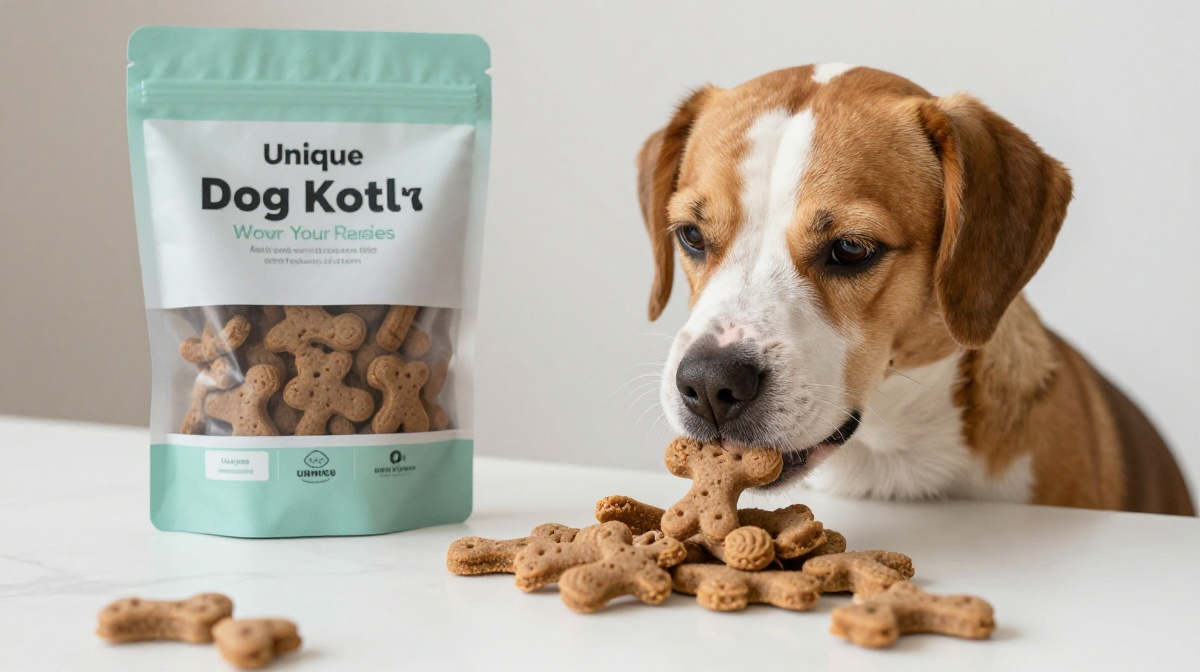
6 Unique Dog Treat Recipes to Wow Your Pup at Home
Seeing your dog’s face light up when they see a snack is special. It’s a moment of pure joy and connection. Making homemade snacks is a great way to show love.
If you’re looking for healthier alternatives for your dog, this guide has 6 unique recipes. They are sure to impress your furry friend.

We cover a range of treats, from baked biscuits to crunchy chews. These recipes are perfect for busy owners in the United States. They use quality ingredients and are easy to make.
You’ll learn how to prepare, serve, and store these treats. Plus, how to customize flavors for dogs with special tastes.
Key Takeaways:
- Mastering simple methods for fresh, homemade snacks.
- Understanding proper storage for maximum freshness.
- Customizing ingredients based on dietary needs.
Make Homemade Treats Safely and Successfully
You can control your pet’s food by making snacks at home. Making homemade dog treats lets you pick the ingredients. This way, your dog gets only the best.
Why Homemade Dog Treats Are Worth the Effort
Baking for your dog is fun and healthy. It helps you control how much they eat and avoid bad additives. Using wholesome, natural ingredients makes healthy dog treats that are good for them.
You can make treats that fit your dog’s taste and energy. This lets you tailor recipes just for them.
Check Your Dog’s Allergies, Age, and Dietary Needs
Think about your dog’s health before baking. Puppies, seniors, and sensitive dogs need special care. Always talk to your vet if your dog has special dietary needs.
If your dog reacts badly to something new, stop it right away. Keeping a food log helps you know what works and what doesn’t. This way, every snack is a good one.
Keep Toxic Ingredients Out of Every Recipe
When making healthy dog treats, safety is key. Some common foods are bad for dogs. Always check labels to keep your kitchen safe for your pet.
Skip Xylitol, Chocolate, Grapes, Raisins, Onions, Garlic, and Macadamia Nuts
To keep your pet safe, avoid certain foods. Never add these to your homemade dog treats:
- Xylitol (often found in sugar-free products)
- Chocolate and cocoa products
- Grapes and raisins
- Onions and garlic
- Macadamia nuts
6 Unique Dog Treat Recipes to Wow Your Pup: Peanut Butter Banana Oat Bites
Start with this classic mix to make 6 unique dog treat recipes to wow your pup. These soft, sweet bites are a hit with dogs. They’re a great choice over store-bought snacks.

Gather Dog-Safe Ingredients for Soft, Naturally Sweet Bites
Making homemade dog treats is easy with just a few pantry items. Use fresh, whole foods for a healthy snack without additives.
Choose Xylitol-Free Peanut Butter and Plain Rolled Oats
Always pick safe ingredients for your pets. Here’s what you need to start:
- Xylitol-free peanut butter: Make sure it’s safe for dogs.
- Ripe bananas: They add sweetness and softness.
- Plain rolled oats: These add fiber and help the dough stick together.
Mix, Shape, and Bake the Banana Treats
Mash the bananas until smooth. Mix in peanut butter and oats until it’s a dough. If it’s too sticky, add more oats.
Roll out the dough and use cookie cutters for fun shapes. Bake at 350°F for 15 minutes. Let them cool completely before giving them to your dog.
Adjust the Texture for Puppies and Older Dogs
Dogs have different chewing needs. You can change the treat’s texture for your dog’s age or dental health.
Make Smaller, Softer Pieces for Easier Chewing
For puppies or senior dogs, make smaller, softer treats. Bake them for less time or cut them into tiny squares. Always give homemade dog treats in moderation as part of a balanced diet.
Pumpkin Apple Cinnamon Dog Biscuits for a Cozy Homemade Treat
When it gets chilly, nothing is better than the smell of pumpkin and cinnamon. These biscuits are a great choice for easy dog treat recipes. They have a cozy flavor that dogs love.

Combine Pumpkin, Apple, and Whole-Grain Ingredients
You’ll need some basic items for these treats. They’re full of fiber and vitamins. Whole-grain flour makes the biscuits filling for your pet.
- Pureed pumpkin (make sure it’s plain, not pie filling)
- Fresh, crisp apple
- Whole-wheat or oat flour
- A dash of ground cinnamon
Remove Apple Seeds, Stems, and Core Before Grating
It’s very important to prepare the apple safely. Take out the seeds, stems, and core. Then, grate the apple finely so it mixes well with the dough.
Roll and Cut the Dough Into Dog-Friendly Shapes
Once you mix everything, flour your surface to avoid sticking. Roll the dough to your liking, remembering that thinner biscuits are crunchier. Use fun shapes to make these dog biscuit recipes special.
Use the Biscuits as Occasional Rewards or Training Treats
These treats are great for rewarding good behavior or just to show love. They’re made with healthy ingredients, making them perfect for training. But, always remember to give them in moderation to keep your dog’s diet balanced.
Sweet Potato and Blueberry Frozen Yogurt Drops
When it gets hot outside, your dog needs something cool. These frozen bites are a great easy dog treat recipe to make at home. They don’t need oven time.
Prepare a Creamy Mixture With Simple, Wholesome Ingredients
To make these treats, blend cooked sweet potato, fresh blueberries, and yogurt. This mix is nutrient-dense and good for your dog’s health.
Select Plain Unsweetened Yogurt Without Xylitol or Added Sugar
Make sure to check the yogurt label before mixing. You need plain, unsweetened yogurt without xylitol. Xylitol is highly toxic to dogs.
Freeze Small Portions for a Cooling Summer Snack
After mixing, spoon small amounts onto a silicone mat or ice cube tray. Freeze them until they’re solid. Then, they’re ready as a cool treat.
- Use a teaspoon for consistent sizing.
- Ensure the treats are frozen solid.
- Store them in a sealed bag for later.
Offer These Easy Dog Treats Without Overfeeding
These healthy dog treats are tasty, but don’t overdo it. They’re best as occasional rewards, not meal replacements. This keeps your dog’s diet balanced.
Serve Smaller Drops to Small Dogs and Dogs With Sensitive Stomachs
For small dogs or those with sensitive stomachs, start with tiny portions. Smaller drops help avoid stomach upset. They let your dog enjoy the treat comfortably.
Chicken, Carrot, and Parsley Training Cubes
These bite-sized chicken and carrot cubes are great for keeping your dog focused. They’re perfect diy dog treats that won’t fill your pup up too quickly. They offer a tasty reward that keeps your dog eager to learn.

Cook Plain Chicken and Prepare Fresh Vegetables
First, boil or poach plain chicken breast until it’s fully cooked. Steam fresh carrots until they’re soft. Add a bit of fresh parsley for a burst of flavor that dogs love.
Avoid Seasonings, Skin, Bones, Onion, and Garlic
When making snacks at home, safety is key. Don’t add any human-grade seasonings or additives. Make sure to remove:
- Cooked bones or cartilage
- Chicken skin or excess fat
- Onions or onion powder
- Garlic or garlic cloves
- Salt, pepper, or spicy seasonings
Blend and Bake the Mixture Into Firm, Bite-Sized Cubes
Put the chicken, carrots, and parsley in a food processor. Pulse until smooth. Spread the mix on a baking sheet lined with a silicone mat.
Bake at a low temperature until firm. Let it cool, then cut into small squares. These diy dog treats are now ready for your next session.
Use the Savory Cubes for Training and Enrichment
These cubes are perfect for reward-based training. They’re small and easy to carry. They help keep your dog focused and control their calorie intake.
Salmon and Oat Crunchies for a Savory Treat
Make your homemade treats special with salmon and oat crunchies. They offer a tasty change from usual dog snacks. They stand out among dog biscuit recipes.

Choose Cooked, Unseasoned Salmon and Oat Flour
You need cooked salmon and oat flour for these treats. Use plain, unseasoned fish for omega-3 fatty acids without harmful additives.
Check Carefully for Bones and Avoid Smoked or Heavily Salted Fish
Check the salmon for bones before mixing. Don’t use smoked, canned, or heavily salted fish. They have too much sodium or preservatives that are unsafe for your pet.
Shape and Bake Crisp Homemade Dog Treats
Mix flaked salmon with oat flour to make dough. Roll it out and cut with cookie cutters for fun shapes. This is a creative way to make dog biscuit recipes.
Bake the treats until they’re crisp. Cooling them completely on a wire rack keeps them crunchy and fresh for your pup.
Serve Fish-Based Treats in Moderation
These treats are tasty but should not replace meals. Salmon is rich in protein. Keep portions small for a healthy diet.
Balance Rich Salmon Treats With Your Dog’s Regular Diet
Remember the calories in these snacks when planning your dog’s diet. Adding these dog biscuit recipes thoughtfully ensures your dog gets a tasty reward that fits their diet.
Apple, Carrot, and Coconut Chews for a Naturally Crunchy Reward
Make your dog biscuit recipes better with apple, carrot, and coconut. These treats are crunchy and full of natural sweetness. They make your dog happy and focused during training or quiet times.

Prepare a Fiber-Rich Dough With Dog-Safe Produce
Start with fresh, safe ingredients for a healthy dough. Mix grated carrots with oat flour for a wholesome base. This is easy on your dog’s stomach.
Use Unsweetened Coconut Flakes and Seedless Apple Pieces
For the right texture, add special ingredients. Follow these tips for the best results:
- Choose unsweetened coconut flakes to avoid sugar.
- Take out seeds and cores from apples, as they’re harmful.
- Chop apples finely so they mix well in the dough.
- Make the dough firm and easy to handle.
Cut Thin Chews and Bake Them Until Firm
Roll out the dough to a uniform thickness. Use a knife or cookie cutter to make thin strips or shapes. Thin pieces bake into crunchy treats without being too hard.
Bake in a hot oven until they’re golden and firm. Be patient and let them cool on a wire rack. This makes them extra crunchy for your dog.
Customize the Chewiness for Your Dog’s Size
Every dog is different at snack time. Adjust baking time for your pet’s needs:
- For smaller dogs: Make smaller squares to avoid choking.
- For senior dogs: Bake for less time to keep them softer.
- For active chewers: Bake a bit longer for extra crunch.
Customizing the texture makes these dog biscuit recipes safe and fun for any dog, big or small.
Gather the Right Tools and Master Easy Dog Treat Techniques
Having the right kitchen tools makes making homemade snacks easier and more fun. When you make diy dog treats, the right tools help keep your space clean and your results great every time.
Use a Mixing Bowl, Food Processor, Baking Sheet, and Silicone Mat
A big mixing bowl is key for mixing wet and dry ingredients well. A food processor is great for making dough smooth. It helps break down veggies or oats into flour.
For baking, a sturdy baking sheet is needed for even snacks. A silicone mat is best because it stops snacks from sticking. It also makes cleaning up easy, so your diy dog treats come out without breaking.
Measure Ingredients Carefully for Consistent Results
Being precise is the key to good baking. Always use standard measuring cups and spoons. This keeps the dough’s shape during baking.
Measuring the same way also means your treats bake evenly. This is important for storing them. Uniform sizes dry out at the same rate, keeping them fresh longer.
Cool Treats Completely Before Serving or Storing
After baking, patience is important. Let your snacks cool completely on a wire rack before giving them to your dog or storing them.
Heat trapped in a bag can cause treats to spoil. Letting them cool to room temperature keeps their texture right and their shelf life long for your diy dog treats.
Prevent Burns by Testing Treat Temperature With Your Fingers
Always check the treat’s internal temperature before giving it to your dog. Even if the outside feels cool, the inside can still be hot.
Just touch the center of the snack with your fingers to check. This simple step keeps your dog safe and happy during snack time.
Choose Healthy Portions and Smart Ways to Serve Treats
Turning treat time into a healthy habit is easy with a few simple rules. It’s tempting to give your pup lots of treats. But, giving healthy dog treats needs careful thought to keep them good for your dog.
Keep Treats Within the Daily Calorie Budget
Snacks should never be a meal replacement. Treats should make up no more than 10% of your dog’s daily calories. This way, your pet stays at a healthy weight and enjoys tasty rewards.
Match Treat Size to Your Dog’s Weight and Activity Level
Every dog is different, needing the right food based on size, age, and activity. A busy dog might get more treats, while a calm senior needs less. Think about the treat’s richness when deciding how many to give.
Use Homemade Treats for Training, Enrichment, and Special Moments
Save treats for special times, like training or puzzle games. Using healthy dog treats in these moments makes them more special. It’s a way to bond and teach good behavior.
Break Larger Biscuits Into Smaller Rewards
You don’t have to give a whole biscuit to show you care. Cutting big biscuits into smaller pieces is a smart move. It lets you reward your dog more often without overfeeding.
Store Homemade Dog Treats for Freshness and Food Safety
After baking, it’s time to keep your homemade dog treats safe and fresh. Storing them right stops spoilage and keeps them tasty longer.
Refrigerate Soft Treats and Fresh Ingredients Promptly
Refrigerate soft treats and fresh ingredients right away. They don’t have preservatives like store-bought snacks. This makes them highly susceptible to bacteria.
Keep them in an airtight container in the fridge. This keeps them fresh and your dog healthy.
Freeze Extra Portions for Longer Storage
Freezing is great for extra homemade dog treats. Put them in a freezer-safe bag or container. This keeps the flavor in.
Thaw a few pieces when you need them. This way, you always have a treat ready without worrying about spoilage.
Recognize Signs That a Treat Has Spoiled
Even with the best plans, snacks can spoil. Check your treats often to make sure they’re still fresh.
Discard Treats With Mold, Odd Odors, Moisture, or Texture Changes
If you see mold, strange smells, or moisture, don’t give them to your dog. Also, throw away treats that are slimy or too hard.
Your dog’s safety is the most important thing. If you’re unsure, it’s safer to throw them away.
Adapt These DIY Dog Treats to Fit Your Pup
Every dog is different. So, your baking should be too. Making healthy dog treats at home lets you tailor each treat to your dog’s needs.
Replace Common Ingredients When Allergies Are a Concern
If your dog has food allergies, you can change ingredients. This keeps them safe and happy. Always add new foods slowly to check for any issues.
Try Oat Flour, Brown Rice Flour, or Whole-Wheat Flour Alternatives
Need to swap out flour in a recipe? Choose what works best for your dog. Here are some good swaps for your diy dog treats:
- Oat flour: It’s gentle and full of fiber.
- Brown rice flour: Perfect for dogs with wheat allergies.
- Whole-wheat flour: Good for dogs without grain allergies.
Make Grain-Free, Low-Fat, or Softer Versions When Appropriate
Change the treats to fit your dog’s needs. For older dogs with dental problems, make them softer. For dogs watching their weight, use less fat by adding pureed veggies.
Ask Your Veterinarian Before Changing a Therapeutic Diet
If your dog is on a special diet, talk to your vet first. They can check if your homemade treats are okay. This keeps your dog healthy and happy.
Conclusion
You now know how to make 6 Unique Dog Treat Recipes to Wow Your Pup. These snacks include soft banana oat bites and crunchy apple, carrot, and coconut chews. They are a healthy way to show your pet love.
Always use dog-safe ingredients and pick textures your pet likes. Cool every batch completely before giving it to them. Storing these snacks properly keeps them fresh for your dog to enjoy.
Choose a recipe that fits your dog’s age, allergies, and diet. Making a small batch lets you see which flavors your pet likes best. These 6 recipes are a great mix of nutrition and fun for your dog.
Homemade snacks can be a special part of your daily routine. Use them for training, games, or quiet moments at home. Your dog will love the effort you put into every bite.


