
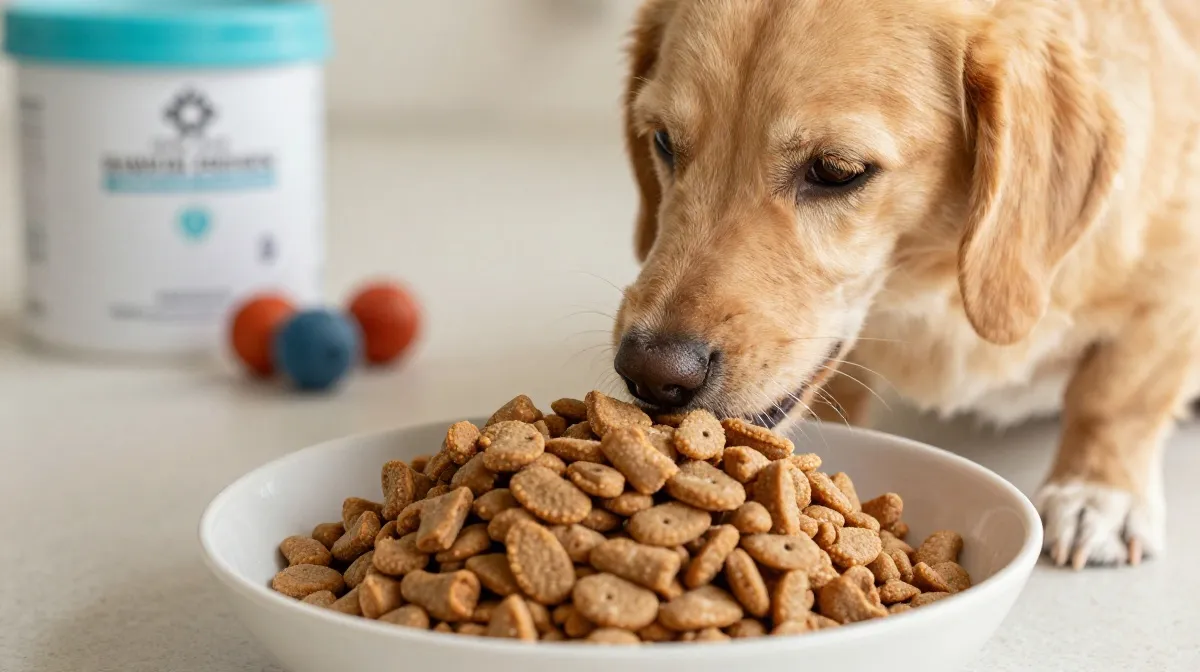
Easy Nursing Dog Food Recipes for New Moms to Make
Watching your furry friend care for her tiny babies is truly heartwarming. You want to help her the best way you can. Giving her good food is key to keeping her healthy and full of energy.
Our guide has simple Nursing Dog Food Recipes for New Moms. We use healthy stuff like chicken, beef, salmon, rice, and sweet potato. These foods give her the energy she needs to make milk for her puppies.

Choosing the right foods is important. But remember, postpartum health also means watching how much she eats and making sure she drinks water. With these nursing dog food recipes for new moms, your pet will stay strong and hydrated. Let’s look at how to make these healthy meals for your furry friend.
Start With Safe Postpartum Nutrition for Your Nursing Dog
Your dog’s body changes a lot after birth. She needs special food to help her recover and care for her puppies. Giving her healthy dog food for nursing moms keeps her strong.
Understand why nursing dogs need more calories, protein, and fluids
Nursing is very tiring and uses a lot of energy. Your dog needs more protein for healing and making milk. She also needs plenty of fresh water because milk is mostly water.
Recognize how appetite and nutritional needs change during lactation
Your dog’s hunger will grow as her puppies need more milk. Her needs will be highest about three to four weeks after birth. Make sure to adjust her food amounts to meet these needs.
Use homemade meals as a supplement or veterinarian-approved diet plan
While cooking for your pet is nice, homemade meals should be a supplement. Always talk to your vet before changing your dog’s diet. A vet-approved plan ensures she gets all the nutrients she needs.
When to contact your veterinarian about poor appetite, weakness, or weight loss
Watch your dog closely every day. If she loses her appetite, gets weak, or loses weight, call your vet right away. These signs might mean she needs medical help to stay healthy and keep her puppies safe.
Gather Ingredients for Healthy Dog Food for Nursing Moms
Creating a healthy meal plan for your nursing dog starts with the right ingredients. Choose high-quality foods to help her recover and care for her puppies. Homemade dog food recipes let you control what she eats every day.
Choose digestible animal proteins for tissue repair and milk production
Protein is key during this time. Opt for lean, easy-to-digest proteins like chicken, turkey, or lean beef. These help her stay strong and make enough milk for her puppies.

Add safe carbohydrates for energy during demanding nursing periods
Nursing is very energy-intensive. Complex carbs like brown rice, oats, or sweet potatoes help. They give her energy all day without causing blood sugar spikes.
Include dog-safe vegetables, eggs, and healthy fats in moderation
Adding variety to her meals is important. Use cooked carrots, green beans, or pumpkin for fiber and nutrients. Eggs are a great protein source, and healthy fats keep her coat shiny.
Ingredients to avoid, including onions, garlic, grapes, raisins, xylitol, and cooked bones
It’s crucial to avoid harmful foods. Don’t use onions, garlic, grapes, raisins, xylitol, or cooked bones. They can be toxic or cause serious harm.
Why supplements should only be added with veterinary guidance
It’s tempting to add extra nutrients, but be careful. Always check with your vet before adding supplements. They can tell if your dog needs them or if her diet is already balanced.
Prepare and Portion Nursing Dog Food Recipes for New Moms
Keeping your kitchen clean and portioning food right are key for nursing dog food recipes for new moms. Making nutritious dog food meals at home helps your pet a lot during this hard time.
Step 1: Wash hands, sanitize equipment, and separate raw ingredients
First, wash your hands well with warm, soapy water before handling food. Clean your cutting boards, knives, and bowls to avoid germs. Keep raw meat away from other foods to keep your dog safe.
Step 2: Cook meat, eggs, grains, and vegetables thoroughly
Cook all proteins and grains until they are fully done to kill germs. Raw or not fully cooked foods can be very dangerous for nursing dogs. Make sure meat and eggs are hot enough before mixing them.
Step 3: Cool and combine ingredients without adding harmful seasonings
Let all cooked parts cool down before mixing them. Don’t add onions, garlic, salt, or other seasonings because they’re bad for dogs. Just mix the plain, cooked foods together for a healthy meal.
Step 4: Divide meals according to your dog’s size, body condition, and litter demands
Every dog needs different amounts of food based on her size and how many puppies she’s nursing. Don’t just guess how much food to give. Adjust the food amount based on her size, body shape, and how active she is.
Use a kitchen scale and your veterinarian’s calorie recommendations for accuracy
For the best results, weigh each serving with a digital kitchen scale. Follow your vet’s calorie advice to make sure your dog gets what she needs. This careful planning helps keep her healthy while she’s nursing.
Make an Easy Chicken, Rice, and Vegetable Nursing Meal
One of the best easy dog food recipes for nursing dogs uses simple, healthy ingredients. It focuses on lean proteins and gentle carbs. This gives your pet the fuel they need to make milk and recover from birth.

Step 1: Cook lean chicken or turkey until fully done
Choose high-quality, lean chicken breast or turkey. Make sure the meat is thoroughly cooked. Avoid adding oils, salts, or seasonings that could upset your dog’s stomach.
Step 2: Prepare plain white rice or brown rice for gentle energy
Cook your chosen rice until it’s soft and easy to digest. Plain rice is a great energy source. It helps your dog stay energetic all day.
Step 3: Stir in dog-safe vegetables such as carrots, green beans, or pumpkin
Add finely chopped carrots, steamed green beans, or plain pumpkin puree. These add vital vitamins and fiber. They make these nursing dog food recipes for new moms balanced and tasty.
Step 4: Cool the meal and serve it in small, frequent portions
Let the food cool to room temperature before serving. Serving small, frequent meals keeps your dog’s energy stable. It also encourages her to eat, even if she’s feeling tired from nursing.
Adjust the texture for dogs with reduced appetite or dental discomfort
If your dog is hesitant to eat, mash the ingredients into a soft, porridge-like consistency. This gentle approach makes eating easier. It’s very soothing for a tired nursing mom.
Store leftovers safely in the refrigerator or freezer
Keep extra portions in airtight containers to stay fresh. Store these meals in the fridge for up to three days. Or freeze them for later to make your routine easier with these nursing dog food recipes for new moms.
Prepare a Beef, Sweet Potato, and Egg Lactation Dog Food Recipe
If you’re looking for lactation dog food recipes, try this beef and sweet potato mix. It’s full of energy and easy on your dog’s stomach. Making these nutritious dog food meals at home lets you pick what goes into her food.

Step 1: Brown lean ground beef and drain excess fat
First, cook lean ground beef in a skillet over medium heat. It’s important to drain the extra fat well after cooking. This helps avoid stomach problems and keeps the meal light for your nursing dog.
Step 2: Cook plain sweet potato until soft and easy to mash
Boil or steam plain sweet potatoes until they’re soft. Then, mash them into a smooth mix. This makes the food easy for your dog to eat between nursing sessions.
Step 3: Add a fully cooked egg for protein and nutrient variety
Add one fully cooked egg to the mix for more protein. Eggs help with milk production. Make sure the egg is thoroughly cooked for safety and better nutrient use.
Step 4: Combine the ingredients and check the serving temperature
Mix the beef, mashed sweet potato, and egg in a clean bowl. Always check the food’s temperature before serving. It should be warm but not hot for your dog’s comfort.
Limit rich ingredients if your dog develops loose stool or vomiting
Every dog is different when it comes to new foods. If your dog has loose stool or vomiting, cut back on rich foods. It’s a good idea to reassess the recipe and talk to your vet if these problems don’t go away.
Keep the recipe balanced rather than relying on meat alone
While protein is key, these nutritious dog food meals need to be balanced for health. Don’t just use meat; your dog also needs vitamins and fiber from veggies. Using these lactation dog food recipes in a varied diet keeps your dog healthy while she’s nursing.
Serve a Salmon, Oatmeal, and Pumpkin Postpartum Dog Meal
Feeding a moist meal helps a lot with postpartum dog nutrition during the hard lactation time. This easy recipe has healthy fats and soft fibers. It keeps your dog happy and full of energy.
Step 1: Select plain, fully cooked salmon with all bones removed
Choose top-quality salmon that’s cooked well without oils or seasonings. It’s very important to check the fish carefully. Make sure all bones are gone to avoid choking.
Step 2: Prepare plain oats and unsweetened pumpkin puree
Cook the oats until they’re soft and easy to digest. Add a bit of unsweetened pumpkin puree. It’s full of fiber for good digestion.
Step 3: Mix the ingredients into a soft, moisture-rich meal
Mix the salmon, oats, and pumpkin together until it’s soft and tasty. This mix is a great lactation dog food recipe. It keeps your dog hydrated while she nurses.
Step 4: Introduce the recipe gradually alongside familiar food
Start by adding a little of the new meal to your dog’s usual food. This slow introduction helps you see how she reacts. It also keeps her stomach calm.
Watch for fish allergies, digestive upset, or intolerance to new ingredients
Watch your dog closely after she tries this meal for the first time. If she shows signs of itching, vomiting, or loose stools, stop the meal. Talk to your vet right away.
Avoid canned salmon with excessive sodium or flavored sauces
Don’t use canned salmon with salt, preservatives, or sauces. These can harm your dog. Use fresh or plain canned salmon to keep the lactation dog food recipes safe and healthy.
Build Simple Dog-Friendly Postpartum Meals Without Cooking From Scratch
It can be hard to balance a busy life with caring for a nursing dog. But, there’s an easier way to help. You don’t need to spend hours cooking to make nutritious meals for your pet.
Combine veterinarian-approved commercial food with safe fresh toppers
Start with a good, vet-approved commercial base. Add fresh, healthy toppers to make your dog’s meals better. This way, you don’t have to cook homemade dog food recipes every day.
Use plain cooked chicken, egg, rice, pumpkin, or green beans as occasional additions
For a special treat, add safe ingredients to their food. Try plain cooked chicken, scrambled eggs, white rice, pumpkin puree, or steamed green beans. These easy dog food recipes for nursing dogs keep them interested and add extra nutrients.
Create batch-prepped meal components for busy new-mom schedules
Save time by cooking big batches of these ingredients. Store them in the fridge or freezer in small portions. This way, you can easily add them to your dog’s food on busy days.
Keep toppers and treats below the amount that disrupts dietary balance
Remember, these fresh additions should be a small part of their diet. Keep them under 10% of their daily calories. This ensures they get the right nutrients from their main food.
Never replace a complete-and-balanced diet with an improvised recipe long term
While these dog-friendly postpartum meals are great for variety, they shouldn’t replace a balanced diet. Always use a high-quality commercial food as the main source. This ensures your nursing dog gets all the needed nutrients for healthy lactation.
Match Meal Timing and Portions to Every Nursing Stage
Helping a nursing mom dog get the right food is a changing job. You need to be flexible and watch for signs from your dog. This way, she stays healthy and makes enough milk for her puppies.
Feed smaller, more frequent meals during the first postpartum days
Right after birth, your dog might not want to eat much. This could be because of stress or hormone changes. Give her many small, healthy meals during the day. This keeps her energy up without upsetting her stomach.
Increase energy intake as puppies grow and nursing becomes more demanding
As the puppies grow, they need more milk. You’ll need to give your dog more food to keep up. If she seems hungry or is losing weight, give her a bit more food. Do this slowly to meet her needs.
Provide constant access to clean, fresh water
Drinking water is as important as eating during nursing. A nursing dog loses a lot of water making milk. Make sure her water bowl is always full. This helps her stay healthy and keep making milk.
Monitor body condition, stool quality, appetite, and milk production
Keep a close eye on your dog’s health. Watch these important signs:
- Body Condition: Make sure she’s not losing too much weight.
- Stool Quality: Look for any signs of upset stomach.
- Appetite: Notice if she suddenly doesn’t want to eat.
- Milk Production: Check that the puppies are getting bigger.
Adapt portions for small breeds, large breeds, and unusually large litters
Different dogs need different amounts of food. Small dogs might need more food that’s packed with calories. Big dogs might need more food overall. If your dog has a big litter, she’ll need extra food to stay healthy.
Transition gradually when returning to a maintenance diet after weaning
When the puppies start eating solid food, start cutting back the mom’s food. Don’t change her diet suddenly. This can upset her stomach or cause health problems. Instead, slowly transition her back to her regular diet over a week. This helps her recover smoothly.
Store Homemade Dog Food Safely and Avoid Common Feeding Mistakes
Keeping your dog-friendly postpartum meals fresh is easy. Just follow a few simple steps. This way, your nursing dog gets the best nutrition without any risks.
Refrigerate cooked food promptly in shallow, covered containers
After cooking, put the food in the fridge within two hours. Use shallow containers to cool it down faster. This keeps the food fresh and safe for your dog.
Freeze individual portions to simplify feeding and reduce waste
Freezing your dog-friendly postpartum meals in single servings is a great idea. It saves time and reduces waste. This way, you always have a healthy meal ready for your dog.
Reheat meals gently and test the temperature before serving
When you’re ready to serve a frozen portion, thaw it in the fridge overnight. Reheat it gently on the stove or in the microwave. Always test the temperature with your finger to make sure it’s not too hot.
Discard food left at room temperature for too long
If your dog doesn’t eat a meal in 30 to 60 minutes, throw it away. Bacteria grow fast in warm, moist food. So, never leave uneaten portions out for too long.
Prevent cross-contamination from raw meat, utensils, and food bowls
Wash your hands, cutting boards, and knives well after handling raw ingredients. Clean your dog’s bowls with hot, soapy water after each meal. This stops harmful germs from building up.
Know the signs of foodborne illness and dehydration that require veterinary care
Keep an eye on your dog for any health changes. Look out for vomiting, diarrhea, lethargy, or dehydration signs. If you see these, call your vet right away. This ensures your dog-friendly postpartum meals stay safe for your dog.
Conclusion
High-quality nutrition is key for your pet during motherhood. Nursing Dog Food Recipes for New Moms help keep your dog healthy. They are great while she takes care of her puppies.
You can make balanced meals with chicken, beef, salmon, and more. Use rice, sweet potato, eggs, oats, and veggies. These recipes need complete nutrition and the right amounts. Always have fresh water for milk production and staying hydrated.
Start new foods slowly to keep your dog’s appetite and digestion good. Watch her body and energy as the puppies grow. Homemade meals are great supplements but don’t forget vet advice.
If you see changes in milk or your dog feels bad, call your vet. Your care helps the mother and puppies do well. These recipes show your love and care for your dog.


