
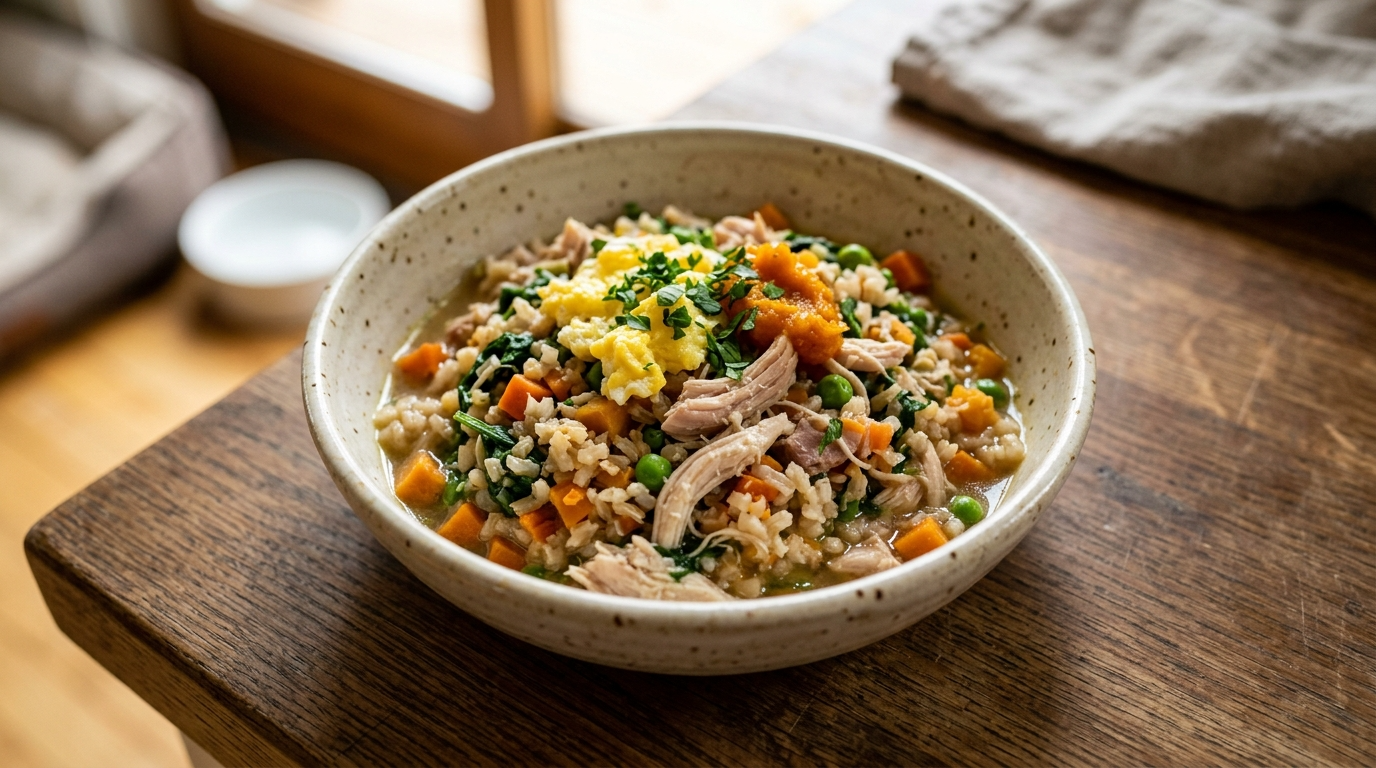
6 Healthy Dog Food Recipes for Senior Dogs You’ll Love
Last winter, my golden retriever, Buster, started turning his nose up at his usual kibble. Watching him lose his spark was heartbreaking. So, I decided to head into the kitchen to whip up something fresh. That simple change made his mealtime the highlight of his day.

If you want to provide extra love to your aging companion, this guide offers 6 healthy dog food recipes for senior dogs. These meals use wholesome ingredients like lean turkey, salmon, and pumpkin. They support vitality. You’ll find these easy dog food recipes for older dogs simple to prepare and full of nutrients.
While homemade dog food for senior dogs can be great, please consult your vet first. Every pet has unique needs. Professional guidance ensures your meals are nutritionally complete. We’ll cover tips on portion control, storage, and safety to help you serve these dishes responsibly.
Why Senior Dogs Need Thoughtful Nutrition
As your loyal companion gets older, their food needs change a lot. Giving them proper senior dog nutrition is a kind thing to do. It helps them stay comfortable and full of life. Every dog ages differently, so knowing these changes is key to good meals.
How Aging Can Change Your Dog’s Dietary Needs
Older dogs move slower and need less food. They might not want to run as much or walk as far. This means they need fewer calories to stay healthy.
Older dogs can also get upset by certain foods. Watching how they react to their food is very important for their health.
Helpful Nutrients for Mobility, Digestion, and Brain Health
High-quality proteins help keep muscles strong without hurting their organs. Fiber is also key for a healthy gut and feeling full. Making sure their food is moist helps their kidneys and keeps them hydrated.
Good nutrients for their brain and joints are also important. Omega-3 fatty acids are very good for their brain and moving around. The right mix of nutrients keeps them sharp and comfortable as they age.
When Your Dog’s Weight or Appetite Requires Extra Attention
Changes in weight or appetite need to be checked by a vet. If your dog is losing or gaining weight, or not eating, it could mean they’re sick. Also, if they drink a lot more water or pee a lot, see a vet.
Think of these meal ideas as starting points, not solutions for all health problems. Always talk to your vet before changing your dog’s diet, and use vet-approved recipes for senior dogs. This ensures their meals are safe and meet their needs.
How to Choose Safe Ingredients for Homemade Senior Dog Food
When you make homemade dog food for senior dogs, pick ingredients carefully. This ensures every bite meets their needs. But remember, these foods might not have all the nutrients your vet recommends.

Lean Proteins That Are Easier for Older Dogs to Enjoy
Older dogs have trouble with heavy or fatty foods. Lean proteins help keep their muscles strong without upsetting their stomachs. Choosing these proteins helps keep your dog full of energy.
- Lean Turkey: A gentle, easily digestible protein source.
- Chicken Breast: Provides essential amino acids without excess fat.
- Salmon: Rich in omega-3 fatty acids for joint and skin health.
- Eggs: A highly bioavailable protein that is easy to chew and digest.
Fiber-Rich Vegetables and Gentle Carbohydrate Sources
Good senior dog nutrition needs carbs and fiber-rich veggies. These keep your dog full and help with digestion. Make sure to cook these items well so they’re soft for older dogs.
- Grains: Brown rice, oatmeal, barley, and quinoa offer steady energy.
- Vegetables: Carrots, green beans, and squash provide vital vitamins.
- Pumpkin: An excellent source of fiber for digestive regularity.
Ingredients and Seasonings You Should Never Add
Some kitchen items are toxic to dogs and must be avoided. Even a little can harm an aging pet. Being careful in the kitchen keeps your dog safe.
Why onions, garlic, grapes, raisins, and xylitol are dangerous
These items are off-limits because they can be very harmful. Onions and garlic can damage red blood cells. Grapes and raisins can cause sudden kidney failure. Xylitol can drop blood sugar and harm the liver.
Why excess fat, salt, and cooked bones can create problems
Too much fat can lead to pancreatitis, a big risk for older dogs. Too much salt can hurt the heart and kidneys. Never use cooked bones because they can splinter and cause harm.
6 Healthy Dog Food Recipes for Senior Dogs
Making easy dog food recipes for older dogs at home lets you pick the best ingredients. You can use fresh, healthy foods to meet your pet’s needs. These 6 recipes are gentle on the stomach and full of nutrients.
Turkey, Brown Rice, and Vegetable Senior Dog Bowl
Ingredients: lean ground turkey, cooked brown rice, carrots, green beans, and pumpkin
Cooking and mixing directions
Cook the turkey until it’s fully browned. Steam the carrots and green beans until soft. Mix the turkey, brown rice, and veggies with pumpkin in a bowl.
How this balanced bowl supports digestion and steady energy
This recipe gives your dog steady energy from brown rice. Pumpkin helps with digestion. The lean turkey is high in protein but low in fat.
Soft-texture adjustments for dogs with dental discomfort
For dogs with dental issues, blend the mix into a pâté. Adding low-sodium broth makes it easier to swallow.

Chicken, Oatmeal, and Pumpkin Comfort Meal
Ingredients: skinless chicken breast, plain oats, pumpkin purée, zucchini, and spinach
Cooking and mixing directions
Boil the chicken until tender, then shred it. Cook oats with water. Mix in pumpkin, zucchini, and spinach while oats are warm.
How pumpkin and oatmeal can add gentle fiber
Pumpkin and oatmeal are great for fiber. They help with digestion and keep your dog full.
Portion and texture adjustments for less active dogs
For less active dogs, reduce oats to control calories. Finely chop spinach for a smooth mix.
Salmon, Sweet Potato, and Green Bean Supper
Ingredients: cooked salmon, sweet potato, green beans, and quinoa
Cooking and mixing directions
Bake or steam salmon until flaky. Boil sweet potato and cook quinoa. Mix all together, cutting veggies into small pieces.
How omega-3 fatty acids and protein may support aging dogs
Salmon has omega-3 fatty acids for joint health. This homemade dog food for senior dogs is easy to digest.
How to remove bones and avoid excess oil
Check salmon for bones before mixing. Use canned salmon in water, not oil, to keep fat low.
Beef, Barley, and Root Vegetable Stew
Ingredients: lean ground beef, pearl barley, carrots, celery, and butternut squash
Cooking and mixing directions
Brown beef, then drain fat. Simmer barley and veggies in water or broth. Mix with beef for a flavorful stew.
How a moist stew can help dogs that prefer softer meals
This stew is great for senior dogs who struggle with kibble. The soft barley and veggies are easy to eat.
Ways to reduce fat while preserving flavor
Choose lean ground beef. Add parsley or turmeric for flavor and health benefits.
Egg, Cottage Cheese, and Vegetable Scramble
Ingredients: fully cooked eggs, low-fat cottage cheese, peas, carrots, and brown rice
Cooking and mixing directions
Scramble eggs without oil. Mix with cottage cheese, peas, carrots, and brown rice. Serve warm.
How this protein-rich meal can work as an occasional recipe
This scramble is a nutrient-dense treat. It’s good for dogs needing extra protein and calcium.
Why portion control matters with dairy and eggs
Be careful with dairy and eggs. Watch for any stomach upset in your dog.
Turkey and Lentil Soft Food for Older Dogs
Ingredients: lean turkey, fully cooked lentils, pumpkin, carrots, and white rice
Cooking and mixing directions
Cook turkey and lentils until soft. Mash carrots and pumpkin, then mix with turkey and rice. The mix should be soft.
How to use lentils carefully for fiber and plant protein
Lentils are a good plant protein. Cook them well to make them digestible. They add fiber for digestive health.
When to skip this recipe if your veterinarian recommends lower protein or phosphorus
If your vet says to avoid high protein or phosphorus, skip this recipe. Always check with your vet before trying new foods.
How to Make These Recipes Safer and More Nutritious
Feeding your senior dog well at home is more than just picking healthy foods. You also need to focus on how you prepare meals. This ensures every meal is safe and balanced for your aging pet.
Cook Every Animal Protein and Egg Thoroughly
Older dogs have weaker immune systems. They are more likely to get sick from bad food. Always cook meats, poultry, fish, and eggs until they are fully done. This kills harmful bacteria like Salmonella or E. coli.
Don’t serve raw or undercooked proteins, even if others do. Cooking thoroughly makes your vet-approved recipes for senior dogs safe for your pet.
Use Plain Ingredients Without Salt, Spices, or Sauces
It’s tempting to add flavor to your dog’s food. But many kitchen staples are bad for pets. Avoid adding salt, garlic, onions, or spicy seasonings to any meal.
Commercial sauces often have hidden sugars or preservatives. These can upset a sensitive stomach. Use plain, whole-food ingredients to keep your dog healthy and avoid health risks.
Measure Ingredients Instead of Estimating by Eye
Keeping your dog at the right weight is key. Guessing portion sizes can lead to too many calories or missing nutrients.
Use a digital kitchen scale or standard measuring cups for every meal. This ensures your vet-approved recipes for senior dogs have the right balance of protein, fat, and fiber.
Ask Your Veterinarian About Calcium and Other Supplements
Homemade diets might lack certain minerals, like calcium. This is important for bone health. Never add supplements to your dog’s food without a vet’s advice.
Ask your vet if your dog needs specific vitamins or minerals for senior dog nutrition. They can help you choose safe, high-quality supplements for your cooking.
How to Serve Homemade Food to Your Senior Dog
When you start homemade dog food for senior dogs, how you serve it is key. A thoughtful approach helps your pet feel comfortable with new meals.

Transition Gradually From Commercial Food
Don’t switch your dog’s diet suddenly. It can upset their stomach. Start by mixing a little homemade food with their current food over seven to ten days.
Carefully monitor your dog’s appetite and stool quality. If they seem uncomfortable, slow down the transition. Give their system more time to adjust.
Match Portions to Body Weight, Activity, and Health Conditions
Every dog is different. You need to figure out the right portion size for your dog. Consider their weight, activity level, and health.
A less active senior dog needs fewer calories. Always talk to your vet about the ideal caloric intake for your pet.
Serve Smaller Meals if Your Dog Has a Sensitive Stomach
If your dog has trouble digesting food, big meals can be hard. Try giving them three or four smaller meals a day.
Smaller portions are easier for your dog’s body to handle. This can help reduce bloating and keep them happy and energized.
Adjust Food Texture for Missing Teeth or Jaw Pain
Older dogs might have trouble chewing hard food. You can make senior dog meal ideas softer by blending ingredients or adding warm water or broth.
Softer food helps your dog eat without pain. These recipes can also be mixed with commercial diets for a balanced diet.
How to Store, Reheat, and Freeze Senior Dog Meals
Learning to store and reheat your dog’s meals can make your week easier. It’s key to keep easy dog food recipes for older dogs safe and tasty for your pet.

Refrigerate Cooked Food Promptly in Airtight Containers
Put the cooked food in the fridge within two hours. Use airtight containers to stop bacteria and keep food fresh.
Label the containers with the cooking date. This helps you know which food is oldest and serve it first.
Freeze Individual Portions for Convenient Meal Planning
Freezing is great for managing easy dog food recipes for older dogs. Divide the food into single servings before freezing.
This way, you can thaw only what you need for the day. It saves time and keeps the rest fresh for later.
Reheat Meals Gently and Check the Temperature Before Serving
Thaw frozen portions in the fridge overnight. If warming, use a gentle method like a quick stir or a short microwave burst.
Always check the temperature before serving. The food should be lukewarm, not hot, to avoid burning your dog’s mouth.
Know When Leftovers Should Be Discarded
When feeding your senior pet, safety comes first. Throw away leftovers with bad smells or visible spoilage.
If unsure about a meal’s storage history, it’s best to discard it. Never serve food that’s been at unsafe temperatures for too long, as it can upset your dog’s stomach.
How to Adapt Recipes for Common Senior Dog Health Needs
Changing your dog’s diet as they age is key for their health. As they get older, their body changes. This means senior dog nutrition needs to change too.

Lower-Calorie Adjustments for Overweight Older Dogs
If your dog is overweight, you might need to make their food less calorie-dense. Try using leaner proteins like white fish or skinless turkey breast instead of fatty ones.
Adding fiber-rich veggies like green beans or steamed broccoli can help. They make your dog feel full without extra calories. Always check their body condition score to keep them at a healthy weight for their joints.
Texture and Moisture Changes for Dental Disease
Dental pain can make eating hard for older dogs. You can make their food softer by chopping ingredients finely or using a food processor.
Adding low-sodium bone broth or warm water makes the food easier to swallow. This keeps your dog hydrated and happy while eating nutritious meals.
Why Kidney, Liver, Pancreatic, and Heart Conditions Need Veterinary Guidance
Dogs with certain health issues need special diets. Kidney, liver, pancreas, or heart problems require careful control of certain nutrients.
Don’t try to manage these conditions with diet alone. Always talk to your vet. They can help create vet-approved recipes for senior dogs that fit their health needs.
How Allergies and Food Sensitivities Affect Ingredient Choices
Older dogs can develop new food sensitivities. These can cause skin problems or upset stomachs. If your dog seems uncomfortable, try a single-protein diet to find and avoid allergens.
Working with your vet helps make vet-approved recipes for senior dogs that avoid common allergens. A simple, clear ingredient list is best for your aging friend’s health.
How to Build a Simple Weekly Meal Plan
Creating a weekly meal plan for your aging dog is easy. Use 6 healthy dog food recipes for senior dogs to add variety. This keeps your pet’s diet interesting and healthy.
Rotate Proteins Without Changing Too Many Ingredients at Once
Introducing new proteins slowly is best. Sudden diet changes can upset a sensitive stomach. Keep the base ingredients the same for a few days.
Swap the protein while keeping the rest the same. This gentle approach helps you see how your dog reacts. It avoids overwhelming their digestive system.
Combine Homemade Food With a Complete Senior Dog Diet When Needed
You don’t have to make every meal from scratch. Many owners mix homemade meals with commercial diets. This way, your dog gets a nutritionally complete balance and fresh ingredients.
Always check with your vet to make sure your dog gets all the nutrients they need. This ensures their diet is balanced and healthy.
Prepare Batch-Cooked Portions for Busy Weekdays
Efficiency is key for busy weeks. Spend a few hours on the weekend cooking big batches of meals.
Use measured containers or freezer-safe bags for portions. Label them with date and recipe. This makes it easy to grab a healthy meal each morning.
Track Appetite, Stool Quality, Weight, and Energy
Watching your dog is crucial. Keep a log to track their response to new recipes.
Notice their appetite, stool quality, weight, and energy. If you see any bad changes, adjust the plan. This ensures your dog’s needs are met.
Signs Your Senior Dog’s Diet May Need an Adjustment
Even the best senior dog meal ideas might need changes as your pet ages. Aging affects dogs differently. So, it’s key to watch your pet’s daily habits for their health.
Changes in Weight, Thirst, Urination, or Appetite
Watch your dog’s weight closely. Sudden weight changes mean their diet might not be right anymore.
Also, check their water and bathroom habits. Unusual thirst or more trips to the bathroom could mean their body is changing.
Digestive Symptoms After Trying a New Recipe
Be careful when trying new senior dog meal ideas. If your dog vomits, has diarrhea, or constipation, it might be the food.
- Loose stools or frequent gas
- Refusal to eat or picky behavior
- Vomiting shortly after meals
- Straining during bowel movements
Changes in Mobility, Coat Quality, or Daily Energy
Nutrition affects your dog’s health from the inside out. A dull coat or dry skin might mean they need more fatty acids.
Look for reduced energy levels or stiffness. Some slowing down is normal, but sudden changes might mean they need more nutrients for joints.
When to Stop Homemade Meals and Contact Your Veterinarian
It’s tempting to keep trying new foods, but don’t. If your dog looks sick, tired, or shows bad symptoms, stop the homemade diet right away.
Professional guidance is key to check for health issues that food can’t fix. Always talk to your vet before big changes if your dog seems unwell.
Making Homemade Meals Part of Your Dog’s Healthy Routine
Adding fresh meals to your senior dog’s life is rewarding. It’s a step toward better health. But, remember, these meals are part of a bigger wellness plan, not just a quick fix.
Use These Recipes as Nourishing Meal Ideas, Not One-Size-Fits-All Diets
Think of homemade dog food for senior dogs as a starting point for your pet’s nutrition. These meals should add to a balanced lifestyle, not replace it. Every dog’s needs change as they age.
Working with your vet is key to getting the right nutrients. Vet-approved recipes for senior dogs work best when a vet checks portion sizes and supplements. This teamwork keeps your dog healthy and lively.
Pair Good Food Choices With Exercise, Dental Care, and Regular Checkups
Good food is just one part of caring for an older pet. Add gentle daily exercise to keep muscles and joints flexible. Don’t forget about dental care, as it affects eating comfort.
Regular vet visits help track your dog’s health. These visits let you adjust feeding as your dog’s health changes. Consistency in care is key for a long, happy life.
Choose the Recipe That Best Fits Your Dog’s Preferences and Needs
Picking the right meal depends on your dog’s history and preferences. Consider their appetite and any food sensitivities. Watch how they react to new foods to ensure they digest well.
Adjust their diet based on energy levels and stool quality. Remember, vet-approved recipes for senior dogs are a good start. But trust your instincts and keep your vet in the loop as you fine-tune their diet.
Conclusion
Feeding your aging dog well is a great way to care for them. These 6 healthy dog food recipes for senior dogs are full of tasty proteins. You can use turkey, chicken, salmon, beef, eggs, and lentils to make meals fun.
Good habits are key to your pet’s health. Use simple ingredients, cook proteins well, and measure food carefully. Keeping meals safe and slowly changing your dog’s diet helps their stomach.
If your dog has health problems, always get vet advice. Dogs with kidney, liver, heart, or pancreatic issues need special recipes. Allergies and dental pain also need special diets.
Choose a recipe that fits your dog’s likes and needs. See how they react to the new food. Your effort to feed them well will make their life happier and more comfortable.


