
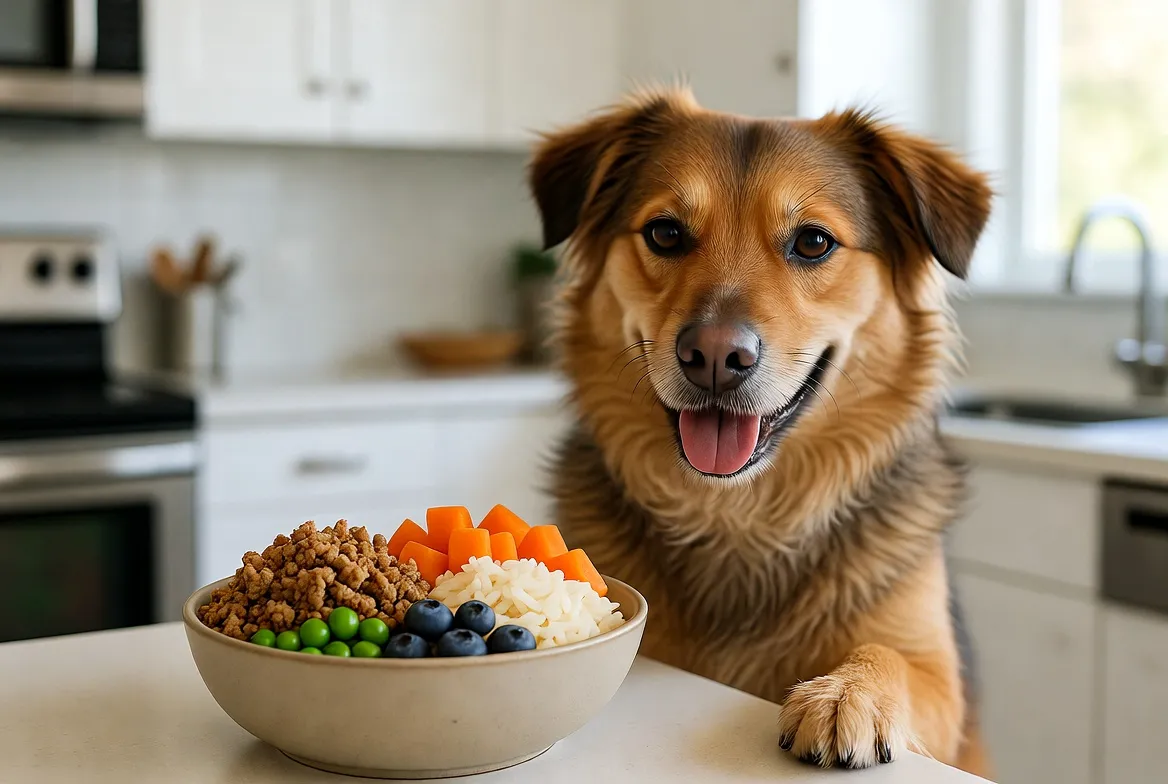
6 Easy Homemade Dog Food Recipes for Beginners with No Fuss
Last Tuesday, I stood in the pet aisle staring at a bag of kibble. I wondered what was really inside. My golden retriever, Cooper, had been acting sluggish. I felt a sudden urge to take control of his health.
I realized that fresh, whole ingredients might be the missing link to his vitality.

Many pet parents are now choosing to prepare meals in their own kitchens. This shift allows you to avoid mystery fillers and focus on high-quality nutrition. You might worry that cooking takes too much time, but it is actually quite simple once you have a plan.
Taking charge of your canine’s diet does not require a culinary degree or hours of prep work. By following a few streamlined methods, you can provide wholesome meals. These meals will keep your furry friend happy and energized. Let’s explore how you can start this rewarding journey today.
Why Homemade Dog Food is a Game Changer for Your Pup
Many pet parents are finding out that the key to a happy dog is in their kitchen. By trying out different dog food recipes, you can control what your dog eats every day. This move helps you avoid the bad stuff in commercial kibble.
When you cook for your dog, you know exactly what they’re eating. This is great if your dog has stubborn food sensitivities or allergies. You pick the fresh ingredients, not the bag.
Using diy dog food recipes brings many benefits for your dog:
- Improved digestion from whole foods.
- Enhanced coat health from natural oils and nutrients.
- Customized nutrition for your dog’s age and activity level.
- Weight management with controlled portions and calories.
By making a diet that fits your dog’s needs, you make them happier and more energetic. You’ll see a big change in their energy right away. This way, your dog stays healthy for many years.
Essential Nutritional Guidelines for Your Canine Companion
Feeding your dog homemade pet food is rewarding. It starts with knowing the basics of nutrition. The right mix of nutrients keeps your dog active, healthy, and full of life.

Understanding Macronutrient Balance
A healthy diet needs proteins, fats, and carbs. Proteins help muscles, while fats give energy for play. Carbs give fuel and fiber for digestion.
When making dog food recipes, use quality ingredients. Choose lean meats, fish, and whole grains for your dog’s health.
Safe Ingredients to Keep in Your Pantry
Having dog-friendly foods in your kitchen helps. Keep ingredients that are good for your dog’s health.
- Lean proteins: Chicken breast, turkey, and white fish.
- Healthy grains: Brown rice, quinoa, and rolled oats.
- Fresh vegetables: Carrots, green beans, and sweet potatoes.
- Healthy fats: Small amounts of flaxseed or fish oil.
Having these items ready lets you make healthy homemade pet food quickly. It’s important to mix things up to avoid nutritional gaps.
Foods to Strictly Avoid
Some human foods are dangerously toxic to dogs. Never add these to your dog food recipes.
Items like grapes, raisins, onions, garlic, and chocolate can harm your dog. Always check your ingredients to keep your kitchen safe for your pet.
6 Easy Homemade Dog Food Recipes for Beginners with No Fuss
Want to make your dog’s diet better? Start with these 6 easy homemade dog food recipes for beginners with no fuss. Making meals at home lets you pick what your pet eats. You can use fresh, whole foods for better nutrition than processed foods.
These diy dog food recipes are great for making big batches. This saves time during the week. Just make a lot, divide it into daily parts, and freeze for later.

Chicken and Sweet Potato Power Bowl
This recipe is loved for being easy on the stomach and full of energy. Sweet potatoes give your dog fiber and vitamins.
- 2 cups cooked shredded chicken breast
- 1 cup mashed sweet potato
- 1/2 cup steamed green beans
- 1 tablespoon olive oil
Ground Turkey and Quinoa Veggie Medley
Quinoa is a great gluten-free grain with all the amino acids. Mixing it with lean turkey makes a meal dogs love.
- 2 cups cooked ground turkey
- 1 cup cooked quinoa
- 1/2 cup finely chopped carrots
- 1/4 cup peas
Beef and Brown Rice Hearty Stew
This beef stew is great for active dogs. Brown rice gives them energy all day.
- 2 cups lean ground beef
- 1 cup cooked brown rice
- 1/2 cup chopped zucchini
- 1/4 cup spinach
Salmon and Spinach Nutrient Boost
Salmon has omega-3 fatty acids for a shiny coat and healthy skin. This recipe adds healthy fats to your dog’s diet.
- 2 cups cooked salmon (boneless)
- 1 cup cooked white rice
- 1/2 cup steamed spinach
- 1 teaspoon fish oil
Lean Pork and Pumpkin Digestive Delight
Pumpkin helps with digestion if your dog’s stomach is sensitive. This lean pork recipe is easy to digest and tasty.
- 2 cups cooked lean pork
- 1 cup pureed pumpkin (unsweetened)
- 1/2 cup cooked cauliflower
- 1 tablespoon coconut oil
Egg and Cottage Cheese Protein Feast
This quick meal is packed with protein. It’s light, nutritious, and cooks fast.
- 3 large scrambled eggs
- 1 cup low-fat cottage cheese
- 1/2 cup steamed broccoli florets
- 1 tablespoon ground flaxseed
By changing these diy dog food recipes, your pet gets many nutrients. Always introduce new foods slowly to keep your dog happy and healthy.
How to Properly Transition Your Dog to a New Diet
Starting your dog on homemade pet food is a great step. But it’s important to do it slowly. Quick changes can upset your dog’s stomach, leading to vomiting or diarrhea.
The Gradual Mixing Method
For a smooth transition, use a seven-day transition period. Gradually add more of the new food and less of the old. This lets your dog’s stomach get used to the new food without discomfort.
Begin by mixing 25% new food with 75% old food for the first two days. By days three and four, mix 50/50. Keep adding more homemade dog food until you’re fully switched by the end of the week.
Monitoring Your Dog for Digestive Sensitivity
Every dog is different when it comes to food changes. Watch for signs like gas, bloating, or less appetite. If you see these, slow down the transition by staying at the current mix for a day or two.
Consistency is key when introducing new foods. Keep an eye on your dog’s energy and stool. If they struggle, talk to your vet for help with your homemade dog food plan.
Batch Cooking and Safe Storage Techniques
Making homemade dog food doesn’t have to be daily. Plan and cook in batches. This way, your pet gets nutritious meals without daily kitchen stress.
It lets you keep a routine while trying new healthy dog food recipes. Your dog will love them.

Portioning Meals for Daily Convenience
After cooking, portioning is key. Use food-safe glass or BPA-free plastic containers to keep food fresh. Divide the food into servings based on your dog’s needs.
Remember to label every container with date and recipe name. This helps avoid confusion and keeps your freezer tidy.
Freezing and Thawing Best Practices
Freezing right is crucial for keeping nutrients in your homemade dog food. Cool the food fully before freezing to avoid ice crystals. This keeps the food’s texture and quality.
For thawing, the safest method is to thaw in the fridge overnight. This gradual thawing process stops harmful bacteria growth. If in a hurry, thaw in cool water, but never microwave.
Managing Costs and Sourcing Quality Ingredients
Learning to shop smart makes making healthy dog food recipes easy. You don’t have to spend a lot to feed your pet well. With a few smart tips, you can get fresh ingredients without breaking the bank.

Shopping at Local Farmers Markets
Going to your local farmers market is a great way to find cheap, fresh food. These markets have the best veggies and fruits for your dog. Buying seasonal items means you get the most nutritional value for your money.
Shopping locally helps your community and gets you top-notch ingredients for your pet. Vendors often share the best produce tips. This way, you can keep your dog’s meals varied without spending too much.
Buying in Bulk to Save Money
Buying proteins like chicken or beef in bulk saves a lot of money. When you buy more, the cost per pound goes down. Proper storage is key to keeping these ingredients fresh.
Organize your pantry and freezer to avoid wasting food. Use airtight containers or vacuum-sealing bags to keep things fresh. Planning meals around bulk buys helps you save money and stay organized.
Common Mistakes Beginners Make When Cooking for Dogs
Even with easy dog food recipes, mistakes can happen. Starting a home-cooked diet shows you care, but it needs careful attention. Avoiding these common pitfalls will help you keep your dog healthy and happy.

Over-relying on Single Protein Sources
Feeding the same protein every day is a big mistake. While your dog might love chicken or beef, it’s not enough. Different proteins give your dog the amino acids they need to stay healthy.
Try mixing up proteins like poultry, fish, and lean meats. This variety ensures your dog gets all the nutrients they need. Variety is truly the spice of life for dogs.
Ignoring the Need for Calcium Supplements
Many think meat and veggies are enough, but they’re not. A big mistake is forgetting about adequate calcium. Without the right calcium and phosphorus, your dog’s bones and metabolism can suffer.
Adding calcium with eggshells or a vet-approved supplement is safe. Always check with a vet to find the right amount for your dog. With the right easy dog food recipes and minerals, you can be sure your dog is getting a complete meal.
Consulting Your Veterinarian Before Changing Diets
While simple dog food recipes are fun to make, always check with a vet first. Your vet is key to keeping your dog healthy and happy. Taking this extra step makes you and your pet safer.
When to Seek Professional Nutritional Advice
Call your vet or a vet nutritionist if you’re changing your dog’s food. They’ll check if your meals meet AAFCO standards. This makes sure your dog gets all the nutrients they need.
Tailoring Recipes for Specific Health Conditions
If your dog has health problems, like kidney disease, diabetes, or joint issues, get expert advice. A vet can adjust simple dog food recipes to fit your dog’s health needs. This helps avoid making things worse.
Tools and Equipment You Need to Get Started
Setting up your workspace right is key to making simple dog food recipes at home. The right tools make cooking for your pup fun and easy. They save you time and effort too.
Essential Kitchen Gadgets for Efficiency
A high-quality digital food scale is a must for your pet’s health. It helps you feed them the right amount. Also, get durable, airtight storage containers to keep meals fresh in the freezer.
The right tools make simple dog food recipes easier for busy pet owners. A good food processor is great for chopping and blending. These tools make kitchen time more efficient.
Cleaning and Sanitizing Your Prep Area
Keeping your workspace clean is crucial to avoid mixing food and pet meals. Always clean your cutting boards, knives, and bowls with hot, soapy water right after. This keeps your kitchen safe for everyone.
If you work with raw proteins, sanitize your counters with a pet-safe cleaner. Keeping your prep area clean means healthier meals for your pet. A clean kitchen is essential for a good homemade diet.
Keeping Your Dog Happy and Healthy Through Variety
Variety makes mealtime exciting for your dog. Starting with a few beginner dog food recipes is good. But adding new ingredients gives your pet important nutrients. This keeps meals fun and helps your dog stay healthy.
Rotating Proteins for Optimal Health
Switching up protein sources is smart. It gives your dog a mix of amino acids. Try chicken, beef, turkey, and fish to avoid sensitivities. Always introduce new proteins slowly to avoid upset stomachs.
- Start by mixing 25% of the new protein with 75% of the old one.
- Observe your dog for any signs of stomach upset or skin irritation.
- Increase the ratio of the new protein over the course of one week.
- Keep a simple log of which proteins your dog enjoys the most.
Adding Fresh Toppers for Extra Flavor
Want to make your beginner dog food recipes better? Add fresh, healthy toppers. They add flavor and vitamins. You can use what you have at home to make each meal special.
Try these healthy, safe options:
- Blueberries: Full of antioxidants for a strong immune system.
- Plain Greek Yogurt: Good for your dog’s gut health.
- Steamed Green Beans: Low in calories but high in fiber for digestion.
- Pumpkin Puree: Soothes a sensitive stomach.
Conclusion
Controlling your pet’s food is a big step toward a healthier life. You now know how to make your kitchen a place for your dog’s health. These simple recipes are the start of a great diet plan for your dog.
Being consistent is key to your new routine. Even small changes can make a big difference in your dog’s energy and coat. Watch your dog closely as you start these new meals to make sure they do well.
If you have questions, don’t wait to ask your vet. These recipes let you make meals that fit your dog’s life. Begin today and feel good knowing what your dog eats.


