
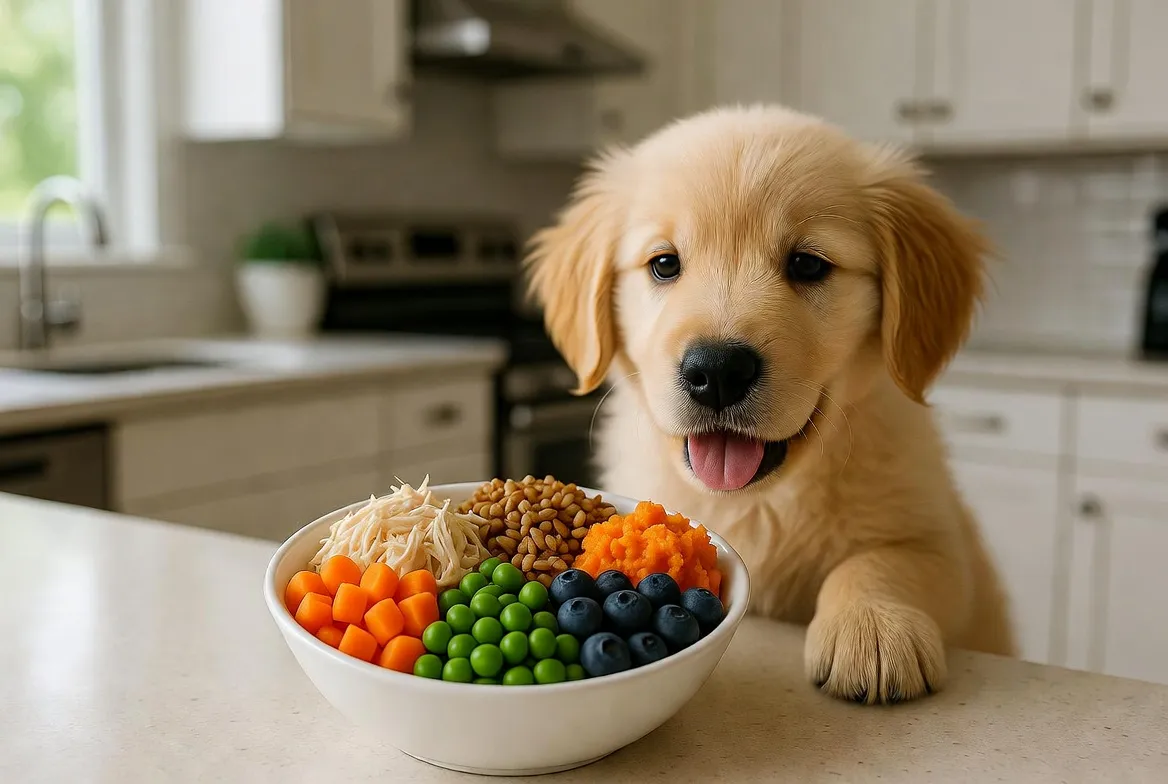
6 Healthy Puppy Food Recipes for Growing Pups You’ll Love
Welcoming a new puppy into your home is exciting. It’s important to give them the right food for a long, happy life. Preparing meals at home lets you choose what they eat.

Using good ingredients is key for your puppy’s health. Fresh proteins and veggies boost their immune system and energy. Investing time in their diet today means a lifetime of health.
We have 6 healthy puppy food recipes that are tasty and good for them. These meals give your puppy the vitamins and minerals they need. Get ready to make your kitchen a place where your puppy’s health is top priority.
Understanding the Nutritional Needs of Your Growing Puppy
Your puppy grows fast and needs the right nutrients to grow strong. They build muscle, bones, and a healthy immune system. Giving them nutritious puppy meals helps a lot.
The Importance of Protein and Healthy Fats
Protein is key for your puppy’s muscles and tissues. Choose high-quality animal proteins for all amino acids. Without enough protein, your puppy may struggle to reach their full physical potential.
Healthy fats give your puppy the energy to play and explore. They also help with brain development and keep their skin and coat shiny. Adding these to your puppy nutrition guide keeps your dog full of energy.
Essential Vitamins and Minerals for Bone Development
Bones grow well with the right balance of calcium and phosphorus. If these minerals are off, your puppy might have skeletal problems. Consistency is key in their diet.
Vitamins D and magnesium also help bones. Make sure every meal has the right amounts. Taking the time to understand these requirements will pay off in your dog’s long-term mobility.
Foods to Avoid for Puppy Safety
While making healthy meals, know what’s bad for dogs. Many human foods are toxic or even fatal to pets. Keep your kitchen safe from these dangers.
Stay away from chocolate, grapes, raisins, onions, and garlic. Even a little can harm a growing puppy. A good puppy nutrition guide helps keep your kitchen safe for your pet.
Essential Tips for Preparing Homemade Puppy Meals
Starting to make healthy meals for your puppy is exciting. It’s important to know some key puppy feeding tips. Making meals at home helps your puppy grow fast, but it needs careful planning. Follow these tips to make sure your puppy stays healthy and happy.

Sourcing High-Quality Ingredients
Choosing the right ingredients is key for a good meal. Always pick human-grade proteins and fresh, organic veggies. Stay away from processed foods and low-quality scraps that don’t have the nutrients your puppy needs.
- Select lean cuts of meat like chicken breast, turkey, or grass-fed beef.
- Choose fresh, seasonal vegetables such as carrots, spinach, and green beans.
- Incorporate healthy grains like quinoa or brown rice for sustained energy.
- Always wash produce thoroughly to remove any potential pesticides or dirt.
Proper Portion Control and Calorie Counting
It’s easy to feed too much to a growing puppy. But keeping them at a healthy weight is very important. Too much weight can hurt their growing bones. You need to figure out how many calories your puppy needs based on their breed, age, and how active they are.
Using a digital kitchen scale is a great puppy feeding tip for accuracy. Keeping portions the same helps you track your puppy’s growth. If your puppy is gaining weight too fast, talk to your vet to change their homemade puppy food recipes.
Storage and Food Safety Best Practices
Cooking in batches is handy, but you must handle the food carefully to avoid bacteria. Let cooked meals cool down completely before putting them in airtight containers. Store portions in the fridge for up to three days and freeze the rest for later.
Keeping your kitchen clean is essential when making homemade puppy food recipes. Clean all bowls, utensils, and surfaces with hot, soapy water after each meal. A clean kitchen keeps your puppy safe from harmful germs and makes sure their food stays fresh and safe.
6 Healthy Puppy Food Recipes for Growing Pups
It’s easy to make nutritious puppy meals at home. These easy puppy food recipes save time and give your puppy the best. They help your puppy stay healthy and have a shiny coat.

Chicken and Sweet Potato Power Bowl
This bowl has lean chicken and sweet potatoes. It’s great for active puppies. Sweet potatoes help with digestion.
Beef and Quinoa Growth Booster
Quinoa and lean ground beef are a perfect pair. They help build muscles. It’s a top puppy meal idea for strength.
Turkey and Spinach Puppy Delight
Turkey is easy on a puppy’s stomach. Spinach adds iron and antioxidants. It’s a key puppy health recipe.
Salmon and Brown Rice Omega Feast
Salmon has omega-3s for brain health. Brown rice makes it a balanced meal. Your puppy will enjoy its taste.
Lean Lamb and Vegetable Medley
Lamb is a special protein for puppies. Carrots and peas add vitamins. It’s colorful and nutritious.
Egg and Cottage Cheese Protein Blend
Eggs are top-notch for protein. Cottage cheese adds calcium. It’s a quick and highly digestible breakfast.
Balancing Your Puppy Diet Plan for Long-Term Health
A good puppy diet plan changes as your puppy grows. It’s important to watch and adjust as they get older. This way, you help them live a long and healthy life.

Transitioning Between Commercial and Homemade Food
Switching to homemade food needs a careful plan. Quick changes can upset their stomach. Start by adding a little new food to their old diet over seven to ten days.
Slowly add more new food and less old food. This lets their body get used to the new food. Watch for signs like loose stools or not wanting to eat.
Monitoring Your Puppy Weight and Growth Milestones
It’s key to watch your puppy’s growth. Check their weight and body condition score often. A healthy puppy should have a clear waist and a slight tummy tuck.
If they’re gaining weight too fast or seem too thin, talk to your vet. Adjust their food as needed. Keeping a weight log helps you fine-tune their diet. Consistency is the key to their long-term health and happiness.
Consulting Your Veterinarian Before Changing Your Puppy Diet
A good puppy diet plan needs your vet’s help. Before adding new foods or homemade meals, check they meet AAFCO standards. Professional oversight ensures your puppy gets the right nutrients during the first months.
When to Seek Professional Nutritional Advice
Call your vet if you want to switch from kibble to homemade food. They can create a puppy nutrition guide for your dog’s needs. They’ll help figure out how many calories your puppy needs.
Also, ask for advice if your puppy has a sensitive stomach or food allergies. Your vet can recommend proteins or grains that are easier for your puppy to digest. Early intervention helps avoid long-term health problems and ensures your puppy grows well.
Identifying Potential Nutrient Deficiencies
Homemade meals might miss important vitamins or minerals. Watch for signs your puppy diet plan is not working. Look out for constant tiredness, a dull coat, and unexpected weight loss.
If your puppy seems very tired or is not growing as expected, call your vet right away. These signs mean your puppy nutrition guide might need a change. Regular check-ups help catch problems early and prevent serious health issues.
Common Mistakes to Avoid When Cooking for Your Dog
Even the most caring pet owners can make mistakes when cooking at home. Your heart is in the right place, but precision is key for your puppy’s health. Using homemade puppy food recipes without the right research can cause problems.

Over-Supplementing and Vitamin Toxicity
Many owners think adding extra vitamins will help their puppy. But this is often a big mistake. Too many supplements can harm your dog’s growing organs. It’s safer to use whole foods instead of synthetic additives.
Always talk to a vet before adding supplements to your easy puppy food recipes. You want to give your puppy a balanced diet naturally. Too many supplements can mess up the balance of minerals needed for growth.
Ignoring Individual Breed Requirements
Every dog is different, needing different things based on size and breed. A big mistake is treating all dogs the same. For example, big puppies need certain ratios of calcium and phosphorus to avoid bone problems. Small breeds have faster metabolisms.
Not meeting these needs can cause serious problems. By making your homemade puppy food recipes fit your dog’s breed and activity level, you give them the best food. Keeping your easy puppy food recipes right for your dog’s needs is the best way to help them live a healthy, happy life.
How to Keep Your Puppy Hydrated and Energized
Keeping your puppy hydrated is key for their health. Water is more important than food for their body. It helps with muscle growth and brain development.

The Role of Fresh Water in Digestion
Water helps move nutrients in your puppy’s body. Without enough, digestion and vitamin absorption suffer. Always have clean, fresh water for them.
Check their water bowl often to keep it clean. Active puppies need more water to stay energized. This helps them avoid getting tired during training.
Healthy Treats and Snacks for Training
Training is great for bonding, but it adds calories. Use these puppy feeding tips to reward them without upsetting their diet. Choose low-calorie, nutrient-rich snacks to keep them motivated and healthy.
Here are some healthy snack ideas for training:
- Fresh carrot sticks for a satisfying crunch.
- Small cubes of steamed green beans.
- Thin slices of crisp apple (ensure seeds are removed).
- Blueberries, which are packed with antioxidants.
Treats should be a small part of their daily calories. Whole foods are better than processed snacks. This way, you give them tasty rewards that are good for them.
Creating a Sustainable Feeding Schedule
Setting up a regular feeding schedule is key to raising a healthy, happy puppy. Feeding at the same times every day helps control their metabolism. It also supports their natural digestion rhythm. This is crucial when trying out different puppy meal ideas to keep them happy.
Establishing Routine for Better Digestion
A routine does more than just keep your puppy full. It greatly improves their digestion. When they know when to eat, their body gets ready for nutrient absorption better. Consistency helps avoid issues like bloating, which is common in active breeds.
Feed your puppy at the same times every day. This helps you know when they need to go outside. It makes house training easier for both of you. Keeping a steady pace keeps their digestive system calm and balanced.
Adjusting Meals as Your Puppy Matures
As your puppy grows, their nutritional needs change. You’ll need to adjust their food portions to match their energy levels. Younger puppies might need three to four small meals, while older ones might do better with two larger meals.
Watch your puppy’s weight and body condition to see if you need to change their food. If you’re trying new puppy meal ideas, make sure they fit their current growth stage. Careful observation helps you give them the right amount of food for their growth without overfeeding.
Conclusion
Preparing homemade meals strengthens your bond with your growing pet. You control every ingredient in your kitchen. This care supports your pet’s long-term health and well-being.
Adding these puppy health recipes to your daily routine gives you peace of mind. You give your dog the nutrients they need at each stage of growth. High-quality proteins and fresh veggies are key for a healthy life.
Keep talking to your vet to make sure your diet plan fits your dog’s needs. Regular vet visits help you see how your puppy is growing. Your focus on good nutrition boosts their energy and happiness.
Begin your journey to better canine nutrition today. Try out these puppy health recipes to find your dog’s favorite flavors. Your commitment to their diet sets a healthy path for years of friendship.


