
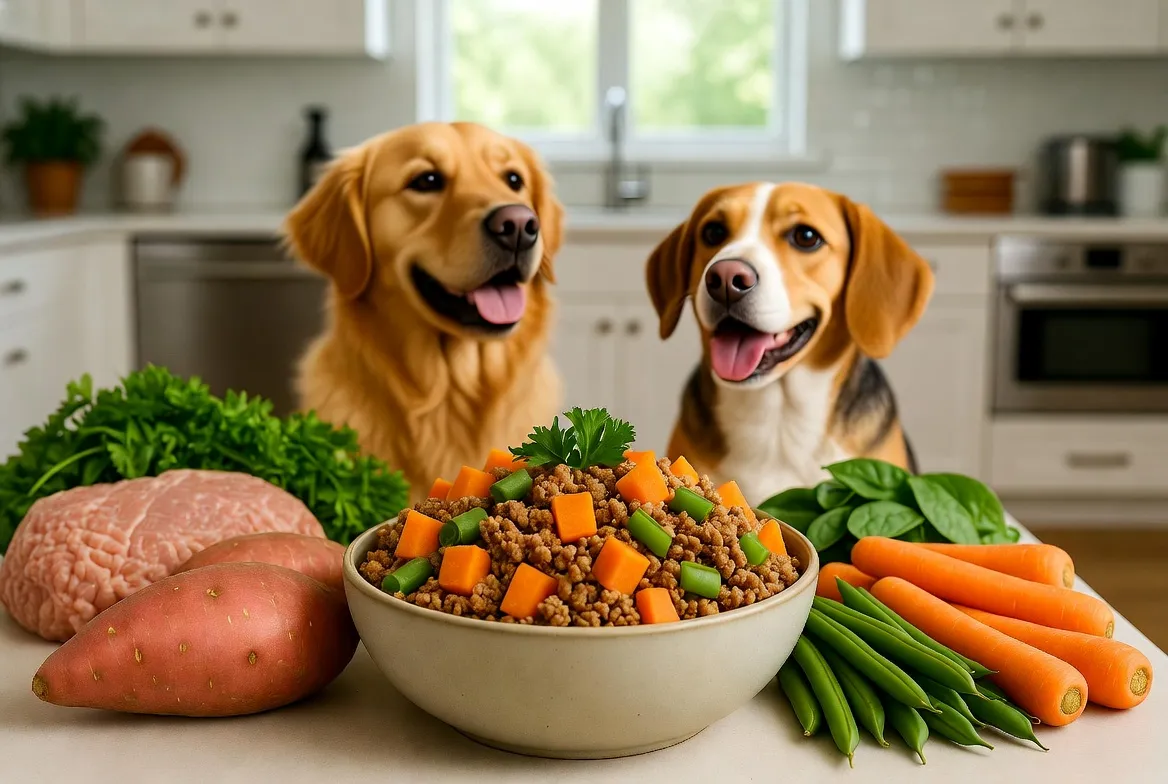
6 Healthy Ground Turkey Dog Food Recipes That Dogs Love
Last month, my golden retriever, Cooper, turned his nose up at every bowl I placed before him. I felt frustrated watching him lose his spark, so I decided to swap his dry kibble for something fresh. The transformation was immediate; he started wagging his tail at mealtime again.
Choosing high-quality protein is a game-changer for your pet’s vitality. By preparing meals at home, you gain full control over the ingredients your companion consumes. This simple shift ensures your furry friend receives the best possible nutrition to thrive every single day.

If you are looking for healthy dog food ideas to satisfy a picky eater, you have come to the right place. We have curated 6 Healthy Ground Turkey Dog Food Recipes that are packed with wholesome nutrients. These meals are designed to be both delicious and easy to prepare in your own kitchen. Your pup will surely thank you for the upgrade!
Why Ground Turkey is a Superfood for Your Dog
Many pet owners find that ground turkey is key to a healthy dog nutrition plan. This lean protein is packed with benefits that do more than just fill your dog’s belly. It gives them the building blocks for a long, active life.
Adding this meat to your dog’s diet helps keep their muscles strong and energy up. Unlike heavy red meats, turkey has less fat. It’s perfect for dogs of all ages. It also gives them the amino acids they need without extra calories.
Adding turkey to your dog’s meals can really improve their health. Owners often see a noticeably shinier coat and better digestion. These signs show your dog is getting the quality fuel they need.
Knowing the benefits of turkey helps you make better choices at the store. Here are the main advantages for your dog’s meals:
- High-quality protein helps build and repair muscles.
- Essential amino acids boost the immune system and skin health.
- Lower fat content keeps your dog at a healthy weight and full of energy.
- Easy digestibility means your dog gets more nutrients from each bite.
Understanding dog nutrition is the best thing you can do for your pet. By learning about a healthy canine diet, you make sure every meal helps your dog stay well and happy.
Essential Nutritional Guidelines for Homemade Canine Meals
Making the perfect meal for your dog means balancing nutrients well. When you make homemade dog food, you control what your pet eats. But getting the right mix of proteins, fats, and carbs is key for their health.
Every dog is different, needing nutrients based on their age, breed, and how active they are. So, always talk to your vet to make a vet-approved dog food plan. This helps make sure your dog gets the right vitamins and minerals to stay healthy.

Proper planning is the secret ingredient for a good fresh food diet. Without a balanced diet, your dog could miss out on important nutrients. Using high-quality ingredients helps keep your dog healthy and their coat shiny.
Sticking to a homemade dog food plan is important. Keep a log of what you feed your dog and how they react. With a vet-approved dog food plan, you know you’re giving your dog the best nutrition.
6 Healthy Ground Turkey Dog Food Recipes
It’s easy to make healthy meals for your pet with ground turkey. These natural dog food recipes are tasty and full of nutrients. They help your dog stay healthy and happy.
By making these easy dog food recipes, you can save time. You’ll also give your dog a variety of vitamins and minerals.
Turkey and Sweet Potato Power Bowl
This bowl is full of protein and fiber from sweet potatoes. Brown the turkey and add steamed sweet potatoes. It keeps your dog full and satisfied all day.
Lean Turkey and Quinoa Veggie Medley
Quinoa is a great gluten-free grain. It adds plant-based protein. Mix cooked quinoa with turkey and green beans for a nutritious dinner.
Ground Turkey and Brown Rice Comfort Stew
This stew is gentle on the stomach. It has ground turkey, brown rice, and chicken broth. It’s warm and comforting for dogs.
Grain-Free Turkey and Pumpkin Delight
This grain-free dog food is perfect for sensitive pets. It has ground turkey and pumpkin. The pumpkin helps with digestion and tastes sweet to dogs.
Turkey, Spinach, and Carrot Nutrient Boost
Add spinach and carrots to the turkey for extra antioxidants. This mix gives your dog colorful phytonutrients in every bite.
Turkey and Zucchini Hydration Feast
Zucchini is low in calories but full of moisture. It’s great with turkey for active dogs. This meal is light and refreshing.
Safe Preparation and Storage Tips for Homemade Dog Food
Preparing homemade dog food is more than just using fresh ingredients. It’s about keeping your pet healthy. Make sure to clean your dog’s kitchen area well. This is as important as cleaning your own kitchen.
Always wash your hands, utensils, and surfaces thoroughly before and after handling food.
Cooling food quickly is key to keeping it fresh. Divide big batches into smaller, airtight containers. Then, put them in the fridge. This way, you can grab what you need for each meal without risking the whole batch.

Freezing is great for large batches of food. Most meals stay good in the freezer for up to three months. Use freezer-safe bags or containers. Labeling your containers with the date helps you keep track of how long they’ve been there.
Turn leftovers into healthy homemade dog treats for training. You can dehydrate small portions of cooked meat or bake them into biscuits. This is a great way to give your dog tasty, nutritious snacks while saving food.
- Store meals in individual portions to avoid repeated thawing.
- Keep your refrigerator temperature at or below 40°F.
- Thaw frozen meals in the refrigerator overnight for the safest results.
- Use glass containers to prevent plastic chemicals from leaching into the food.
By following these tips, you keep your kitchen safe for you and your dog. Prioritizing proper storage and hygiene means your pet gets the best nutrition every day.
Ingredients to Avoid When Cooking for Your Pet
Making natural dog food recipes is fun, but you must watch what you add. Many foods good for people are bad for dogs. It’s key to know what not to feed your dog.
Some foods in your kitchen are toxic to dogs. Even a little can harm them. Always check your ingredients before cooking.

To keep your pet safe, avoid these in your meals:
- Onions and Garlic: They can hurt your dog’s blood and cause anemia.
- Xylitol: This sweetener in sugar-free foods can make insulin levels spike.
- Grapes and Raisins: They can cause kidney failure in dogs.
- Chocolate: It has theobromine, which is bad for your dog’s heart.
- Macadamia Nuts: They can make pets weak, shaky, and hot.
Stick to natural dog food recipes and skip these bad ingredients. Your dog’s health depends on your choices. If unsure, don’t add it.
How to Transition Your Dog to a Homemade Diet
Transitioning to a fresh canine diet can be easy with a simple plan. Sudden changes can upset your dog’s stomach. So, it’s better to make the switch slowly.
Begin by mixing a little homemade food with their old kibble. Over seven to ten days, add more fresh food and less kibble. This steady approach keeps your dog’s stomach happy and them feeling good.

Keep a close eye on your dog’s health while they adjust. Watch for these important signs:
- Stool quality: Look for any changes in stool or how often they go.
- Energy levels: Make sure they stay active and playful.
- Appetite: Check if they still enjoy their meals.
- Skin and coat: See if their coat looks better or if they itch less.
Patience and consistency are key during this time. If your dog shows signs of stomach upset, slow down the change. By being careful, you help your dog enjoy their new, healthier diet.
Balancing Supplements and Vitamins in Your Dog’s Diet
Getting the right dog nutrition is more than just cooking at home. Even the best homemade meals might not cover all health needs. Supplementation fills in the gaps to make sure your pet gets everything they need.
Calcium is key, helping balance phosphorus from meat. Omega-3 fatty acids from fish oil keep skin, coat, and joints healthy. A mix of vitamins can also help cover any missing nutrients from food.

Working with your vet is crucial for a vet-approved dog food plan. Every dog is different, needing specific things based on age, breed, and how active they are. Your vet can guide you on the right supplements for your dog.
Here are important steps for your supplement plan:
- Consult your vet to identify specific nutrient deficiencies.
- Choose high-quality, third-party tested supplements for safety.
- Adjust dosages as your dog transitions through different life stages.
- Keep a log of all additions to track your pet’s overall health.
By following these steps, you make sure your homemade meals are balanced. This careful approach to dog nutrition gives you peace of mind. Knowing your pet is healthy on a vet-approved dog food plan is reassuring. Consistency and expert advice are the secrets to success.
Signs Your Dog is Thriving on a Fresh Food Diet
Your dog’s health is a clear sign of the quality of your homemade meals. Starting a healthy dog food ideas diet can show big improvements in a few weeks. These changes mean your dog is getting the best nutrition.
One early sign is a noticeable increase in energy levels. Your dog might want to play more or go for walks. This shows their body is getting the fuel it needs to be active.
Physical signs also show success. You’ll see a glossy, soft coat and healthier skin from fresh ingredients. Plus, many dogs have better dental health and fresher breath with these healthy dog food ideas.
Keeping a healthy weight is easier with homemade meals. A balanced diet boosts your dog’s stronger immune system. This helps them fight off common illnesses. Seeing these signs of health will make you sure you’re caring for your dog the best way.
Common Mistakes to Avoid When Making Dog Food
Even the most dedicated pet owners can make mistakes when cooking for their dogs. Your intentions are always good, but it’s easy to miss your dog’s complex nutritional needs. Balancing macronutrients is key to a healthy diet, but getting the right mix of protein, fats, and carbs can be tough.
One big mistake is relying too much on one ingredient. You might find a protein your dog loves, but eating only that can cause nutrient gaps. Variety is truly the spice of life for your pet’s immune system.
Another mistake is forgetting to add minerals and vitamins. Even with easy dog food recipes, you must make sure the meal has all the nutrients. Without them, your dog might feel tired and have health problems.
To keep your homemade dog food safe, keep it simple and consistent. You don’t need to be a pro chef to make good meals. Use a variety of fresh, whole foods that go well together.
By learning from these mistakes, you can get better at making dog food. Staying informed helps you keep your dog healthy and happy. With practice, you’ll make nutritious and delicious meals that keep your best friend healthy for years.
Conclusion
Switching to homemade meals for your pet strengthens your bond. It makes their life better. You can make your dog’s life more vibrant by picking the best ingredients.
Adding these 6 Healthy Ground Turkey Dog Food Recipes to your routine is a smart move. It helps keep your dog healthy for a long time. Fresh, healthy food means a shiny coat, lots of energy, and a happy heart.
Being consistent is key when you start feeding your dog homemade meals. Always talk to your vet. This makes sure the recipes fit your dog’s special needs.
Even small changes in cooking can make a big difference for your dog. Begin today. Watch your dog flourish on the tasty meals you make with love.


