
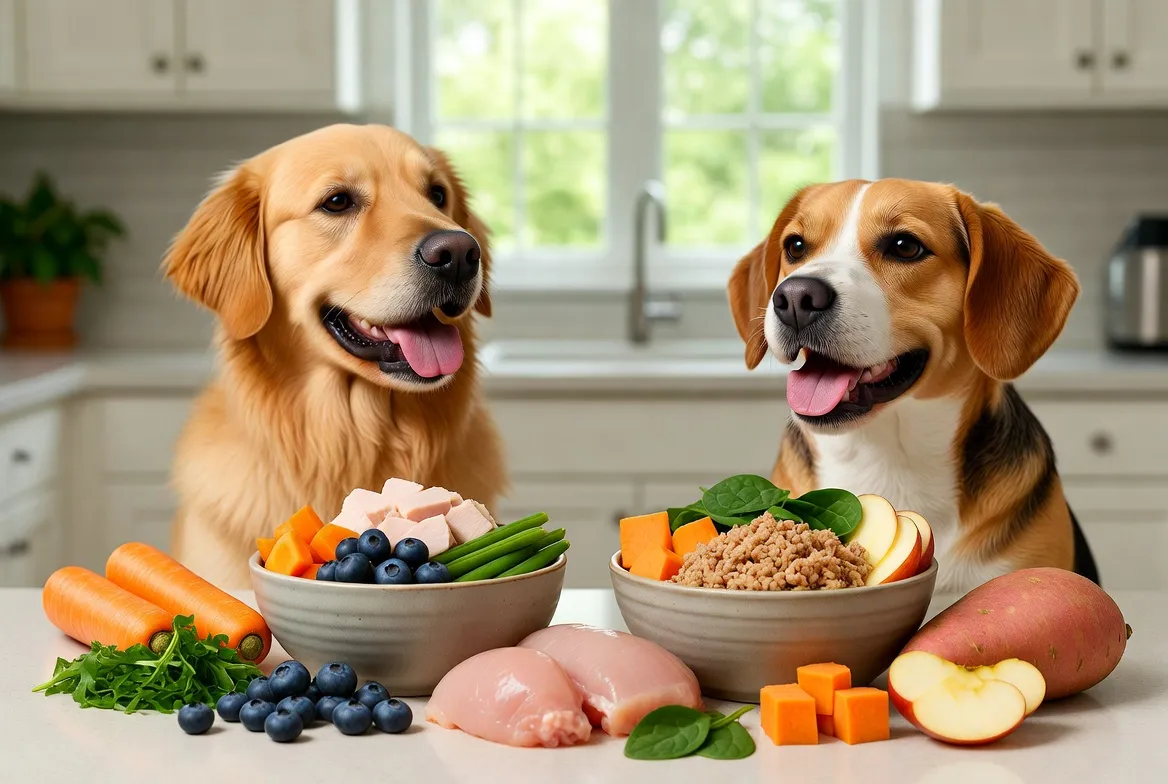
6 Fresh Dog Food Recipes for a Healthier Diet You’ll Love
Do you ever look into your loyal companion’s eyes and wonder if you could do more to boost their daily vitality? Many pet parents feel that same tug at their heartstrings when choosing what goes into the bowl. Transitioning to homemade meals is more than just cooking; it is an act of love that strengthens your bond.

By selecting high-quality, whole-food ingredients, you provide the foundation your furry friend needs to thrive. Taking control of their nutrition allows you to eliminate mystery fillers and focus on pure, wholesome energy. This guide serves as your comprehensive resource to help your pup live their best life. Let us embark on this rewarding journey toward better wellness together.
The Benefits of Switching to Fresh Homemade Dog Food
Preparing your own dog food lets you know exactly what your pet eats. You avoid hidden additives and low-quality fillers. Many owners enjoy making dog food recipes that fit their pet’s taste and health needs.
Your dog might look and feel better right away. You’ll see a healthier, shinier coat and more energy. Good food means better digestion, keeping your pet happy and active.
Consistency is the key to long-term wellness when you avoid processed foods. You keep your dog away from harmful chemicals. This can help your pet live a longer, more vibrant life.
Custom diets are easier to manage when you pick the ingredients. Whether your dog needs to lose weight or can’t eat certain grains, dog food recipes can help. Spending time on your pet’s diet is an investment in their happiness.
Understanding Canine Nutritional Requirements
Learning about dog nutrition is key to a happy, healthy pet. Cooking meals at home lets you control what your dog eats. This way, you make sure they get the best food for their age and how active they are.
Making a healthy dog food plan is more than just mixing food. You need to balance it right to meet nutritional standards. This is important for a long, happy life.

Essential Macronutrients for Dogs
Dogs need the right mix of macronutrients to stay healthy. These are proteins, fats, and carbs. Each one plays a big role in your dog’s health:
- Proteins: They help fix muscles, keep skin healthy, and boost the immune system.
- Fats: They give energy and help absorb vitamins, making the coat shiny.
- Carbohydrates: They give a steady energy source for the brain and body.
By focusing on these nutrients, you make sure your dog’s meals are good for them. A healthy dog food recipe should always start with high-quality protein. This helps keep muscles strong.
The Role of Vitamins and Minerals
Even though they’re small, vitamins and minerals are very important. They help with everything from strong bones to nerve signals.
Calcium and phosphorus are crucial for strong bones and metabolism. Without the right amount, your dog might have problems with bones and organs.
Thoughtful meal planning lets you add these important nutrients. By knowing what your dog needs, you can make meals that help them stay healthy every day.
Safety First: Ingredients to Avoid in Homemade Meals
Making homemade dog food recipes is a great way to care for your pet. But, keeping them safe is the most important step. Many common foods can be very harmful to dogs. Learning what is safe is crucial for your pet’s health.

Toxic Foods That Can Harm Your Pet
Some human foods are very bad for dogs and should never be near them. Even a little bit can cause big health problems or even a trip to the vet.
- Onions and Garlic: These can damage a dog’s red blood cells, leading to anemia.
- Grapes and Raisins: These are known to cause sudden kidney failure in many dogs.
- Xylitol: This artificial sweetener, often found in peanut butter or sugar-free gum, causes a dangerous drop in blood sugar and liver failure.
- Chocolate and Caffeine: Both contain stimulants that are toxic to a dog’s heart and nervous system.
- Macadamia Nuts: These can cause weakness, tremors, and hyperthermia.
Safe Preparation and Storage Practices
Choosing the right ingredients is just the start. Keeping your kitchen clean is also very important. This stops harmful bacteria from making your pet sick.
Here are some key tips to keep your kitchen safe:
- Prevent Cross-Contamination: Always wash your hands, cutting boards, and utensils thoroughly after handling raw meat.
- Temperature Control: Cook proteins to the proper internal temperature to kill pathogens, and refrigerate leftovers immediately.
- Proper Storage: Use airtight containers to keep meals fresh and prevent spoilage in the refrigerator or freezer.
- Avoid Leftovers: Do not use human table scraps that may contain hidden seasonings, salts, or oils that are harmful to pets.
Consistency is key for your pet’s health. By following these strict safety rules, you can give your dog healthy meals that help them stay well.
6 Fresh Dog Food Recipes for a Healthier Diet
It’s easy to give your dog fresh, whole-food meals with these simple recipes. Making your own dog food recipes lets you control what goes into your pet’s food. These meals are tasty and balanced, keeping your dog healthy without fillers.

Beef and Sweet Potato Power Bowl
This bowl has lean ground beef and sweet potatoes for a healthy dog food choice. Brown the beef, drain fat, then mix in sweet potatoes and peas. It’s a great energy source for active dogs.
Chicken and Quinoa Vegetable Medley
Quinoa is a superfood for dogs. Mix cooked quinoa with chicken and carrots. It’s a light, easy meal for dogs.
Turkey and Spinach Nutrient Boost
This turkey and spinach dish is packed with nutrients. Turkey is lean, and spinach has vitamins A, C, and K. Steam spinach first for better nutrition.
Salmon and Brown Rice Omega Feast
Salmon has omega-3s for a shiny coat and healthy skin. Mix cooked salmon with brown rice and green beans. It’s a favorite for its strong fish smell.
Lean Ground Pork and Pumpkin Delight
Pumpkin helps with digestive health in dogs. Mix pork with pumpkin and zucchini. It’s easy on the stomach and fun for dogs.
Lamb and Lentil Hearty Stew
This stew is full of protein with lamb and lentils. Lentils boost plant-based protein. Simmer until lentils are soft for a comforting meal.
How to Transition Your Dog to a Fresh Food Diet
Adding nutritious dog food to your pet’s bowl is exciting. But your dog’s stomach needs time to get used to new foods. Be patient to keep your dog comfortable.

Gradual Mixing Techniques
Slowly changing your dog’s food is key to avoid stomach problems. We suggest a seven to ten-day plan. This lets your dog’s stomach get used to the new food.
- Days 1-3: Mix 25% fresh food with 75% current food.
- Days 4-6: Mix 50% fresh food with 50% current food.
- Days 7-9: Mix 75% fresh food with 25% current food.
- Day 10: Serve 100% fresh, nutritious dog food.
Monitoring Digestive Health During the Switch
Watch your dog’s stool and behavior closely. Consistency is important. Look out for loose stools or gas. This means the change is too fast.
If your dog seems uncomfortable, slow down the change. Most dogs do well with time. Pay attention to their energy and hunger. This helps them thrive on their new diet. Every dog is different, so listen to their body.
Balancing Homemade Meals with Supplements
When you make nutritious dog food at home, supplements can help. Fresh ingredients are great, but they might not have all the vitamins and minerals your pet needs. Ensuring long-term health means looking beyond the bowl for what’s missing.
When to Consult Your Veterinarian
Before adding powders or oils to your dog’s meals, talk to your vet. They can check if your recipes meet the AAFCO standards for canine health. They might even suggest a board-certified vet nutritionist for a custom plan.
Your vet can do blood work to find any existing deficiencies before you make changes. This helps tailor a nutritious dog food plan that fits your dog’s needs. Never guess about your pet’s health.
Common Nutritional Gaps in Home Cooking
Home-cooked meals can miss out on important nutrients like calcium or essential fatty acids. For example, muscle meats have a lot of phosphorus but not enough calcium. This can cause bone density issues over time. Adding calcium carbonate can help balance this.
Another common gap is omega-3 fatty acids, which are key for skin, coat, and joint health. Using high-quality fish oil can fill this gap. By knowing about these hidden nutritional needs, you can give your dog a truly nutritious diet that supports their health for years.
Budgeting and Sourcing Quality Ingredients
Many pet owners worry about the cost of fresh ingredients for dogs. But, simple strategies make it affordable. Planning meals saves money and keeps your pet healthy.

Buying in Bulk for Cost Efficiency
Buying proteins like chicken or beef in bulk saves money. Local butchers and wholesale clubs offer discounts for big packs. Portion these out and freeze them to keep them fresh.
A vacuum sealer is a game-changer for long-term storage. It prevents freezer burn and keeps proteins fresh for months. Buying in bulk means you always have what you need for meal prep.
Selecting Fresh Produce and Proteins
Choosing seasonal produce is smart and saves money. Fruits and veggies are cheaper and more nutritious when in season. Find fresh ingredients for dogs at farmers’ markets or through community-supported agriculture.
Look for lean proteins that fit your pet’s diet. Rotating sources ensures a variety of vitamins and minerals. Here are some tips to save money:
- Shop the sales: Check weekly flyers for discounts on seasonal produce.
- Use frozen veggies: Frozen options are often just as nutritious as fresh and reduce food waste.
- Buy in-season: Focus on local harvests to get the best prices and quality.
- Compare unit prices: Always look at the price per ounce to find the best deal.
Stay organized and shop with a plan to provide wholesome, homemade meals. Your dog will be healthy, and your wallet will be happy.
Common Mistakes to Avoid When Cooking for Pets
Many pet owners unknowingly harm their dog’s health in the kitchen. They try to give better nutrition but make small mistakes. Understanding homemade pet food is key to success.
Over-relying on Human Leftovers
It’s tempting to share dinner with your dog. But table scraps are dangerous. They often have onions, garlic, or too much salt, which are toxic to dogs.
Using scraps as main food can cause big nutritional problems. Consistency is key in homemade meals. Use recipes made for dogs, not leftovers.
Ignoring Portion Control and Caloric Needs
Measuring food is often overlooked. Every dog needs different calories based on age, weight, and activity. Too much or too little can cause weight issues.
To keep your dog at the right weight, know their caloric needs first. Precision matters in homemade pet food. Always use a kitchen scale for the right portions.
Avoiding these mistakes helps your dog thrive. Planning and measuring right supports their health. Quality control in your kitchen is crucial for your pet’s well-being.
Tools and Equipment for Efficient Meal Prep
Making meals for your dog is rewarding. It becomes effortless with the right tools. Quality gear means less cleaning and more time with your pet.
Essential Kitchen Gadgets for Pet Parents
A high-powered food processor is a big help. It quickly chops veggies and blends proteins. This is key for natural dog food recipes.
Also, get a reliable digital kitchen scale. It ensures each meal has the right calories for your dog.
Don’t forget portion-controlled storage containers. They help organize meals for easy grab-and-go. Glass or BPA-free plastic keeps food fresh and prevents fridge odors.
Batch Cooking and Freezing Strategies
Batch cooking saves time during the week. Spend a few hours on Sunday to make meals for the week. This way, you always have a nutritious meal ready.
After cooking, freeze meals in bags or containers. Label them with date and recipe. This keeps your natural dog food recipes fresh and varied.
Conclusion
Feeding your dog fresh meals strengthens your bond. It’s built on care and nutrition. You now know how to make your kitchen a source of energy for your pet.
Quality ingredients are key. They lead to better energy and a shiny coat for your dog.
Small changes can make a big difference. Start with one recipe that fits your schedule. See how your dog does on these healthy meals.
Your effort to make homemade pet food shows you love your dog deeply. Keep an eye on how they do and adjust as needed.
Share your favorite recipes with other pet owners. Your story helps them see the value of fresh, balanced meals at home.
FAQ’s
Why should I consider switching to these 6 fresh dog food recipes for a healthier diet instead of using standard kibble?
Switching to homemade dog food recipes has many benefits. It can improve digestion and make your dog’s coat shine. It also boosts their energy.
Unlike kibble, homemade meals use whole foods without artificial preservatives. This lets you control what your pet eats, keeping them away from unknown ingredients.
Are these homemade dog food recipes nutritionally balanced for my pet?
Our recipes include healthy foods like lean proteins and starches. But, it’s important to balance them with nutrients like calcium and phosphorus. To meet AAFCO standards, use a tool like Balance IT or talk to a vet nutritionist.
What fresh ingredients for dogs should I strictly avoid when cooking?
When cooking for your dog, safety is key. Never use onions, garlic, grapes, raisins, or xylitol. Also, avoid too much salt and cooked bones.
Keep your workspace clean to avoid contamination. Make sure all proteins are cooked right.
How long does it take to transition my dog to a fresh, nutritious dog food diet?
Transitioning your dog takes about seven to ten days. Start with 25% new food and 75% kibble. Slowly increase the new food ratio over time.
This gradual change helps prevent upset stomachs. It also lets you watch how your dog reacts to the new food.
Is it expensive to prepare homemade pet food every day?
Homemade pet food can be affordable if you shop smart. Buy proteins and produce in bulk. Use a Cuisinart to prep ingredients and store meals in Pyrex to save money.
Do natural dog food recipes require additional supplements?
Even the best recipes might miss some nutrients. Supplements like fish oil or calcium carbonate are common. Always check with your vet before adding them to avoid over-supplementation.
Can I use human leftovers as part of a healthy dog food plan?
Using table scraps is a bad idea. They can cause nutritional imbalances and obesity. Human food often has hidden dangers for pets.
Stick to balanced recipes and control portions based on your dog’s needs. This is better than feeding leftovers.


