
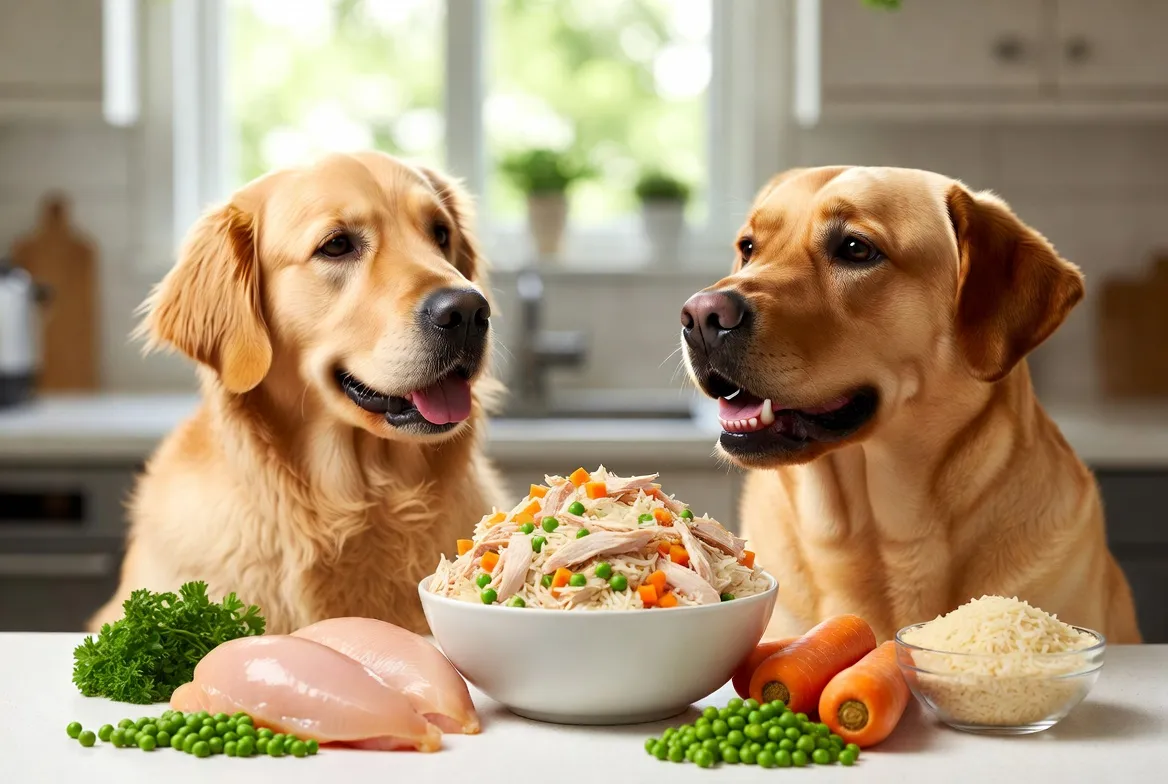
6 Homemade Dog Food Recipes with Chicken & Rice to Try
Last Tuesday, my golden retriever, Max, stared at his bowl and walked away. He clearly wanted something better than the dry, processed kibble he usually eats. That moment sparked my journey into diy dog food, and I never looked back.
Preparing meals for your pet offers total control over every ingredient. You ensure your furry companion receives only the highest-quality nutrition, without hidden fillers or preservatives. Wholesome, fresh meals often lead to shinier coats and more energy for your best friend.

Many owners find that simple combinations of poultry and grain serve as the perfect foundation for a balanced diet. These staples are gentle on digestion and provide essential protein for pets of all ages. Whether you are a beginner or a seasoned cook, our collection of 6 homemade dog food recipes with chicken & rice will help you navigate the kitchen with confidence. Let’s start crafting healthy, delicious bowls that your pup will absolutely love.
Why Chicken and Rice Is a Staple for Canine Nutrition
Chicken and rice are key in dog food for good reasons. Many pet owners try different dog food recipes to keep their dogs healthy. This mix gives dogs a solid base for staying healthy and full of energy every day.
The Benefits of Lean Protein for Muscle Maintenance
Chicken is a top-notch protein source for dogs. Protein helps build and fix muscles, keeping dogs active and strong. Adding lean chicken to homemade pet food gives dogs the amino acids they need for a healthy metabolism.
Why Rice is an Easily Digestible Carbohydrate Source
Rice is a simple, high-energy carb that dogs can easily digest. Unlike some grains, white rice doesn’t cause bloating. It gives dogs a quick energy boost without upsetting their stomachs.
When to Use Chicken and Rice for Digestive Upsets
Vets often suggest this simple diet for dogs with stomach issues or loose stools. The easy-to-digest ingredients help the stomach rest while still giving vital nutrients. If you make homemade pet food, having these ingredients ready can help with minor stomach problems. Always talk to your vet if your dog’s symptoms don’t go away. But these dog food recipes are known to help dogs feel better quickly.
Essential Nutritional Guidelines for Homemade Pet Food
Creating a balanced diet at home is rewarding for pet owners. Before cooking, know your dog’s nutritional needs. Proper planning is key for your dog’s health.

Consulting Your Veterinarian Before Changing Diets
Talk to your vet first. They can create a vet-approved dog food plan for your dog. This plan considers your dog’s age, breed, and activity level.
Don’t guess your pet’s needs. A vet-approved dog food plan is safe and effective. It helps avoid nutritional problems.
Balancing Macronutrients for Long-Term Health
A healthy homemade dog food recipe needs the right mix of proteins, fats, and carbs. Proteins keep muscles strong, while fats are good for skin and coat. Don’t forget vitamins and minerals for your dog’s health.
Be consistent with your homemade meals. Tracking macronutrients gives your dog stable energy. Aim for variety to ensure a wide range of nutrients.
Avoiding Toxic Ingredients in Your Kitchen
Many human foods are bad for dogs. Keep onions, garlic, grapes, and chocolate away. Even small amounts can harm your pet.
Check your ingredients before cooking. Safety is your top priority when making homemade dog food. A clean, informed kitchen keeps your dog safe from toxins.
Classic Chicken and Brown Rice Bowl
This classic bowl is a great start for those trying 6 homemade dog food recipes with chicken & rice. It’s nutritious and tasty, even for picky dogs. You give your pet a meal that meets their energy needs with simple, whole ingredients.

Ingredients You Will Need
You only need a few quality items from your local store for this meal. A short ingredient list means you know exactly what your dog eats.
- 1 pound of boneless, skinless chicken breast.
- 1 cup of uncooked brown rice.
- 4 cups of filtered water.
- Optional: A small amount of steamed carrots for extra fiber.
Step-by-Step Preparation Instructions
Cooking for your pet is rewarding and strengthens your bond. Follow these simple steps to prepare the meal safely and effectively.
- Boil the chicken in a large pot of water until it’s fully cooked and no longer pink in the center.
- Remove the chicken, shred it into bite-sized pieces, and set it aside to cool completely.
- Use the remaining chicken broth to cook the brown rice according to the package directions, which adds extra flavor to the grains.
- Combine the shredded chicken and cooked rice in a large mixing bowl, ensuring the mixture is at room temperature before serving.
Serving Sizes Based on Your Dog’s Weight
Finding the right portion is key for a healthy weight. Feed your dog about 2 to 3 percent of their body weight per day, in two meals.
For a 20-pound dog, a standard serving is about one cup of the finished mixture per meal. Watch your dog’s weight and adjust portions if needed. This meal is a staple, but you can add healthy dog treats sometimes to keep them happy.
Chicken, Rice, and Garden Vegetable Medley
You can make your natural dog food better by adding colorful garden vegetables. These veggies add important vitamins and minerals. They help keep your dog’s immune system strong. Making these meals at home means you control what your pet eats.

Selecting Dog-Safe Vegetables
Not all garden veggies are good for dogs. It’s important to pick safe and nutritious ones. Choose veggies that are easy to digest and full of fiber.
- Carrots: Good for teeth and full of beta-carotene.
- Green Beans: Low in calories but full of vitamins.
- Zucchini: Gentle on the stomach.
- Peas: Rich in plant-based protein and fiber.
- Spinach: Full of iron and antioxidants.
Cooking Methods to Retain Nutrient Density
How you cook veggies affects how many nutrients your dog gets. Steaming is the best way because it keeps vitamins in the veggies. Don’t overcook, as high heat can harm enzymes.
Boiling veggies is okay, but use the water as a broth for rice. This way, your dog gets all the nutrients. Lightly steaming or blanching keeps veggies fresh and crunchy.
Storage Tips for Fresh Vegetable Mixes
Storing your natural dog food properly is crucial. Divide big batches into smaller portions. This avoids thawing and freezing too many times.
Keep these mixes in airtight containers in the fridge for three days. Freezing is great for longer storage, keeping quality for weeks. By following these tips, your dog food recipes will always be ready for a healthy meal.
Slow-Cooker Chicken and Rice Stew
Slow cooking is great for making tasty, healthy meals for your dog. It’s perfect for those who are busy but want to feed their pets well. A slow cooker makes a tender, tasty meal that dogs love.

The Convenience of Slow Cooking for Pet Meals
This method is easy because you don’t have to watch it cook. Just put in your ingredients, set the timer, and let it cook. It’s a good way to give your pet fresh food while you do other things.
Also, making homemade dog treats is a good idea. Cooking in bulk saves time and keeps your dog healthy. It helps keep your dog’s health steady.
Layering Ingredients for Optimal Flavor
How you layer your ingredients is key for great taste and texture. This way, the chicken stays juicy and the rice soaks up all the flavors. Here’s how to layer for the best stew:
- Put tough vegetables at the bottom of the slow cooker.
- Place chicken on top of the vegetables.
- Then, add liquid like low-sodium broth or water to cover.
- Add rice in the last hour to keep it from getting mushy.
Cooling and Portioning Your Stew
After cooking, let the stew cool down completely. This is to avoid burns. Never give hot food to your dog.
Once it’s cool, split it into portions for easy storage. You can keep these in the fridge for a few days or freeze them. This makes feeding time easy and stress-free for you and your dog.
Chicken and Rice Recipe with Sweet Potato Boost
Adding sweet potatoes to your healthy dog food recipes makes a big difference. They add a tasty flavor that dogs love. Sweet potatoes pair well with chicken, making a meal that’s good for your pet.
The Fiber Benefits of Sweet Potatoes
Sweet potatoes are great for your dog’s digestive health. They have lots of fiber, which helps with bowel movements. Consistent fiber intake keeps your dog’s energy up all day.

Preparing Sweet Potatoes Safely for Dogs
When making natural dog food at home, safety comes first. Always wash and peel sweet potatoes before cooking. Boil or steam them until they’re soft.
Don’t give raw sweet potatoes to your dog. They can be hard to chew and upset their stomach. Cooking them makes them easy to digest and full of nutrients.
Combining Proteins and Complex Carbs
Mixing chicken with rice and sweet potatoes makes a complete meal. It has the right mix of protein and carbs. This way, you avoid using bad fillers in their food.
Watch how much food your dog eats to keep them healthy. Using these ingredients helps your dog stay well and happy for a long time.
Lean Chicken and Rice Recipe for Sensitive Stomachs
When your dog has a sensitive stomach, go back to basics. A chicken and rice dog food mix is great for soothing upset stomachs. It’s simple and less likely to upset their stomach.
Why Simplicity Matters for Digestion
Too many ingredients in food can stress a sick dog’s stomach. Simplicity lets their stomach rest and heal. It’s a vet-approved dog food choice for quick relief.
Choosing the Right Cut of Chicken
Choose lean protein for your dog’s meal. Use skinless, boneless chicken breast. It’s low in fat and won’t upset their stomach. Stay away from dark meat or chicken with too much salt.
Monitoring Your Dog’s Reaction to New Foods
Every dog is different when trying new foods. Watch your dog closely when introducing new meals. Look for better energy and stool quality.
- Check for consistent stool firmness after each meal.
- Watch for any signs of vomiting or excessive gas.
- Keep a daily log of your dog’s appetite and behavior.
- Consult your veterinarian if symptoms persist beyond a few days.
Being observant helps your homemade chicken and rice dog food work. Always follow a vet-approved dog food plan for long-term health. Patience is key to helping your dog feel better.
Chicken, Rice, and Spinach Power Blend
Adding green to your dog’s food can be very good for them. When you make healthy dog food recipes at home, spinach is a great choice. It’s full of vitamins and minerals that help your dog stay healthy.
Incorporating Leafy Greens into Canine Diets
Leafy greens are great, but don’t give too much. You want them to add to the chicken and rice, not upset your dog’s stomach. Start with small amounts to see how they like it.
Properly Washing and Chopping Spinach
When you make homemade pet food, safety comes first. Spinach can have dirt or bad stuff, so clean it well. Here’s how to get it ready:
- Rinse the spinach leaves under cold water to get rid of dirt.
- Pat the leaves dry with a clean paper towel to avoid too much water.
- Chop the leaves into very fine pieces for easy digestion.
- Lightly steam the spinach to help your dog absorb the nutrients better.
Ensuring Balanced Mineral Intake
Spinach is full of good stuff, but it has oxalates too. These can mess with calcium if you give too much. By giving small amounts and mixing it with homemade pet food, you keep things balanced. This way, your dog gets the benefits of healthy dog food recipes without any problems.
Safety Tips and Storage Best Practices for DIY Dog Food
Keeping your dog healthy starts with how you handle and store their food. When you prepare homemade dog food, you take on the responsibility of ensuring every meal is safe and free from harmful bacteria. By following a few simple guidelines, you can protect your pet from unnecessary health risks.
How to Properly Freeze Homemade Meals
Freezing is the best way to keep nutrients in your diy dog food. Cool the food completely before putting it in airtight containers or freezer-safe bags. Portioning the food into individual servings before freezing makes feeding easier and prevents thawing.
Label each container with the date of preparation to track freshness. Most meals stay good for up to three months in a standard freezer. Always thaw frozen portions in the fridge overnight, not on the counter.
Identifying Signs of Spoilage
Even with careful storage, watch for food quality. If you notice an unpleasant or sour odor, throw it out. Any visible mold or slimy texture means the food is not safe for your dog.
If your dog doesn’t want to eat, trust your instincts and check the food. It’s better to be safe than sorry. When in doubt, throw it out to keep your dog happy and healthy.
Maintaining Hygiene in Your Kitchen
A clean kitchen is key to your meal prep. Always wash your hands, utensils, and cutting boards with hot, soapy water before and after handling food. This stops cross-contamination and keeps your pet’s bowl safe.
Keep your surfaces clean to make cleaning easier. By keeping high standards of hygiene, your homemade meals stay nutritious and safe for your furry friend every day.
Conclusion
Making homemade meals for your dog is a great way to care for them. You can choose the best ingredients for their health. This makes sure they get the nutrients they need to stay healthy.
Choosing fresh, healthy food for your pet is very important. Even small changes can make a big difference. They might have more energy and their fur could look better.
Talk to your vet about what you feed your dog. They can help make sure your dog gets the right food for their needs. This is important for their health.
Feeding your dog homemade meals can make your bond stronger. It shows you care about their health and well-being. It’s more than just food; it’s a sign of love.
Try making one of these recipes today. Your dog will love the tasty, healthy food you make for them. It’s a great way to show you care.


