
Grain-Free Dog Treats for Allergies & Sensitivities Guide
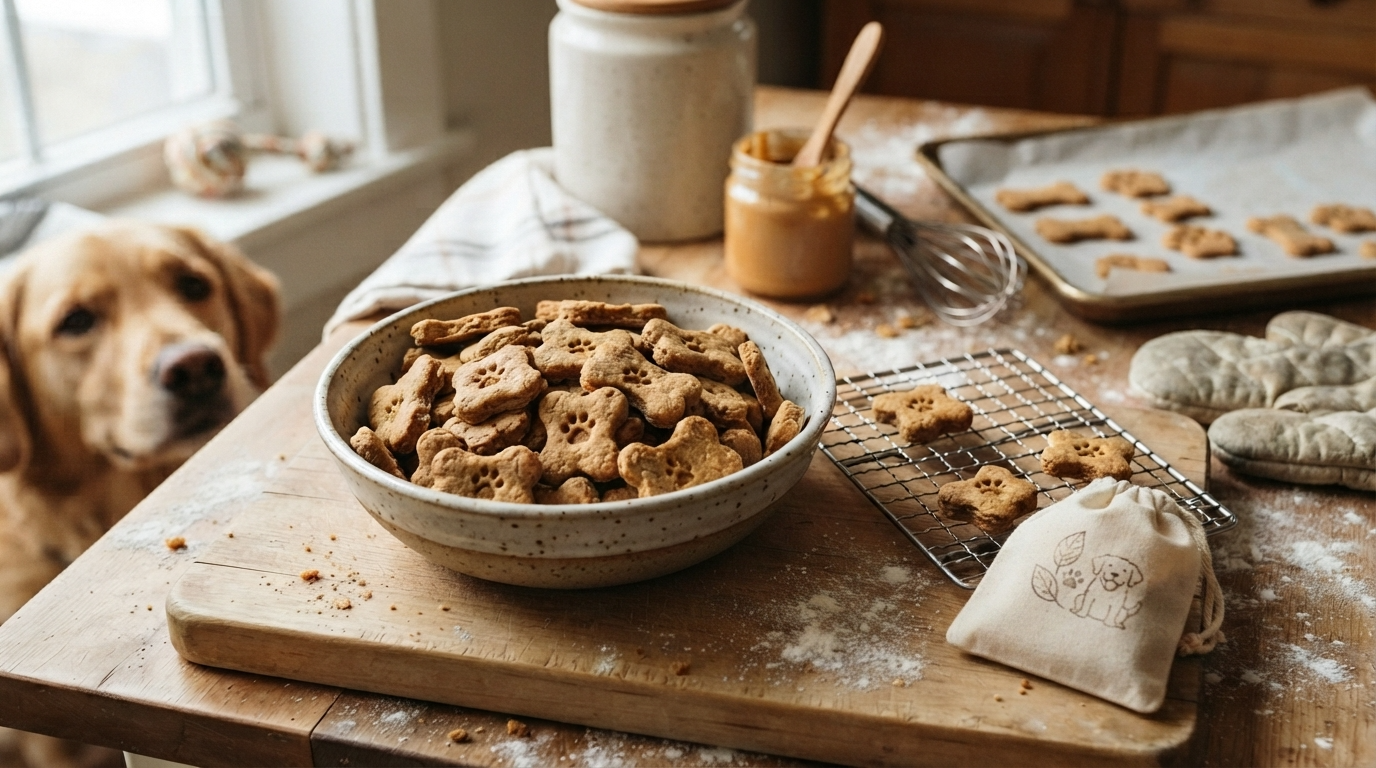
Seeing your dog itch or feel sick is heartbreaking. You want to help, but finding the right treats is hard. This guide will help you find Grain-Free Dog Treats for Allergies & Sensitivities easily.

We’ll go through ten steps together. We’ll start with finding symptoms and end with storing treats right. Remember, these treats aren’t always safe for all dogs. You need to check the ingredients and calories to keep your dog healthy.
Always talk to your vet before changing your dog’s diet. By choosing good treats and knowing your dog’s needs, you can give them rewards safely. Let’s start this journey to make your dog happier and healthier.
Start by Identifying Your Dog’s Allergy or Sensitivity
Finding out what makes your dog uncomfortable is key. Before looking for hypoallergenic dog treats, you must know what’s bothering your pet. Knowing the difference between allergies and sensitivities helps you choose better for your dog.
Separate food allergies from food sensitivities
A food allergy is when your dog’s body sees a protein as a threat. This leads to itching or inflammation. It’s an immune system issue.
A food sensitivity is about digestion. It’s when your dog can’t break down certain foods, causing stomach problems. Both need care, but the right sensitive stomach dog treats can help your dog feel better.
Recognize common symptoms that may involve treats
Symptoms show up soon after eating something your dog can’t handle. Watching your pet closely after they eat is important. This helps you spot patterns.
Skin, ear, and paw symptoms
- Persistent scratching or biting at the skin.
- Chronic ear infections or redness.
- Licking or chewing on paws.
- Development of hot spots or hair loss.
Digestive symptoms and changes in stool
Signs of digestive trouble can tell you if your dog reacts to certain foods. These signs mean your current snacks might not be good for your pet.
- Frequent vomiting or regurgitation.
- Excessive gas or bloating.
- Loose stools or persistent diarrhea.
- Changes in stool frequency or consistency.
Know when to contact your veterinarian
Some symptoms are mild, but others need quick vet help. Always check with your vet to make sure you’re using vet-recommended dog treats that are right for your dog.
Warning signs that require prompt veterinary care
Seek emergency care for severe reactions like:
- Sudden facial swelling or hives.
- Difficulty breathing or wheezing.
- Lethargy or signs of collapse.
- Repeated, forceful vomiting.
Why elimination diets should be supervised
An elimination diet is key for finding food issues. But, do it only with a vet’s help. A vet makes sure your dog gets all the nutrients they need. They also help you avoid allergens and safely switch to a better diet.
Step 1: Review Your Dog’s Current Diet and Treat History
It’s important to know what your dog eats. This helps find out what might be causing problems. You need to look at everything they eat, not just their main meals.
Using limited-ingredient dog treats makes tracking easier. These treats have fewer ingredients. This makes it simpler to find out what might be causing issues.
Record every food, treat, chew, supplement, and flavored medication
Keep a detailed log of your dog’s food for two weeks. It’s easy to forget about small things that can add up. Make sure to include:
- Main kibble or wet food brands
- All training rewards and biscuits
- Dental chews and rawhides
- Vitamin supplements or oils
- Flavored heartworm or flea medications
Look for patterns between ingredients and symptoms
After you have your list, compare it to when your dog feels bad. Consistency is key. Look for links between treats and symptoms like itching or upset stomach.
Identify proteins, fillers, and additives your dog may already be eating
Many products have long lists of ingredients. Look beyond the marketing to find allergens. Knowing what’s in them helps you avoid problems during your trial.
Common hidden sources of poultry, beef, dairy, and grains
It’s easy to miss hidden ingredients. For example, dental chews might have beef flavor, and supplements might use dairy. Grain-based fillers can also be hidden in products you think are safe.
Why ingredient rotation can make troubleshooting harder
Switching between many snacks makes it hard to find the problem. If you give your dog five different brands, it’s hard to know which one caused a reaction. Using limited-ingredient dog treats helps you focus on one thing at a time.
Step 2: Read Grain-Free Treat Labels Carefully
When you look for the right snacks, the front of the package only tells part of the story. You might be searching for Grain-Free Dog Treats for Allergies & Sensitivities. But remember, a label is just the start of your research.
Understand what “grain-free” does and does not mean
“Grain-free” means the product doesn’t have common cereal grains. But it doesn’t mean it’s safe for every dog. Always keep in mind that a product can be grain-free but still have ingredients that might cause a reaction in your pet.
Check the complete ingredient list instead of relying on front-label claims
Marketing claims on the front of the bag are meant to grab your attention. But the back of the package tells the real story. Always flip the bag over to see the full ingredient list. This helps you spot hidden fillers or additives that could be bad for your dog.
Watch for grain-derived ingredients and cross-contact statements
Even if a product says it’s grain-free, check the list for hidden irritants. Some products might use ingredients processed in facilities that also handle grains, leading to cross-contact.
Wheat, corn, rice, barley, oats, and other grains
Be careful when looking for these items. Even a small amount of wheat, corn, rice, barley, or oats can be a problem for a dog with a severe sensitivity. If you see these, the product is not right for your needs.
Ingredients that may be used as binders or flavorings
Grains can be hidden in plain sight as binders or natural flavorings. These additives help improve the texture or taste of grain-free dog treats for allergies & sensitivities. If you’re unsure about an ingredient, it’s best to choose a different option.
Compare guaranteed analysis, calories, and feeding directions
Look at the guaranteed analysis to understand the treat’s nutritional profile. Check the calorie count to avoid overfeeding your pet during training. Follow the feeding directions to keep your dog’s diet balanced while using these grain-free snacks for dogs.
- Review the protein and fat percentages.
- Check the calorie content per treat.
- Read the daily serving recommendations.
- Look for clear contact information for the manufacturer.
Step 3: Choose a Protein That Fits Your Dog’s Needs
When your dog has allergies, the protein in their treats is very important. You need to look beyond what the packaging says. Find ingredients that won’t make them sick.

Match the treat protein to your dog’s suspected triggers
First, think about what proteins your dog has eaten before. If they react to chicken or beef, avoid those in snacks. Identifying these triggers is key to helping your dog.
Consider novel proteins such as duck, venison, rabbit, or fish
A novel protein is new to your dog. It’s less likely to cause a reaction. Good options include:
- Duck
- Venison
- Rabbit
- Whitefish or Salmon
Use familiar proteins only when your dog already tolerates them
If your dog does well with a certain protein, you can keep using it. But make sure the treat doesn’t have hidden fillers. This way, you can give hypoallergenic dog treats safely.
Why single-protein treats can simplify food trials
Single-protein treats are great for food trials. They make it easy to see if your dog reacts. This helps you find out which ingredients are safe for them.
When hydrolyzed-protein treats may be appropriate
Your vet might suggest hydrolyzed-protein treats. These break down proteins so your dog’s immune system doesn’t react. They’re good for dogs with severe allergies.
Avoid assuming that “natural” or “premium” means allergy-safe
Many people think natural dog treats for allergies are safe. But a natural product can still have common allergens. Always check the ingredients list, not just the packaging.
Step 4: Select Limited-Ingredient Dog Treats for Sensitive Stomachs
When your dog has digestive issues, it’s smart to simplify their treats. Choosing sensitive stomach dog treats means fewer ingredients. This helps you see how your pet reacts to each one.
Prioritize short, recognizable ingredient lists
A shorter list makes it easier to spot potential problems. Limited-ingredient dog treats avoid confusing formulas. Simplicity is key for a sensitive stomach.
Choose easily digestible dog treats with appropriate fiber and fat
Digestion needs a balance of nutrients. Look for easily digestible dog treats with the right fiber. Too much fat can upset your dog’s stomach.
Evaluate fruits, vegetables, and alternative carbohydrate sources
Not all plant-based ingredients are good for dogs. Some dogs do well with veggies, but others don’t. Watch your dog closely after trying new carbs.
Potentially gentle options such as pumpkin and sweet potato
Pumpkin and sweet potato are often safe for dogs. They add natural fiber and help with digestion. They’re found in many snacks for sensitive dogs.
Why some dogs may still react to peas, legumes, or tapioca
Even though these are common, they don’t work for every dog. Some dogs get bloated or gassy from them. If your dog has a truly sensitive stomach, avoid these.
Limit treats with excessive oils, rich coatings, or artificial flavors
Rich coatings and heavy oils are tough on a dog’s stomach. Avoid treats with artificial flavors or extra additives. Choose simple, clean snacks for your dog’s health.
Step 5: Screen for Common Allergy Triggers and Unwanted Additives
Keeping your dog safe from bad additives means checking every treat label carefully. Even natural dog treats for allergies can hide hidden dangers.
Check for frequently problematic animal ingredients
Chicken, beef, dairy, and egg
Chicken and beef are common but can cause skin and digestive problems. Dairy and eggs can also lead to inflammation. If your dog reacts to these, it’s best to avoid them.
Pork, fish, and other proteins that may be overlooked
Changing to different proteins doesn’t always solve the problem. Pork and fish can also cause reactions. Always watch how your dog reacts to new proteins.

Review preservatives, colors, sweeteners, and flavor enhancers
Look at the additives closely. Artificial colors and preservatives like BHA or BHT can upset a dog’s stomach. Choose simple, easy-to-recognize ingredients for your dog’s health.
Never choose treats containing toxic ingredients
Xylitol, chocolate, grapes, raisins, onions, and garlic
Some ingredients are not just allergens but are strictly toxic to dogs. Avoid xylitol, chocolate, grapes, raisins, onions, and garlic at all costs. They can cause serious health problems even in small amounts.
Why “sugar-free” or human snack labels can be dangerous
Be careful with “sugar-free” products, as they often have xylitol. Human snacks are not safe for dogs and can have harmful additives. Choose allergy-friendly dog treats made just for dogs.
Account for manufacturing and cross-contamination risks
Even with a perfect ingredient list, the manufacturing process is key. Facilities that handle many foods can have cross-contamination risks. Look for brands that share transparent information about their production to keep your dog safe.
Step 6: Compare Treat Formats for Allergies and Sensitivities
The texture of a treat can really affect your dog’s digestion and teeth. Choosing the right treat is key to managing allergies and keeping your dog happy during training.
Evaluate baked biscuits, soft chews, freeze-dried treats, and jerky
Each treat type has its own benefits. Baked biscuits are crunchy and good for cleaning teeth. Soft chews are better for dogs with sore teeth or gums. Freeze-dried treats have fewer additives, making them great for sensitive dogs. Jerky strips last a long time but need careful checking for fillers.
Choose treats that match your dog’s chewing ability and dental health
Consider your dog’s age and teeth when picking treats. Puppies and older dogs can’t handle hard treats that might hurt their teeth. Choose soft treats that are easy for them to chew.
Use small training treats to reduce ingredient and calorie exposure
For obedience training, you need lots of small rewards. Grain-free snacks for dogs that are small help control how much your dog eats. This stops them from eating too much and keeps new foods to a minimum.
Breaking larger treats into controlled portions
Even if you find a great treat, don’t give it all at once. Cut big treats into small pieces to make training last longer. This keeps your dog excited and helps control their calories.
Using a dog’s regular diet as a training reward
Using your dog’s regular food as a reward is a safe choice. Set aside some of their kibble for training. This way, you avoid introducing new foods that might upset their stomach.
Consider homemade treats only with veterinary-approved recipes
If you want to make your own treats, talk to your vet first. Homemade treats can be good, but they must be balanced to avoid nutritional problems. Only use recipes your vet has checked to make sure they’re safe for your dog.
Step 7: Verify Quality, Safety, and Veterinary Suitability
It’s not just about reading labels. You must check the quality and safety of every snack. Your dog’s health is your top priority. Taking a proactive approach to treat selection helps protect your pet from hidden risks.
Look for transparent sourcing and clear manufacturer information
Choose brands that show where their ingredients come from. Good companies list their sources clearly and have easy-to-find contact info.
If a company won’t share their location or contact info, it’s a warning sign. Trustworthy brands are eager to talk about their safety and quality steps.
Understand the value and limits of veterinary recommendations
Vet-recommended dog treats are a good start, but not for every dog. Your vet gives important advice, but they need your input to make the best choices for your dog.
Questions to ask your veterinarian about hypoallergenic dog treats
When you visit your vet, ask specific questions. This ensures you’re making the right choices for your dog. Here are some questions to consider:
- Which specific protein sources should we avoid during this trial?
- Are these hypoallergenic dog treats right for my dog’s current health?
- How long should I wait before seeing an improvement in symptoms?
- Are there any specific brands you trust for dogs with severe sensitivities?
When a prescription diet or therapeutic treat is more appropriate
For dogs with severe allergies, over-the-counter treats might not be enough. Your vet might recommend a prescription diet or special therapeutic treats.
These products are tested to ensure they’re safe from cross-contamination. They’re often the best choice for a strict food trial.
Check packaging, expiration dates, recalls, and storage instructions
Always check the packaging before buying. If it’s torn or the seal is broken, don’t buy it. The contents could be spoiled by moisture or pests.
Make sure to check the expiration date for freshness. Also, visit the manufacturer’s website to see if there are any recalls. Store treats in a cool, dry place to keep them fresh and nutritious.
Be cautious with unsupported claims such as “allergy-proof”
Watch out for claims that say a product is “allergy-proof.” No treat is safe for every dog, as allergies can vary a lot.
Instead of believing bold claims, look at the ingredients and your own observations. Individualized veterinary advice is more reliable than any marketing slogan on vet-recommended dog treats.
Step 8: Introduce New Grain-Free Treats Gradually
You can add new snacks to your dog’s diet slowly and safely. When starting Grain-Free Dog Treats for Allergies & Sensitivities, go slow. This keeps your pet healthy and happy.
Offer one new treat at a time
Introduce new treats one at a time to find out what works. Don’t mix new things. This way, you can see how your dog reacts to each one.
Start with a small portion and observe your dog
Give a tiny piece of the treat first. Even safe treats can upset a dog’s stomach. Watch your dog closely for the first few hours for any signs of trouble.
Short-term reactions to monitor
Look for quick changes in your dog’s health or behavior. Signs of trouble include:
- Vomiting or regurgitation
- Sudden onset of diarrhea
- Visible swelling around the face or paws
- Excessive scratching or restlessness
Delayed symptoms that may take days or weeks to appear
Some problems take time to show up. Look for signs like dull fur, ear problems, or skin issues. Keep watching even after the first week.
Keep a food and symptom journal during the trial
Write down what your dog eats and how they feel. This helps you and your vet understand their diet better.
Stop the treat and contact your veterinarian if symptoms worsen
If your dog gets worse, stop the treat right away. Don’t wait if your dog seems sick. Call your vet to figure out what’s wrong.
Step 9: Manage Portions, Calories, and Treat Frequency
Choosing the right snacks is important, but how much your dog eats matters too. Small rewards can add up fast. Watching your dog’s total calories helps avoid weight gain and manage sensitivities.
Keep treats within a reasonable share of daily calories
Vets say treats should be no more than 10% of your dog’s daily calories. This keeps your dog’s main meals as their main source of nutrition. Being consistent helps keep your dog healthy and happy.

Adjust meal portions when using frequent rewards
Using many treats during training? You need to adjust your dog’s meals. Cut back on kibble or wet food at dinner to balance calories. This keeps your pet’s energy stable.
Use low-calorie, allergy-friendly dog treats for training
For training, pick low-calorie, allergy-friendly treats. They let you reward your dog often without too many calories. Choosing the right size is as important as the ingredients.
How treat size affects weight management
Breaking treats into smaller pieces can make them last longer. A small piece can be just as rewarding as a big one. This helps manage weight and keeps your dog motivated.
Why high-fat treats can aggravate digestive problems
Watch out for high-fat snacks, as they can upset your dog’s stomach. Even digestible treats should be given in small amounts. Moderation is key for your dog’s comfort.
Use nonfood rewards when appropriate
Your dog loves your attention as much as treats. Use praise, belly rubs, or playtime to reward good behavior. This reduces snacking and strengthens your bond.
Step 10: Store and Handle Treats to Preserve Safety
Keeping your dog’s treats fresh is key. Proper storage keeps your grain-free snacks for dogs safe and tasty until the last bite.
Prevent moisture, spoilage, and rancidity
Moisture harms shelf-stable pet treats. Always seal bags tightly or use an airtight container. This stops mold and texture changes.
Check expiration dates often. Serving expired treats can harm your dog. If the packaging smells bad or has oily spots, throw it away.
Store treats away from other pets’ food and household chemicals
Keeping treats separate from other pets’ food is crucial. Store your grain-free snacks for dogs in a special area. Keep them away from cleaning supplies and other pet foods.
This prevents your dog from eating harmful things. It also stops them from getting ingredients from other pets’ diets.
Wash hands and serving containers between different diets
Hygiene is key when managing food sensitivities. Always wash your hands after handling different foods. This stops the transfer of proteins or allergens.
- Use hot, soapy water to clean treat jars weekly.
- Ensure containers are completely dry before refilling.
- Use separate scoops for different treat varieties.
- Sanitize surfaces where treats are prepared or portioned.
Follow special precautions for raw, freeze-dried, or refrigerated treats
Raw and freeze-dried treats need extra care. Always keep them at the right temperature. Follow the maker’s instructions for handling.
Reducing bacterial contamination in the home
Pathogens like Salmonella can grow on raw or freeze-dried treats. Keep them in their original packaging or sealed containers. This reduces air and surface contact in your kitchen.
Extra care for children, older adults, and immunocompromised household members
Some people are more at risk for foodborne illnesses. If you live with kids or people with weak immune systems, clean surfaces well after using grain-free snacks for dogs.
Make sure everyone washes their hands after touching your pet or their food. These habits help keep your home safer for everyone.
Build a Safe Reward Routine for Your Dog
Managing your dog’s sensitivities is more than just picking the right food. It needs a structured approach to rewards. This ensures your pet stays happy and healthy without any discomfort.
Create a personal list of tolerated ingredients and treats
Start by keeping a log of what your dog can handle. This list should include specific brands and ingredients that work well. Having this list makes it easier to pick allergy-friendly dog treats when you’re in a hurry.

Keep backup rewards available for training and enrichment
Always have approved snacks in your car or training bag. Using vet recommended dog treats helps avoid bad choices in emergencies. Here are some essentials for your stash:
- Single-ingredient freeze-dried proteins.
- Small, low-calorie training bites.
- Approved vegetable-based chews.
- Non-food rewards like favorite toys.
Readjust your choices when symptoms, weight, or veterinary guidance changes
Your dog’s needs can change over time. This could be due to age, activity levels, or new health findings. Regularly check your list to make sure it still meets your goals. If your vet suggests a change, update your list right away.
How to maintain consistency during boarding, travel, and daycare
When you’re away, keep your dog’s routine the same. Pack enough allergy-friendly dog treats for the whole trip. This stops staff from giving snacks that might be bad for your dog.
How to communicate your dog’s food restrictions to caregivers
It’s important to tell others about your dog’s food needs. Give a “Do Not Feed” list to friends, family, or caregivers. You might also use a color-coded tag on your dog’s collar to remind others.
Use grain-free treats as one part of a complete allergy-management plan
Even the best vet-recommended dog treats are just part of the solution. A good plan also includes proper diagnosis, strict diet control, and tracking symptoms. By combining these, you help your dog live comfortably.
Conclusion
Finding the right food for your dog takes time and careful attention. By following a ten-step guide, you can help your pet stay healthy. Knowing what makes your dog sick is key to keeping them happy.
Choosing the best Grain-Free Dog Treats is not just about reading labels. You need to check the ingredients and where they come from. Remember, these treats might not work for every dog because of hidden allergens.
It’s important to control how much food your dog gets and how it’s stored. Keep a journal of any changes in your dog’s health. If problems don’t go away, talk to your vet for help.
Looking for safe treats for your dog is very important. Being careful and watching your dog’s reactions helps a lot. With the right care, treats can be a fun and safe part of your dog’s life.


