
Easy Grain-Free Beef Lamb Dog Food Recipe to Try Today
You look into those soulful eyes and know your best friend deserves the very best. Every pet parent wants to ensure their companion enjoys a long, vibrant life. Taking control of what goes into their bowl is one of the most loving choices you can make.
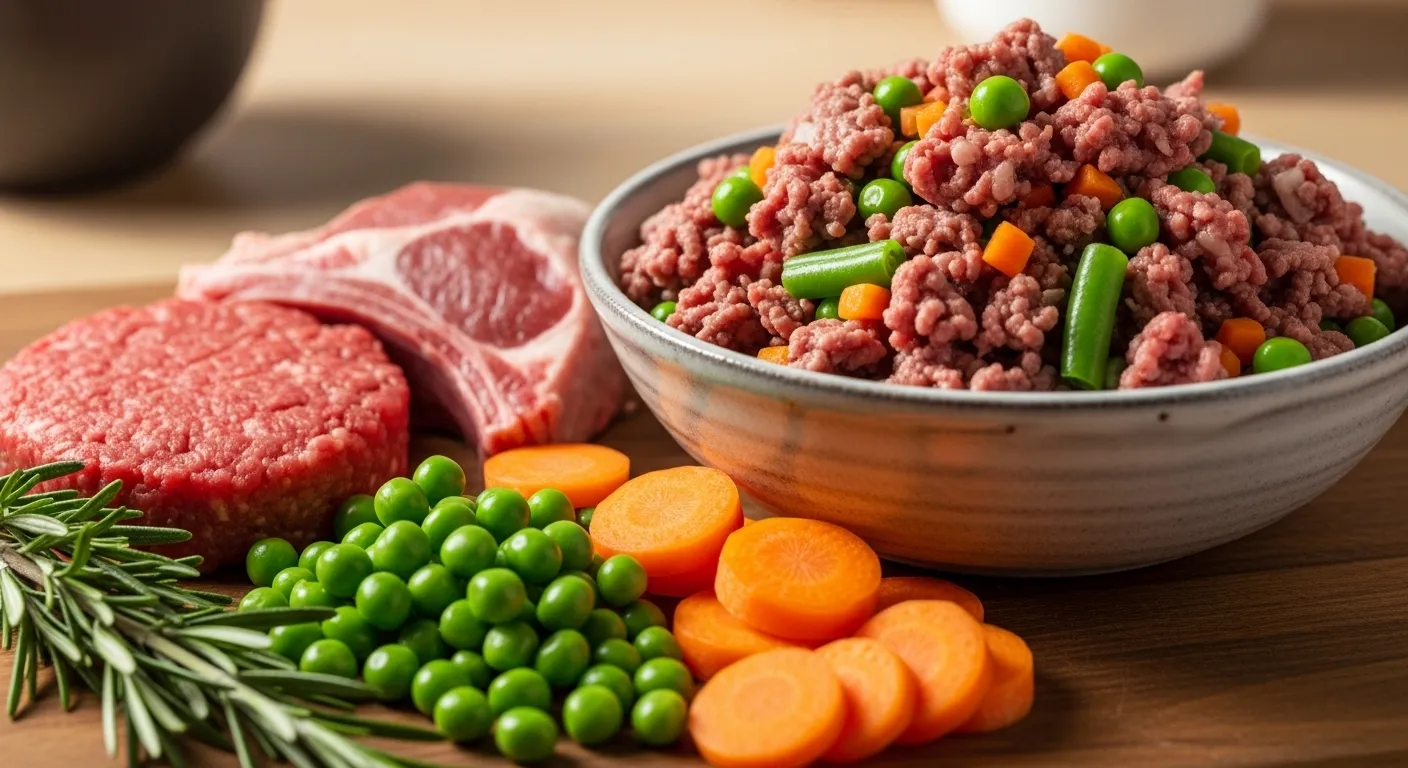
Many owners now choose to move away from processed kibble to support better digestion and overall wellness. By selecting high-quality proteins, you provide a balanced alternative that honors their natural needs. Preparing a grain-free beef and lamb dog food recipe at home allows you to see exactly what ingredients nourish your pet.

This simple approach brings peace of mind while strengthening the bond you share. You will find that cooking for your pet is surprisingly easy and deeply rewarding. Let us explore how you can start crafting wholesome, natural meals that keep tails wagging and spirits high every single day.
Understanding the Benefits of Homemade Grain-Free Dog Food
Many pet owners find that grain-free food makes their dogs healthier. Making food at home lets you control what goes into it. This way, you avoid fillers and preservatives found in store-bought food.
Why Choose a Grain-Free Diet for Your Pet
Some dogs can’t digest grains well. A dog food grain-free recipe can help with skin issues and upset stomachs. It’s closer to what dogs naturally eat, which is protein-rich.
Choosing the best grain-free dog food recipe means using whole foods. This removes bad carbs and gives your dog better energy. They’ll have more energy all day.
Nutritional Advantages of Beef and Lamb
Beef and lamb are great for dogs. They have essential amino acids for strong muscles. Giving your dog these at home helps them stay active and healthy.
These meats also have fatty acids for a shiny, healthy coat and skin. Using fresh, quality cuts gives your dog better nutrition. They’ll love the taste and health benefits of homemade food.
Essential Ingredients and Safety Precautions
When cooking for your dog, safety and quality are key. A natural grain-free dog food needs fresh, wholesome ingredients. These items support your pet’s health for a long time.
Selecting High-Quality Proteins
Proteins are the base of your pet’s diet. They give the amino acids for muscles and energy. Choose lean cuts of dog food with beef and lamb to control fat.
Make sure the meat is free from harmful additives. This keeps your dog healthy.
Get your proteins from trusted sources. This improves the food’s nutritional value. Always store raw meat safely to avoid bacteria.
Safe Vegetables and Supplements for Dogs
Vegetables add fiber, vitamins, and minerals to meals. A mix of colorful veggies gives your dog antioxidants. These help with digestion and health.
Vegetables to Include
Many veggies are good for dogs. Choose easy-to-digest, nutrient-rich ones. Here are some good options:
- Carrots for beta-carotene and eye health.
- Green beans for fiber and vitamins.
- Spinach for iron and calcium.
- Sweet potatoes for energy.
Ingredients to Avoid
Know what to avoid in the kitchen. Some human foods are highly toxic to dogs. Never use onions, garlic, chives, or leeks. They harm red blood cells.
Also, stay away from grapes, raisins, and xylitol. They can cause organ failure.
Preparing Your Kitchen for Homemade Dog Food
To make a simple grain-free dog food recipe, you need to set up your kitchen. Organize your space before cooking to keep things efficient and calm. A clean kitchen is key to making healthy meals for your dog.
Necessary Cooking Equipment
You’ll need specific tools for batch cooking. A large, heavy-bottomed stockpot is great for cooking proteins without burning. A good food processor also helps a lot, making chopping and blending quick.
Make sure you have accurate measuring cups and a digital kitchen scale. These help you make sure your dog gets the right nutrients. Having these ready makes cooking feel smooth and organized.
Sanitation and Storage Best Practices
Keeping things clean is very important to avoid harmful bacteria. Always wash your hands, cutting boards, and utensils with hot, soapy water. Sanitizing your surfaces keeps you and your pet safe from foodborne illnesses.
After cooking, cool the food quickly. Don’t leave it out for too long, as it can grow bacteria. Instead, put it in airtight containers and refrigerate or freeze it fast to keep it fresh.
Step-by-Step Grain-Free Beef Lamb Dog Food Recipe
Cooking for your dog lets you pick what they eat. You can make a grain-free beef or lamb dog food recipe with fresh ingredients. It’s easy and fun to do at home.
Gathering Your Ingredients
First, get your workspace ready for cooking. You’ll need ground beef and lamb, and fresh veggies like carrots, spinach, and green beans. Have your supplements and oils ready too.
Cooking the Beef and Lamb Base
Heat a big skillet over medium heat. Put in the ground beef and lamb, breaking it up as it browns. Make sure the meat is fully cooked.
After the meat is browned, drain the fat. This keeps the meal healthy. Properly preparing the protein base is key for a tasty dinner.
Incorporating Vegetables and Nutrients
Steam your veggies until they’re tender but still bright. Steaming keeps vitamins in. Then, chop or mash them for your dog to easily eat.
Mix the veggies with the meat, adding supplements or oils as your vet suggests. This makes sure every bite is good for your dog. This simple recipe shows you care about your pet’s health.
Balancing the Meal for Optimal Health
Getting the right mix in your pet’s bowl is more than just good meat. It’s about how these parts work together for your dog’s health. The best grain free dog food recipe helps your pet get the energy they need every day.
Understanding Canine Macronutrient Needs
Dogs need proteins, fats, and carbs for energy. Proteins help muscles and the immune system. Fats give energy for an active life. Even without grains, dogs get energy from veggies like sweet potatoes or squash.
Consistency is key for the right mix for your dog’s breed and age. Aim for a diet that keeps muscles lean and doesn’t make them too heavy. Watch your dog’s body condition score to adjust the diet as they grow.
The Role of Calcium and Essential Minerals
Don’t forget about the tiny but important nutrients. Calcium is key for strong bones and teeth. Even the best meat won’t give your dog all they need without these minerals.
Your dog also needs zinc, iron, and copper to stay healthy. Many owners add a good multivitamin or mineral supplement. This way, you can be sure your pet gets everything they need from the best grain free dog food recipe.
Customizing the Recipe for Sensitive Stomachs
Understanding what goes into your dog’s food is key. A grain-free beef lamb recipe for dogs is a good start. But every dog is different. A personalized approach keeps your dog happy and healthy.
Identifying Potential Allergens
Some dogs may not like certain proteins or additives. If your dog seems uncomfortable, try new foods one at a time. This careful observation helps find out what’s causing trouble.
When making grain free dog food for sensitive stomachs, remember these tips:
- Keep a detailed food diary to track every ingredient your dog consumes.
- Introduce only one new protein or vegetable every few days.
- Watch for symptoms like itching, loose stools, or excessive gas.
- Consult your veterinarian if you suspect a severe food allergy.
Adjusting Portions Based on Activity Level
How much food your dog needs depends on their activity level. An active dog needs more calories than a less active one. Adjusting portions helps keep your dog at the right weight.
Think about these things when figuring out how much food your dog needs:
- Age: Puppies and seniors have different needs than adult dogs.
- Weight: Regularly weigh your dog to ensure they are not gaining or losing too much mass.
- Activity: Increase portions on days with extra exercise and decrease them during rest days.
- Body Condition: Feel your dog’s ribs; you should be able to feel them without seeing them clearly.
By making homemade meals tailored to your dog’s needs, you give them the best care. Being consistent and patient is key to managing a sensitive stomach.
Storing and Serving Your Homemade Dog Food
Managing your homemade dog food is easy. You just need a plan for cooling, portioning, and serving. After you cook, it’s important to store it right to keep it fresh.
Proper Refrigeration and Freezing Techniques
Divide the cooked food into daily portions right after it cools down. Use airtight glass or BPA-free plastic containers to keep nutrients in your natural grain free dog food.
Keep up to three days of food in the fridge for easy access. For longer storage, freeze the rest for up to a month.
When you’re ready to serve a frozen meal, thaw it in the fridge overnight. Avoid using the microwave to defrost, as it can burn your dog’s mouth.
Transitioning Your Dog to a New Diet
Changing your pet’s diet should be done slowly. A sudden change can upset their stomach, even with good ingredients.
Begin by mixing a little of the new food with their old food. Gradually increase the new food over seven to ten days. This helps your dog adjust better.
This slow transition is crucial for dogs with sensitive stomachs. Watch for any signs of discomfort or changes in stool. Consistency is the key to a smooth transition for your dog.
Conclusion
Controlling your pet’s diet makes a big difference in their health and happiness. Giving them high-quality beef and lamb meals is key. It gives them the nutrients they need every day.
You’ll feel good knowing what your dog eats. This way of caring for them strengthens your bond. It makes your relationship with your dog even closer.
Choose fresh ingredients and keep the diet balanced for the best results. A slow transition helps your dog get used to new foods without upset stomachs.
Your dedication to better nutrition helps your dog live a long, active life. Start making these grain-free recipes at home. You’ll see a big improvement in your dog’s energy.
Enjoy making meals that meet your pet’s health needs. Your hard work today will lead to a healthier, happier future for your best friend.


