
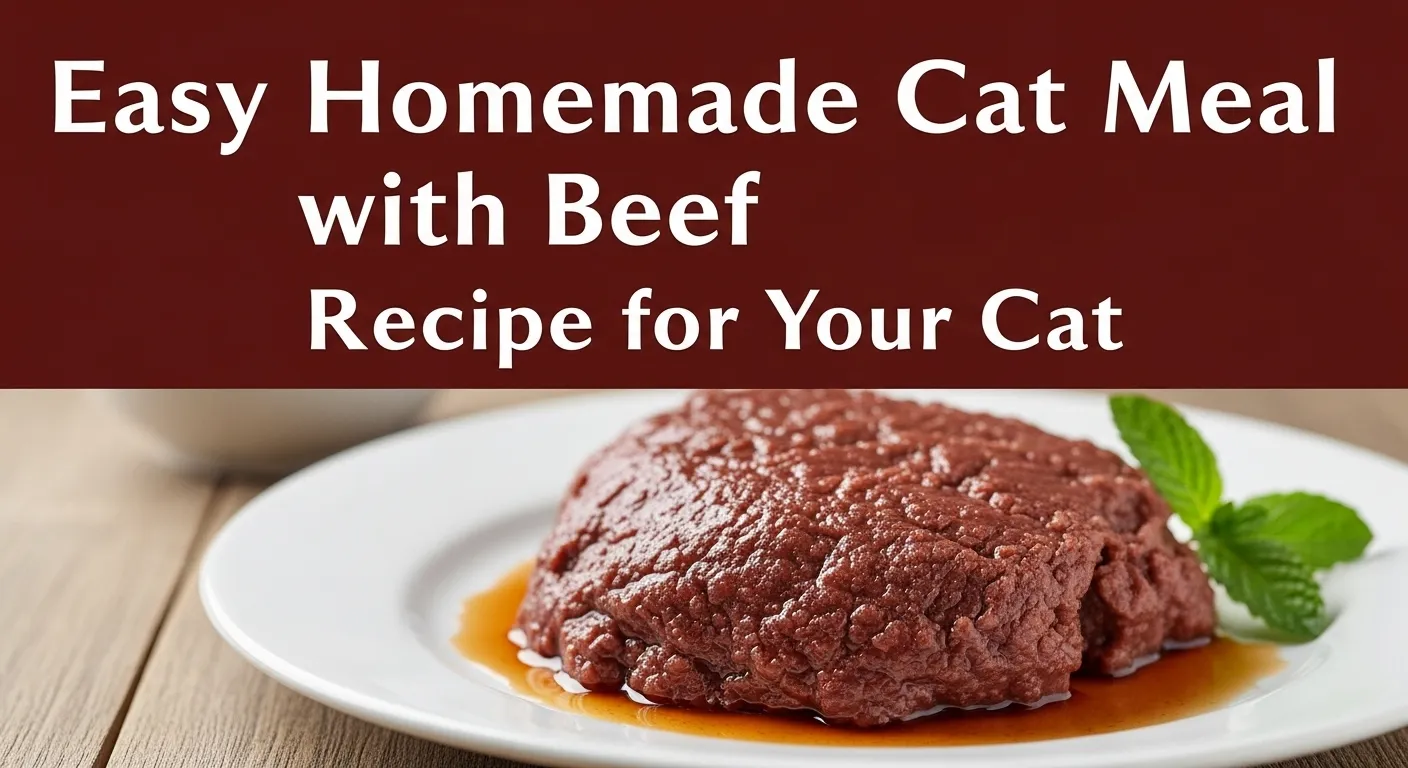
Easy Homemade Cat Meal with Beef Recipe for Your Cat
Do you ever look at your furry friend and wonder if they are getting the best nutrition? Many pet parents feel this way. We all want our companions to thrive, but store-bought options often have hidden fillers.
Taking control of your pet’s diet is a loving act of care. By making a homemade cat meal with beef, you ensure every bite is full of quality protein. This way, you avoid mystery additives and tailor nutrients to your pet’s health needs.

Switching to DIY nutrition is easier than you think. Our homemade cat meals recipe shows you how to make healthy, tasty food at home. Seeing your pet enjoy a fresh, nutrient-rich bowl is very rewarding. Let’s start making better health for your beloved companion today.
Understanding the Nutritional Needs of Your Feline
Cats need animal-based proteins to stay healthy. Proper cat nutrition is key for a happy pet. When making cat food recipes, remember their special needs.
Why Beef is a Great Protein Source for Cats
Beef is a top choice for cat food. It’s full of quality protein. This meat helps keep your cat’s muscles strong and active.
Beef also tastes great to most cats. This makes it easy to get them to eat homemade food. Providing a delicious meal is as important as its nutritional value.
Essential Nutrients for a Balanced Homemade Diet
A balanced diet needs more than just protein. You must add vitamins and minerals. Calcium, taurine, and vitamin A are crucial for heart health and vision.
It’s wise to talk to a vet about your cat’s diet. They can help make sure your homemade food is safe and right for your cat. Taking these precautions will help your cat live a long, happy life.
Preparing Your Kitchen for Homemade Cat Food
A clean kitchen is key when making diy cat food at home. A dedicated space keeps your pet safe and your kitchen neat. This way, every meal is healthy and safe for your cat.
Safety and Hygiene Standards for Pet Food Preparation
Keeping your kitchen clean is the most important thing. Sanitize all surfaces before and after using raw ingredients. Use separate tools for pet food to avoid cross-contamination.
Wash your hands well with soap and water before cooking. If using raw meat, clean all surfaces with a pet-safe cleaner. These steps help keep your kitchen safe from bacteria.
Essential Tools You Will Need
The right tools make cooking easier and more fun. Good tools help keep your recipes consistent, which is good for your cat’s health. You don’t need a fancy kitchen, but the right tools help a lot.
Measuring and Storage Equipment
Being precise is important when making diy cat food. Use a digital scale for accurate measurements. Also, have airtight containers for freezing portions.
Food Processing and Cooking Utensils
You might need a meat grinder or food processor for some recipes. Stainless steel bowls are good for mixing without smells. Make sure you have a non-stick skillet or slow cooker for cooking.
Ingredients for the Purrfect High Protein Beef Meal
Making a homemade cat meal with beef the purrfect high protein option starts with the best ingredients. Your cat needs a diet that meets their natural needs. It should be safe and wholesome.
Selecting High-Quality Beef Cuts
When buying beef cat food, choose lean cuts of meat. Look for fresh, human-grade beef. It should be free from sodium, marinades, and artificial preservatives.
Ground beef with low fat is easy to prepare and digest. Make sure to remove gristle or bone fragments before cooking.
Safe Vegetables and Supplements to Include
Cats are meat-eaters, but some veggies can add fiber and vitamins. Introduce these items slowly to see if your cat likes them.
Vegetables That Are Safe for Cats
You can add various veggies to your recipes for extra nutrition. Steam or boil them until soft and mashable.
- Carrots: Rich in beta-carotene for eye health.
- Green Beans: A great source of fiber for digestion.
- Spinach: Provides essential vitamins in small quantities.
- Zucchini: A gentle, hydrating addition to the bowl.
The Importance of Taurine and Calcium Supplements
To make sure your high protein cat meals are complete, add specific supplements. Taurine is non-negotiable for heart and eye health. Cats can’t make enough on their own.
Calcium is also key to balance phosphorus in beef. Without these, your homemade diet won’t have what your cat needs to stay healthy.
Step-by-Step Guide to Making a Homemade Cat Meal with Beef
Making a homemade cat meal with beef is easier than you think. Follow a simple plan to make sure your cat gets all the nutrients they need. This way, you keep the food safe and full of good stuff for your cat.
Preparing and Cooking the Beef
First, remove any extra fat from the beef. Gently poaching or steaming the meat helps keep nutrients in. Cook it until it’s just done, so there’s no pink left.
Don’t add seasonings, onions, or garlic. They’re bad for cats. Let the meat cool a bit before cutting it into small pieces. This careful step is key to a healthy homemade cat meal with beef.
Mixing Ingredients and Ensuring Proper Consistency
To make high-protein cat meals, mix meat, organs, and supplements well. Use a food processor or sharp knife to get the right texture. If it’s too dry, add a bit of poaching liquid or warm water.
It’s important to mix everything well. This way, your cat gets all the vitamins and minerals they need. Cats often like a smooth, pâté-like texture, which is easier for them to eat.
Portioning and Cooling the Meal
After preparing your homemade cat meal recipe, divide it into portions. Use airtight containers or silicone molds to manage sizes. This keeps the food fresh and ready for the week.
Let the food cool down to room temperature before sealing. Putting hot food in the fridge can cause bacteria to grow. Proper cooling is crucial for keeping your homemade cat food safe and good.
Storage and Serving Best Practices
Proper storage keeps your homemade pet food safe and nutritious. After cooking, it’s key to keep the quality high. This stops bacteria and spoilage.
How to Properly Store Homemade Cat Food
Use airtight glass or BPA-free plastic containers to keep food fresh. Portioning into individual servings before freezing saves time in the morning.
Here are some easy storage tips:
- Refrigerate portions for use in 48 hours.
- Freeze the rest for up to three months.
- Label each container with the date.
- Keep the freezer at 0°F or below.
Safe Thawing and Reheating Techniques
Don’t leave homemade cat food out for more than thirty minutes. The best thawing is in the fridge overnight.
To warm food quickly, use warm water in a bowl. Avoid microwaves to prevent burns and nutrient loss.
Transitioning Your Cat to a New Diet
Switching to homemade pet food should be slow. Cats don’t like sudden diet changes, which can upset their stomachs.
Gradually introduce new food over seven to ten days:
- Days 1-3: Mix 25% new food with 75% old diet.
- Days 4-6: Mix 50% new food with 50% old diet.
- Days 7-9: Serve 75% new food with 25% old diet.
- Day 10: Serve 100% homemade cat food.
Watch for signs of stomach upset during this time. If your cat seems off, slow down the transition. This helps them adjust to their new diet.
Common Mistakes to Avoid When Making DIY Cat Food
When making diy cat food, knowing what to avoid is key. Even those who have done it before can miss important details. Knowing these common mistakes helps keep your cat healthy and happy.
Avoiding Toxic Ingredients
Some human foods are bad for cats and should never be given. Foods like onions, garlic, chives, and leeks can harm their blood. Always check your ingredients to avoid any harmful additives.
Ensuring Nutritional Completeness
It’s easy to get the balance wrong in cat food recipes. Meat alone is not enough for cats. They need vitamins, minerals, and amino acids like taurine. Consulting with a veterinary nutritionist helps make sure your food is complete.
Monitoring Your Cat’s Health and Weight
Watching your cat’s health closely is crucial when you start a homemade diet. Look at their energy, coat, and weight. Consistent monitoring helps catch problems early and adjust your diy cat food as needed.
If your cat loses weight or seems tired, see your vet right away. Small changes to their food can help. Your cat’s health is the most important thing in any meal.
Conclusion
Controlling your cat’s diet shows you care deeply. Making homemade pet food lets you pick every ingredient. This way, you know exactly what your pet eats.
This approach helps keep your pet healthy and happy for a long time. You’ll feel good knowing your pet’s food is safe and healthy. Good nutrition is key to a happy life for your cat.
Always check with your vet to make sure your food is right for your cat. A vet can help make sure your homemade food is safe and healthy. They can guide you through the complex needs of cats.
We encourage you to share your homemade pet food journey. Talking with other pet owners can teach us all about good cat nutrition. Your hard work in caring for your cat makes a big difference.


