
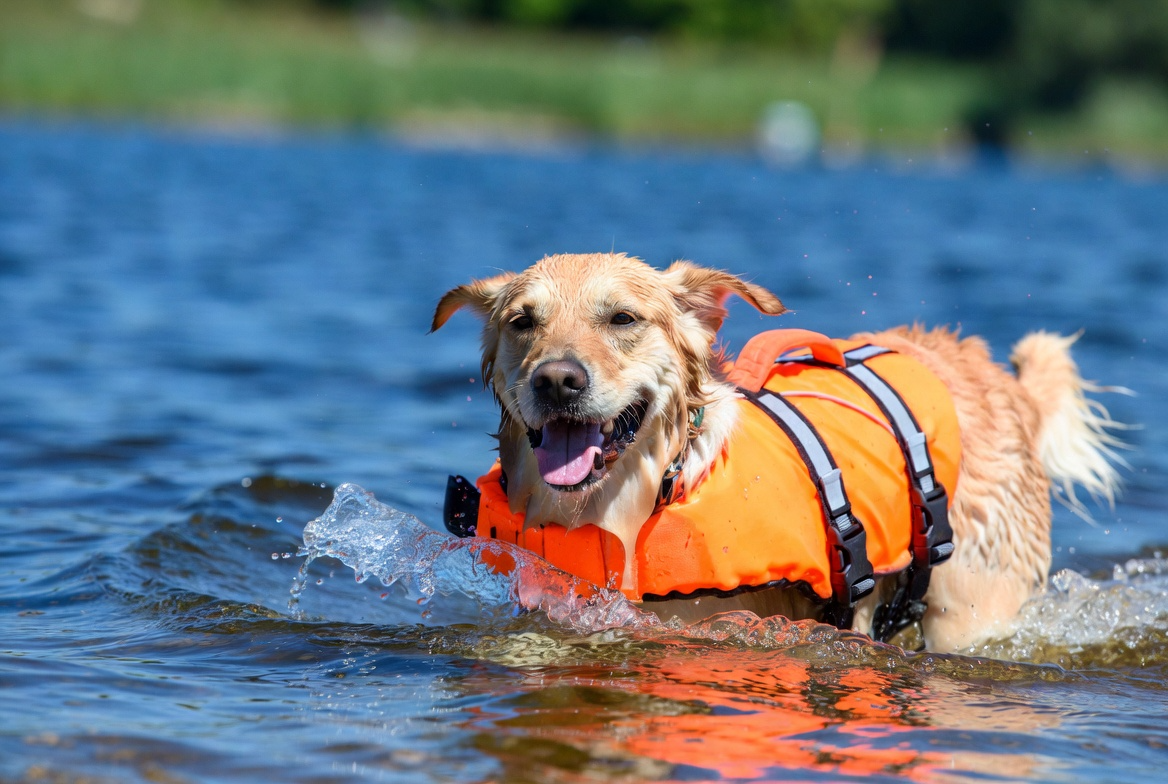
Best Dog Life Jackets for Swimming Comfort and Safety
There’s nothing like a sunny day by the lake with your dog. They splash and wag their tail with joy. But, even the bravest dogs can get tired in deep water. Your peace of mind is as important as their happiness.

Choosing the best dog life jackets for swimming keeps your pet safe and afloat. Good gear stops them from getting too tired. This lets them enjoy the water more, not struggle to stay up.
Getting the right gear means you can relax and have fun. Whether it’s the beach or a quiet pond, the right support makes every splash safer. Let’s find the perfect fit for your adventure buddy to stay safe and happy all season.
Understanding Why Your Dog Needs a Life Jacket
Knowing about buoyancy is key for dog owners going to the lake. Many think all dogs can swim, but water safety is more than instinct. The right gear keeps your pet afloat, even when tired or lost.
The Role of Flotation in Canine Water Safety
Buoyancy is the force that keeps things afloat in water. For dogs, top rated canine flotation vests give the lift needed to keep their head up. This is crucial for breathing. Even strong swimmers need these vests for long water sessions.
Using expert recommended pet flotation devices cuts down on muscle strain. It helps your dog swim more efficiently, saving energy. Here are the main benefits of using a life jacket:
- Provides essential buoyancy for tired muscles.
- Increases visibility in open water environments.
- Offers a sturdy handle for quick rescues.
- Reduces the risk of accidental drowning.
Identifying Dogs at Higher Risk in the Water
Not all breeds are made for swimming long distances. Dogs with heavy chests, short legs, or flat faces find it hard to stay afloat. They are high-risk candidates for getting tired.
If you have such a breed, getting top rated canine flotation vests is a must. Older dogs or those with joint issues also need extra support. Always check your dog’s body type before going to the beach or pool to keep them safe and happy.
Assessing Your Dog’s Swimming Ability and Water Temperament
Every dog is different when it comes to water. Some dive right in, while others are more cautious. It’s important to watch how your dog acts before they get in the water. This can help avoid accidents and make them more confident.
Observing Natural Instincts Versus Learned Skills
Dogs often have a natural instinct to paddle when they touch water. But this doesn’t mean they can swim well or stay afloat for long. Look to see if your dog keeps their head up and moves their legs smoothly.
If your dog has trouble keeping their back end up, they might need help learning to swim. Water safety gear for pets can be very helpful. It gives them the support they need to swim without worrying about sinking.
Recognizing Signs of Fatigue and Panic
Even the most eager swimmers can get tired quickly. Watch for signs like heavy breathing, a dropped head, or frantic paddling. If you see these, it’s time to take them back to shore.
Panic can happen fast if a dog feels they’re losing control in the water. Look for wide eyes, stiff body, or trying to climb on you. Water safety gear for pets is key. It helps them stay afloat and calm while they get more confident in the water.
Key Features to Look for in the Best Dog Life Jackets for Swimming
When you shop for the best dog life jackets for swimming, design matters a lot. You want something safe but not too tight. This keeps your pet happy in the water.
Ergonomic Design for Natural Movement
A good vest should fit your dog’s body well. Ergonomic shapes let them move freely. This means no feeling stuck or heavy.
Free movement makes your dog more confident in the water. Look for designs that don’t mess with their swimming. This helps them swim better.
Adjustable Straps and Secure Buckle Systems
A good fit is key for safety. Choose expert recommended pet flotation devices with adjustable straps. These fit your dog’s chest and neck just right.
Strong buckles keep the vest in place. A snug fit stops chafing but lets them breathe. Make sure the straps are tight but not too tight.
Breathable Mesh Underbellies for Comfort
Mesh panels help keep the vest light. They let water out and air in. This makes the vest comfy for long swims.
These panels also stop skin irritation. Expert recommended pet flotation devices with mesh keep your dog’s skin happy. They’ll enjoy their swims more.
Measuring Your Dog for the Perfect Fit
A well-fitted vest makes your pup’s lake day better. When you buy top rated canine flotation vests, they must fit right. A vest that’s too loose can drag and make swimming hard.

Determining Girth and Neck Circumference
Use a soft tape to measure your dog while it stands up. Measure the widest part of the ribcage for the girth. This is where the vest will support your dog best.
- Neck: Measure around the base of the neck where a collar would naturally sit.
- Girth: Wrap the tape around the deepest part of the chest, just behind the front legs.
- Length: Measure from the base of the neck to the start of the tail to ensure the vest does not restrict movement.
Accounting for Weight Distribution and Body Shape
Every dog is different, so weight isn’t the only thing to consider. If your dog has a deep chest or a broad back, adjust the straps for a good fit.
When picking top rated canine flotation vests, focus on the girth for barrel-chested breeds. If your dog is between sizes, choose the larger one and tighten the straps. This keeps the vest in place during swimming and keeps your dog safe.
Step One: Selecting the Right Buoyancy Level for Your Breed
When you start looking for the best dog life jackets for swimming, buoyancy is key. Every dog is different, needing various levels of support to float well. Getting this balance right keeps your dog safe and happy in the water.
Matching Flotation Panels to Your Dog’s Weight
The foam panels inside the vest must match your dog’s weight. A vest that’s too thin won’t lift enough, while a too thick one might limit movement. Always check the manufacturer’s weight guidelines to find the right fit for your breed.
Look for high-quality materials that keep your dog buoyant all over. This keeps them swimming efficiently. Proper support also helps them swim longer without getting tired.
Considering Breed-Specific Swimming Challenges
Some breeds face special challenges in the water, like heavy heads or short snouts. For these, the best dog life jackets for swimming need extra lift for the chest and neck. This support keeps their airways open and eases the effort of staying afloat.
Dogs with dense muscles or deep chests might sink more easily. You might need a vest with stronger panels for them. Understanding your dog’s unique anatomy is key to a fun day at the water.
Step Two: Evaluating Material Durability and Quick-Dry Fabrics
When you look for premium dog life vests, the fabric quality is key. You want something that lasts through many outdoor adventures without getting worn out.
Choosing Ripstop Materials for Rugged Environments
For rocky shores or dense brush, ripstop nylon vests are best. This fabric stops small tears from growing into big holes.
Durability is key for dogs that love to climb logs or swim through thick reeds. A vest made of this strong material will keep up with your dog’s adventures.
Benefits of Quick-Drying Neoprene and Nylon
It’s also important how the fabric feels on your dog’s skin after swimming. Quick-drying materials like neoprene and nylon are great for comfort.
These fabrics keep the vest light and dry, avoiding skin irritation or chafing for long swims. Choosing premium dog life vests with these materials will make your pet happy and ready for more fun in the water.
Step Three: Checking for High Visibility and Reflective Elements
Choosing the right gear is more than just keeping your dog afloat. It’s about safety. High visibility dog swimwear is a smart choice. It makes it easier to see your pet, even from a distance.
Importance of Bright Colors in Open Water
Open water can be tricky, and dogs can blend in. Bright neon colors like orange, yellow, or lime green are easy to spot. They help you see your dog in dark or murky water.
Many owners feel safer with high visibility dog swimwear on busy beach days. A bright vest makes it easy for others to see your dog. This is a key safety feature in any water setting.
Utilizing Reflective Strips for Low-Light Conditions
Visibility is still important when it gets dark. Reflective strips are a must for early morning or evening swims. They glow in the dark, making your dog visible to everyone.
When looking at inflatable dog life jacket reviews, look for reflective parts. Top models have these for safety in low light. Make sure the reflective parts are on both sides for the best visibility.
Step Four: Testing the Handle and Leash Attachment Points
Your pet’s safety depends on the handle and leash points of their vest. Premium dog life vests help you act fast if your dog gets into trouble in the water. Checking these parts before your first swim is crucial.

Reliability is key when you’re out on the lake or at the beach. Even the best high visibility dog swimwear needs strong hardware for emergencies.
Ensuring Sturdy Handles for Emergency Rescues
A rescue handle is your main tool for pulling your dog out of the water. Pull the handle firmly to make sure it’s well-stitched into the vest. It should be along the spine for balanced support.
- Look for reinforced box-stitching at the handle’s base.
- The handle material should be easy to grip but strong enough for your dog’s weight.
- Make sure the handle doesn’t catch on underwater things.
- Test the handle with the vest on your dog to keep it easy to reach.
Proper Placement of D-Rings for Leash Control
The D-ring is key for keeping control near the water’s edge. It should be placed right to avoid tangling or getting in the way of your dog’s swim. You need a secure connection point for easy leash attachment and removal.
When picking premium dog life vests, look for D-rings made from stainless steel. This keeps them from rusting from salt or fresh water. Make sure the ring is centered for your dog’s stability as you guide them to shore.
Step Five: Introducing Your Dog to the Life Jacket on Land
Introducing your dog to a life jacket on dry land is key for a stress-free swim. Many owners skip this step, but it’s vital for trust. Top-rated inflatable dog life jacket reviews stress its importance.
Creating Positive Associations with Treats
Let your dog sniff and explore the vest on the floor. Give plenty of high-value treats when they show interest. This makes the jacket seem like a reward, not a strange object.
When your dog is okay near the vest, put it on them without buckles. Give praise and snacks to show wearing it is good. Being consistent helps build their confidence before the water.
Allowing Your Dog to Move Freely Before Water Exposure
After your dog gets used to the vest, fasten it loosely and let them walk. This helps them get used to the fabric and weight. Many inflatable dog life jacket reviews recommend this to avoid anxiety in the water.
Watch how your dog moves in the jacket to make sure it’s not too tight. If they seem unsure, use a favorite toy or play gently. Making sure they’re completely comfortable on land prepares them for a safe and fun swim.
Step Six: Transitioning to Shallow Water for Initial Training
Going from dry land to the water’s edge is a big step for your dog. It’s a gradual process that focuses on your pet’s feelings. The best buoyant jackets for dogs give them the support they need to feel safe.

Starting in Calm, Controlled Environments
Start in a very shallow area where your dog can stand with all four paws. A quiet lake shore or a calm, shallow pool end is perfect. Avoid areas with strong currents or heavy boat traffic, as they can be too much for a beginner.
Make the environment predictable to help your dog get used to the water. If the water is too deep or rough, your dog might get scared. Patience is your greatest tool during this time.
Monitoring Your Dog’s Confidence and Comfort Levels
Always watch your dog’s body language in the water. Look for signs of distress like tucked tails, shivering, or trying to get back to the shore. If you see these signs, go back to shallower water or take a break on land.
The goal is to make sure your dog feels safe and supported always. Choosing the best buoyant jackets for dogs helps build their confidence. With consistent, positive reinforcement, your dog will learn to love the water as much as you do.
Common Safety Mistakes to Avoid During Water Activities
Your dog’s safety is in your hands, even with the best gear. Water safety gear for pets is important, but you must watch them closely. Staying alert helps avoid accidents.
Overestimating Your Dog’s Endurance
Don’t think your dog can swim as long as you can. Dogs get tired without showing it. Always monitor your pet for signs like heavy panting or a droopy tail.
If you see these signs, tell your dog to go back to shore. Short swims are safer than long ones. Remember, even the best gear can’t help a tired dog.
Ignoring Environmental Hazards Like Currents and Debris
Water can change fast, even in calm-looking areas. Strong currents or hidden debris can be dangerous. Always scout the area for sharp rocks or thick weeds before letting your dog swim.
Don’t think a familiar spot is always safe. Weather and tides can change things. Staying vigilant keeps you and your dog safe.
Conclusion
Buying top-notch safety gear is key to your dog’s health and joy. It sets the stage for many fun water adventures. The right gear is essential for your pet’s happiness.
Choosing the best buoyant jackets for dogs keeps them safe on every lake trip or beach day. These jackets support dogs of all sizes and swimming abilities.
Brands like Ruffwear and Outward Hound offer safe and comfy options. Always check the fit and buoyancy before going to the water.
Regular training builds trust with your dog. Watching them closely is the best way to avoid accidents in the water.
Every swim can be a great memory for your dog. The right buoyant jackets give you confidence. Your dog will love the water even more.
Share your favorite swimming spots or gear with other pet owners. Your advice helps others choose the best for their water-loving pets.


