
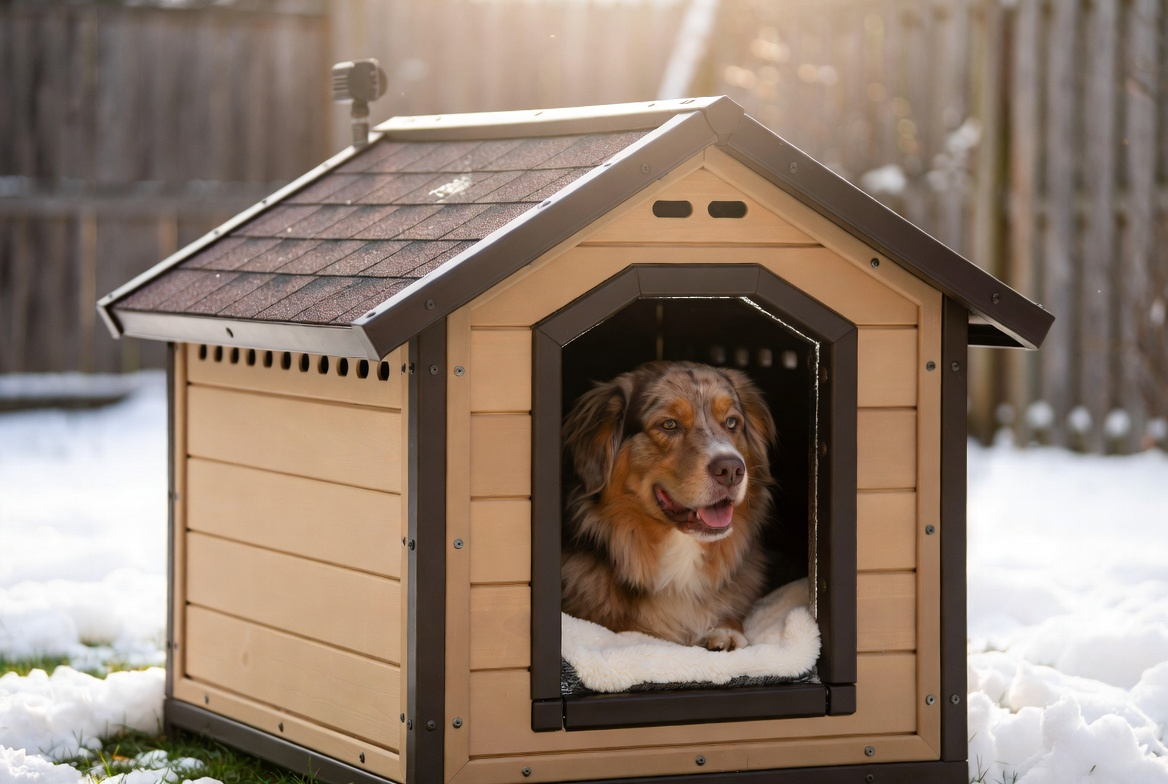
Best Insulated Outdoor Dog House to Keep Pets Warm
Seeing your loyal friend all cozy after a fun day is special. As winter comes, you worry about their comfort. You want them to stay safe and snug when it’s cold outside.

Keeping your pet warm is not just nice; it’s very important. The right insulated dog house keeps them safe from the cold. This protects their joints and immune system.
Finding the best insulated dog house is key. It should look good and be well-made. You’ll feel good knowing your pet is warm and happy in their cozy home. Let’s find the perfect place for your pet to stay warm and happy all winter.
Understanding Your Dog’s Thermal Needs
Dogs feel the cold in different ways. Some love the snow, while others get cold fast. Your goal is to create a sanctuary that matches your dog’s specific biological requirements.
Assessing Your Local Climate and Winter Severity
First, look at your local weather. Regional climate data shows how cold it gets. Dogs in cold places need more warmth than those in milder climates.
Think about how long it’s cold. A quick cold spell is different from a long winter. Always plan for the worst-case scenario to keep your dog safe and warm.
Identifying Breed-Specific Cold Tolerance
Your dog’s breed affects how they handle cold. Huskies and Malamutes are built for cold, while short-haired breeds need extra help.
Age and health matter too. Puppies and senior dogs often struggle to regulate their body temperature more than healthy adult dogs. If your pet is thin or cold, they need a good, insulated shelter.
Recognizing Signs of Hypothermia in Dogs
Watch for signs of cold stress. Shivering is the most common indicator that your dog is cold. If they seem tired or slow, they might be too cold.
Look for stiff muscles, shallow breathing, or not responding to you. These signs mean your shelter isn’t enough. Immediate action is required to warm them up and avoid health problems.
Key Features of a High-Quality Insulated Outdoor Dog House
A good outdoor shelter keeps your pet safe from the weather. When looking for a weatherproof dog house, check how it handles heat and moisture. It should keep your dog warm, even when it’s cold outside.
Evaluating Insulation Materials and R-Values
The R-value shows how well a shelter keeps heat in. Good models use foam or thick walls to keep your dog warm. Choosing the right insulation is key to a cozy shelter.
Look for materials that are warm but not too heavy. Effective insulation keeps cold out. Make sure the insulation fits your local weather.
The Importance of Weatherproof Roofing and Seals
A weatherproof dog house needs a strong roof and door seals. A good roof sheds snow and rain fast. Seals around the door and joints keep cold air out.
Moisture can cause mold and make it colder inside. Tight-fitting seals keep your pet’s warmth in. Weather stripping adds extra protection against storms.
Selecting Durable Materials for Longevity
A durable dog house lasts for years. Use materials like rot-resistant cedar or plastic. These don’t crack or warp easily.
A durable dog house also has rust-proof hardware. Choosing quality materials means your dog’s shelter stays safe and cozy. Quality construction protects your investment and your dog’s health.
Determining the Correct Size for Your Pet
Size matters when it comes to keeping your pet warm. A house that’s too big can’t keep the heat in. It’s important to find a size that’s just right for your dog’s comfort and warmth.
Measuring Your Dog for Optimal Heat Retention
To get the right size, measure your dog while they’re standing. Start from the nose to the tail, then add 10 to 12 inches for room to move. Also, measure from the floor to the top of their head, adding a few inches for comfort.
Precision is key when picking a dog house. Your pet should be able to stand, turn, and lie down easily. A house that’s too small can stress your pet, while one that’s too big loses heat.
Why Bigger Is Not Always Better for Insulation
Many think a bigger house is warmer, but it’s not true in cold weather. A dog house works like a heat trap, using your pet’s body heat. But if it’s too big, the heat spreads out instead of warming your pet.
Choosing a compact design keeps the heat close to your pet. This makes them warmer on cold nights. Always choose a snug fit over extra space for better insulation.
Ensuring Proper Ventilation to Prevent Moisture Buildup
Even with a small, insulated space, don’t forget about airflow. Your dog’s breath and moisture can make the inside cold and damp. This can lead to mold and make your pet colder.
Look for houses with strategically placed vents near the roof. These vents let out stale air and keep cold drafts away. This balance keeps the inside dry, warm, and healthy all winter.
Selecting the Best Insulated Outdoor Dog House for Your Yard
When you start looking for an insulated outdoor dog house, you’ll see many choices. It’s key to pick the right material for the weather. This choice will keep your pet warm on cold nights.

Comparing Wood Versus Plastic Construction
Wood is a popular pick because it keeps warm naturally. It breathes, which helps avoid moisture buildup. But, it needs some upkeep to stay in good shape. Plastic is easy to care for and fights off moisture.
- Wood: Offers great warmth and a classic look.
- Plastic: Is light, simple to clean, and fights moisture.
- Hybrid: Some designs mix both for the best features.
Evaluating Heavy-Duty Dog House Designs
For tough weather, a heavy-duty dog house is a good choice. These are made strong to handle bad weather. Look for ones with double walls for extra cold protection.
A strong build means your dog house will last long. Durability is crucial for outdoor pets. Make sure the hardware and hinges won’t rust or break.
Checking for Elevated Floors and Moisture Barriers
Elevated floors are a must for a good heavy-duty dog house. They keep cold air and dampness out. This keeps the floor dry and warm for your dog.
Choose models with adjustable feet or a platform base. These help level the shelter on uneven ground. Keeping the floor dry is key for your pet’s health and comfort.
Preparing the Site for Your Outdoor Dog Shelter
A good foundation is key for a top-notch outdoor dog shelter. It keeps your pet warm and dry, even in cold weather. By picking the right spot, you make a cozy, safe place for your dog.
Choosing a Wind-Protected Location
To keep your dog warm, find a spot that blocks wind. Look for areas shielded by fences, hedges, or your home. Avoid open areas where wind can make it cold inside.
Place the entrance where the wind isn’t strong. This keeps cold air out of your outdoor dog shelter. A spot that’s protected helps the shelter stay warm.
Leveling the Ground for Stability
A stable base is crucial for your pet’s home. Uneven ground can make the shelter wobble or let cold air in. Use a level to make sure the ground is flat.
Leveling also helps with water. You want water to flow away from the base, not pool there. A dry base is critical for preventing rot and keeping your dog healthy.
Creating a Thermal Buffer with Foundation Materials
The ground can take heat away from your pet. To stop this, add a thermal buffer between the ground and the shelter’s floor. Use gravel or wooden pallets to create this gap.
This buffer keeps the floor warm by preventing contact with cold soil. Adding this extra layer greatly improves your shelter’s warmth.
Step-by-Step Guide to Assembling Your Insulated Dog Kennel
Building your insulated dog kennel right is key. It keeps your pet warm and safe. Make sure every part fits well to block cold air.
Preparing Tools and Hardware
Start by clearing a flat area and sorting out your kit. You’ll need a drill, screwdriver, and level. Double-check you have all screws and brackets before you start.
Having your tools ready helps avoid delays. For wooden models, a rubber mallet is useful. It helps fit panels without harming the wood. Organization is the key to a smooth build.
Following Manufacturer Assembly Instructions
Read the manual fully before starting. The design is made to keep your pet warm. Follow each step carefully to ensure everything fits right.
If a step is unclear, look at the diagrams. Patience during this phase is crucial. It helps build a strong, wind-resistant home for your pet. Avoid forcing parts together to prevent damage.
Sealing Gaps to Prevent Drafts
Even with perfect assembly, small gaps can appear. Use pet-safe, weather-resistant silicone caulk to seal them. This step is vital to keep your dog warm.
Check corners and where the roof meets the walls for leaks. A small bead of sealant keeps your dog warm in cold months. A draft-free space is vital for your pet’s comfort and health.
Enhancing Warmth with Internal Accessories
A good pet house is just the start. Adding internal accessories gives extra warmth. These changes make your dog’s home a cozy sanctuary on cold nights.
Choosing the Right Bedding for Insulation
Choosing the right bedding is key for warmth. Cotton or towels soak up moisture and get cold. Look for materials that keep warm and breathe well.
- Cedar shavings: Keep warm and smell nice.
- Straw: Traps heat and keeps dry.
- Self-warming mats: Reflects body heat back.
- Synthetic fleece: Dries fast if wet.
Installing Safe Heating Pads or Thermal Mats
Heated mats are a must in cold areas. Make sure they’re made for outdoor use. Check that cords are safe and protected from the weather.
Put the mat in a corner so your dog can move if too hot. This lets them control their warmth. Always use the mat as directed to avoid dangers.
Using Door Flaps to Block Cold Air
A door flap stops cold winds and snow. Even the best insulated pet house loses heat fast without one. A heavy-duty vinyl flap keeps air warm inside.
The flap should fit right so your dog can move easily. A well-fitting flap keeps cold air out. This simple change helps keep the shelter warm.
Maintenance Tips for Your Insulated Pet House
Keeping your pet happy and warm is key. A little care goes a long way. Your insulated pet house will stay cozy for your dog all year.

Regular Cleaning to Prevent Mold and Mildew
Moisture harms any outdoor shelter. Clean the inside every month to stop mold and mildew. Use mild, pet-safe detergent and warm water.
Let it dry fully before adding bedding. Fix damp spots fast to keep it healthy and smell-free.
Inspecting Seals and Insulation Integrity
Materials can wear out over time. Check the roof, doors, and corners for gaps. Use weather-resistant sealant for small cracks.
Check the insulation too, if you can. Keeping it in good shape keeps your insulated pet house warm.
Seasonal Storage and Winterization Checks
Change your maintenance as the seasons do. Before the first frost, do a full check. Make sure everything is tight and the house is strong.
In harsh weather, add extra protection. This gets your insulated pet house ready for the worst. Your dog will stay safe and warm all winter.
Common Mistakes to Avoid When Housing Dogs Outdoors
Many owners accidentally make their pets uncomfortable. They forget simple setup rules. You want to keep your dog warm, but some actions can be dangerous. Avoiding these mistakes keeps your outdoor dog shelter safe all winter.
Overlooking Proper Airflow and Ventilation
It’s a mistake to think sealing a heavy-duty dog house keeps it warm. Sealing all cracks traps moisture. This moisture makes bedding damp, which can freeze and make your pet colder.
Good ventilation is essential for a healthy environment. You need air exchange to prevent mold and mildew. A good shelter lets in fresh air without drafts.
Placing the Shelter in Direct Path of Prevailing Winds
The shelter’s location is as important as its materials. If it faces the wind, cold air will always enter. This makes your dog work harder to stay warm.
To protect your pet, follow these tips:
- Place the entrance away from winter winds.
- Use fences or thick hedges to block gusts.
- Angle the house so wind hits the solid back wall.
- Make sure the structure is not in a low spot where water might pool.
Neglecting Regular Health Checks During Cold Spells
Even the best heavy-duty dog house can’t replace your watch. During extreme cold, check on your dog daily. Look for signs they’re not coping well with the cold.
Watch for these warning signs:
- Shivering or trembling that doesn’t stop.
- Lethargy or unusual reluctance to move.
- Signs of frostbite on ears, paws, or the tail.
- Refusal to eat or drink during the day.
Always remember your dog needs you to know when it’s too cold. If you see these signs, bring your pet inside to warm up. Regular checks prevent health problems in winter.
Safety Considerations for Winter Outdoor Living
When it gets cold, keeping your outdoor pet safe is key. A good shelter helps, but your watchful eye is the most important thing. Simple steps each day can stop accidents and keep your pet healthy all winter.

Monitoring Electrical Cords for Heating Elements
Heating pads or mats can keep your dog warm, but electrical safety is crucial. Check cords every day for frays or chew marks that could cause dangerous electrical shorts. Use chew-proof covers or heavy-duty protectors to keep wires safe.
Make sure cords are dry and not near water or snow. If a cord is damaged, replace it right away. Your dog’s safety is never worth the risk of a bad heating element.
Ensuring Constant Access to Unfrozen Water
Keeping your dog hydrated is as important in winter as in summer. Water bowls can freeze fast, leaving your dog thirsty. Get a heated water bowl to make sure they always have fresh water.
If you can’t use electricity, check and refill water often. Never think eating snow is enough for your dog. Dehydration can make it hard for them to stay warm.
Knowing When to Bring Your Dog Inside
Even the warmest houses can’t handle extreme cold or wind. Watch for signs like shivering, tiredness, or lifting paws. If you see these, bring your pet inside right away to avoid hypothermia or frostbite.
Watch local weather alerts and change plans if the storm is bad. If it’s too cold for you, it’s too cold for your dog. Trust your instincts; if you feel it’s too cold, your dog does too.
Top-Rated Outdoor Dog House Brands and Models
Finding the right shelter for your pet can be tough with so many choices. We looked at top models to help you pick the best insulated outdoor dog house for your yard. These picks focus on lasting quality, keeping warm, and making your pet comfortable.
Reviewing the ASL Solutions Dog Palace
The ASL Solutions Dog Palace is seen as the best insulated dog house for harsh weather. It has thick polystyrene foam insulation in walls and floor to keep warmth in. It also has a door that closes by itself, helping keep the inside warm at night.
Analyzing the Precision Pet Extreme Outback Log Cabin
For a classic look, this top-rated outdoor dog house has a log cabin design. It’s made of solid wood and has a slanted roof to keep water away. The raised floor keeps your pet dry and warm, away from cold, damp ground.
Evaluating the Petsfit Insulated Dog House
The Petsfit model is a great weatherproof dog house that’s easy to clean. It has a hinged roof for quick cleaning. The sturdy construction and asphalt shingles keep rain and snow out, keeping your dog warm and dry all winter.
Conclusion
Getting a good shelter for your dog makes your backyard a safe place for them. You know how to pick, put together, and keep a shelter that keeps warm and lasts long.
By choosing well, you keep your dog safe from cold weather. Companies like ASL Solutions, Precision Pet, and Petsfit make it easy for you.
Look at your dog’s shelter now. Even small changes can make a big difference in their comfort. Your efforts keep your dog happy and healthy all winter.
Write about your shelter experiences below. Your stories help other dog owners choose the best for their pets. Let’s keep our pets safe and happy together.


