
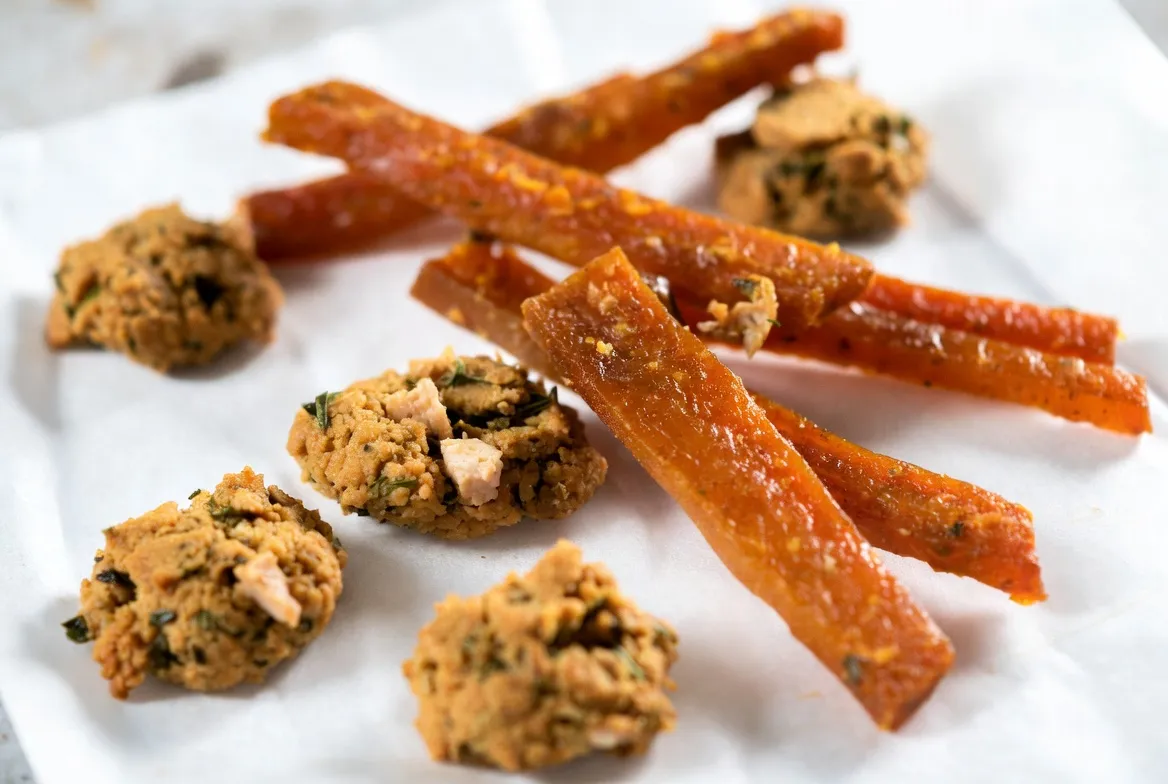
Homemade Chicken Treats for Dogs Healthy and Delicious
There’s a special bond between you and your furry friend. You see it in their wagging tail and the gentle nudge of their nose. Providing the best for your companion is a labor of love that starts in your kitchen.
Making Homemade Chicken Treats for Dogs lets you control their nutrition. You choose high-quality protein for their daily adventures. No more worries about hidden fillers or artificial additives in store-bought snacks.

Baking healthy dog treats at home is rewarding. It strengthens your bond. When you make chicken dog treats yourself, you know exactly what they eat. It’s a simple way to care for their long-term wellness and happiness. Let’s start this journey together to make snacks your pup will love.
Why You Should Make Homemade Chicken Treats for Dogs
Making homemade pet snacks lets you control what your dog eats. You know exactly what goes into their food. This means no bad fillers or preservatives.
These treats can be made just right for your dog. If they have a sensitive stomach or are picky, you can adjust the recipe. This way, your dog gets a snack that’s good for them and tastes great.
Plus, making these treats brings you closer to your dog. It’s fun to see them excited for a snack you made. By choosing homemade pet snacks, you’re showing your dog you care. And they’ll love the treats you make for them.
Essential Ingredients and Safety Guidelines for Your Pup
Making safe snacks for your dog means knowing what goes into their food. Choosing quality ingredients ensures your pet gets healthy dog treats that keep them healthy. It’s key to carefully pick your ingredients.

Selecting High-Quality Chicken Sources
The base of any good recipe is the protein you pick. Always go for lean, antibiotic-free chicken for the best nutrition. If you can, use organic dog treats ingredients to avoid harmful pesticides.
Safe Additives and Ingredients to Avoid
Not everything in your kitchen is safe for dogs. Stay away from toxic stuff like xylitol, found in peanut butter and sugar-free foods. Also, avoid onions, garlic, and some spices that can harm your dog’s health.
Understanding Your Dog’s Dietary Needs and Allergies
Every dog is different, and what’s good for one might not be for another. If your dog has allergies, make homemade dog treats for allergies by avoiding common allergens like wheat, corn, or soy. Always talk to your vet before adding new foods to make sure they’re safe for your dog.
Preparing Your Kitchen for DIY Dog Treat Success
A clean kitchen is the secret weapon for making homemade snacks for pets. Before starting, make sure your kitchen is clean and ready. This lets you enjoy making healthy treats for your dog.
Necessary Kitchen Tools and Equipment
To make diy dog treats, you need a few basic items. First, get high-quality parchment paper to prevent sticking. Also, have fun cookie cutters to make your treats look great.
A good oven is key for the right texture in your organic dog treats. Make sure your baking sheets are clean. Having these tools ready helps you make your treats easily and confidently.
Sanitation Practices for Pet Food Preparation
Keeping things clean is crucial when handling raw poultry. You must avoid mixing your food with your pet’s snacks. Always wash your hands, cutting boards, and utensils with hot, soapy water after each use.
Keeping your area clean protects you and your pet from foodborne illnesses. By being clean, you ensure your diy dog treats are safe and healthy. Cleanliness makes serving organic dog treats a joy.
Simple Baked Chicken and Oat Biscuits
These classic biscuits are great for beginners. They use simple, pantry-friendly ingredients. Making homemade dog biscuits lets you give your dog quality snacks without preservatives.

Gathering Your Ingredients
To start making diy dog treats, you need just a few things. You’ll need two cups of rolled oats, one cup of cooked shredded chicken, and one large egg.
If the dough seems too dry, add a tablespoon of water or low-sodium chicken broth. This keeps your easy dog treat recipes healthy and easy for your pet to digest.
Step-by-Step Mixing and Rolling Instructions
First, pulse your oats in a food processor until they’re like flour. Then, mix the oat flour with the chicken and egg in a big bowl. Keep mixing until a firm dough forms.
Put a bit of extra oat flour on your countertop to stop the dough from sticking. Roll it out to about a quarter-inch thick. Use your favorite cookie cutters to make fun shapes for your dog.
Baking Times and Temperature Tips
Preheat your oven to 350°F (175°C) for even cooking. Put your cutouts on a parchment-lined baking sheet, leaving space for air to flow.
Bake for 20 to 25 minutes, or until the edges are lightly golden. For an extra crunch, turn off the oven and let the biscuits cool inside. This keeps your diy dog treats fresh and crispy for days.
Grain-Free Chicken and Sweet Potato Chews
If your dog has food sensitivities, these grain-free chews are great. Many owners choose homemade dog treats for allergies. They want to avoid fillers that upset their pets’ stomachs.
By using simple, whole ingredients, you make natural dog treats. These are safe and very tasty for your dog.
Benefits of Sweet Potato for Canine Digestion
Sweet potatoes are great for your dog. They are full of dietary fiber. This helps keep your dog’s bowel movements regular.
They also have vitamins A, B6, and C. These vitamins help your dog’s immune system. They also keep your dog’s skin and coat healthy.
Preparing the Chicken and Vegetable Base
To start, steam or boil sweet potatoes until they’re soft. Then, mash them and mix with ground chicken breast.
This mix makes a protein-rich dough. You can shape it into chicken dog treats. These treats are tasty and good for training or rewards.
Dehydrating Versus Baking Methods
You can dry or bake your treats. Drying at a low temperature makes them chewy. This helps clean your dog’s teeth.
Baking makes them crispy. It’s faster, but drying keeps more nutrients. Try both to see what your dog likes best.
Quick and Easy Chicken Jerky Strips
If you’re looking for easy dog treat recipes, homemade chicken jerky is great. Most dogs love it during training or as a snack.

Sourcing Lean Chicken Breast
Start with fresh, high-quality chicken breast. Trim away all visible fat before you start. Excess fat can spoil quickly, shortening your snack’s life.
Slicing Techniques for Even Drying
For the best results, slice the chicken thinly and evenly. Use a sharp knife to make strips about an eighth of an inch thick. Uneven slices can dry out too fast or stay too moist.
Freezing the meat for thirty minutes helps. This firming technique makes cutting easier and more precise. Even slices dry at the same rate.
Monitoring the Dehydration Process
Keep an eye on the drying process, whether using a dehydrator or oven. Use a low temperature to dry slowly without cooking too fast. Patience is key for the perfect chewy texture.
Check the strips often to avoid them getting too dry or not dry enough. When done, they should be firm but still slightly flexible. These homemade chicken dog treats are a healthy way to show your pup love.
Creative Add-ins to Boost Nutritional Value
You can make basic recipes healthier by adding smart ingredients. This is a great way to give your homemade pet snacks extra health benefits. It also keeps your pup happy and excited for their treats.
Incorporating Healthy Vegetables and Herbs
Adding fresh produce is a smart move. It brings vitamins and fiber to your dog’s diet. Finely grated carrots add a sweet taste and a fun crunch that dogs love.
Adding fresh herbs to your dough is also a good idea. They offer special benefits:
- Parsley: It makes your dog’s breath fresh.
- Carrots: They’re full of beta-carotene and fiber for digestion.
- Spinach: It boosts iron and vitamins.
Adding Superfoods Like Blueberries or Flaxseed
Superfoods are good for dogs too. They help improve skin and coat health. Adding them to your baking gives your pet vital antioxidants and healthy fats.
Blueberries add a burst of vitamins. Ground flaxseed helps keep the coat shiny and healthy when used right.
Balancing Flavors for Picky Eaters
If your dog is picky, try different flavors. Making homemade dog treats for allergies means choosing ingredients carefully. But you can still make them tasty.
Use high-value proteins like chicken and mild, safe veggies. If your dog doesn’t like a texture, change the moisture or piece size to fit their taste.
Proper Storage and Shelf Life for Natural Dog Treats
When making natural dog treats without harsh chemicals, storing them right is key. These snacks don’t have the preservatives found in store-bought ones. So, they need special care to stay good.
By handling them properly, your dog can enjoy every bite. This keeps them healthy and safe.
Refrigeration Requirements for Fresh Treats
For treats you’ll use in a week, the fridge is best. Keep them in an airtight container to avoid moisture. This keeps the treats crunchy and flavors fresh for your pet.
Freezing Methods for Long-Term Preservation
Freezing is great for keeping treats longer. Put them in freezer-safe bags, squeezing out air before sealing. Mark the bags with the date so you know when they were made. This way, you can thaw only what you need for a few days.
Identifying Signs of Spoilage
Even with good storage, watch for signs of spoilage. Always check your natural dog treats before giving them to your dog. If they smell bad, have mold, or feel slimy, throw them away.
Your dog’s health is the most important thing. If you’re unsure, it’s better to be safe and throw them out.
Managing Portion Control and Daily Caloric Intake
Even the most nutritious healthy dog treats need careful portion control. This keeps your dog at a healthy weight. Giving too many extras can cause weight gain and health problems.
Calculating Treat Allowances Based on Weight
Treats should not make up more than 10% of your dog’s daily calories. First, figure out your dog’s daily calorie needs. This depends on their weight, age, and how active they are.
After finding this number, multiply it by 0.10. This gives you your maximum daily treat allowance. If making homemade pet snacks, track the calories in each piece. This helps you stay within the safe limit.
Balancing Treats with Regular Meal Times
Integrate these rewards into your dog’s regular meals. If you give treats during training, cut down on their next meal. This keeps their diet balanced.
Being consistent is key for your pet’s health. Treating these homemade pet snacks as supplements keeps your dog happy and healthy. It prevents obesity.
Troubleshooting Common Issues in Homemade Dog Treats
If your homemade dog biscuits didn’t come out right, don’t worry. Troubleshooting is part of baking. Even with easy dog treat recipes, small problems can happen. With a few tweaks, your dog will love their treats even more.
Fixing Crumbly or Over-Baked Biscuits
If your dough is too dry, it needs more moisture. Add a teaspoon of water or chicken broth until it’s right. If your treats are too hard, try softening them with a slice of apple in a sealed container.
Adjusting Recipes for Humidity and Altitude
High altitude or humidity can change how your homemade chicken treats for dogs bake. At high altitudes, bake at a higher temperature or for less time. In humid places, add more flour to keep the right texture.
Handling Texture Preferences for Different Breeds
Dogs have different chewing needs. You can change your easy dog treat recipes to meet these needs. For soft treats, bake less or add pumpkin puree. For crunchier treats, bake longer or dehydrate in a cooling oven. Customizing the texture makes treats safe and enjoyable for your pet.
Conclusion
Making your own snacks is a great way to show your dog love. It also makes sure they get the best nutrition. You can choose exactly what they eat.
Learning to make diy dog treats helps you avoid bad fillers in store-bought ones. You’ll know every bite is good for your dog’s health and happiness.
Begin with simple recipes to find out what your dog likes. These treats are a healthy choice for fun times or calm days.
Sharing homemade dog biscuits strengthens your bond with your dog. Your kitchen becomes a place for healthy snacks tailored to your dog’s needs.
Keep trying new recipes with different proteins and veggies. Your commitment to quality ingredients will make your dog happy for years.


