
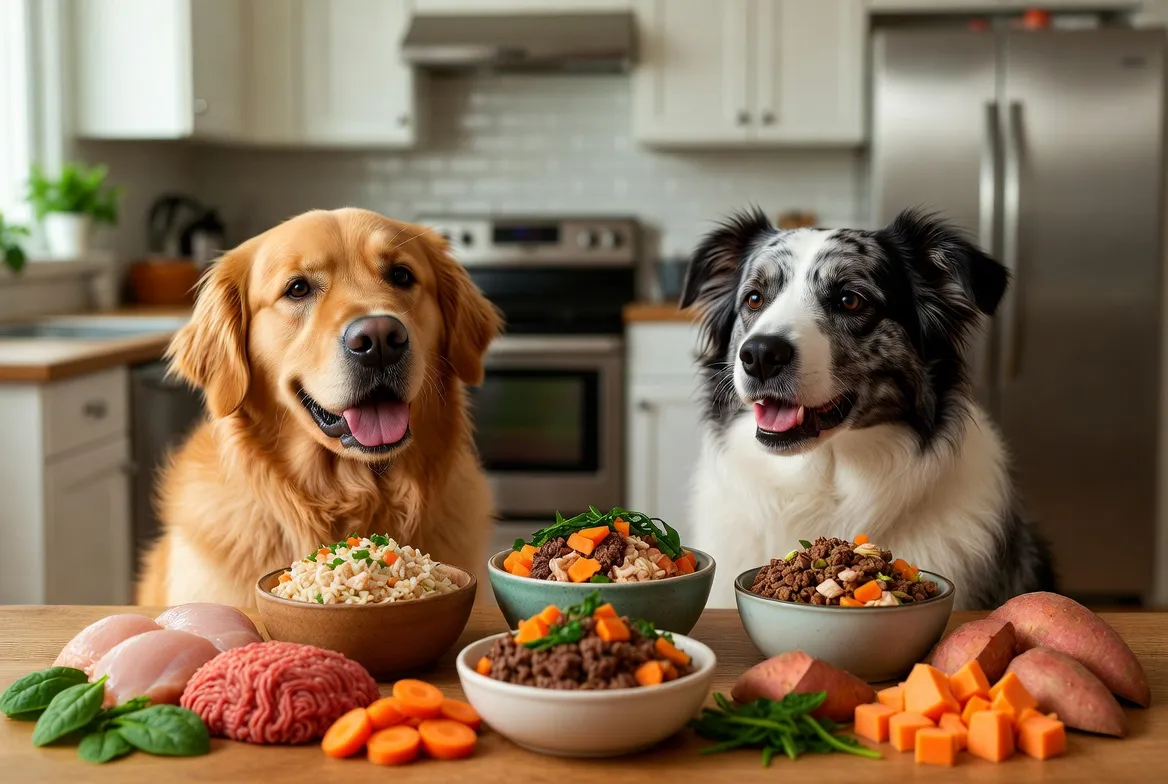
How to Make Balanced Homemade Dog Food Your Complete Guide
More pet owners are cooking meals at home. This trend helps ensure your dog gets optimal nutrition just for them. By controlling their diet, you can help them stay healthy and full of energy.

Starting to make your dog’s food might seem hard. But this complete guide to homemade dog food will help you get started. You’ll see how easy it is to make fresh meals for your dog.
By following these steps, you can start with confidence. You’re giving your dog wholesome, high-quality nutrition for a long, happy life. Let’s look at how to make the perfect meal for your furry friend today.
Understanding Canine Nutritional Requirements
Getting the right nutritional balance for dogs is more than just love. It needs a deep understanding of their needs. Every meal is key to your pet’s health and happiness.
By choosing the right mix, your dog can stay healthy. This helps with muscle strength and a shiny coat.
The Role of Proteins, Fats, and Carbohydrates
Proteins are the building blocks of your dog’s body. They help with muscle and tissue repair. Choose high-quality sources for the amino acids they need.
Fats are a concentrated energy source for active dogs. Carbohydrates give fiber for a healthy digestive system.
Understanding Micronutrients and Minerals
Micronutrients and minerals are key for your dog’s health. They help organs work well and keep the immune system strong.
Vitamins and minerals, even in small amounts, are crucial. They prevent health problems. A proper nutritional balance for dogs ensures they get these essential nutrients.
A balanced diet for dogs is all about harmony. The right mix of nutrients gives your pet a long, happy life.
Essential Ingredients for a Healthy Dog Diet
Choosing the right ingredients is key in making diy dog food. By picking fresh, whole foods, you avoid bad stuff in commercial dog food. This way, your dog gets the best nutrition.
Selecting High-Quality Protein Sources
Proteins are vital for your dog’s muscles, skin, and coat. Look for lean meats with all the amino acids your dog needs. Always aim for variety to give your dog a wide range of nutrients.
Here are some protein-rich foods to add to your homemade dog food recipe:
- Chicken breast or thighs without skin
- Lean ground turkey or beef
- Fresh white fish like cod or tilapia
- Nutrient-dense organ meats such as liver or heart

Choosing Dog-Safe Vegetables and Fruits
Vegetables and fruits are full of vitamins, minerals, and antioxidants. They help keep your dog’s immune system strong. Make sure to pick safe options and avoid toxic ones like onions or grapes.
Here are some colorful, nutritious options to add to your dog’s meals:
- Steamed carrots for beta-carotene
- Fresh blueberries for antioxidants
- Cooked green beans for fiber
- Sweet potatoes for healthy energy
Healthy Grains and Fiber Options
Some dogs do well on grain-free diets, but many need grains for energy. Fiber keeps their digestive system healthy and helps them feel full. Make sure to cook any grains thoroughly for easy digestion.
Here are some fiber-rich foods to add to your homemade dog food recipe:
- Brown rice or quinoa
- Rolled oats
- Barley
- Pumpkin puree for digestive support
How to Make Balanced Homemade Dog Food: A Complete Guide
Starting a healthy diet for your pet is more than just cooking. It’s about knowing how to make balanced homemade dog food. This ensures your pet gets the best nutrition at every meal.
Preparation is key to avoid mistakes and give your pet top-notch nutrition. This is the first step to a long, happy life for your pet.

Establishing a Nutritional Baseline
Every dog is different. So, a complete guide to homemade dog food must start with knowing your dog. You need to know their breed, weight, and how active they are.
Also, think about any health problems or allergies they might have. Knowing this helps you make recipes just right for them, not just based on general advice.
Consulting with Your Veterinarian
Before starting, talk to your vet. They make sure your plan is safe and balanced. This is key for your dog’s health over time.
Your vet can spot any missing nutrients in homemade food. They also check if your ingredients give your pet the right calories.
Tools You Need for Success
Having the right tools makes cooking easier and keeps it a habit. You need things that help you measure ingredients accurately every time.
Here are some must-haves for your kitchen:
- A high-quality digital kitchen scale for precise ingredient weighing.
- A reliable food processor to ensure consistent texture and nutrient absorption.
- A set of airtight storage containers to keep your prepared batches fresh.
- A dedicated notebook or app to track your dog’s intake and health progress.
Step-by-Step Preparation Process
Having a clean kitchen is key to making a homemade dog food recipe. It makes cooking for your dog safe and healthy. You’ll know your pet is getting the best nutrients.
Preparing and Cooking Proteins
Choose proteins like chicken, turkey, or lean beef. Make sure to cook them well to kill harmful bacteria. Avoid frying or using too much oil to prevent digestive issues or weight gain.
Instead, cook your proteins by poaching, baking, or steaming. These methods keep the meat tender and easy for your dog to digest. They also keep the amino acids intact.

Processing Vegetables for Maximum Nutrient Absorption
Dogs can’t digest raw plant cell walls as well as humans. To make healthy homemade dog meals, you need to process veggies. This unlocks their vitamins and minerals.
Start by lightly steaming your veggies until they’re soft. Then, puree them into a fine mash. This makes the nutrients more available to your dog.
Mixing and Batching Your Ingredients
Batch cooking saves time and keeps your dog’s diet consistent. Prepare your proteins and veggies first. Then, mix them in a big bowl based on your dog’s nutritional needs.
Make sure the mix is well blended. This way, your dog gets the right balance of ingredients in every bite. Cooking in bulk makes it easy to serve fresh, healthy meals every day.
Calculating Portion Sizes Based on Activity Levels
Keeping your dog at a healthy weight is key. It starts with knowing how much food they need each day. The right amount of food is crucial for a balanced diet for dogs. It helps prevent obesity and keeps them full of energy.
Watching your pet’s body shape is important. This ensures they stay in top shape.
Determining Your Dog’s Caloric Needs
Every dog burns calories differently. This depends on their breed, size, and how much they exercise. First, find out their Resting Energy Requirement (RER). Then, multiply it by an activity factor for their daily activities.
Consistency is key when tracking these numbers. Active dogs need more calories to keep their energy up. Less active dogs need fewer calories to avoid gaining weight.
Adjusting for Age and Metabolism
As your dog grows, their diet needs change. A balanced diet for dogs must adapt to these changes. Check portion sizes every few months or when your dog’s activity level changes.
Puppy Growth Requirements
Puppies grow fast and need lots of nutrients. They need more calories than adult dogs to grow strong bones and muscles. Always watch their growth to avoid too much weight gain, which can harm their joints.
Senior Dog Dietary Adjustments
Older dogs move less and burn fewer calories. You might need to give them less food to avoid obesity. Choose high-quality, easy-to-digest foods that help their joints and keep muscles strong without extra weight.
Incorporating Necessary Supplements and Vitamins
Creating a nutritious diet for your dog is rewarding but needs careful attention. Even with the best homemade pet food tips, meals might miss trace minerals or vitamins. This is because some nutrients are hard to get from whole foods alone.

Why Whole Foods May Not Be Enough
You might think fresh meat and veggies give your dog everything they need. But, meeting AAFCO standards needs more than a simple recipe. Without proper supplementation, your dog could face health issues, even if they look healthy now.
While whole foods are great, they rarely have the right mix of nutrients. Adding specific supplements ensures your dog gets a complete and balanced profile every time. This is crucial for keeping your pet healthy and happy.
Common Supplements to Consider
Adding supplements to your routine can be simple. Always talk to your vet before adding new supplements to make sure the right amount is given. Here are some key supplements for a balanced diet:
- Calcium: Crucial for bone health and balancing phosphorus in meat.
- Omega-3 Fatty Acids: From fish oil, they help with skin, coat, and joint health.
- Taurine: Important for heart health, mainly in certain breeds.
- Vitamin E: A strong antioxidant for immune system support.
- Zinc: Needed for metabolism and healthy skin.
When starting supplements, add them slowly to avoid digestive issues. Consistency is key in following these homemade pet food tips. Keep your supplements in a cool, dry place to keep them effective.
Foods to Avoid for Dog Safety
Keeping your pet safe means watching what dog food ingredients you pick. Sharing your food might seem nice, but many things are bad for dogs. Knowing what not to feed your dog is key to a safe home.

Toxic Ingredients to Keep Out of the Kitchen
Some foods are very bad and can hurt your dog a lot. Make sure these are kept away from your pet:
- Onions and Garlic: They can harm your dog’s blood, leading to anemia.
- Grapes and Raisins: Even a little can cause kidney failure in dogs.
- Xylitol: This sweetener in foods like peanut butter can lower blood sugar and harm the liver.
Always check labels before adding new foods to your dog’s meals. If unsure, it’s safer to skip it.
Common Human Foods That Cause Digestive Distress
Some foods might not be toxic but can still upset your dog’s stomach. These can lead to vomiting, diarrhea, or pancreatitis.
Stay away from high-fat foods, as they’re hard for dogs to digest. Also, dogs often can’t handle dairy, like milk or cheese, because they’re lactose intolerant. Choosing the right dog food ingredients helps keep your dog healthy and happy.
Transitioning Your Dog to a Homemade Diet
Starting your dog on fresh food needs a smooth transition. Their stomachs are sensitive to big changes. So, introduce diy dog food slowly to avoid upset stomachs.
The Gradual Mixing Method
For a smooth transition, stick to a steady schedule for seven to ten days. Gradually add more of your new recipe while reducing the old one. This lets their gut adjust to the new food.
Here’s a simple way to introduce your diy dog food safely:
- Days 1-3: Mix 25% new food with 75% old food.
- Days 4-6: Mix 50% new food with 50% old food.
- Days 7-9: Mix 75% new food with 25% old food.
- Day 10: Serve 100% of your homemade meal.
Watching for Signs of Digestive Upset
Watch your dog’s health closely during this time. Check their stool, energy, and appetite every day. If they seem uncomfortable, slow down the process right away.
Some dogs might need more time to get used to diy dog food. If problems last, go back to the old ratio for a few more days. Your patience will be rewarded as your dog starts to enjoy their new diet.
Storing and Preserving Your Homemade Meals
After making your healthy homemade dog meals, it’s important to keep them fresh. Proper storage is essential to maintain the nutritional integrity and safety of the food. By following these simple guidelines, you can keep your kitchen organized and your pet happy.
Safe Refrigeration Practices
For meals you’ll use in a few days, the fridge is your best friend. Always store your meals in airtight containers to prevent bacterial growth and keep odors from spreading. Glass or high-quality BPA-free plastic containers work best for this purpose.
Ensure your fridge temperature is at or below 40°F. Keep your meals in the back of the fridge, not the door. This keeps the temperature consistent and prevents spoilage for up to three days.
Freezing Batches for Long-Term Use
If you like to cook in bulk, freezing is the best option. You can prepare weeks of food in advance without losing quality. Portioning your meals into individual servings before freezing makes daily feeding easier.
Use freezer-safe bags or containers and label them with the date of preparation. A clear labeling system helps you rotate your stock. This keeps your meals tasting fresh and ensures your dog gets the best possible nutrition every day.
Monitoring Your Dog’s Health and Weight
When you start making food for your dog at home, you become their main health watcher. Watching them closely helps you make sure they get the right nutrients. These homemade pet food tips will help you keep your dog healthy for a long time.
Tracking Body Condition Scores
A body condition score (BCS) is a simple way to check your dog’s weight and muscle. You should be able to feel their ribs easily but not see them. They should also have a clear waist when you look at them from above. Touching your dog regularly helps you spot small changes in their fat or muscle.
If your dog’s weight changes suddenly, you might need to change their food. Keeping a log of their weight and looks is a great homemade pet food tip. Always talk to your vet if you’re not sure about your dog’s ideal weight.
Recognizing Signs of Nutritional Deficiencies
Even with the best plans, a diet can miss important nutrients over time. Look out for subtle warning signs like a dull or thinning coat. This often means they’re missing essential fatty acids. Also, watch their energy levels, as constant tiredness might mean they’re not getting enough food.
Changes in how much they eat or sudden stomach problems can also mean something’s off. By being careful, you can fix diet problems before they get worse. Remember, consistent monitoring is key to a healthy homemade diet.
Conclusion
Preparing homemade dog food is a big step for your pet’s health. You control what goes into their food. This makes your bond stronger and meets their health needs.
Using top-quality proteins and nutrients is key. It helps your dog live a full life. Regular vet visits keep your recipes up-to-date as your dog grows.
Being consistent is crucial. You’ll know exactly what your dog eats. Your hard work makes them happier and healthier.
Share your dog’s food journey with others. You might encourage them to cook for their pets too. Start now and see your dog thrive with every meal.


