
6 Healthy Homemade Dog Food Recipes for a Happy Pup
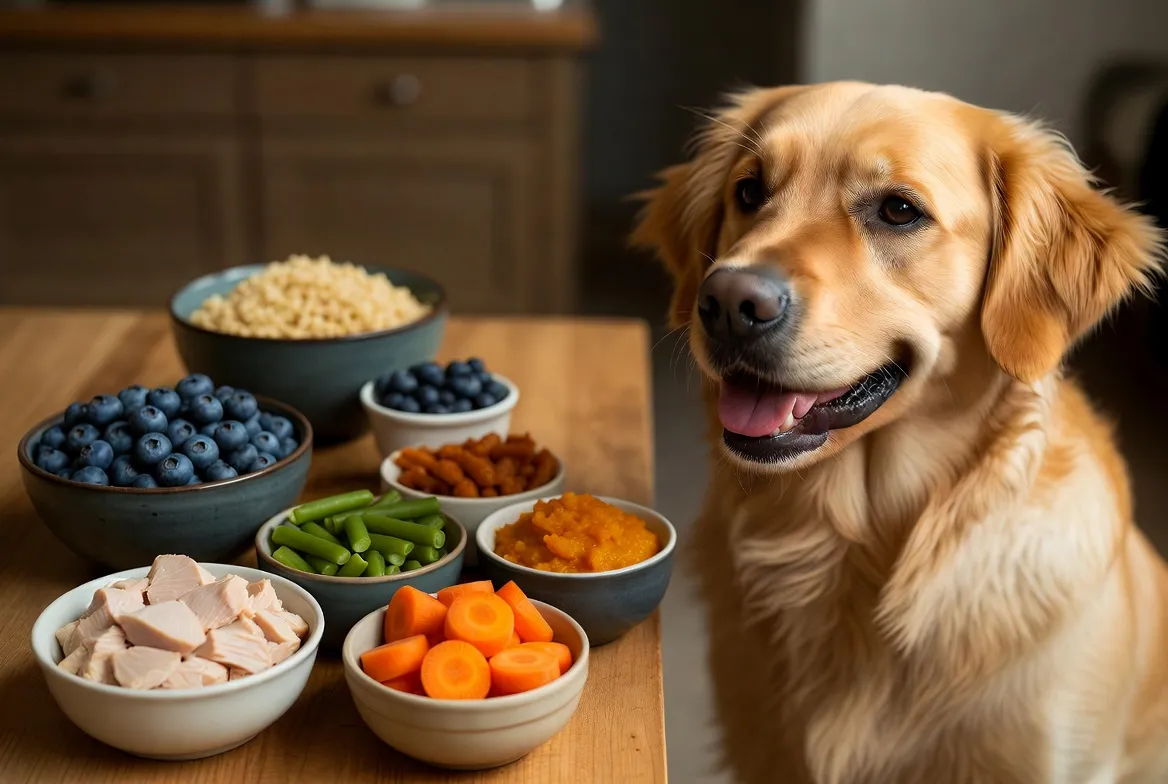
Last winter, my golden retriever, Max, had dull fur and low energy. I felt helpless watching him lose his spark. That’s when I decided to make his meals myself.
Seeing his transformation was amazing. His fur shone again, and his tail wagged with energy. You can do the same by choosing the best ingredients for your dog.

Many pet parents want to feed their dogs better. Making meals yourself means every bite is full of nutrients. This guide will show you 6 healthy homemade dog food recipes for a happy pup to start today.
The Benefits of Preparing Wholesome Dog Meals at Home
Starting your dog’s nutrition journey in your kitchen is empowering. You avoid mystery fillers and artificial preservatives in commercial kibble. This lets you know exactly what your pet eats.
Using homemade dog food recipes means you know the quality of your dog’s food. No more hidden additives or low-quality byproducts. You give them fresh, whole foods for their health.
Choosing natural dog food recipes means your pet gets meals full of nutrients. Every dog is different. Home cooking lets you tailor meals to their needs, age, and taste. It strengthens your bond with them.
Switching to home-cooked meals has many benefits:
- Total Ingredient Control: You pick the best proteins and produce.
- Elimination of Preservatives: Your dog avoids chemicals in commercial food.
- Customized Nutrition: You can change homemade dog food recipes for health needs.
- Enhanced Palatability: Fresh meals are often more appealing to dogs.
Investing in your dog’s diet is an investment in their happiness. You’ll see better energy, coat, and digestion. Giving them wholesome, home-cooked food shows your love every day.
Essential Nutritional Guidelines for Your Canine Companion
Starting your pet’s health journey is easy with the right dog food. It’s not just about filling a bowl. It’s about giving your pet the energy and health they need.

Understanding Macronutrient Balance
A balanced diet has proteins, fats, and carbs. Proteins help muscles and the immune system. Fats give energy for play.
Carbs give energy all day. When making natural dog food recipes, focus on these:
- High-quality proteins: Use lean meats like chicken, turkey, or fish.
- Healthy fats: Salmon oil or flaxseed are good for skin and coat.
- Complex carbs: Sweet potatoes, brown rice, or quinoa are great for digestion.
Safe Ingredients to Include and Avoid
Not all foods are safe for dogs. Many whole foods are good, but some can be harmful.
Check your ingredients before cooking. Keep your kitchen safe by avoiding these:
- Grapes and raisins: They can cause kidney failure.
- Onions and garlic: They harm red blood cells.
- Chocolate: It’s toxic because of theobromine.
- Xylitol: This sweetener in peanut butter is dangerous.
Use fresh, whole foods for natural dog food recipes. This way, your dog stays healthy and happy.
6 Healthy Homemade Dog Food Recipes for a Happy Pup
Starting homemade pet food begins with a clean kitchen. This choice is a big step for your pet’s health and happiness.

Preparation Best Practices for DIY Dog Food
First, make sure your kitchen is clean. This stops food from getting mixed up. Always wash your hands and tools well before and after using them.
Use special tools for making diy dog food. Keep your pet’s food away from your food. This keeps everything fresh and safe.
Consulting Your Veterinarian Before Changing Diets
Talk to your vet before changing your dog’s food. They know what your dog needs based on their age, breed, and how active they are.
Following vet-approved dog food tips helps keep your pet healthy. Your vet can give you valuable insights on what your dog needs at each stage of their life.
Savory Beef and Vegetable Medley
Making a savory beef and vegetable medley is rewarding for your dog’s health. It’s a robust source of iron and protein for strong muscles. Fresh ingredients make it delicious and wholesome for your pet.

Ingredients List and Nutritional Profile
Quality ingredients are key for nutritious homemade dog food. Lean ground beef is the main protein. Vegetables add vital vitamins and fiber for digestion.
Here’s what you need for this meal:
- 1 pound of lean ground beef (90% lean or higher)
- 2 cups of chopped carrots for beta-carotene
- 1 cup of fresh spinach, finely chopped
- 1/2 cup of water or low-sodium beef broth
These ingredients make a balanced meal that keeps your dog’s energy up. Adding them to your homemade dog food recipes boosts your pet’s vitality.
Step-by-Step Cooking Instructions
Creating these homemade dog food recipes is easy. Follow these simple steps for a healthy meal that fits your busy life.
- Brown the lean ground beef in a large skillet over medium heat until fully cooked, then drain any excess fat.
- Add the chopped carrots and water to the skillet, covering it to steam the vegetables until they are tender.
- Stir in the fresh spinach during the last two minutes of cooking until it is wilted and vibrant.
- Allow the mixture to cool completely before serving to ensure it is safe for your dog to eat.
This method gives you a nutritious homemade dog food without fillers. Remember to adjust the portion size for your dog’s size and activity level to keep them healthy.
Chicken and Sweet Potato Power Bowl
Your furry friend will love this savory mix of lean protein and fiber-rich veggies. It’s a great way to give healthy dog food that meets their daily energy needs. Using simple, whole ingredients lets you control what your dog eats every day.

Why Chicken and Sweet Potato Work Together
Chicken is a great protein that’s easy to digest, keeping muscles strong. Sweet potatoes add fiber for smooth digestion. Together, they’re easy on the stomach and very tasty for dogs of all ages.
The sweet potatoes make this dish a hit with even the pickiest eaters. Since these ingredients are easy to find, making this nutritious homemade dog food is simple and won’t break the bank.
Cooking Methods to Retain Nutrients
How you cook your food matters a lot. Steaming or lightly boiling chicken and sweet potatoes keeps vitamins and minerals intact. These methods make sure your dog gets the most from each bite.
Don’t overcook the veggies. They should still be a bit firm to keep their texture and nutrients. With these careful cooking steps, you make a meal that boosts your dog’s health and energy for the long term.
Turkey and Quinoa Nutrient-Dense Feast
Adding a nutrient-dense feast to your dog’s meals is easy. This mix offers a fancy twist that makes dinner exciting. It also gives your dog high-quality protein and important nutrients.
Benefits of Quinoa for Dogs
Quinoa is a great gluten-free grain for dogs. It has all nine essential amino acids. This makes it a top plant-based protein for your dog.
It’s full of fiber, magnesium, and iron. Adding it to your dog’s meals boosts energy and muscle health.
Serving Suggestions for Optimal Digestion
To make sure your dog digests quinoa well, rinse it first. Rinse it under cold water to remove saponin. This coating can taste bad and upset your dog’s stomach.
Cook the quinoa until it’s soft and fluffy. Raw or undercooked grains are hard for dogs to digest. Mix cooked quinoa with lean ground turkey and steamed veggies for a tasty, nutrient-rich bowl.
Fish and Brown Rice Delight for Sensitive Stomachs
When your pup has food sensitivities, making wholesome dog meals at home is rewarding. Dogs often have trouble with common proteins. Choosing a hypoallergenic protein can soothe their stomach and give them the nutrients they need.
Fish is great because it’s full of omega-3 fatty acids. These fats are key for a shiny coat and healthy skin. They help when a dog has allergies. Making dog food with these ingredients is both gentle and nutritious.

Selecting Safe Fish Varieties
Not all fish is good for dogs. Choose low-mercury options to keep your pet safe. Good choices are white fish like cod, haddock, or pollock. They are lean and easy to digest.
Make sure the fish is cooked well and bone-free. Bones can choke or hurt your dog inside. Fresh, high-quality fillets are a clean protein source that’s easy on the stomach.
Managing Allergies with Simple Ingredients
For food allergies, keep ingredients simple. Brown rice is a gentle carbohydrate that gives steady energy. It’s easy to digest and pairs well with fish for balanced meals.
When making these meals, don’t add extra seasonings, oils, or preservatives. Use only whole foods. This simple way helps your dog feel their best every day.
Tips for Safe Storage and Portion Control
When you make your own pet food, storing and portioning are key. Proper handling keeps your diy dog food fresh and safe for your pet. This is important for their health all week long.
Freezing and Reheating Guidelines
Batch cooking saves time, but you must store meals right to avoid spoilage. Use airtight containers or freezer-safe bags to keep moisture and flavor in. Remember to label each container with the date to track freshness.
To serve, thaw frozen portions in the fridge overnight. Don’t microwave for too long, as it can burn your dog’s mouth. Warm the food to room temperature gently to keep nutrients in your diy dog food.
Calculating Daily Caloric Needs
It’s as important to prevent overfeeding as it is to use quality ingredients. Each dog needs a certain number of calories based on their weight, age, and activity. Talk to your vet to find out how many calories your pet needs.
After finding out the calorie goal, divide it by the number of meals a day. Use a kitchen scale to measure diy dog food portions. This ensures consistency and helps prevent weight gain. Consistency is the key to keeping your pup happy and healthy.
Conclusion
Starting to make homemade meals for your dog can really bring you closer. It makes them healthier and lets you choose what they eat.
You can now make meals that keep your dog healthy for a long time. It’s important to stick to a vet-approved diet to avoid any health issues.
Using good ingredients really helps your dog feel better every day. Watch their weight and how their fur looks to make sure they’re doing well.
We hope these meal ideas help you give your dog the best food for years. It shows how much you care about their happiness.
Go into your next cooking session with confidence. Your dog will thank you for all the love you put into their meals.


