
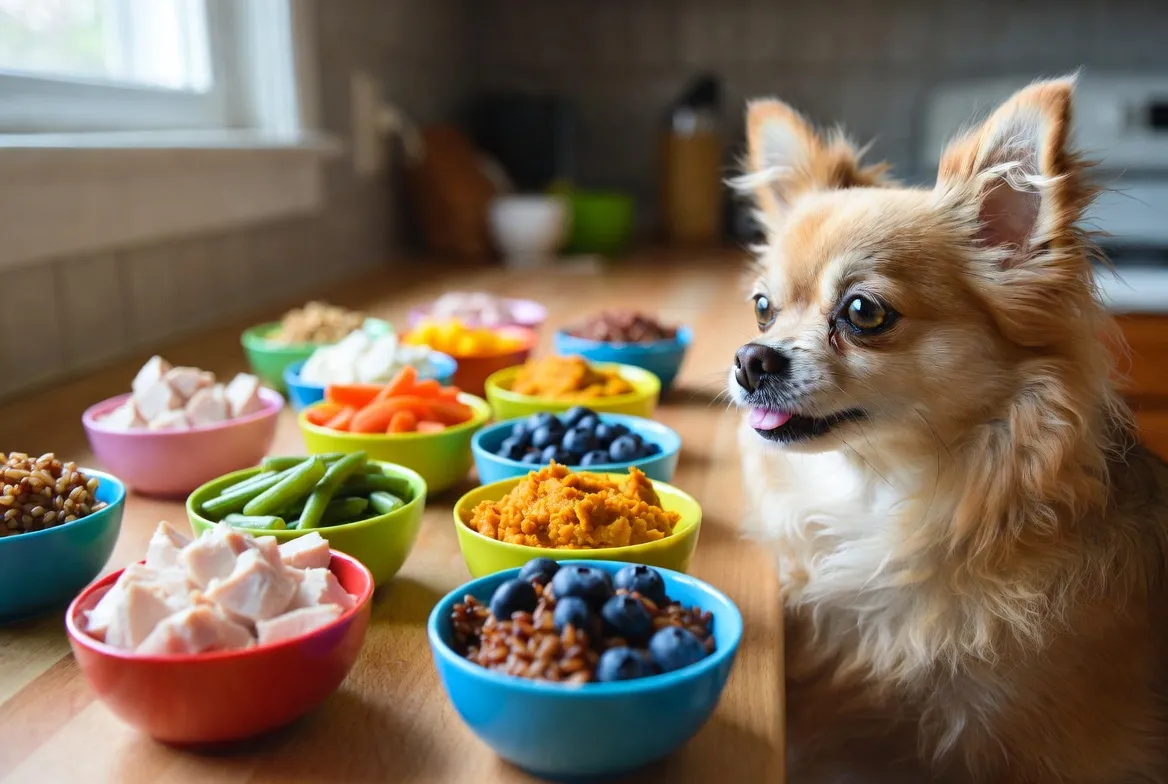
6 Best Homemade Dog Food Recipes for Small Breeds
You look into those soulful eyes and know your tiny friend deserves the best. Giving them high-quality food is the greatest way to show love every day.
When you make wholesome meals at home, you control every ingredient. This means your pet gets the energy they need to live a long, happy life.

Smaller pets have special needs that are different from bigger animals. With these best homemade dog food recipes for small breeds, you can help keep them healthy and full of energy.
We’ve made this guide to help you understand canine nutrition easily. Let’s start this journey together. We’ll make tasty, nutritious meals that your furry friend will love.
Understanding Nutritional Needs of Small Breeds
Small breeds burn energy fast. They need more calories per pound than big dogs. Learning about small breed dog nutrition is key to keeping them healthy and full of life.
Small dogs need a special mix of nutrients. When cooking for them, use top-quality ingredients. A good diet helps avoid problems like low blood sugar and joint issues.
Keeping your dog healthy means the right mix of nutrients in their food. Here are the must-haves:
- High-quality proteins for muscles and repair.
- Healthy fats for energy.
- Complex carbohydrates for all-day energy.
- Essential vitamins and minerals for immune and bone health.
Finding the right mix of nutrients is crucial for your dog’s health. By focusing on these, you can make great small breed dog food recipes. Remember, consistency is key to keep your dog’s weight stable.
By meeting their specific needs, you can keep your dog healthy. The right food keeps them playful and strong. With some planning, you can feed your small breed dog at home like a pro.
Essential Ingredients for Healthy Homemade Meals
Making homemade dog food is a great way to give your pet the best nutrition. It lets you control what they eat. This way, your small breed gets the fuel they need every day.
Choosing the right ingredients is key to a good diet. Fresh, whole foods are better than the fillers and additives in commercial kibble.

To make a balanced meal, focus on three main things. Adding these to your homemade dog food recipes keeps your dog’s energy up and healthy:
- High-Quality Proteins: Lean meats like turkey, chicken, beef, and fish are good for muscles.
- Complex Carbohydrates: Foods like quinoa, brown rice, and sweet potatoes give energy and fiber.
- Essential Vitamins and Minerals: Fresh veggies like spinach and carrots help keep your dog’s immune system strong.
Always use fresh, human-grade ingredients. This change in homemade dog food can greatly improve your pet’s health. Your furry friend deserves the best care you can give.
The 6 Best Homemade Dog Food Recipes for Small Breeds
Feeding your small breed dog homemade meals is a fantastic way to keep them healthy. These 6 recipes are easy on their tiny stomachs and full of energy. They’re simple to make and give your pet all the nutrients they need.

Lean Turkey and Quinoa Power Bowl
This recipe is great for dogs needing lean protein. Quinoa is a gluten-free carb that gives lasting energy.
- Cook 1/2 cup of quinoa as the package directs.
- Brown 1/2 pound of ground turkey in a skillet without oil.
- Mix in 1/4 cup of finely chopped carrots and peas.
- Combine all ingredients and let cool before serving.
Beef and Sweet Potato Delight
Dogs love the natural sweetness of potatoes. These recipes are easy to adjust to your dog’s taste.
- Boil one medium sweet potato until soft, then mash it.
- Cook 1/2 pound of lean ground beef until fully browned.
- Stir in 2 tablespoons of chopped green beans.
- Mix well and serve in small, manageable portions.
Chicken and Brown Rice Comfort Stew
This meal is perfect for dogs with sensitive stomachs. Chicken breast is a high-quality protein that’s easy to digest.
- Poach 1/2 pound of chicken breast and shred it into small pieces.
- Cook 1/2 cup of brown rice until tender.
- Add 1/4 cup of steamed zucchini slices.
- Stir everything together with a splash of low-sodium chicken broth.
Salmon and Spinach Nutrient Boost
Omega-3 fatty acids are key for a shiny coat. These recipes ensure your pet gets healthy fats in every bite.
- Bake 1/2 pound of salmon fillet until flaky.
- Remove all bones carefully.
- Steam 1/4 cup of fresh spinach until wilted.
- Mix the fish and spinach with a small amount of cooked quinoa.
Lamb and Vegetable Medley
Lamb is a great alternative protein for dogs with common food sensitivities. These meals offer a delicious variety for your pet.
- Brown 1/2 pound of ground lamb in a pan.
- Add 1/4 cup of diced butternut squash.
- Cook until the squash is tender.
- Serve at room temperature to preserve the nutrients.
Egg and Cottage Cheese Protein Feast
Eggs are a complete protein source that most dogs find irresistible. These recipes are quick to make on busy mornings.
- Scramble two large eggs in a non-stick pan.
- Fold in 1/4 cup of low-fat cottage cheese.
- Add a tablespoon of finely chopped parsley for freshness.
- Serve immediately once the mixture has cooled down.
Safe Preparation and Storage Practices
When you make homemade dog food for your small breed, safety comes first. Keep your kitchen clean to avoid bacteria. Wash your hands, tools, and surfaces well before and after handling raw ingredients.
Cook proteins like chicken or beef until they’re hot inside. Use a meat thermometer to check. Never give raw or undercooked meat to your dog.

After cooking, cool the homemade dog food fast. Don’t leave it out for more than two hours. Quick cooling stops bacteria from growing.
Right storage keeps your dog’s food fresh and healthy. Here’s how to keep it good:
- Use airtight containers to keep moisture and flavor in.
- Keep the fridge at 40°F or below for freshness.
- Freeze extra food in single portions for easy use later.
- Mark containers with the date to use the oldest first.
Following these steps keeps your dog’s food safe and full of nutrients. It shows you care about their health and happiness. Consistency is key for a healthy home-cooked diet.
Portion Control and Caloric Management
Understanding your small dog’s caloric needs is key to managing their weight. Small breeds are at risk for obesity. This can cause serious joint and heart complications later on. Watching how much they eat helps keep them healthy and full of energy.
When making diy dog food recipes, it’s crucial to know the exact calories needed. Age, weight, and activity level all matter. Use a caloric chart or ask your vet to find the right amount for your dog.
Feeding your dog the same amount every day is important. Use a digital kitchen scale for accurate portions. This precision ensures your dog gets the right nutrients without gaining too much weight.
Don’t forget about homemade dog treats you give them. Treats should not make up more than ten percent of their daily calories. If you give extra treats, make their next meal smaller to keep their calorie intake balanced.
Watching your dog’s body condition is as important as measuring their food. If they start to gain weight, cut their portions by a little bit. Making these small changes helps your dog stay healthy and active for a long time.
Foods to Avoid When Cooking for Your Dog
Protecting your dog means knowing what human foods are bad for them. You want to give them the best nutritious dog food recipes. But some foods can be very harmful. Your dog’s health is your top priority, so it’s key to know what to avoid.
Many foods in your kitchen are toxic to dogs, even a little bit. Make sure to avoid these when cooking:
- Onions and Garlic: They can harm your dog’s red blood cells and cause anemia.
- Grapes and Raisins: They can suddenly cause kidney failure in dogs.
- Xylitol: This sweetener in peanut butter or gum lowers blood sugar too much.
- Chocolate and Caffeine: They are toxic to a dog’s nervous system.

When making homemade dog treats, check your ingredients carefully. It’s safer to be too careful than to risk your pet’s health. Make sure all ingredients in your nutritious dog food recipes are safe for dogs.
By being informed, your homemade dog treats can be a safe and healthy snack. Vigilance in the kitchen helps keep your dog happy and healthy for a long time.
Transitioning Your Dog to Homemade Food
Starting your dog on healthy dog food recipes is a rewarding journey. It begins with a simple, patient plan. Moving too fast can upset their stomach. This can cause vomiting or diarrhea, which you don’t want.
For a smooth transition, take seven to ten days. Begin by mixing a small amount of new food with their old food. Each day, add more new food and less old food. This way, your dog will soon eat only the homemade food.

Watch your dog’s stool and energy closely during this time. These signs show how well they’re adjusting to the new food. If problems persist, slow down the transition. Give their stomach more time to get used to the healthy dog food recipes.
Being consistent is crucial when changing your dog’s diet. A proper transition helps them feel their best. Your patience will reward you with a happy, healthy, and well-fed pet.
Consulting Your Veterinarian Before Changing Diets
Your vet is key to your pet’s health. Before changing your dog’s food, talk to a vet who knows your pet’s history.
A vet can give personalized advice on what food is best for your dog. They can spot allergies or health issues that need special diets.
Working together, you can make sure your dog’s meals are just right. With a vet’s help, you know you’re giving your dog the best care.
Before starting a new diet, remember these steps:
- Get a full check-up to know your dog’s health.
- Talk about your recipes to make sure they’re right for your dog.
- Find out if your dog needs special supplements.
- Keep an eye on your dog’s weight and energy.
Getting expert advice helps avoid nutritional problems. Good nutrition for small breeds is a team effort with your vet.
Conclusion
Starting your pet’s health journey begins in your kitchen. Making dog-friendly meals lets you control what they eat.
Choosing fresh proteins and veggies gives you peace of mind. It also strengthens your bond with your dog.
Being consistent is key to success. Keep track of your dog’s favorite recipes to make mealtime easier.
Brands like Wellness or Blue Buffalo are great for ideas. But homemade meals offer the freshest ingredients. Your dog’s energy and coat will show it.
Begin by replacing one meal a day with homemade food. See how your pet benefits from your care.
Your quest for better health is rewarding. Enjoy feeding your best friend with love and quality food every day.


