
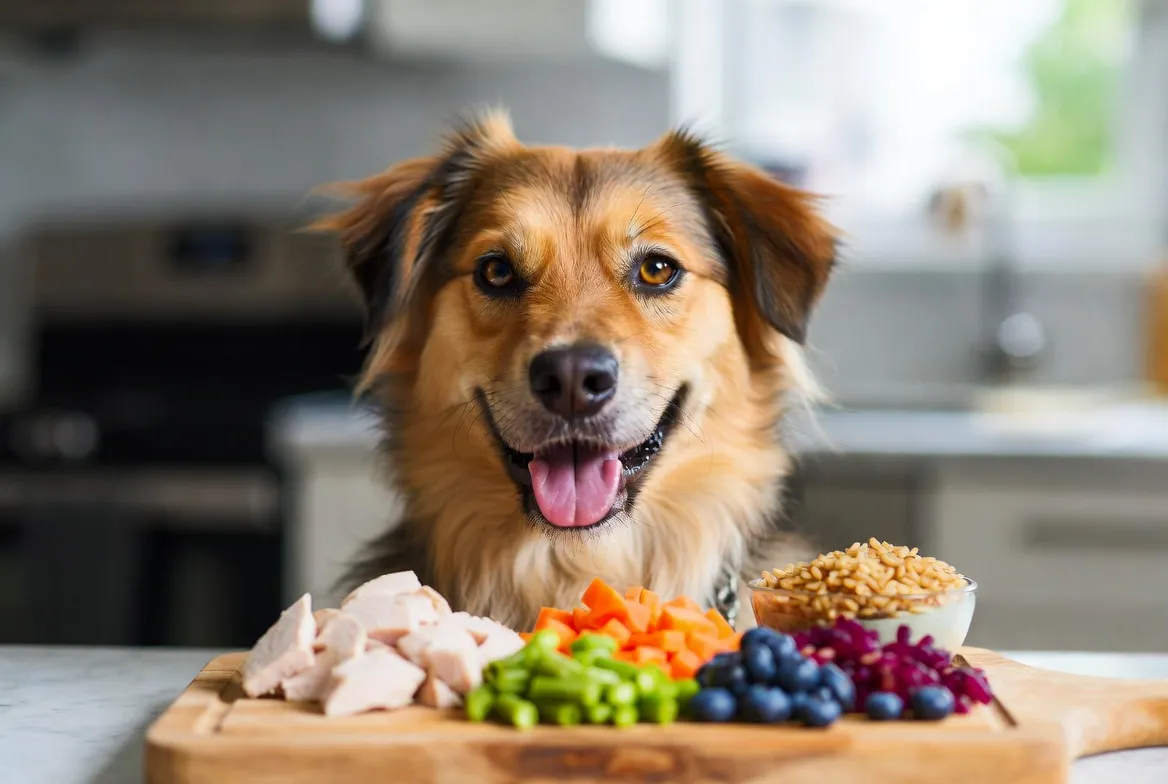
6 Copycat The Farmer’s Dog Food Recipes for Less
Last month, I watched my golden retriever, Cooper, turn his nose up at his usual dry kibble. He seemed bored and sluggish. So, I decided to look into fresh meal options. I quickly realized that premium subscription services were going to break my monthly budget.
That is when I started to replicate The Farmer’s Dog recipes in my own kitchen. It turned out to be a game-changer for both my wallet and Cooper’s health.

You can provide high-quality nutrition without paying premium subscription prices. By preparing meals at home, you gain full control over the quality and freshness of every single bite. This approach allows you to cater to your pet’s specific health needs while managing your finances effectively.
In this guide, we will explore 6 Copycat The Farmer’s Dog Food Recipes for Less. You will discover that cooking for your canine companion is a rewarding and practical way to ensure they thrive every day.
Why Homemade Dog Food is a Game Changer for Your Pet
When you control what goes into your dog’s food, their energy can really soar. Making homemade dog food recipes means no more mystery ingredients. You give them wholesome, recognizable nutrition that boosts their health.
Cooking for your dog means every meal is full of good stuff. Owners often see a big jump in their dog’s energy and happiness. Your dog might even have a shinier coat and better digestion, showing they’re doing great.
Using homemade dog food recipes also keeps your dog healthy in the long run. You avoid preservatives that can cause problems later. It’s like investing in your pet’s health by choosing fresh, whole foods.
Controlling your dog’s diet brings you closer together. Learning to make homemade dog food recipes gives you peace of mind. It’s a big step towards keeping your pet happy and healthy.
Understanding the Nutritional Needs of Your Canine Companion
Making homemade dog food recipes needs more than love. It needs to know about dog biology. Dogs need proteins, healthy fats, and vitamins for their life stages. Knowing the right dog food ingredients helps keep them healthy long-term.
Remember, dogs are different from us. Proper knowledge of their diet stops common problems. It makes sure they get the right food for their daily needs. High-quality ingredients make healthy dog food recipes safe for daily eating.

Start by talking to your vet before cooking. They check if your meals meet AAFCO standards. This is crucial for your dog’s safety. It makes sure your homemade meals are complete and balanced.
Think about these key nutrients when planning meals:
- High-quality proteins for muscle health.
- Healthy fats for skin, coat, and brain health.
- Essential vitamins and minerals for a strong immune system.
- Complex carbohydrates for energy all day.
Customizing meals for your dog’s size, age, and energy needs is more than food. It’s giving them the essential building blocks for happiness and health. Watch their weight and energy as you start these new, nutrient-rich meals.
Essential Kitchen Tools for Preparing Fresh Dog Food
Making your own diy dog food is easy with just a few tools. You don’t need fancy kitchen stuff to do it. With the right tools, you can make healthy meals for your dog at home.
For quick and clean meal prep, get a few key items. These tools will save you time and make sure your dog eats well every day.

- High-quality food processor: Great for chopping veggies and mixing ingredients smoothly.
- Large stockpot: Needed for cooking big batches of food safely and evenly.
- Reliable storage containers: Use airtight glass or BPA-free plastic to keep food fresh and safe.
- Digital kitchen scale: This is the most important tool for accuracy.
A digital kitchen scale is crucial for your diy dog food routine. It helps you measure ingredients exactly for your dog’s needs. Consistency is key for your dog’s health.
Organizing these tools makes meal prep easy and fast. Taking these steps ensures your homemade diy dog food is healthy and simple to manage.
6 Copycat The Farmer’s Dog Food Recipes for Less
You can replicate The Farmer’s Dog recipes at home with these six easy meal plans. These recipes help keep your pet’s food costs down. They also make sure your pet gets the best nutrition. Using fresh ingredients means your pet gets better quality than kibble.

Beef and Sweet Potato Power Bowl
This meal has lean ground beef and sweet potatoes. It’s a fantastic choice for active dogs. It gives them energy all day.
Chicken and Seasonal Vegetable Medley
Make this meal with fresh chicken, carrots, and peas. It’s a healthy dog food recipe. It’s light and easy for dogs to digest.
Turkey and Quinoa Nutrient-Dense Feast
Turkey is a lean protein that goes well with quinoa. This mix gives your dog amino acids and minerals. It helps keep them healthy and full of energy.
Pork and Green Bean Savory Delight
Pork is tasty, and dogs love it. Adding green beans makes the meal crunchy. It also adds vitamins to their diet.
Lamb and Chickpea Wholesome Recipe
Lamb is savory, and dogs like it. Chickpeas add energy and keep them full. It’s a great choice for dogs with certain protein needs.
Fish and Spinach Omega-Rich Blend
End the week with this omega-rich meal. It has white fish and spinach. It keeps your dog’s coat shiny and skin healthy. It shows you can make The Farmer’s Dog recipes without spending a lot.
Sourcing High-Quality Ingredients on a Budget
You can find great ingredients without spending too much on your pet’s food. Making affordable dog food recipes at home lets you pick what your dog eats. It also saves you money.
Being a smart shopper is key. This way, your pet gets top-notch food without costing a lot.

Looking for dog food ingredients can be done in smart ways to save:
- Buy proteins in bulk: Get big packs of chicken, turkey, or beef when they’re on sale. Then, freeze them in bags for later.
- Shop for seasonal produce: Fruits and veggies are cheaper when they’re in season at your local store.
- Visit farmers’ markets: Local vendors often sell “ugly” produce at a lower price. It’s still good for your dog.
- Compare unit prices: Always look at the price per ounce, not just the total price. This helps you find the best deals.
These economical dog food options ensure your dog gets fresh, healthy food. You can keep quality high without breaking the bank.
Plan your meals based on what’s on sale. This makes shopping fun. Your dog will eat well, and you’ll feel good about saving money.
Safe Food Handling and Storage Best Practices
Preparing fresh meals for your dog is more than just using good ingredients. It also needs strict kitchen safety. Keeping everything clean is the best way to stop bacteria and keep your pet healthy.
Always wash your hands well and clean all surfaces before and after touching raw proteins. This simple step stops bacteria from spreading. It’s essential when you’re working with fresh meat at home.

Properly portioning your meals helps you manage your food without using fake preservatives. Freezing your batches keeps food fresh for weeks. It also keeps important nutrients locked in.
Here are some best practices to keep your homemade meals safe and tasty:
- Cooling: Let cooked food cool down to room temperature before putting it in the fridge or freezer. This stops moisture from building up.
- Portioning: Use airtight containers or freezer-safe bags to split meals into daily portions.
- Labeling: Always write the date on your containers. This helps you use older food first.
- Thawing: Put frozen portions in the fridge the night before. This ensures they thaw safely and slowly.
By using these careful storage methods, you give your dog the best nutrition. Keeping a consistent kitchen routine makes it safer and easier for you and your pet.
Transitioning Your Dog to a Homemade Diet
Changing your dog from dry kibble to homemade meals needs careful planning. You’re excited to give them fresh food, but their stomach needs time to adjust. A gradual transition is the most effective way to prevent stomach upset and ensure a positive experience for your furry friend.
We suggest a transition period of seven to ten days. Start by mixing a small part of your homemade recipe with their kibble. Slowly add more fresh food and less dry food over the week.
Watch your dog’s health closely during this time. Monitoring their stool quality and overall energy levels will tell you how they’re doing. If they show signs of discomfort, slow down the transition and keep things as they are for a few more days.
Being patient is key during this change. Letting their system adjust means a healthier, more natural way of eating for your dog. Your dedication to this process ensures they get all the benefits of fresh, nutrient-dense meals without stress.
Common Mistakes to Avoid When Cooking for Dogs
If you’re new to diy dog food, you might make a big mistake. It’s easy to forget important parts of their diet. Learning the basics helps keep your pet healthy.
One big mistake is not balancing calcium and phosphorus. This can hurt your dog’s bones. Also, many forget to add supplements, which are key for a complete diet.
Choosing the right ingredients for diy dog food is crucial. Some foods are very bad for dogs. Keep these out of your kitchen:
- Onions and garlic
- Grapes and raisins
- Certain artificial sweeteners like xylitol
- Macadamia nuts
To keep meals safe, always check your ingredients with a vet. It’s highly recommended to talk to a dog nutritionist. This way, you can make healthy meals your dog will enjoy.
Success with diy dog food comes from paying attention to details. By avoiding these mistakes, you give your dog the best care. Your love and care are the most important ingredients in their meals.
Balancing Cost and Quality in Your Dog’s Bowl
Smart pet parents know the secret to a healthy dog. It’s all about mixing quality ingredients with cost-effective dog food habits. You don’t have to spend a lot to keep your pet healthy.
By making small changes in your shopping, you can give your dog the best nutrition every day. Focus on nutrient-dense foods like organ meats. These are cheaper than premium cuts but full of vitamins.
Adding seasonal veggies to your dog’s meals is also smart. It gives them important minerals without breaking the bank.
Tracking your dog food costs can really help your budget. It shows how much you save by not buying expensive pre-packaged food. This simple step keeps you on track with your spending.
Keeping your dog healthy doesn’t have to be expensive. With a little planning, you can find cost-effective dog food that’s still great for them. Your dedication to their diet will make them happier and healthier for years.
Conclusion
Feeding your pet fresh meals strengthens your bond. You can now make meals as good as The Farmer’s Dog without spending a lot.
Making your own dog food is very affordable. You control every ingredient. This means your dog eats real, healthy food every day.
Looking for cheaper dog food options doesn’t mean you have to sacrifice quality. Using fresh proteins and veggies boosts your dog’s energy and coat health.
Begin making better meals for your pet this weekend. Your dog will love the extra care. You’ll feel good knowing what they eat.


