
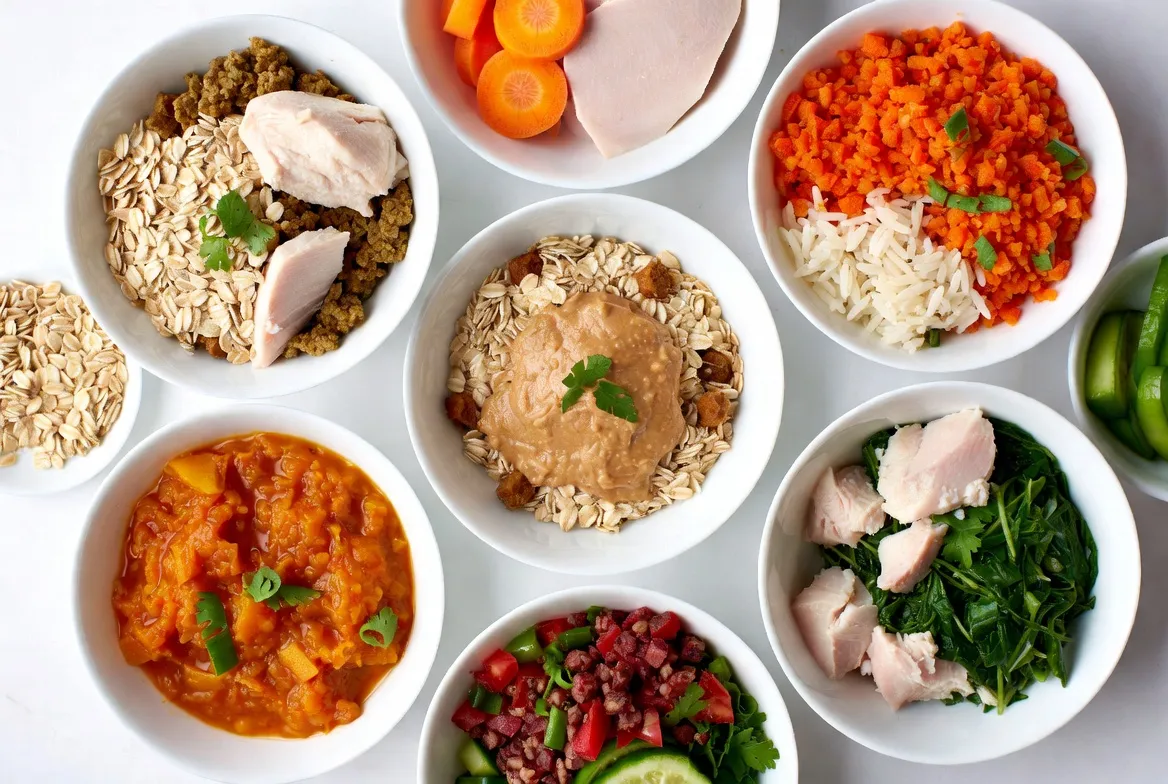
Discover Cheap Healthy Homemade Dog Food Ideas Today
Every pet owner knows that familiar, eager wag of a tail when it is time to eat. Our furry companions are more than just pets; they are cherished family members who deserve the very best nutrition to thrive.
Lately, many owners are turning toward preparing meals in their own kitchens. This growing trend allows you to control exactly what goes into your dog bowl, ensuring your best friend receives optimal nourishment every single day.

Exploring Cheap Healthy Homemade Dog Food Ideas is a rewarding journey that does more than just save money. It strengthens the unique bond you share with your canine partner while boosting their overall vitality.
Transitioning to a fresh diet is simpler than you might think. Whether you are a novice or a seasoned cook, this guide provides a clear roadmap to help you start your journey into better canine culinary care. Let us transform your dog nutrition routine into a joyful, budget-friendly experience starting right now.
Understanding the Nutritional Needs of Your Dog
Feeding your pet homemade meals is more than just love. It requires a good understanding of dog biology. When you look at Cheap Healthy Homemade Dog Food Ideas, remember your dog’s special needs. A balanced diet keeps your dog healthy and gives them the energy they need every day.
Essential Macronutrients for Canine Health
Every meal must have the right mix of macronutrients for health. Dogs need these to grow muscles, work organs, and stay active. Focus on proteins, fats, and carbs when making your recipes.
- Proteins: These are the building blocks of life, essential for tissue repair and immune support.
- Fats: Healthy fats provide concentrated energy and help maintain a shiny, soft coat.
- Carbohydrates: These offer a steady source of fuel for your dog’s active lifestyle.
Finding Cheap Healthy Homemade Dog Food Ideas doesn’t mean you have to cut corners. Choose high-value ingredients for a complete diet that meets all standards for canine wellness.
Identifying Safe and Toxic Human Foods
While many kitchen staples are safe, others can be deadly. It is crucial to know which foods to avoid. Never include these common items in your recipes:
- Onions and Garlic: These can damage a dog’s red blood cells.
- Grapes and Raisins: Even small amounts may lead to sudden kidney failure.
- Chocolate: This contains substances that are toxic to a dog’s heart and nervous system.
- Xylitol: Often found in sugar-free products, this sweetener is extremely dangerous.
Always check your ingredients before cooking. Making Cheap Healthy Homemade Dog Food Ideas safely is the best way to keep your dog happy and healthy for years to come.
Budgeting for Homemade Pet Meals
Managing your money to feed your pet well is a great challenge. By planning your kitchen expenses, you can save a lot. This way, you keep your pet healthy without spending too much.
Calculating Cost Per Serving
To keep your kitchen routine affordable, know the cost of each meal. Track the price of all ingredients, like proteins and grains. Then, divide the total cost by the number of meals to find the true cost per meal.
When you compare this to store-bought kibble, you’ll see big savings. Keeping records helps you try new cost-effective pet food recipes that fit your budget. Being consistent is key to success.
Smart Shopping Strategies for Pet Parents
Smart shopping helps keep your grocery bill down while keeping food quality high. Buying in bulk is a great way to save on items like chicken and brown rice. Also, using local resources can help stretch your budget.
Here are some tips for better shopping:
- Join loyalty programs at your local stores to earn points and get special coupons.
- Check weekly circulars for sales on seasonal produce for your dog.
- Look for “manager’s specials” on meats that are near their sell-by date, but freeze them right away.
- Buy shelf-stable items like oats or canned pumpkin in big quantities to save money.
By following these tips, you make sure your cost-effective pet food recipes are both healthy and affordable. Plan meals around sales to keep your budget-friendly dog recipes interesting and varied for your pet.
Sourcing Affordable Protein Sources
Finding good protein sources is key to keeping your dog’s food affordable. Protein is the priciest part of dog food. So, it’s important to find quality ingredients that cost less. This way, you can make nutritious and affordable pet food recipes that won’t empty your wallet.
Utilizing Bulk Chicken and Turkey
Buying meat in bulk can save you a lot of money. Look for sales on big packs of chicken or turkey at the grocery store. Freezing these portions immediately keeps them fresh for later.
Also, check out local butcher shops or wholesale clubs for better deals. Buying in bulk makes it easy to portion out meals for your dog. This is a great way to keep costs down all year.
Incorporating Eggs and Organ Meats
Eggs and organ meats are great for your dog’s health and your wallet. Eggs are a complete protein source with amino acids and fats for a shiny coat. They’re simple to cook and add variety to your dog’s meals.
Organ meats like liver and kidneys are also good but often ignored. They’re packed with nutrients and are cheaper than regular meat. Adding them to your affordable pet food recipes boosts vitamins and minerals while saving money.
Selecting Cost-Effective Carbohydrates and Vegetables
Creating a balanced bowl for your pet doesn’t have to cost a lot. Carbohydrates and vegetables add fiber and vitamins. They keep your dog healthy and happy. Choosing these affordable pet food recipes helps you save money.

Benefits of Brown Rice and Oats
Brown rice and oats are great for your dog’s diet. They are incredibly budget-friendly and give your dog energy. Brown rice is easy to digest and is a good base for meals.
Oats add fiber and are good for your dog’s heart. Buying them in bulk saves money. They are key for cost-effective pet food recipes at home.
Seasonal Vegetables That Save Money
Fresh produce is important for your dog’s health, but prices change. Buy vegetables in season to save money. Summer has green beans and zucchini, while winter has carrots and sweet potatoes.
These veggies are full of antioxidants and minerals. They boost your dog’s immune system. By planning your shopping, your dog gets fresh, healthy food all year.
Step-by-Step Guide to Preparing Batch Meals
Batch cooking doesn’t have to be a daily task. Spend a few hours each week in the kitchen. This way, you can manage your resources well and make sure your pet eats healthy meals. It’s a great way to save money on low-cost dog food options and keep your schedule easy.
Equipment Needed for Efficient Cooking
Start by getting some key kitchen tools. A large stockpot is essential for cooking proteins and veggies together. A digital food scale is also crucial for precise measurements.
Good storage containers are important too. They help keep things organized. Consistency is key when cooking meals ahead. The right tools make your cooking sessions efficient and clean every time.
Proper Portioning and Storage Techniques
After cooking, cool the food fast for safety. Divide it into single servings before freezing. This makes it easy to grab what you need for each meal, keeping your low-cost dog food options fresh.
It’s smart to label your containers with the cooking date. Most homemade meals stay good in the fridge for three days or in the freezer for weeks. Learning these simple steps saves you hours each week and gives your dog the best nutrition.
Easy DIY Dog Meals for Daily Nutrition
Want to control your dog’s diet? Start with these simple recipes. Making easy diy dog meals at home lets you know what your pet eats. It’s also cheaper. You don’t need to be a chef to feed your dog well every day.
Simple Chicken and Rice Recipe
This mix is a favorite for many. It’s easy on the stomach and tastes great. It’s also a budget-friendly dog recipe for dogs with sensitive stomachs or on bland diets.
- Boil two cups of boneless, skinless chicken breast until fully cooked.
- Shred the chicken into small, bite-sized pieces.
- Mix the chicken with two cups of cooked white or brown rice.
- Add a splash of low-sodium chicken broth for extra flavor.
- Allow the mixture to cool completely before serving to your dog.
Ground Beef and Vegetable Medley
This beef dish adds variety to your dog’s meals. It’s full of vitamins and minerals. It’s a hit with health-conscious pet owners who prefer easy diy dog meals.
- Brown one pound of lean ground beef in a large skillet.
- Drain any excess fat from the pan to keep the meal light.
- Stir in one cup of finely chopped carrots and green beans.
- Add a half-cup of cooked peas to the mixture.
- Combine everything thoroughly and serve in appropriate portions for your dog’s size.
These budget-friendly dog recipes are great for busy people. By cooking in batches, you can give your dog fresh, healthy food all week. It’s easy and saves time.
Nutritious Homemade Pet Meals Using Leftovers
Turning leftovers into nutritious homemade pet meals is good for the planet and your wallet. It lets you share food wisely and give your dog a healthy, varied diet.
Safe Ways to Repurpose Kitchen Scraps
Many kitchen items can be the base for your dog’s meal. You can use plain, cooked meats like chicken or turkey. Make sure they were cooked without harmful seasonings, oils, or butter.
Cooked veggies like carrots, green beans, and zucchini are great too. But avoid onions, garlic, grapes, raisins, and xylitol. These can harm your pet.
Balancing Leftovers with Fresh Supplements
While scraps add variety, they shouldn’t be the only thing your dog eats. You need to add fresh, nutrient-rich foods to make sure your dog gets all the vitamins and minerals they need.
Think about adding healthy fats like fish oil or fresh fiber like pumpkin puree. Consistency is key to keep your pet healthy over time.
Inexpensive Dog Meal Ideas for Sensitive Stomachs
Managing food sensitivities at home can save money and keep your pet healthy. Many think special diets are expensive. But, easy diy dog meals can work just as well. Using simple, whole foods can ease your dog’s stomach issues without costing a lot.

Gentle Ingredients for Digestive Health
When your dog has tummy troubles, aim for easy-to-digest, low-fat foods. Using a few ingredients helps find what works best for your pet. These items are often cheaper than special diets:
- Boiled white fish: A lean, easy-to-digest protein.
- Plain canned pumpkin: Great for digestion and soothing stomachs.
- Well-cooked white rice: A bland, energy-rich food that’s gentle on the gut.
- Steamed sweet potatoes: A fiber-rich veggie that most dogs can handle.
Managing Food Allergies on a Budget
Food allergies can cause itchy skin or ear infections. You don’t need expensive proteins to manage these. Look for inexpensive dog meal ideas with affordable, new protein sources to avoid common allergens like chicken or beef.
Here are ways to save money on allergy management:
- Rotate proteins: Use sales to find cheap alternatives like pork or turkey.
- Buy in bulk: Get big bags of hypoallergenic grains like oats or quinoa when they’re on sale.
- Monitor reactions: Keep a log to track which foods cause problems, saving money on bad foods.
By sticking to these simple, homemade meals, you can help your dog feel better. Prioritizing quality ingredients over expensive labels keeps your pet healthy and happy. It also helps you stay within your budget.
Homemade Dog Treats on a Budget
Making homemade dog treats on a budget is a great way to show your pet love. It also helps you save money. Store-bought treats are often expensive and have bad stuff in them. Making your own treats means your dog gets wholesome, nutritious rewards every day.
Baking Healthy Biscuits at Home
Making your own biscuits is easy and only needs a few things. You can make a batch with whole wheat flour, natural peanut butter, and canned pumpkin. These are cheap and good for your dog.
Start by having these things in your kitchen:
- Whole wheat or oat flour for a hearty base.
- Natural, xylitol-free peanut butter for flavor.
- Pureed pumpkin to support digestive health.
- Fresh eggs to act as a natural binder.
Dehydrating Fruits and Vegetables for Snacks
If you want a crunchy snack, try dehydrating fruits and veggies. Dogs love dried sweet potatoes, apple slices, or green beans. This keeps the good stuff in and makes a guilt-free snack that lasts.
Here’s how to dehydrate:
- Slice fruits and vegetables thinly for even drying.
- Use a low temperature setting to retain maximum nutrients.
- Ensure all moisture is removed to prevent spoilage.
- Store your finished snacks in airtight glass jars.
Learning these tricks lets you give your dog great snacks without spending a lot. Your dog will enjoy the variety, and you’ll save money.
Essential Supplements to Ensure Complete Nutrition
Making nutritious homemade pet meals needs careful planning. Fresh proteins and veggies are a good start. But, they might not meet all your dog’s needs. Keeping your pet healthy often means adding special supplements.

When to Add Calcium and Vitamins
Calcium is very important when cooking for your dog. The right amount of calcium and phosphorus is key for strong bones. Adding a high-quality calcium supplement or bone meal is often needed.
Your dog might also need vitamins like B-complex or Omega-3 fatty acids. These help with skin, coat, and immune health. Always check what your dog’s breed and age need for nutritious homemade pet meals.
Consulting Your Veterinarian Before Changing Diets
Talk to your vet before changing your dog’s diet. They can check if your recipes are right for your dog’s needs. Your vet is a key partner in keeping your dog healthy.
Getting advice from a vet helps avoid diet problems. Together, you can make sure your dog gets the right food. Don’t be afraid to ask for a vet nutritionist for a custom diet plan.
Common Mistakes to Avoid When Cooking for Dogs
Even the most caring pet owners can make mistakes when cooking for their dogs. Your good intentions can sometimes lead to health problems. Knowing what to avoid helps make sure your inexpensive dog meal ideas are nutritious for your pet.
Avoiding Nutritional Deficiencies
One mistake is using only one protein or veggie. Variety is the key to health. Different foods give your dog the vitamins and minerals they need.
Feeding the same meal every day can harm your pet. Here are some tips for a balanced diet:
- Change your protein source every week for a full amino acid profile.
- Add colorful veggies for antioxidants.
- Make sure to include calcium and essential fatty acids if your recipe doesn’t.
- Check with a vet to make sure your meals meet AAFCO standards.
Preventing Overfeeding and Weight Gain
It’s easy to give too much food when you’re excited about cooking. Many think healthy food means no limits. But, too many calories can cause weight gain and joint problems.
Always measure your ingredients. Watch your dog’s body condition and adjust their food based on their activity and age. Treating portion control as important is key to using inexpensive dog meal ideas well.
Conclusion
Switching to homemade dog food strengthens your bond with your pet. You control every ingredient in their meals. This leads to better health and happiness for your dog.
Homemade meals can be affordable, unlike expensive commercial brands. With smart shopping and planning, you can make tasty, fresh food for your dog. They will love the new flavors.
Keeping your cooking consistent is key. Always do your research and talk to your vet about your recipes. This ensures your dog gets the nutrients they need.
Start small in the kitchen this week. Share your best recipes with other dog owners. Your commitment to healthy food will greatly improve your dog’s life.


