
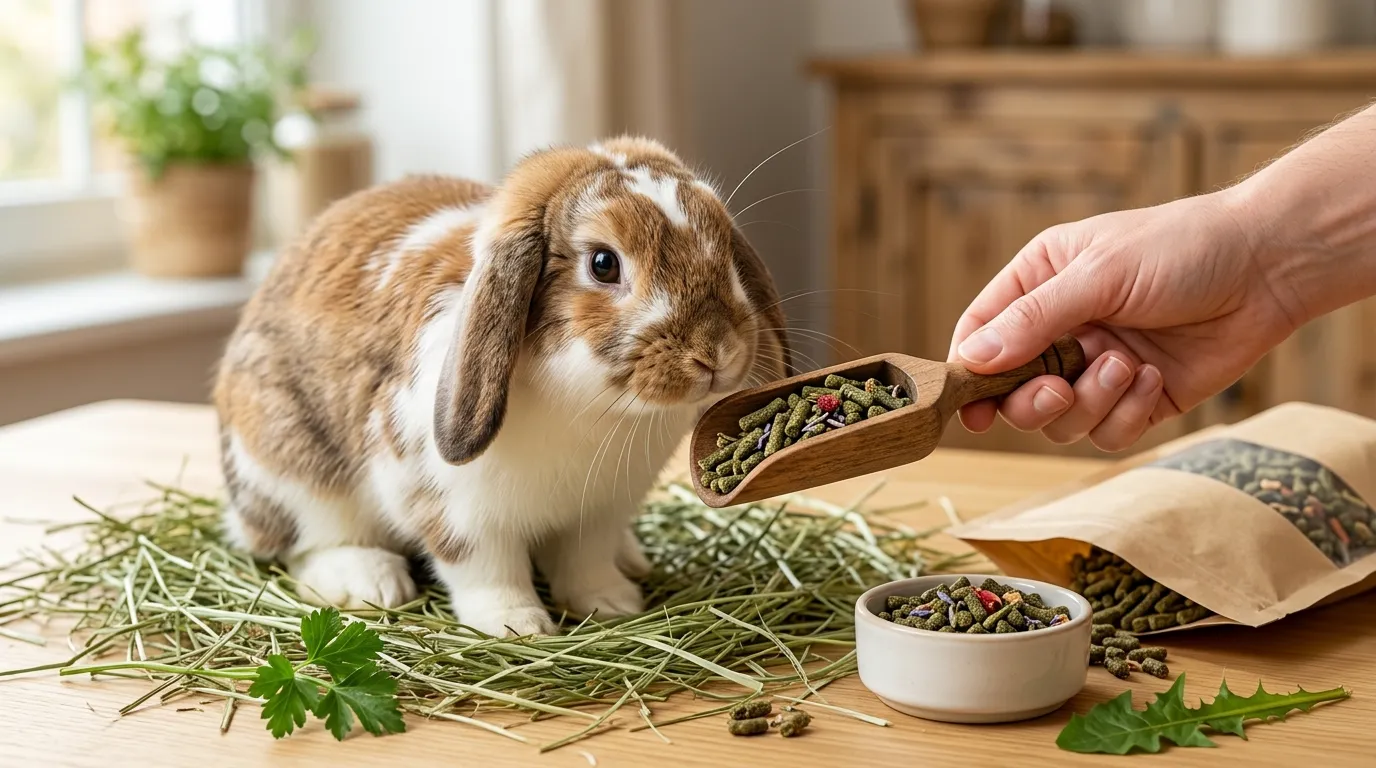
How to Choose Rabbit Pellets: Tips for Happy Healthy Rabbits
Watching your rabbit binky across the room is joyful. These gentle creatures depend on us for their well-being. Providing the right nourishment shows our love and ensures they live long, vibrant lives with us.
Many owners feel overwhelmed by the endless options in stores. Knowing how to choose rabbit pellets is key to responsible care. Making smart choices helps avoid health issues caused by bad diets.

This guide helps you on your journey to better pet nutrition. By following these rabbit diet pellet tips, you can support your rabbit’s health. Whether you’re new or experienced, these tips will help create a great home for your rabbit.
Understanding the Nutritional Needs of Your Rabbit
Your rabbit needs a diet that matches their natural eating habits. It’s tempting to give them many snacks, but their digestive system needs specific foods. A good rabbit pellet nutrition guide keeps them active and healthy for a long time.
High-quality grass hay is key to a healthy diet. Pellets are meant to supplement, not replace meals. They add vitamins and minerals that hay might not have.
The Role of Pellets in a Balanced Diet
The best rabbit food pellets are packed with nutrients for your bunny’s health. They support the immune system and coat. These pellets are like a nutritional insurance policy for your pet.
- Provide essential vitamins like A, D, and E.
- Supply necessary minerals for bone density.
- Support healthy gut flora through balanced fiber.
- Offer a convenient way to monitor daily intake.
Distinguishing Between Staple Pellets and Treats
It’s important to know the difference between staple pellets and treats. Staple pellets are made for daily use and are low in sugar. Treats, on the other hand, can be high in fillers and sweeteners.
When looking for the best rabbit food pellets, check the label. Make sure they are for daily use. Avoid sugary snacks like dried fruits or yogurt drops. Following this rabbit pellet nutrition guide keeps your rabbit safe from an unbalanced diet.
How to Choose Rabbit Pellets Based on Ingredients
Learning how to choose rabbit pellets starts with looking at the ingredient list. Many brands use cheap fillers instead of good nutrition. This can harm your rabbit’s health.
Why Timothy Hay Should Be the Primary Ingredient
Adult rabbits need high-quality grass hay for a healthy diet. When selecting rabbit feed pellets, look for Timothy hay as the first ingredient. Timothy-based pellets help keep the gut moving right.
Alfalfa-based pellets are too rich in calcium and protein for adult rabbits. Too much calcium can cause bladder stones. Timothy hay helps keep your rabbit healthy and avoids these risks.
Avoiding Fillers and Unhealthy Additives
A good pellet should focus on nutrition, not looks. Manufacturers often add things to make the food look better. You need to know what to watch out for to pick the right pellets for your pet.
Identifying Harmful Seeds and Nuts
Some bags have seeds, nuts, or dried corn. These are highly dangerous for rabbits because they’re too fatty and starchy. Rabbits can’t digest these foods well.
Eating seeds or nuts can make rabbits fat and cause blockages. Stick to plain, uniform pellets without these extras. If you’re not sure how to choose rabbit pellets, go for simple, consistent ones.
Recognizing Artificial Colors and Preservatives
Brightly colored pellets often have artificial dyes. These can cause allergies or upset stomachs in rabbits. It’s best to avoid products with synthetic colors.
Choose pellets preserved naturally instead of with harsh chemicals. Good brands use natural methods to keep food fresh. This way, your rabbit gets only the cleanest and most beneficial nutrition.
Evaluating Fiber and Protein Content
Choosing the right rabbit feed pellets is key. Knowing about nutrients helps your pet stay healthy. This is how your pet can thrive at every age.
The Importance of High Fiber for Digestive Health
Fiber is crucial for rabbits. It keeps their digestive system working right. This prevents serious health problems.
Check a rabbit pellet nutrition guide for high fiber. It helps your rabbit stay at a healthy weight. It also supports natural chewing.
Balancing Protein Levels for Different Life Stages
Protein needs change as rabbits grow. The wrong amount can cause weight issues or slow growth. You need to adjust their food based on their age.
Requirements for Growing Kits
Young rabbits need more protein to grow fast. They need extra energy for muscle and bone growth. Choose pellets made for juniors to give them the right nutrients.
Requirements for Adult and Senior Rabbits
Adult and senior rabbits need less protein. They might gain weight if they eat too much. Choose pellets with moderate protein to keep them healthy and comfortable.
Identifying High-Quality Brands and Formulations
Finding the best rabbit food pellets needs careful attention and some knowledge of nutrition. The pet store aisle can be confusing. But knowing how to choose rabbit pellets gets easier by focusing on the brand’s reputation and clear labels.
Top Rabbit Feed Options for Optimal Health
When searching for top rabbit feed options, look for brands that use natural, whole foods. Good brands avoid cheap fillers like corn and artificial dyes. These fillers don’t give your pet much nutritional value.
Choose products with Timothy hay as the main ingredient. These premium foods help keep your rabbit’s digestive system healthy. They also make sure your rabbit gets the nutrients they need every day.
Reading the Guaranteed Analysis Label
The guaranteed analysis label is key to checking a product’s quality. Check the crude fiber and protein levels to see if they match your rabbit’s needs.
A good pellet has at least 18% to 20% crude fiber. Consistent fiber intake is crucial for your rabbit’s gut health. It helps prevent digestive problems.
Selecting Pellets Based on Pellet Size and Texture
The food’s size and texture matter a lot for your rabbit’s health. Many owners don’t think about this, but it affects dental health and chewing patterns.
Uniform, compressed pellets help your rabbit chew well. This is good for their teeth. If your rabbit has trouble with a certain texture, try a brand with firmer pellets. This can help their oral health.
Transitioning Your Rabbit to New Pellets Safely
Changing your rabbit’s food is a big step. Rabbits have incredibly sensitive stomachs. They don’t like sudden food changes. Choosing top rabbit feed options is a good start, but you must do it slowly.
The Gradual Mixing Method
Start by mixing the new food with the old one slowly. For the first few days, use 25% new and 75% old food. This is the first step.
After a few days, if your rabbit is okay, mix 50% new and 50% old. Then, for the next few days, use 75% new and 25% old. Finish by switching to all new food. This slow and steady adjustment helps your rabbit’s stomach get used to the new food.
Monitoring Your Rabbit During the Switch
Watch your rabbit closely for two weeks. See if they are still active and eating hay well. Consistency is key when introducing new food.
Signs of Digestive Upset to Watch For
Look out for signs that your rabbit is not doing well. A big drop in appetite or changes in poop are bad signs. If your rabbit seems tired or won’t eat, stop the change and see a vet.
Choosing top rabbit feed options and following this plan helps your rabbit’s stomach. It also makes sure they get the best possible nutrition for a long, happy life.
Conclusion
Choosing the right food is key for your rabbit’s long, happy life. Focus on high-fiber, hay-based foods for the best nutrition. These tips guide you in picking the best pellets at the store.
Keeping a consistent diet is important for your pet’s health. Watch how your rabbit reacts to new foods. Adjust their diet based on their energy and digestion.
You can now read labels from brands like Oxbow or Sherwood Pet Health with confidence. Every meal is a chance to help your bunny stay healthy. Share your tips with other rabbit owners to help everyone.
Review your feeding routine today. Small changes can make a big difference in your rabbit’s happiness. Your effort in choosing quality food will make a big impact on your pet’s life.


