
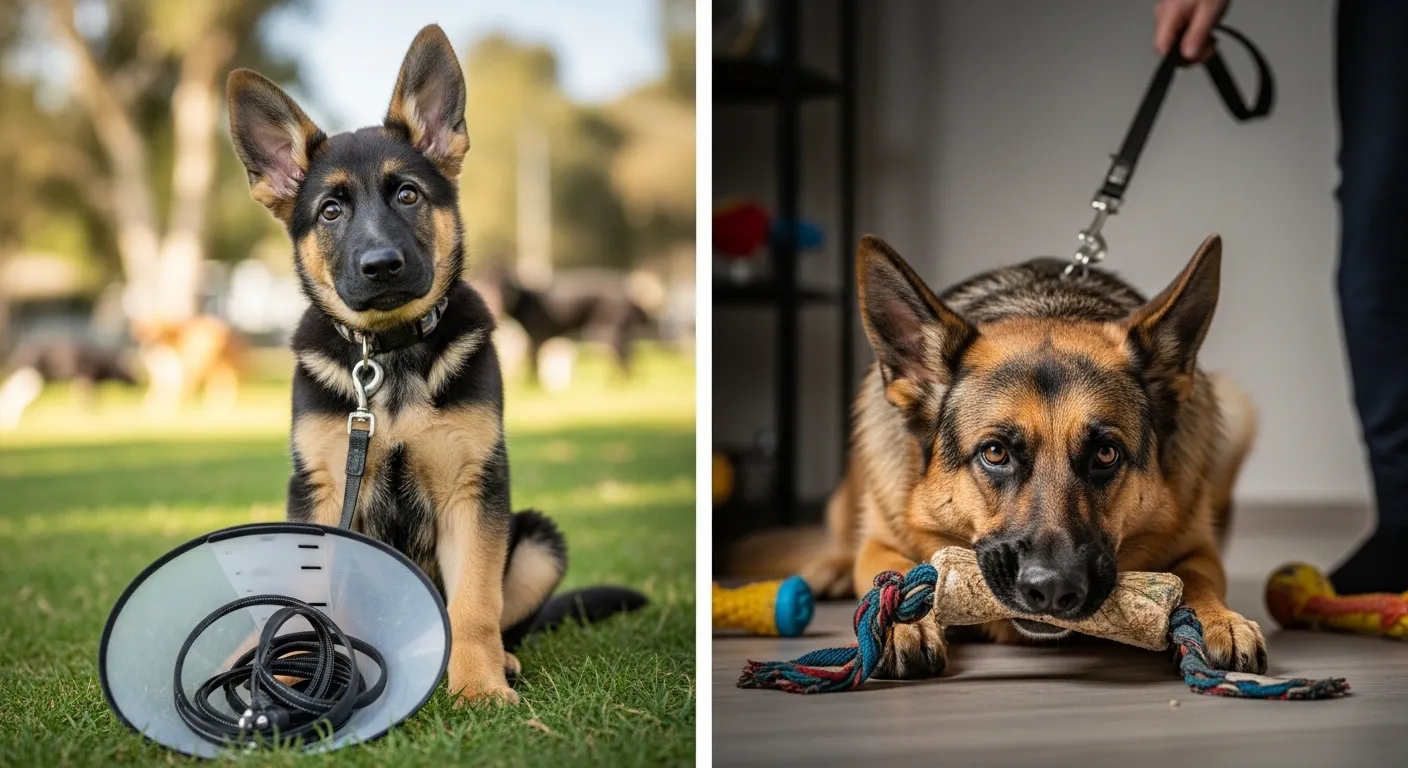
6 Training Mistakes That Slow Down German Shepherd Progress and Break Your Dog’s Trust
Your German Shepherd is one of the smartest dogs on the planet — so why does training feel like you’re both stuck in quicksand? The answer usually isn’t your dog. It’s a handful of surprisingly common mistakes that owners make without even realizing it. Fix these six things, and you’ll see a transformation that’ll honestly blow your mind.
1. Starting Training Sessions Way Too Late in the Day
Here’s something most people don’t think about: timing matters enormously with German Shepherds. These dogs are high-energy working breeds, and by the time evening rolls around, their brains are either wired or completely fried — neither of which is ideal for learning.

Why Timing Is Everything:
- German Shepherds absorb commands best when they’re alert but not overstimulated
- Morning sessions tap into their natural drive and fresh focus
- Post-nap training slots work surprisingly well for younger dogs
- Avoid training right after intense exercise — their brain needs recovery time too
A tired German Shepherd isn’t a focused one. They’ll look at you with those gorgeous brown eyes and have absolutely no idea what you’re saying. Aim for sessions in the morning or early afternoon, and watch how much faster they pick things up.
2. Making Training Sessions Way Too Long
You’d think longer sessions equal faster progress, right? Wrong — and this mistake probably sets back more German Shepherd owners than any other. These dogs are intensely intelligent, which ironically means they get mentally fatigued faster than you’d expect.
FYI, the sweet spot for a German Shepherd training session is 10 to 15 minutes maximum. That’s it. Keep it short, keep it sharp, and always — always — end on a win.

Signs Your Session Has Gone On Too Long:
- Your dog starts sniffing the ground mid-command
- They stare blankly like you’ve suddenly started speaking Portuguese
- Yawning repeatedly (this is a stress signal, not just tiredness)
- Offering random behaviors just to get the treat
Three short, punchy sessions spread across the day will always outperform one long, exhausting marathon. Your dog will stay eager and motivated instead of dreading the sight of the treat pouch.
3. Repeating Commands Like a Broken Record
Say “sit” once and your dog ignores you. So you say “sit, sit, SIT, sit!” and eventually they comply. Feels like success, doesn’t it? It’s actually one of the most damaging habits you can build with a German Shepherd.
What you’re actually teaching them is that “sit” means nothing, but “SIT SIT SIT” — delivered in a slightly unhinged tone — means something. Seriously, you’ve just trained your dog to wait for the third or fourth repetition before responding.

How to Break the Cycle:
- Say the command once, clearly and calmly
- Wait a full 5 seconds for a response before resetting
- If they don’t respond, calmly guide them into position, then reward
- Never repeat the command while they’re still processing
German Shepherds have extraordinary hearing and an even more extraordinary memory. Give the command once, trust the process, and you’ll build a dog that snaps into action on the first word every single time.
4. Using Inconsistent Rules Across the Household
You’ve spent two weeks teaching your German Shepherd not to jump on people. Your progress is real and visible. Then your partner lets the dog leap all over them because “it’s cute.” And just like that, you’re basically starting from scratch. Sound familiar?
German Shepherds thrive on clear, consistent expectations. They’re not being stubborn when they get confused — they’re doing exactly what the mixed signals taught them to do. The problem isn’t the dog; it’s the inconsistency.

Getting Everyone on the Same Page:
- Write down your household rules and share them with everyone
- Use identical verbal cues — “off” means off for everyone, not just you
- Agree on reward systems so nobody undermines the training
- Include kids in understanding the rules — they’re often the biggest wildcards
When your whole household operates like a unified team, your German Shepherd stops getting conflicting information and starts making real, lasting behavioral progress. Consistency is genuinely the secret weapon most people overlook.
5. Skipping Socialization During the Critical Window
German Shepherds between 3 and 14 weeks old are in what trainers call the critical socialization period — and what happens during this window shapes their personality for life. Miss it, or do it poorly, and you can end up with a reactive, anxious, or fearful adult dog that training alone can’t fully fix.
This doesn’t mean tossing your puppy into chaos and hoping for the best. It means intentional, positive exposure to the world around them — on their terms.

What Good Socialization Actually Looks Like:
- Calm, positive introductions to different types of people (hats, uniforms, kids, beards)
- Exposure to different surfaces, sounds, and environments
- Meeting friendly, vaccinated dogs in controlled settings
- Short car rides, vet visits, and busy outdoor spaces
- Never forcing interactions — let the puppy approach at their own pace
Even if your German Shepherd is past puppyhood, it’s not too late to work on socialization — it just requires more patience and a slower, more deliberate approach. IMO, this is the single most underrated investment you can make in your dog’s long-term happiness.
6. Relying Only on Food Rewards and Ignoring Other Motivators
Food rewards are incredible training tools — but if treats are your only trick, you’re leaving a massive amount of potential on the table. German Shepherds are working dogs at heart. They’re motivated by play, praise, and purpose just as much as they are by a piece of chicken.
Over-relying on food can also create a dog that performs only when they can smell a snack. Walk outside without treats and suddenly your perfectly trained dog acts like they’ve never heard the word “come” in their life. Sound familiar?

Building a Richer Reward System:
- Toy rewards — a quick game of tug is incredibly powerful for high-drive dogs
- Verbal praise — genuine, enthusiastic praise genuinely matters to this breed
- Life rewards — opening the car door, throwing the ball, clipping on the leash for a walk
- Physical affection — for dogs that love it, a good scratch behind the ears hits differently
The goal is building a dog that works for you because they genuinely want to engage — not just because you’re holding a treat hostage. Mix up your rewards, keep your dog guessing, and you’ll build a level of enthusiasm and reliability that food alone could never create.
Final Thoughts
German Shepherds aren’t difficult dogs — they’re demanding dogs, and there’s a real difference. They’re asking you to be consistent, clear, and genuinely engaged in the process. Fix these six mistakes and you’re not just training your dog faster — you’re building a relationship based on actual trust and communication. Now go grab that treat pouch and get to work. Your dog is ready when you are.


