
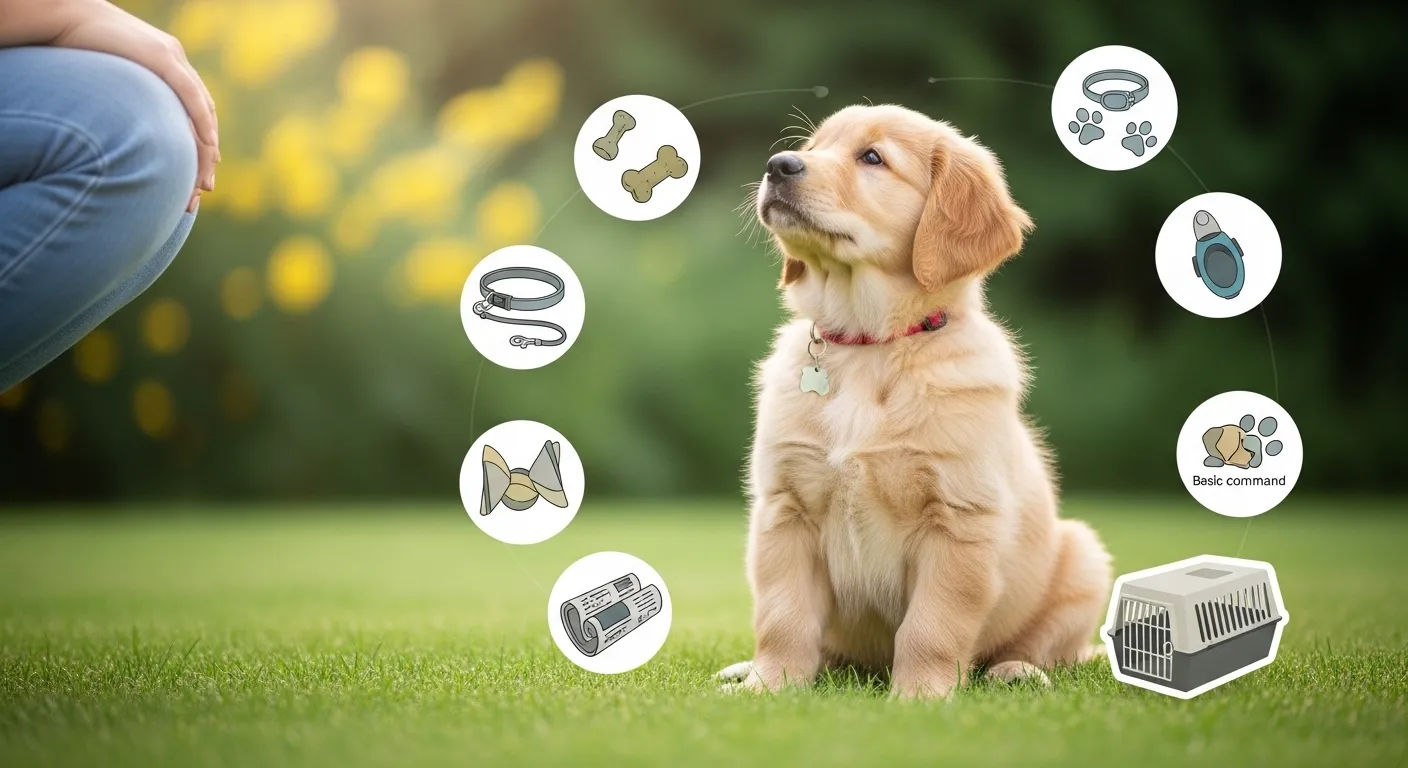
7 golden retriever puppy training tips every owner needs
Bringing a new furry friend home is a big deal. It’s filled with joy and lots of tail wags. You might feel excited and a bit nervous as you get ready for this big change. Building a bond with your new friend starts right when they arrive.

Success needs patience, consistency, and a good plan. Positive reinforcement makes your pet feel safe and confident. These key training methods help build a strong base for a happy life together.
We’ve collected the top tips to help your puppy grow into a well-behaved adult. Using these expert tips will make the journey rewarding for both you and your loyal friend.



Establishing a Consistent Routine for Your Golden Retriever
Creating a structured life is key to effective ways to train a golden retriever puppy. Knowing when to eat, play, and rest makes them feel safe. This predictability is crucial for their training.
The importance of predictable schedules
A regular daily routine helps your puppy adjust to your home with less stress. It helps them understand when to do things. This has many benefits:
- Reduced behavioral issues caused by boredom or confusion.
- Faster adaptation to your household’s unique lifestyle.
- Improved sleep patterns for both you and your pet.
- Increased confidence as the puppy learns the rules of the house.
Setting up a potty training timeline
Housebreaking is a big challenge for new owners. But, a clear plan makes it easier. Take your puppy outside right after they wake up, eat, or play.
Keeping a log of your puppy’s bathroom habits is helpful. It lets you know when they need to go. Remember, patience and positive feedback are key in these early days.
Mastering Positive Reinforcement Techniques
Training your Golden Retriever is fun with positive reinforcement. This method rewards good behavior, not bad. It builds trust, key for puppy training for golden retrievers.

Why reward-based training works for Goldens
Golden Retrievers love to please and are food-motivated. These traits make them great for reward-based training. Treats or praise after a good action teach them quickly.
This approach avoids stress and fear. It makes your dog feel safe and eager to learn. Consistency is the key to clear expectations in every session.
Choosing the right high-value treats
Not all snacks are good for training. Choose high-value treats that are small and soft. Use them only during training to keep your puppy focused.
Use tiny boiled chicken, freeze-dried liver, or special training bites. These treats keep your puppy’s attention, even when distracted. Learning to pick the right treats is crucial for golden retriever puppy obedience training success.
Socialization Strategies for a Confident Dog
Socialization is key to raising a happy Golden Retriever. It’s not just about basic commands. It’s about shaping their personality through positive exposure. Early exposure helps them handle new situations with ease.







Exposing your puppy to new environments safely
Begin with short walks in quiet areas. Then, visit busier parks and places with different textures. Consistency is key to avoid fear-based behaviors.
Watch your puppy’s body language during these outings. If they seem scared, find a quieter spot. Let them watch from there. This helps build their confidence without stress.
Meeting new people and other pets
Positive interactions help your puppy stay calm in social settings. Have friends give treats or praise when they meet your dog. This shows your puppy that strangers are good.
Introduce your puppy to other pets carefully. Choose calm, vaccinated pets for these meetings. Keep them short and supervised. Building these social skills early makes your Golden Retriever friendly and well-mannered.
Essential 7 Golden Retriever Puppy Training Tips for Basic Commands
Your Golden Retriever puppy needs clear guidance to learn essential life skills. Mastering these core behaviors is a vital part of our 7 golden retriever puppy training tips. It provides the structure your dog needs to navigate the world safely. By using clear, consistent verbal markers, you can help your puppy understand exactly what you expect during every session.
Teaching sit, stay, and come
Start by teaching your puppy to sit, which is often the easiest command to master. Hold a treat near their nose and move your hand upward. This allows their head to follow the treat and causes their bottom to lower naturally. Once they are in the position, say “sit” clearly and reward them immediately with the treat and praise.
When moving on to “stay” and “come,” keep your training sessions short and fun. Focus on these key elements to ensure success:
- Consistency: Always use the same word for each command to avoid confusing your puppy.
- Patience: Keep your tone encouraging and calm, even if they struggle at first.
- Short bursts: Practice for only five to ten minutes at a time to keep their attention.
- Positive reinforcement: Reward every small success to build their confidence.
Leash training basics for energetic puppies
Golden Retrievers are naturally exuberant, which makes leash training an essential skill to master early. Start by letting your puppy wear a lightweight collar or harness inside the house so they get used to the feeling. Once they are comfortable, attach a light leash and let them drag it around while supervised.
When you begin walking outside, focus on keeping the leash loose rather than pulling. If your puppy starts to pull, simply stop walking and wait for them to look back at you before moving forward again. This simple method is a cornerstone of effective golden retriever puppy obedience training. It helps your dog learn that walking by your side is the most rewarding way to travel.
Managing Common Golden Retriever Behavioral Challenges
If you’re wondering how to train a golden retriever puppy to stop nipping, you’re not alone. These dogs use their mouths to explore, leading to biting. Patience is your best tool during this time.
Addressing nipping and mouthing
When your puppy nips, act fast. Say “ouch” loudly and stop playing for a bit. This teaches them biting hurts the fun. It’s a key part of how to train a golden retriever puppy to respect people.
Keep a soft toy ready to distract them. This shows them what’s okay to bite. Consistency is vital for quick learning.
Preventing destructive chewing habits
Destructive chewing comes from boredom or teething pain. To save your furniture, teach your puppy to chew on their own things. Start by making your home safe from tempting items like shoes or cords.
Give them different textures like rubber toys or rope chews. If they chew on something they shouldn’t, swap it for a toy. Positive reinforcement helps them learn good habits for life.
Mental Stimulation and Enrichment Activities
A tired puppy is a happy puppy. But, keeping your Golden Retriever busy needs more than just a walk. These smart dogs love to work and solve problems. Adding these activities to your routine is key to keeping them calm and focused.
Using puzzle toys to keep them busy
Puzzle toys are great for using your puppy’s energy well. They make your dog think hard to get treats. Treat-dispensing balls and sliding boards offer a fun challenge that keeps them busy.
Choose toys that are tough for puppy teeth. Change toys often to avoid boredom. This helps your puppy grow independent and confident.
Incorporating scent work and hide-and-seek
Golden Retrievers have amazing noses. Use scent games to keep their minds sharp. Start by hiding treats and saying “find it.”
Hide-and-seek is also great for bonding and mental exercise. It teaches your puppy to listen and use their senses. Here are some ideas to keep your dog’s mind active:
- Snuffle mats: Hide kibble in fabric strips for natural foraging.
- Hide-and-seek: Have someone hold the puppy while you hide, then call them to find you.
- Scent trails: Use a scented toy to create a path for your puppy to follow.
- Frozen treats: Stuff a rubber toy with yogurt or peanut butter and freeze it for a long-lasting challenge.
Regular brain games stop bad behaviors from boredom. Mental tiredness is as good as physical exercise for them. Using these methods is some of the best training tips for golden retriever puppies to keep them happy and well-adjusted.
Conclusion
Training your new puppy is a rewarding journey. It needs patience, consistency, and lots of love. By using these best training tips for golden retriever puppies, you’re setting your new friend up for happiness and good behavior.
Every puppy learns at their own pace. Stay positive and celebrate the small victories. Your hard work today will help your puppy for years to come.
You now have the right strategies to raise a loyal and obedient dog. Using the best training tips for golden retriever puppies helps you face puppyhood challenges with confidence. Enjoy every moment with your furry friend.
What part of your training journey has been the most fun so far? Share your experiences with other owners in our community groups. Your insights help others succeed in raising a well-mannered Golden Retriever.


