
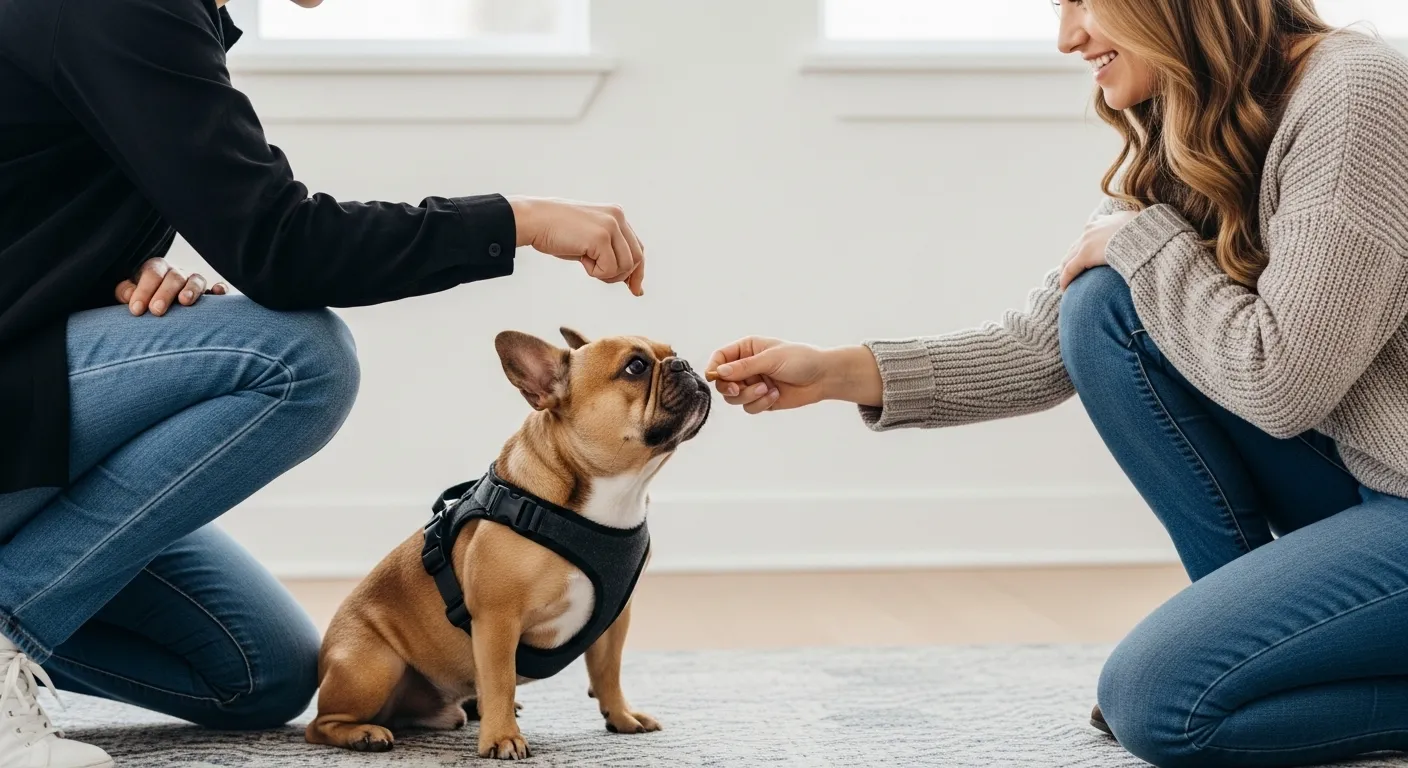
8 Socialization Tips for Raising a Well-Behaved French Bulldog
Getting a new puppy is super exciting. To make sure your puppy grows up well, start early. Early puppy socialization training makes them feel good in new places.

Keeping habits the same helps you and your dog bond better. With these French Bulldog training tips, you can handle tough behaviors easily. This French Bulldog socialization guide gives you what you need for your pup’s success. Using these 8 tips will make your dog happy and well-behaved for life.
Understanding the French Bulldog Temperament
To raise a well-behaved pet, you must first understand the French Bulldog personality traits. These dogs are known for being loving and playful. But, they also have a stubborn streak that can surprise new owners. Knowing the French Bulldog temperament is key to a strong bond with your pet.
When socializing a Frenchie, remember they are very sensitive. They love being around people and look to their owners for emotional support. This means they can get upset if training is too harsh or repetitive.
To teach dog obedience basics, you need to balance their desire to please with patience. Tailor your training to their needs. This way, you can turn challenges into rewarding moments.
Remember these key traits as you start training:
- High Affection Levels: They love constant attention and closeness.
- Playful Nature: They enjoy short, fun activities all day.
- Stubborn Tendencies: They might ignore commands if bored or unmotivated.
- Sensitive Disposition: They do best with positive reinforcement, not strict discipline.
Knowing these traits early helps create a safe and confident environment for your dog. When you respect their unique personality, you start a lifetime of successful communication and respect.


8 Socialization Tips for Raising a Well-Behaved French Bulldog
Socializing your Frenchie is a rewarding journey. It shapes their personality for years. Puppy socialization training helps them navigate the world with confidence. By focusing on socializing a Frenchie early, you set the stage for a lifetime of good behavior.

Start Early with Controlled Exposure
The window for socialization is brief. Start as soon as your vet clears your puppy for outings. Use a dog socialization checklist to track new experiences while keeping your puppy safe.
Controlled exposure means choosing quiet, low-traffic areas. This prevents overwhelming your small companion.
Prioritize Positive Reinforcement Techniques
Always reward your puppy with treats, praise, or play when they encounter something new. This creates a positive association with the world around them. Never force your puppy into a situation if they seem fearful or hesitant.
Introduce Diverse Environments and Surfaces
Expose your Frenchie to various dog training environments, such as parks, quiet sidewalks, and indoor spaces. Let them walk on grass, gravel, wood, and tile to build physical confidence. This variety is essential for socialization for small breeds, as it prevents them from becoming timid in new settings.
Facilitate Calm Interactions with Other Dogs
Arrange playdates with calm, vaccinated adult dogs that are known to be gentle. Keep these meetings short and supervised to ensure your puppy feels secure. Positive interactions teach your Frenchie how to communicate appropriately with their peers.
Encourage Confidence Through New Sounds and Objects
Introduce household items like vacuums, umbrellas, or hats in a slow, non-threatening way. Play recordings of city noises or thunderstorms at a low volume to help your puppy adjust. Consistency is the key to helping them remain brave when faced with the unexpected.
Practice Handling Exercises for Veterinary Visits
Regularly perform dog handling exercises at home to prepare your puppy for medical exams. Gently touch their paws, ears, and tail while offering high-value treats. This practice makes future trips to the vet much less stressful for both you and your dog.
Maintain Consistency in Daily Routines
Puppy routine consistency provides a sense of security that helps your Frenchie thrive. Feed, walk, and train your puppy at similar times each day to build trust. A predictable schedule reduces anxiety and makes learning new skills much easier.
Monitor Body Language for Signs of Stress
Learning to read puppy body language signs is vital for managing puppy stress. Watch for tucked tails, excessive panting, or lip licking, which often indicate that your puppy needs a break. By respecting their limits, you ensure that every training session remains a positive experience.
Managing Common Behavioral Challenges
Even the most caring owners sometimes face challenges with French Bulldogs. These dogs are known for their love, but they can have behavior problems if they feel stressed or confused. Understanding the French Bulldog temperament helps you grow closer to them.
Reading your pet’s body language is key. Spotting signs like tucked tails or lip licking lets you act fast. This helps prevent problems during walks or in crowded places.




Being consistent is crucial for fixing bad habits like pulling on the leash or barking too much. Regular dog handling exercises keep your puppy calm in new situations. These activities build trust and make your dog feel secure everywhere.
Patience is important when teaching your puppy. If they struggle, simplify things to help them focus. With a calm and structured approach, your French Bulldog will become a well-behaved and happy family member.
Creating Positive Reinforcement Environments
Creating the right atmosphere is key for your dog’s progress. Positive reinforcement for dogs builds a lifelong bridge of trust. The best dog training environments make your pet feel safe and eager to learn.

Good calm puppy training starts with gentle introductions. Early puppy exposure helps prevent your Frenchie from feeling overwhelmed. This lets them take in new things at their own pace.
Having a puppy routine consistency is crucial. When your dog knows what to expect, they learn dog obedience basics faster. A set schedule reduces anxiety and keeps training sessions effective.
Using these French Bulldog training tips will make training easier. Remember, socialization for small breeds should be fun and rewarding. A positive environment helps your Frenchie become confident and well-behaved.
Conclusion
Raising a well-behaved French Bulldog needs patience and understanding. Knowing their unique traits is key. Early training sets the stage for their future.
Preventing bad behavior starts with being proactive. Use our dog socialization checklist for daily outings. It keeps your goals in sight.
This guide helps you face new challenges with confidence. Each positive moment builds trust with your dog. Your steady hand makes them feel safe.
Share your training story with others. Tell us about your puppy’s progress. Your experiences help others raise happy French Bulldogs.


