
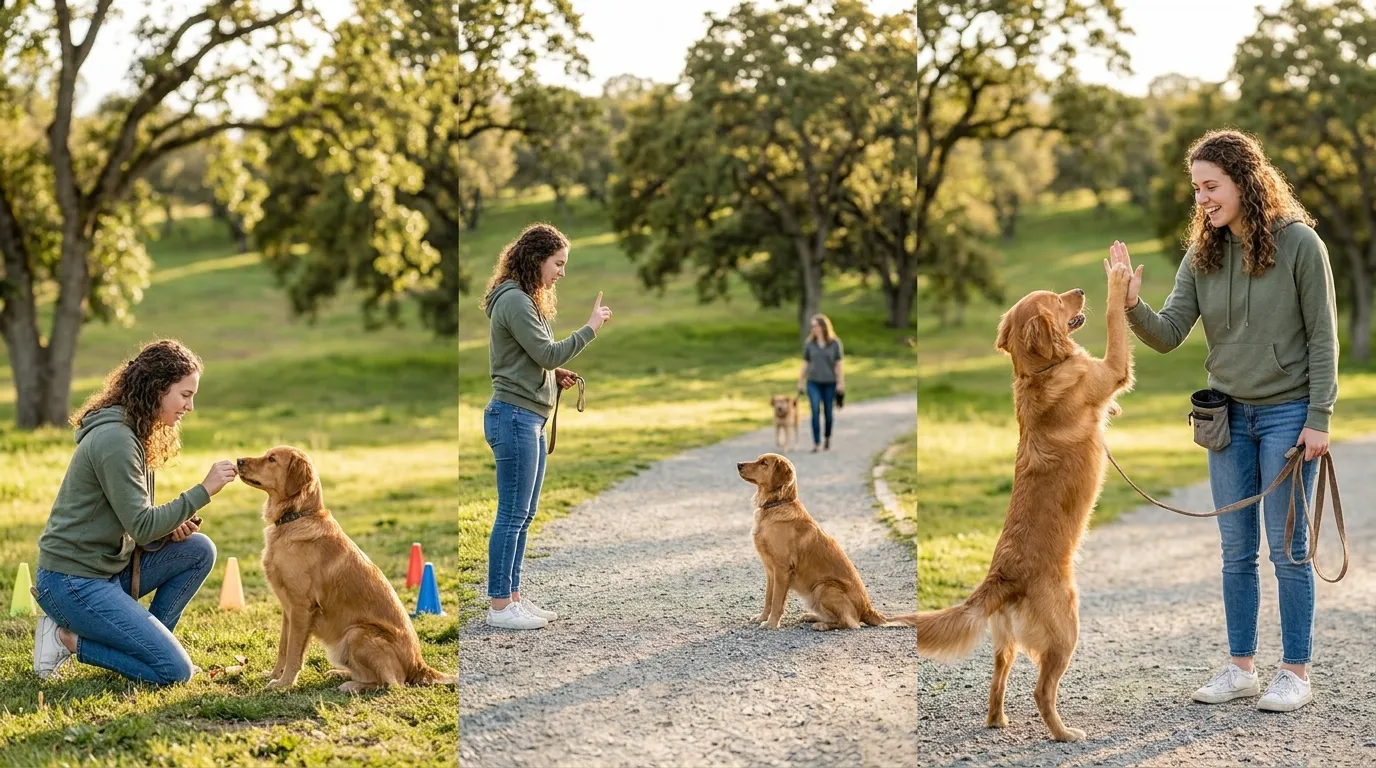
14 Day Dog Training Plan for Beginners to Train Your Dog
Getting a new furry friend is super exciting. But, it can also feel a bit scary to teach them. You’re not alone, and building a lasting bond starts with clear communication.

Our 14-day dog training plan for beginners makes your pet happy and well-behaved. By following this step-by-step dog training plan, you’ll feel more confident. Your home will become a calm place where your pet can grow.
Being consistent is key to success. Spending time each day builds trust and respect. Let’s start this journey together. Your pet will feel safe, loved, and ready to learn.
Preparing for Your 14 Day Dog Training Plan for Beginners
Before starting your training, get ready for success. Proper preparation makes your 14 day dog training plan for beginners work well. Organize your tools and mindset early to guide your pet.
Gathering Essential Training Supplies
To make the most of your dog training guide, have the right gear. Choose treats your dog loves for motivation. A clicker is great for marking good behaviors.
Keep a strong leash and comfy collar or harness ready. Organize them in a training bag. Consistency in your equipment helps your pet know it’s time to learn.
Creating a Distraction-Free Environment
Choose the right place for your beginner’s dog training schedule. Start in a quiet room at home. This helps your dog focus on your cues.
As your dog gets better, try new places. Limiting distractions early on helps build confidence. A calm space is key for learning.
Understanding Positive Reinforcement Techniques
Positive reinforcement is at the heart of good training. It rewards good behavior, not bad. When your dog does something right, immediately give a treat or praise.
This builds trust and makes your dog happy to learn. Positive reinforcement creates a happy learner who loves to participate.
Week One: Establishing Communication and Basic Commands
Starting your 2 week dog training plan means focusing on communication. You’ll teach your pet to listen to your cues in the first days. This is the start of all future learning.
This phase is key for basic obedience training for dogs. It makes a shared language. When your dog knows you’re the reward source, they’ll look to you for guidance.
Day One to Three: Mastering Focus and Name Recognition
The first three days focus on your dog’s name and eye contact. This simple connection is crucial for all future interactions.
Teaching the Look Command
To teach the “look” command, hold a treat near your dog’s nose. Slowly move it toward your eyes. Say “look” and give them the treat when they look at you.
Do this many times in short sessions. Consistency is the secret to teaching your dog that looking at you is good.

Building Engagement Through Play
Training isn’t just about treats; it’s about fun. Use a favorite toy to play with your dog during short sessions.
When your dog plays with you, praise and show affection. This strengthens your bond and makes your pet want to join the 2 week dog training plan.
Day Four to Seven: Teaching Essential Obedience Cues
Once your dog is focused, teach essential cues. These cues are the core of basic obedience training. They keep your pet safe in different places.
Step-by-Step Guide to Sit
- Hold a treat close to your dog’s nose.
- Move your hand up, allowing their head to follow the treat and causing their bottom to lower.
- Once they are in a sitting position, say “sit” and reward them.
Step-by-Step Guide to Stay
- Ask your dog to sit first.
- Open your palm in front of you and say “stay.”
- Take one step back, then return and reward them if they remained in place.
Step-by-Step Guide to Come
- Put a leash on your dog for safety.
- Get down to their level and say “come” in an excited tone.
- When they arrive, reward them with a treat and lots of praise.
Week Two: Refining Skills and Addressing Behavioral Challenges
The second week of your 2 week dog training plan is all about real-world practice. You’ll help your dog use what they’ve learned in new places. This is key for a well-behaved pet.
Day Eight to Ten: Strengthening Commands with Distractions
Practicing Obedience in Different Rooms
Dogs may not get that a command is the same everywhere. Practice your commands in different rooms to build consistency. This shows your dog that obedience is expected everywhere, not just in one spot.
Introducing Leash Manners During Walks
Walking is a time when distractions are high. Use it to practice commands like “sit” or “stay” when you see squirrels or other dogs. Keep training short and engaging to keep your dog focused.
Eleven to Fourteen: Addressing Common Puppy and Dog Behaviors
Managing Jumping and Nipping
Stopping unwanted behaviors early is key in puppy training for beginners. If your dog jumps on guests, ignore them until they calm down. For nipping, give them a chew toy to bite instead.
Establishing Consistent House Rules
Consistency is crucial in any beginner’s dog training schedule. Make sure everyone in your home follows the same rules. This makes your dog feel secure and learn faster, making your 2 week dog training plan a success.
By focusing on these areas, you’re setting your dog up for a lifetime of good behavior. Remember, puppy training for beginners is a long journey. Celebrate the small wins along the way.
Essential Tips for Success in Your Dog Training Program
Getting long-term results is more than just a schedule. Whether starting puppy training for beginners or advanced skills, your approach matters. Focus on these habits to keep your dog training program effective and fun for you and your pet.
https://www.youtube.com/watch?v=B52sU1BX5P0
The Importance of Short and Frequent Sessions
Dogs, like humans, have short attention spans. Short sessions, five to ten minutes, prevent boredom. This is great for basic obedience training for dogs because it keeps them excited.
Short, frequent sessions help your dog learn without getting tired. Practicing three times a day for short periods works better than one long session. Consistency in these short sessions builds a strong learning foundation.
Maintaining Patience and Consistency
Patience is key when training your dog. Even if progress seems slow, staying calm helps your dog feel secure. Getting frustrated makes your dog stressed, which slows learning.
Consistency is also crucial. Use the same cues and signals every time. This makes your dog learn faster and feel more at ease during puppy training for beginners.
Knowing When to End a Training Session
Knowing when to stop is important. If your dog loses focus or stops responding, it’s time to end. Ending on a positive note keeps training sessions enjoyable.
- Watch for signs of physical fatigue like heavy panting or lying down.
- Notice if your dog becomes distracted by the environment.
- Always finish with a successful repetition and a reward.
- Keep the final interaction lighthearted and fun.
Respecting your dog’s energy keeps them excited for the next session. A good dog training program is based on respect and clear communication.
Conclusion
Your journey to a well-behaved pet doesn’t stop at day fourteen. You’ve built a strong foundation of trust and clear communication with your dog.
This is just the beginning of many adventures together. Keep practicing every day to keep your dog sharp. Remember, consistency is key as your pet grows and learns.
If you need a reminder of the training plan, go back to it. For tough behaviors, ask certified trainers from groups like the Association of Professional Dog Trainers for help.
Keep working on your bond with your dog. Your dedication to training will make your pet happy and healthy. Stay patient and enjoy watching your dog grow and thrive under your care.


