
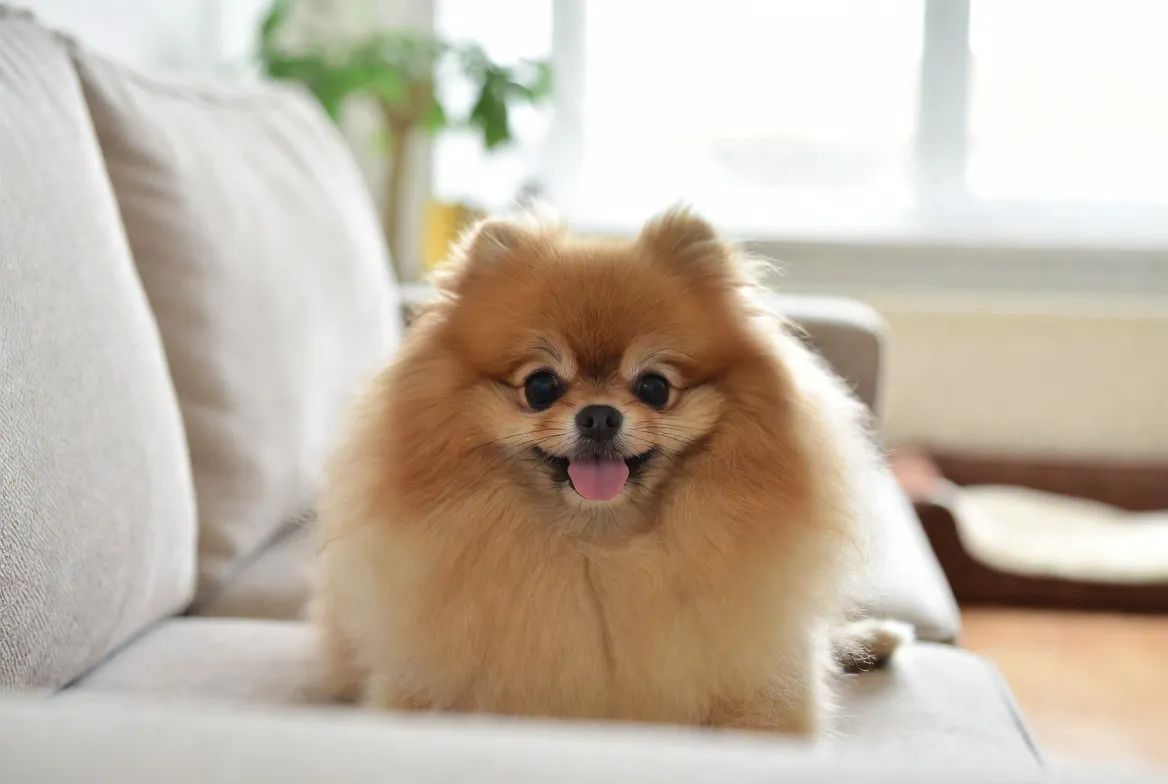
8 Essential Tips for Future Pomeranian Owners You Need
I still remember the day I brought my first tiny, fluffy companion home. The excitement was overwhelming. But as that little ball of fur explored my living room, I quickly realized a Pomeranian needs more than love and treats. They are spirited, intelligent, and surprisingly bold, needing specific care.

Preparing your home is the most rewarding step you can take. Whether you’re a first-time pet parent or a seasoned dog lover, knowing the unique needs of this toy breed is key. By following these guidelines, you’ll be ready for the joys and challenges of being a Pomeranian owner.
Learning about their grooming, training, and health needs now will save you stress later. Let’s dive into the best ways to welcome your new friend into your life with confidence. You’re about to start a wonderful journey that will bring endless joy to your household.
Preparing Your Home for a New Pomeranian
Welcoming a Pomeranian puppy means making your home safe and cozy. These dogs are curious, so it’s key to follow Pomeranian care tips to prevent accidents. Start by checking your floors for small items like coins, hair ties, or loose buttons.
Electrical cords are a big risk for small dogs who like to chew. It’s smart to hide these wires or use covers to protect your puppy. Securing your home before your puppy arrives helps them have a safe and fun start.
Creating a special spot for your pet is a great new Pomeranian owner tip. A quiet area with a comfy bed and crate makes them feel secure. This spot helps reduce anxiety as they get used to their new home.
8 Essential Tips for Future Pomeranian Owners
Are you ready to welcome a fluffy friend? These steps will make the transition smooth for both of you. Follow these new Pomeranian owner tips to feel confident and easy in the early days.

Prioritize Early Socialization to Build Confidence
Introduce your puppy to new sights, sounds, and people early on. Socialization is key to avoiding fear-based behaviors as they grow.
Establish a Consistent Potty Training Routine
Pomeranians need to go out often because of their small bladders. Keep a strict schedule, after meals or naps, for success.
Invest in High-Quality Dental Care Products
Small breeds are at risk for dental problems. Start early with a soft toothbrush and dog-safe toothpaste for clean, healthy teeth.
Learn the Basics of Daily Coat Maintenance
Their double coat needs regular care to avoid painful mats. Spend time each day brushing, which also strengthens your bond.
Select a Harness Instead of a Collar
A harness is safer than a collar for walks due to their delicate tracheas. It spreads the pressure across their chest, not their neck.
Schedule Regular Veterinary Wellness Exams
Routine vet visits are crucial for Pomeranian puppy care. Your vet can track growth and catch health issues early.
Implement Positive Reinforcement Training Methods
These smart dogs love praise and treats over harsh discipline. Keep training fun, short, and rewarding to keep them interested.
Monitor Your Puppy for Signs of Hypoglycemia
Toy breeds can have sudden blood sugar drops, a serious issue. Watch for these signs:
- Lethargy or extreme weakness
- Shaking or trembling
- Loss of appetite
- Disorientation or stumbling
Mastering Pomeranian Grooming and Coat Care
A beautiful, fluffy coat is key to a healthy Pomeranian. Following Pomeranian care tips keeps your pet comfy and looking great. Their thick double coat needs regular care to avoid matting and skin problems.
For that signature fluff, you need the right grooming tools. Good tools make grooming easier for you and your dog. Keep these in your grooming kit:
- Slicker brush: Great for removing loose fur and preventing tangles.
- Metal comb: Essential for reaching the base of the coat to check for hidden mats.
- Detangling spray: Helps glide through stubborn knots without causing discomfort.
- Nail clippers: Necessary for keeping paws healthy and preventing overgrowth.
Managing the Double Coat During Shedding Seasons
Pomeranians shed a lot, usually twice a year. You’ll see a lot of loose hair around your home during these times. It’s a natural process, but it needs extra care to keep your dog’s skin healthy.
Use this Pomeranian grooming guide to manage shedding. Daily brushing removes the undercoat being shed. This prevents hair from getting trapped and forming mats. Staying proactive keeps your Pomeranian happy and comfy all year.
Nutritional Needs for Your Small Breed
Proper nutrition is key for your dog’s energy and health. These dogs have a very high metabolism. They need food rich in nutrients to stay active and healthy. Making these habits part of your routine is crucial for caring for your Pomeranian puppy.
Choosing the Right Kibble for Toy Breeds
Look for food made for toy breeds. These kibble pieces are smaller in size. They are easier for your dog to chew and digest. They also have the proteins and fats needed for their active lifestyle.

Make sure real meat is the first ingredient on the label. Avoid fillers like corn or soy. They don’t offer much nutritional value. The right food helps keep your dog’s coat shiny and immune system strong.
Managing Portion Sizes to Prevent Obesity
Even healthy food can lead to obesity in small dogs. A few extra calories can cause them to gain weight fast. It’s important to follow strict portion guidelines to keep them healthy.
Use a digital kitchen scale to measure meals accurately. Consistency is key for maintaining the right body condition. If your pet starts to gain weight, talk to your vet. They can help adjust their food intake to keep them at a healthy weight.
Training Strategies for Pomeranian Behavior
Managing your Pomeranian’s spirited personality starts with effective training strategies. These dogs are highly intelligent and thrive on clear structure and consistent guidance. Following expert Pomeranian training advice will help you build a stronger bond with your pet. It ensures they remain well-mannered in various settings.
Addressing Excessive Barking Habits
Pomeranians often use their voices to alert you to changes in their environment. To manage this, identify the triggers, such as doorbells or passing pedestrians. Use redirection techniques instead of scolding.
Engage your dog in a quiet activity or offer a treat when they remain silent. Implementing these Pomeranian behavior tips requires patience and timing. Reward calm behavior with praise or small, healthy snacks.
Consistency is the secret to success. Ensure every family member follows the same rules to avoid confusing your pup.
Teaching Basic Commands for Safety
Beyond managing noise, teaching your dog essential safety commands is vital. These commands ensure your pet stays safe during walks or when visitors arrive. Focus on these three core skills:
- Come: Essential for keeping your dog close in open spaces.
- Stay: Helps prevent your dog from darting out of doors or into traffic.
- Leave it: Protects your dog from picking up dangerous items off the ground.
Keep your training sessions short and fun to maintain your dog’s interest. Use positive reinforcement, such as clicker training or high-value rewards. This makes learning enjoyable for both of you. With regular practice, you will see significant improvements in your dog’s responsiveness and overall obedience.
Understanding Common Pomeranian Health Concerns
Learning about common health issues can greatly improve your pet’s life. Being proactive is key to responsible pet care. Use these Pomeranian health tips daily to help your pet live a long, happy life.

Recognizing Symptoms of Patellar Luxation
Patellar luxation is when the kneecap slips out of place. You might see your dog skipping or holding a leg up. If your Pomeranian stops suddenly or seems uncomfortable, see a vet right away.
Early intervention can prevent serious joint damage. It helps your dog stay active and happy.
Protecting Your Dog from Tracheal Collapse
Tracheal collapse is a problem in small breeds. It’s when the windpipe weakens. A dry, harsh cough sounds like a goose honk.
Use a harness instead of a collar to avoid neck pressure. Keeping your pet at a healthy weight is also crucial. It reduces strain on the respiratory system.
Regular wellness exams are vital. Your vet can create a plan for your dog’s health. Being informed and watchful ensures the best possible care for your Pomeranian.
Socialization and Exercise Requirements
Did you know your tiny Pomeranian has lots of energy? They are small but have a spirited personality. They need daily exercise to stay happy and healthy.
Balancing Indoor Play with Outdoor Walks
Playing indoors is great when it’s rainy outside. Use puzzle toys or play fetch in your living room. This keeps their mind sharp. Remember, keep these playtimes short and fun.
Outdoor walks are also key for your dog’s senses. A quick walk lets them sniff and see new things. Always keep them safe from big animals or busy streets.
Introducing Your Pomeranian to New People and Pets
Socializing is vital for a confident dog. Let them meet new people at their own pace. This helps them feel less anxious.
When meeting other pets, start with short, watched meetings. Look for signs they’re okay, like a calm tail. These tips help your dog feel more confident over time.
Creating a Safe Environment for Your Toy Breed
Your home might seem safe, but for a tiny Pomeranian, dangers lurk. Their small size makes them more likely to get hurt. Taking proactive steps to make your home safe is key for their health.
Puppy-Proofing Your Living Space
Look at your home from the ground up. Install baby gates to keep them away from stairs or rooms with small items. These Pomeranian health tips can prevent vet visits for accidents.
Keep electrical cords out of reach or covered. Pomeranians love to explore, and wires can be tempting. Make sure your floors are clear of small items like coins or beads.
Preventing Injuries from High Furniture
Pomeranians love to jump, but it’s not good for their joints. Avoiding high jumps can prevent fractures. Use pet-friendly stairs or ramps for safe access.
If your dog wants to be on the couch, lift them up and down. This helps their joints. Consistency is key in teaching them to use ramps.
Always watch your puppy near furniture during play. This keeps them safe from injuries. Your efforts will make your pet happy and healthy.
Conclusion
Getting a Pomeranian is the start of a fun journey. It’s filled with their unique personality and charm. Your care for them builds a strong bond that lasts many years.
Being successful with a Pomeranian means understanding their special needs. Keep a good grooming guide handy to take care of their thick coat. Brushing them regularly becomes a special time to bond with your pet.
Watch your dog’s energy and health closely as they grow. Small changes in your routine can make a big difference in their happiness. You have everything you need to give your dog a safe and loving home.
Join local breed clubs or online groups to share your experiences. Sharing tips helps everyone care better for these lively pets. Your hard work keeps your Pomeranian a happy part of your family for years.


