
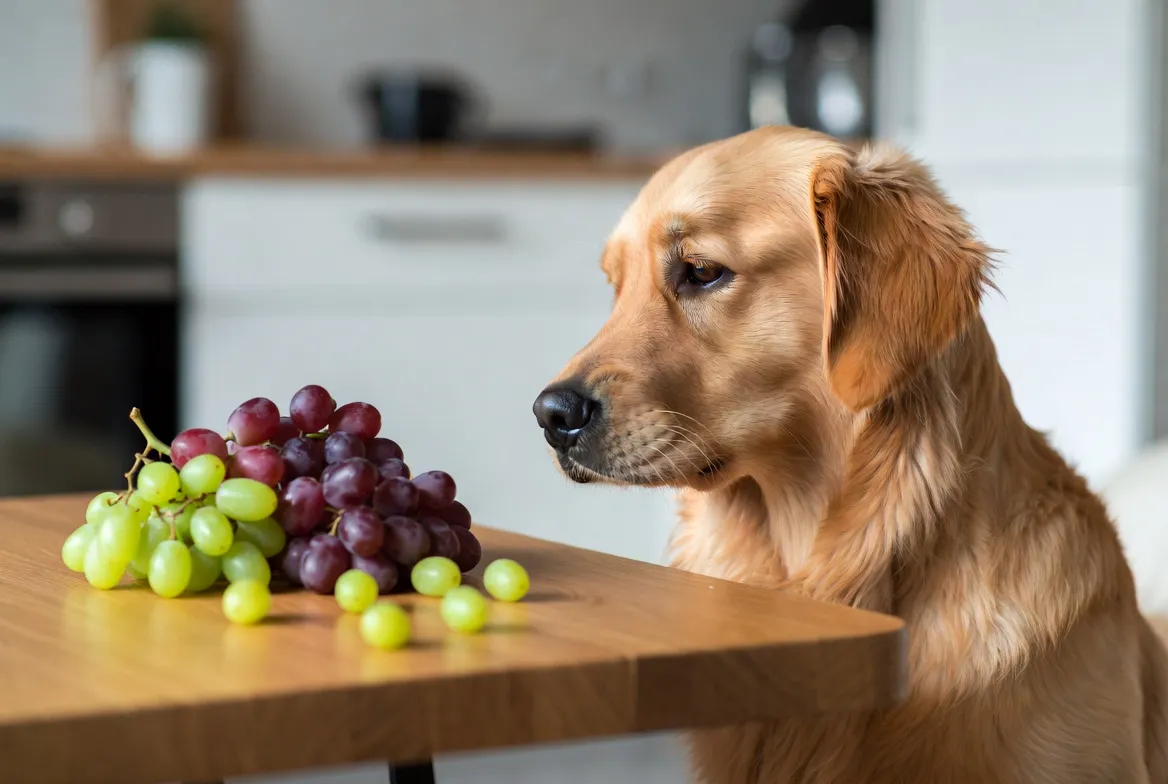
Can Dogs Eat Grapes? Understanding the Risks and Facts
You love your furry friend more than anything. You choose their food and toys carefully. But some foods in your home are deadly secrets for pets.
Many wonder if pets can eat certain fruits. It’s important to know that some foods are very bad for pets. Learning about these dangers keeps your pet safe.

Knowing the risks is key for pet owners. Sharing food might seem okay, but it’s very dangerous. By learning, you keep your pet safe and happy. Let’s look at how to keep your home safe and secure.
The Truth About Why Dogs Can’t Eat Grapes Is Always No
If you’ve wondered, “Can dogs eat grapes?” the answer is a big no. Many think fruits safe for humans are okay for pets. But this can be very dangerous for your dog.
Never feed grapes to your pet. It’s a rule to keep them safe and healthy. Your watchfulness is key to preventing poisoning at home.
Understanding the Biological Reaction in Canines
The link between grapes and dogs is complex. Scientists are still figuring out what makes them toxic. They think certain parts of the fruit harm the kidneys.
This harm can happen to any dog, big or small. Kidney failure is a big worry. The kidneys might stop working suddenly.
Why Even Small Amounts Pose a Significant Threat
Even a little can be very dangerous. Some dogs might get sick from a few grapes. Others can get very sick from just one or two.
Every dog is different, so it’s risky to guess what’s safe. Grapes are toxic to dogs, and it’s not worth the risk. Always keep these fruits out of reach of your pet.
Identifying the Symptoms of Grape Toxicity in Dogs
Knowing the signs of grape toxicity in dogs can save your pet’s life. Since every dog is different, watch closely if they eat grapes. Quick action is key to a good outcome.

Early Warning Signs to Watch For
Signs often show up a few hours after eating grapes. Your dog might seem lethargic or quiet. Vomiting is a common sign of trouble.
Don’t ignore these signs, even if your dog seems better soon. The dangers of dogs eating grapes can be hidden. Always treat sudden vomiting as a medical emergency.
Gastrointestinal Distress and Behavioral Changes
As the toxins spread, your dog may show more physical signs. Diarrhea and loss of appetite are common. They might also seem restless or in pain.
Watch their energy levels closely. If they don’t want treats or hide, they’re likely very sick. These changes mean grapes poison dogs and need vet help fast.
Advanced Symptoms of Kidney Failure
If things get worse, the kidneys may struggle. Your dog might drink too much water or not want to drink at all. A big drop in urine is a critical warning sign of kidney failure.
In severe cases, your dog could have tremors, weakness, or seizures. These signs mean the toxins have harmed a lot. Never wait for these signs to get vet help.
Step-by-Step Guide to Immediate Action After Ingestion
Seeing your dog eat grapes is scary. Knowing the dangers of dogs eating grapes is key. But acting fast is even more crucial. Stay calm to make the best choices for your pet.
Assess the Situation and Quantity Consumed
First, find out what happened. See how many grapes your dog ate and when. Time is of the essence in such cases.
- Check the area for remaining fruit or stems.
- Look for signs of chewed packaging or containers.
- Estimate the weight of the grapes consumed if possible.
- Note the exact time you believe the ingestion took place.
Contact Your Veterinarian or Animal Poison Control Immediately
Since grapes poison dogs, don’t wait for symptoms. Call your vet or animal poison control right away. They know how to handle emergencies.
If your vet is closed, find the nearest 24-hour animal hospital. Do not attempt to induce vomiting at home unless told to by a vet. The wrong way can cause more harm.
Prepare Necessary Information for Medical Professionals
When you talk to a vet, they need certain info to help your dog. Having this ready makes things faster.
Be ready to share:
- Your dog’s approximate weight and breed.
- The type of grapes or raisins involved.
- Any symptoms your dog is currently displaying.
- A list of any medications your dog is currently taking.
Clear and accurate info helps the vet team. Swift, informed action is best for your pet’s safety.
How Veterinarians Diagnose and Treat Grape Poisoning
When you get to the animal hospital, knowing what your vet does can help you relax. They quickly work to stop harmful substances from being absorbed. This helps keep your pet stable and checks for damage.
Diagnostic Procedures and Blood Work
Your vet starts by checking your dog’s health. They do a physical exam and blood tests to see how the kidneys are doing. They look at creatinine and blood urea nitrogen levels to see if the kidneys are working right.
These tests help find problems early. This way, your vet can start treatment right away. They can see how bad the grape toxicity in dogs is and plan the best treatment.
Decontamination Methods Like Induced Emesis
If your dog ate grapes recently, the vet will try to get the fruit out. They might use induced emesis to make your dog vomit. This works best if done soon after the dog eats grapes.
But, never try to make your dog vomit at home without a vet’s advice. It can cause more harm than good.
Fluid Therapy and Supportive Care Protocols
After getting the fruit out, the vet focuses on protecting the kidneys. They give your dog lots of fluids to help get rid of toxins. This supportive care helps keep the kidneys working right during recovery.
Your dog will stay in the hospital to watch their kidney function. Taking care of grape toxicity in dogs needs patience and careful watching. But with the right care, your dog can get better.
The Science Behind Grape Toxicity in Dogs
For years, the cause of grape toxicity in dogs was a mystery. But now, thanks to research, we know more. Veterinarians and toxicologists have worked hard to figure out why grapes harm our pets.

The Mystery of Tartaric Acid and Potassium Bitartrate
Studies show that tartaric acid and potassium bitartrate are the main culprits. These are found in grapes and can harm dogs’ kidneys. When grapes and dogs meet, these toxins can cause serious kidney damage.
It seems dogs can’t break down these acids well. This buildup damages their kidneys. Knowing this helps keep our pets safe from grapes.
Why Some Dogs React Differently Than Others
How dogs react to grapes is unpredictable. Some dogs eat grapes and are fine, while others get very sick. It depends on the dog’s health and how it breaks down toxins.
Things like age, weight, and kidney health affect how a dog reacts. Since we can’t guess how a dog will react, it’s best to keep them away from grapes. It’s not safe to rely on chance for your pet’s health.
Debunking Myths About Grape Varieties and Skin Types
Some people think certain grapes or skin types are safer for dogs. But, all grapes and raisins can be harmful. The toxins are in every part of the fruit, no matter the skin or color.
Staying away from grapes is the only sure way to keep your dog safe. Don’t believe myths about safe grapes or special varieties. The danger is the same in all grapes.
Preventing Accidental Grape Ingestion in Your Home
Keeping your home safe is easy with a few simple steps. By changing your daily habits, you can stop your dog from getting sick. Making a few small changes can give you peace of mind for years.

Securing Your Kitchen and Pantry Areas
Your kitchen is a place of danger for pets. Keep all fruits and snacks up high or in locked places. Use tight containers to stop your dog from finding treats.
- Install child-proof locks on lower pantry doors.
- Keep countertops clear of fruit bowls or grocery bags.
- Store snacks in elevated cupboards out of reach.
- Check floor areas for dropped items after every meal.
Educating Family Members and Guests
Talking to your family and guests is important. Tell them one grape can harm your dog. Ask them not to give your dog snacks, as they might not know the danger.
Write a note on your fridge to remind everyone. When everyone knows the rules, your home is safer for your pet.
Managing Trash and Compost Accessibility
Dogs often get into trash bins. Use strong trash cans with tight lids to keep them out. Make sure your compost is in a fenced area of your yard.
These steps keep your dog away from trash. Consistency is key in keeping your home safe. Stay alert to protect your dog every day.
Safe Fruit Alternatives for Your Dog
You can add variety to your dog’s diet with many safe fruits for dogs. Grapes are a big no-no, but other fruits offer vitamins, minerals, and fiber. These are great for your pet’s health.
Nutritious Fruits That Are Safe to Share
Adding fresh fruits to your dog’s diet can be fun. These nutrient-dense snacks are usually okay for dogs if given right:
- Blueberries: Full of antioxidants and fiber.
- Apples: A crunchy snack, but seeds and core must go.
- Bananas: Rich in potassium, but given in small amounts because of sugar.
- Watermelon: A refreshing snack, but seeds and rind must be removed.
- Strawberries: Rich in vitamin C and fiber for a healthy immune system.
Portion Control and Serving Suggestions
Even with safe fruits for dogs, it’s important to keep portions small. Treats should not be more than ten percent of your dog’s daily calories. This helps avoid weight gain.
Always wash fruits well to remove pesticides. Cut them into small pieces. This helps prevent choking, which is a big risk for small dogs or dogs that eat fast.
Fruits to Avoid Beyond Grapes
When trying new snacks, remember not all human foods are good for pets. Some fruits can upset your dog’s stomach or cause serious health problems.
Stay away from giving your dog these:
- Cherries: The pits have cyanide, which is toxic.
- Avocados: They have persin, which can cause vomiting and diarrhea.
- Citrus fruits: Lemons, limes, and grapefruits can upset the stomach.
If you’re not sure about a new food, talk to your vet. Keeping a list of safe fruits for dogs can help you make good choices at snack time.
Recognizing Hidden Sources of Grapes and Raisins
Your pantry might have things that are bad for your dog. You know to keep grapes away, but they can be in foods you don’t think about. Vigilance is your best tool to keep your pet safe.
Checking Ingredient Labels on Baked Goods
Many baked goods have raisins or grape products that are dangerous. Always read the ingredient label carefully before giving treats to your dog. These fruits add sweetness or texture to many treats.
- Check for “raisin paste” or “concentrated grape juice.”
- Look for hidden fruit bits in oatmeal cookies.
- Avoid sharing any bread products that contain dried fruit inclusions.
Identifying Dried Fruit in Trail Mixes and Cereals
Trail mixes and cereals often have hidden dangers. They mix different dried fruits, making it hard to spot raisins. Always inspect the contents of your snack bowls before leaving them where your dog can get them.
If you snack on granola or trail mix, keep it in sealed containers. Store them high in your pantry. Never leave open bags of cereal or snack mixes on the floor or counters. Even a small amount of dried fruit can be dangerous for your dog’s health.
Risks Associated with Fruit-Based Snacks
Fruit-based snacks, like fruit leathers and gummies, have grape or raisin extracts. These snacks are tasty and chewy, but they can be toxic. The toxins in these snacks can harm your dog’s health quickly.
Be careful with:
- Fruit-flavored energy bars.
- Dried fruit medleys marketed as healthy snacks.
- Gummy candies that use fruit juice concentrates.
Knowing where these dangers hide helps keep your dog safe. Taking a few extra seconds to check labels is worth it for your pet’s health.
Creating a Safe Environment for Your Canine Companion
A safe home for your dog needs training and barriers. These steps help prevent grape toxicity in dogs and keep them happy. Remember, your watchfulness is key to avoiding dangers.
Training Your Dog to Leave It
Teaching your dog to “leave it” is very important. This command stops them from picking up bad things. Consistency is key when teaching this command.
Begin with low-value treats to build a strong base. Then, use more tempting items. Reward them with safe fruits for dogs like blueberries or apple slices. This teaches them to listen to you.
Supervising Outdoor Play and Garden Areas
Your backyard should be safe. Check for fallen fruit or dangerous items. Always watch your dog closely, as they might dig or eat things they shouldn’t.
If you garden, use pet-safe plants and fertilizers. A designated play area helps you watch them better. This way, you reduce the chance of them eating something bad.
Building a Pet-Proof Living Space
Pet-proofing your home is more than just keeping counters clean. Make sure trash cans are locked to keep your dog out. Store all groceries in places your dog can’t reach.
Here are some easy steps to keep your home safe:
- Use child-proof locks on low pantry doors.
- Keep bags of groceries off the floor right after shopping.
- Tell guests not to give your dog table scraps.
- Keep your floor clean to avoid dropped items.
By training and pet-proofing, you make a safe space for you and your dog. This mix of training and safety is the best way to protect your dog.
Common Misconceptions About Canine Nutrition and Grapes
It’s important to know the truth about what pets can eat. Many pet owners get confused by what they read online. Always remember, can dogs eat grapes is a big no, no matter what you see online.
Addressing Myths Found on Social Media
Social media can share stories that might seem okay. But these stories can lead to dangerous decisions about your dog’s food. Always doubt advice that goes against what vets say, like about grapes and dogs.
Why Human Food Safety Does Not Always Apply to Dogs
It’s wrong to think that food safe for humans is good for pets. Dogs and humans are very different, so our bodies handle food differently. Foods that are healthy for us can be bad for dogs, like grapes.
Dogs can’t digest some foods because they lack certain enzymes. Using human food safety rules is a risky gamble for your pet’s health. Always think about what’s best for your dog, not just what’s good for you.
The Importance of Consulting Veterinary Professionals
When you’re unsure about your dog’s food, talk to your vet. They give advice based on your dog’s health and breed. This way, you avoid myths about whether dogs eat grapes or other bad foods.
Protecting your companion means ignoring bad advice and listening to experts. Working with your vet helps make sure your dog eats well. Your vet is key to your dog’s happy, long life.
Conclusion
Keeping your home safe for your dog is key. You are the most important person in keeping them safe from dangers in your pantry.
Being careful is your best defense against accidents. Knowing about dangers like grapes helps keep your dog safe and happy.
Choose safe, vet-approved treats for your dog. If you’re unsure about a food, ask your vet.
By following these simple steps, you help your dog live a better life. Tell others about these safety tips to protect their pets too.
Small changes can make a big difference in your dog’s safety. Enjoy every moment with your happy, healthy dog by making smart choices every day.


