
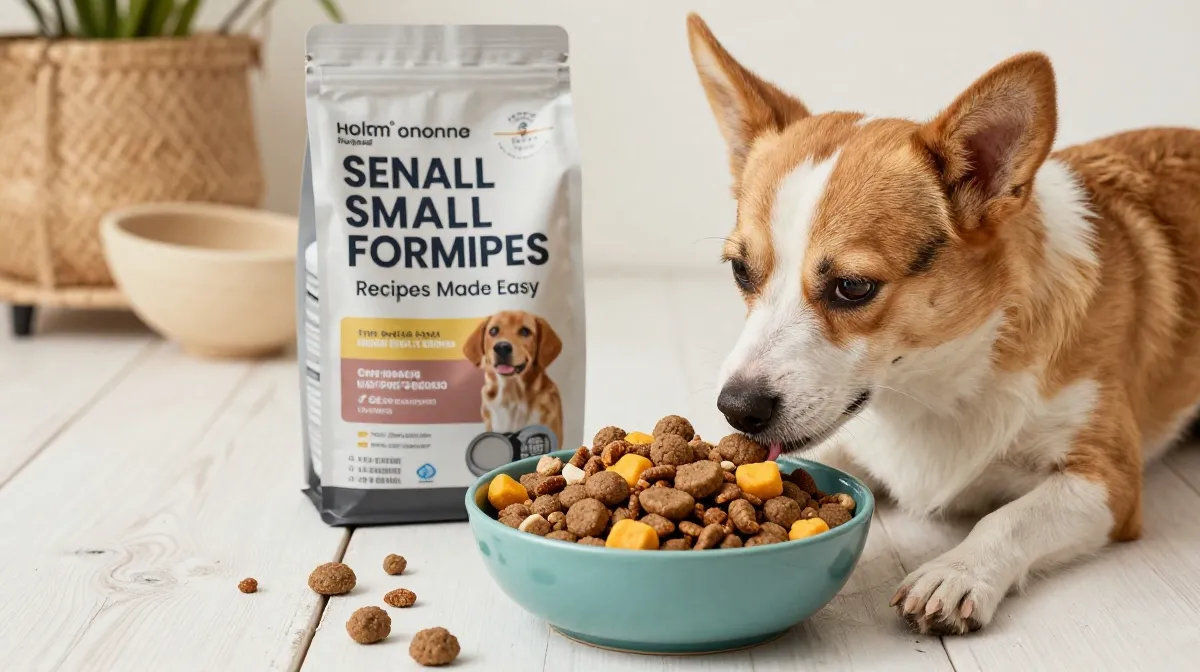
Homemade Dog Food for Senior Small Dogs Recipes Made Easy
Watching your loyal companion grow older is a mix of sadness and joy. You see their gray fur and slower walks. You want to give them the best care.
Preparing homemade dog food for senior small dogs is a loving way to help them. It meets their changing health needs.

Some worry cooking at home is hard or takes too much time. But making easy homemade dog food is doable with a plan. Use simple, nutritious ingredients to make meals balanced and easy to prepare.
This guide will show you how. You’ll learn about choosing the right ingredients and how to store food safely. You’ll feel sure about every meal you give your pet.
Before You Start Homemade Dog Food for Senior Small Dogs
Before you start cooking, it’s important to know what your aging dog needs. Making homemade dog food for senior small dogs shows you care. But, it’s crucial to do it right to keep your pet healthy and happy.
Understand Your Senior Small Dog’s Changing Nutritional Needs
As your dog gets older, their body changes. They might need fewer calories but more higher quality proteins to keep muscles strong.
Small dogs often face dental and joint problems. They need the right vitamins and minerals to stay healthy in their golden years.
Ask Your Veterinarian About Health Conditions and Dietary Restrictions
Always talk to your vet before changing your dog’s diet. They can tell you about your dog’s health and what they need.
- Review current blood work and organ function.
- Discuss any known food allergies or sensitivities.
- Identify specific nutrient requirements for your dog’s breed.
- Confirm if your dog needs a restricted sodium or phosphorus intake.
Know When Homemade Meals Are Not Appropriate as the Only Diet
Cooking at home is great, but it’s not for every dog. Some dogs need special diets that are hard to make at home.
Conditions That May Require a Therapeutic Veterinary Diet
If your dog has chronic illnesses, they might need a special diet. These diets help manage health issues like:
- Advanced kidney disease or renal failure.
- Severe heart conditions requiring low-sodium intake.
- Gastrointestinal disorders needing highly digestible ingredients.
- Endocrine issues like diabetes that require strict glycemic control.
Warning Signs That Need Prompt Veterinary Attention
Watch your dog closely when you start homemade senior dog food. Always contact your vet if you see any of these signs:
- Sudden loss of appetite or refusal to eat.
- Persistent vomiting or diarrhea after meals.
- Unexplained weight loss or rapid weight gain.
- Lethargy or a noticeable drop in energy levels.
- Changes in skin condition or excessive itching.
Gather the Right Ingredients and Kitchen Tools
Starting to make meals at home is easy. You just need the right stuff and tools. Making healthy homemade dog food means you control what your senior pet eats every day.
Choose Lean, Digestible Protein Sources
Senior dogs need good protein that’s easy to digest. Go for lean meats like skinless chicken, turkey, or white fish. They give the amino acids needed without too much fat.
Select Dog-Safe Carbohydrates for Steady Energy
Older dogs need carbs for energy. Use cooked brown rice, quinoa, or oats. They help keep their blood sugar steady all day.

Add Cooked Vegetables and Safe Fiber Sources
Vegetables are key for vitamins and fiber in your small breed dog food recipes. Make sure they’re cooked soft. Raw veggies are hard for older dogs to chew and digest.
- Steamed green beans for fiber
- Boiled carrots for beta-carotene
- Cooked sweet potatoes for gentle digestion
- Pureed pumpkin to support gut health
Prepare Calcium, Fatty Acids, and Other Essential Nutrients
Homemade meals might miss some minerals. You need to add calcium, like eggshell powder, to balance meat’s phosphorus.
Why a Veterinarian-Recommended Canine Supplement Matters
Even with fresh food, it’s hard to get all nutrients right. A vet-recommended supplement helps. It makes sure your dog gets the right vitamins and minerals for their age and health.
Use a Food Scale, Measuring Cups, and Storage Containers
Being precise is important for small breed dog food recipes. Use a digital food scale for accurate weights. Measuring cups can be off for solid foods.
Get good, airtight containers for storing food. They keep your healthy homemade dog food fresh in the fridge or freezer. This stops spoilage and keeps your dog’s food safe.
Ingredients You Should Never Add to Senior Dog Meals
Some human foods are bad for dogs and must be avoided. Keep these out of your kitchen to keep your dog safe:
- Onions and garlic
- Grapes and raisins
- Chocolate or caffeine
- Xylitol (found in some sweeteners)
- Macadamia nuts
Plan a Balanced Recipe for Your Aging Small Dog
Making the best homemade dog food for senior small dogs is key. It’s not just about recipes. It’s about giving them the best nutrition for a long, happy life. High-quality ingredients are the base for their health.
Build Each Meal Around Protein, Carbohydrates, and Vegetables
Start with a good protein source to keep muscles strong. Add easy-to-digest carbs for energy. Colorful, cooked veggies bring vitamins and minerals for a strong immune system.
Adjust Ingredients for Lower Activity and Age-Related Weight Changes
As dogs get older, they need less food. Making healthy homemade dog food lets you adjust calories without losing nutrients. Watch your dog’s energy to see if they need more or less food.
Account for Dental Problems, Reduced Appetite, and Sensitive Digestion
Older dogs might have trouble eating due to missing teeth or less interest. Blend or mash food to make it easier to chew. For sensitive stomachs, use simple, gentle ingredients.
Keep Treats and Toppers Within the Daily Calorie Budget
Every snack and topper adds to your dog’s daily calories. It’s easy to overfeed with extra treats. Always track these extras to keep your dog at a healthy weight and avoid joint problems.
How to Read Body Condition Without Relying Only on Weight
Weight is just one part of the story. Body condition is more important. Check for ribs and waistline shape. A healthy dog has a visible waist and ribs that are easy to feel, not hidden by fat.
Prepare the Ingredients Safely and Gently
Making easy homemade dog food is rewarding. It’s important to keep the kitchen safe. This way, every meal is healthy for your senior dog without risks.
Wash Produce and Prevent Cross-Contamination
Begin by washing fruits and veggies under running water. This removes dirt and pesticides. Use different cutting boards for raw proteins and veggies. This step stops harmful bacteria from reaching your dog’s food.

Cook Meat, Eggs, and Fish Thoroughly
Raw or undercooked proteins can be harmful. Make sure all meat, fish, and eggs are cooked well. Thorough cooking is key to keep your dog safe.
Steam or Boil Vegetables Until They Are Easy to Chew
Senior dogs have trouble digesting. So, make their food soft. Steam or boil veggies until they’re tender. This makes the food easier for them to eat.
Remove Bones, Skin, Excess Fat, and Choking Hazards
Check each ingredient for dangers. Take out bones, tough skin, and big fat pieces. This makes your easy homemade dog food safe and worry-free.
Safe Cooling and Handling Practices for Homemade Dog Food
Don’t serve hot food to your dog. It can hurt their mouth. Let the food cool down before serving. Store leftovers in airtight containers in the fridge to keep them fresh.
Blend or Mash Food for Dogs With Dental or Swallowing Difficulties
If your dog has dental or swallowing problems, blend or mash the food. This makes it soft and easy to eat. Always check with your vet to make sure it’s right for your dog’s needs.
Make an Easy Chicken and Rice Senior Dog Meal
If you’re looking for senior dog meal ideas, start with chicken and rice. This combo is gentle on older dogs and gives them the nutrients they need.
Measure the Chicken, Rice, Vegetables, and Added Nutrients
When making homemade senior dog food, being precise is key. Start by weighing lean chicken breast and measuring cooked rice.
Chop carrots or green beans finely to add vitamins. Don’t forget to mix in your vet’s recommended calcium or multivitamin powder at the end.

Cook and Combine the Ingredients in the Correct Order
First, cook the chicken until it’s fully done. Then, cook your rice until it’s soft and easy to digest.
Steam your veggies until they’re tender. Once cooked, mix everything together in a bowl. Make sure the chicken is shredded into small pieces.
Cool, Portion, and Serve the Finished Meal
Let the mix cool down before serving. Never serve food that’s too hot to avoid burning your dog’s mouth.
Divide the food into portions based on your dog’s needs. Store these in airtight containers in the fridge for later.
How to Adjust Texture for a Small Senior Dog
Older dogs might have trouble eating. Use a food processor to make the food soft and smooth.
Adding warm water or low-sodium broth can also help. This makes eating easier and more comfortable for your dog.
Recognize When This Recipe Needs Veterinary-Approved Supplementation
Chicken and rice are healthy but not enough for a senior dog’s needs. This recipe is a good start, but it’s not a complete diet.
Always talk to your vet about supplements for your dog. Professional guidance helps make sure your homemade meals are good for your dog’s health.
Try More Healthy Homemade Senior Dog Food Recipes
Trying new meals can make your senior dog happy. It’s good to mix up a few senior dog food recipes to give them more nutrients.
But, always talk to your vet first. Make sure any new food is right for your dog’s health.

Turkey, Oatmeal, and Pumpkin for Gentle Digestion
Turkey is easy on older dogs’ stomachs. Adding cooked oatmeal and pumpkin makes it even better. This mix helps keep their digestive system healthy.
Lean Beef, Sweet Potato, and Green Bean Dinner
This mix is full of good stuff. Lean beef helps keep muscles strong. Sweet potatoes and green beans add important vitamins and fiber.
Salmon, Barley, and Soft Vegetables for Omega-3 Fats
Salmon is great for joints and shiny fur. Paired with barley and soft veggies, it’s a top choice for small breed dog food recipes.
Egg, Quinoa, and Vegetable Meal for a Small Appetite
Eggs are easy for picky eaters. Quinoa is a gentle grain that goes well with steamed veggies.
How to Keep Each Recipe Balanced Instead of Rotating Random Ingredients
It’s easy to mix things up, but it can mess with your dog’s diet. Make sure each meal has the right mix of protein, fats, and carbs.
Use a vet-approved base recipe. This keeps your dog from missing out on important nutrients.
When to Avoid a Recipe Because of Allergies or Medical Needs
Not every dog can eat every meal. Dogs with allergies or health issues need special care. Avoid foods that cause problems.
Check the ingredients of new small breed dog food recipes against your dog’s health history. Some foods, like those high in sugar or protein, might not be safe for dogs with certain health issues.
Portion and Serve Homemade Meals Correctly
It’s important to portion and serve meals right for your senior dog. When making homemade dog food for senior small dogs, think about their metabolism and activity. This helps them stay healthy and happy.
Calculate Portions Based on Body Weight, Activity, and Condition
Dogs need different amounts of food based on their weight and how much they move. Talk to your vet to figure out how many calories your dog needs. This keeps them at a healthy weight.
- Weigh your dog regularly to track progress.
- Adjust portions if your dog is gaining or losing weight.
- Consider activity levels, as older dogs often move less.
- Use a digital kitchen scale for precise measurements.
Divide Food Into Smaller Meals for Easier Digestion
Senior dogs may have trouble digesting big meals. Splitting their food into three or four smaller meals helps. This makes digestion easier.
Smaller meals prevent bloating and keep energy levels steady. Consistency is key for your aging dog’s new meal schedule.
Serve Meals at a Comfortable Temperature
The food’s temperature affects your dog’s appetite. Serving meals at room temperature or slightly warmed is best. This is true for dogs with less appetite.
Avoid cold food from the fridge. It might not be appealing and could upset their stomach. Always check the food’s temperature with your finger before serving.
Measure Calories From Treats, Supplements, and Food Toppers
Don’t forget the extra calories from snacks and additives. To keep your dog at a healthy weight, count every calorie. This includes treats and supplements.
How to Monitor Weight, Stool Quality, Energy, and Hunger
Watching your dog after meals helps you know if your senior dog meal ideas are working. Keep a log to track:
- Weight: Check for unintended gains or losses.
- Stool Quality: Look for firm, consistent waste.
- Energy: Note if your dog seems lethargic or active.
- Hunger: Monitor if your dog finishes meals eagerly.
Make Gradual Adjustments Instead of Changing Portions Suddenly
If your dog’s weight isn’t right, don’t change their portions suddenly. Make small changes over a few days. This lets their body adjust.
Sudden changes can upset their stomach or cause mealtime issues. Patience and observation help find the right balance for your dog’s health.
Transition Your Dog to Homemade Food Safely
Switching to homemade food for your aging dog needs to be smooth. Senior dogs have sensitive systems. So, don’t rush the diet change.
Take your time to keep your pet comfortable and happy. This is key to a successful transition.
Introduce the New Food Over Seven to Ten Days
Start by mixing a small amount of new food with their old diet. Do this over seven to ten days. Each day, add more new food and less old food.
Keep doing this until your dog eats only the homemade food.
Watch for Vomiting, Diarrhea, Constipation, or Itching
Watch your dog closely as you introduce homemade dog food for aging dogs. Look for signs like vomiting, diarrhea, or constipation. Also, check for itching or redness on their skin.
Slow the Transition When Your Dog Shows Digestive Upset
If your dog has an upset stomach, don’t worry. Just slow down the transition. Keep the mix of new and old food the same for a few more days.
This usually helps their system adjust without more trouble.
When Digestive Symptoms Require a Veterinary Call
Some symptoms need vet help. Call your vet if your dog has persistent vomiting, severe diarrhea, or seems very tired. Prompt medical advice is key if your dog stops eating or shows a lot of pain.
Return to a Familiar Food if Your Dog Refuses Meals
If your dog won’t eat the new food, don’t force it. It can stress them out. It’s okay to go back to their old food.
Then, talk to your vet about trying a different recipe.
Keep a Simple Food and Symptom Journal
Tracking your dog’s health is very helpful. Keep a journal of food, portions, and symptoms. This will help your vet and show what works best for your dog.
Store, Reheat, and Handle Homemade Dog Food
Keeping your homemade dog food for aging dogs fresh is key. You work hard to make healthy meals. Make sure every bite stays healthy for your senior pet.
Good handling habits keep your dog safe from sickness. They also keep important nutrients in the food.
Refrigerate Cooked Meals Promptly in Small Portions
Cool your cooked meals fast before refrigerating. Use single-serving containers to cool them down quickly. This stops bacteria from growing.
Use airtight glass or BPA-free plastic containers. They keep the food moist and prevent bad smells.
Freeze Extra Servings to Reduce Waste
Freezing is great for leftovers. Put the food in freezer-safe bags or containers. This way, you only take out what you need each day.
This reduces waste and makes sure your dog eats fresh food every day.
Thaw Food Safely and Reheat It Without Creating Hot Spots
Thaw frozen meals in the fridge overnight. Don’t leave food on the counter. It can get too hot.
If microwaving, stir the food well. This avoids hot spots that could hurt your dog’s mouth.
Storage Times for Refrigerated and Frozen Homemade Meals
Knowing how long meals stay fresh is important. Here’s a guide to help you:
- Refrigerated meals: Eat within 3 to 4 days for safety.
- Frozen meals: Stay fresh for up to 2 months.
- Thawed meals: Use within 24 hours after thawing.
Discard Food That Looks, Smells, or Feels Unusual
Trust your senses with homemade dog food for aging dogs. If it smells bad, looks off, or has mold, throw it away. Your senior dog’s system is more sensitive.
Never risk giving them food that looks or smells bad. Or has been stored too long.
Troubleshoot Common Senior Dog Feeding Challenges
Feeding your healthy homemade dog food can be rewarding. But, sometimes you need to solve problems. Even with a good plan, your older dog might face issues that need your help.
Make Meals More Appealing for a Dog With a Reduced Appetite
If your dog doesn’t want to eat, try warming the food. This makes it smell better. You can also add a bit of low-sodium chicken broth or nutritional yeast for taste.
Modify Texture for Missing Teeth or Gum Discomfort
Older pets might find chewing hard. Use a food processor to make the food soft. Adding warm water or broth makes it easier to swallow.
Respond to Weight Loss, Weight Gain, or Low Energy
Watching your dog’s weight is important. If they’re losing or gaining weight, or seem tired, try these:
- Give them a bit more food if they’re losing weight.
- Use less high-calorie ingredients if they’re gaining weight.
- Choose high-quality, easy-to-digest proteins.
- See your vet to check for health problems.
Manage Gas, Loose Stools, and Constipation Carefully
Digestive problems can be tough for both you and your dog. If they have gas, loose stools, or constipation, keep a food diary. Consistency is key to find out what’s causing it.
Why You Should Not Treat Persistent Symptoms With Recipe Changes Alone
It’s tempting to change recipes for digestive issues or tiredness. But, these signs might mean there’s a health problem. Don’t just change the food if symptoms last more than a day or two. A vet visit is needed to check for illness that needs medicine.
Coordinate Homemade Meals With Medications and Veterinary Supplements
Talk to your vet before adding new supplements to your senior dog meal ideas. Some medicines and nutrients don’t mix well. Your vet can help with timing meals for best absorption. Keeping your vet in the loop makes sure your homemade food is safe and helpful for your dog’s golden years.
Conclusion
Preparing homemade dog food for senior small dogs is rewarding. It helps support your pet in their golden years. You now have the tools to create meals that prioritize health, comfort, and vitality.
Choosing the best homemade dog food is more than picking fresh ingredients. It needs a commitment to balanced nutrition. Always work closely with your vet to ensure your dog’s recipes meet their needs.
Your journey into homemade dog food should be flexible. Watch how your pet responds to new textures and flavors. Adjust your approach based on their energy levels or appetite changes. This proactive mindset helps you catch potential issues early while keeping mealtime enjoyable.
Sharing your experiences with other pet owners can provide valuable insights. Keep your kitchen organized and follow safe storage practices. Enjoy the peace of mind that comes from knowing exactly what goes into your dog’s bowl. Your dedication to their well-being makes a significant difference in their quality of life every single day.


