
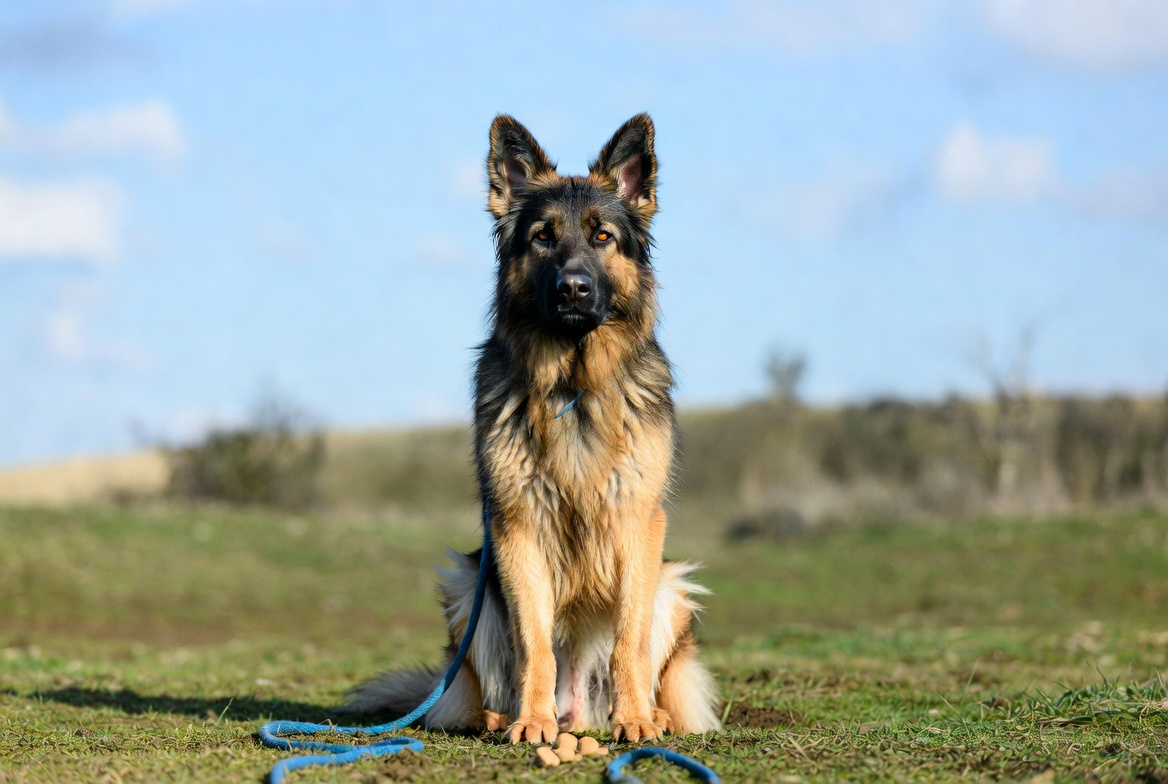
German Shepherd Obedience Training Guide For Beginners
Welcome to the exciting journey of raising your new dog. Getting a loyal friend is a big step. It means you must be ready to teach and communicate clearly.

Starting early is key for success. By teaching your puppy basic obedience, you build trust. This trust lasts forever. Regular practice helps your dog understand what you want.
Whether you’re starting or improving your training, this guide helps. We’ll cover important techniques. Your pup will become a well-behaved and happy family member. Let’s start this journey together.
Understanding the German Shepherd Temperament
The foundation of a well-behaved dog lies in recognizing the complex German Shepherd temperament. These dogs are naturally loyal, courageous, and highly observant. Understanding this unique German Shepherd behavior is the first step toward building a lasting bond with your pet.
The Importance of Early Socialization
Proper puppy socialization is vital for shaping a confident and stable adult dog. By exposing your puppy to various sights, sounds, and people, you help them navigate the world without fear. This proactive approach prevents the development of anxiety-based reactions later in life.
Consider these essential areas for early exposure:
- Meeting friendly strangers of different ages and appearances.
- Interacting with other well-behaved, vaccinated dogs.
- Experiencing common household noises like vacuums or doorbells.
- Walking on different surfaces such as grass, gravel, and tile.
Recognizing High Intelligence and Energy Levels
German Shepherds are renowned for their sharp minds and boundless energy. Because they are working dogs, they require consistent mental stimulation to stay happy and focused. Without a proper outlet, their intelligence can lead to boredom and destructive habits.
Effective GSD training tips focus on channeling this natural drive into productive tasks. You should prioritize activities that challenge their brain, such as scent work or advanced obedience drills. Consistency remains the key to managing their high energy while ensuring they remain calm and attentive during your daily training sessions.
Essential Gear for Successful Training Sessions
Having the right dog training gear changes how you work with your dog. The right tools make every session safe and effective. Being prepared is key to a calm learning space.

Choosing the Right Training Collars and Leashes
Start with a flat collar or a strong harness for a young German Shepherd. Use a fixed-length leash, four to six feet long, for clear communication. Stay away from retractable leashes, as they mess up leash training techniques early on.
Make sure your gear fits right and doesn’t bother your dog. A good fit lets you guide your dog smoothly. Using the same equipment every time helps your dog know when to focus.
Selecting High-Value Treats and Rewards
High-value treats like boiled chicken, cheese, or training bites motivate your dog. These treats should be small and quick to eat. This keeps your training smooth.
Choose treats your dog loves most. Using them only for training makes them more valuable. Positive reinforcement strengthens your bond and makes training fun.
Utilizing Clickers and Training Tools
Clicker training for dogs gives a clear signal when your dog does something right. The clicker’s sound links the action to the reward. It’s great for teaching complex tasks quickly.
Tools like treat pouches help you keep your hands free. Being organized lets you reward your dog right away. These tools make training rewarding for everyone.
Establishing Leadership and Building Trust
Being a calm and confident leader is key to guiding your German Shepherd. You might have the right dog training gear. But the real secret is the bond you build with your pet. Leadership is about creating a safe space for your dog to learn and grow.
The Role of Positive Reinforcement
Positive reinforcement training is the best way to teach your German Shepherd. Rewarding good actions with treats or praise makes them want to do it again. This builds a strong connection based on respect.
When your dog sees good actions lead to rewards, they want to learn more. This makes training fun for both of you. Your dog will listen better when they’re motivated by rewards, not fear.
Setting Clear Boundaries and House Rules
A good puppy training schedule keeps your home in order. Dogs do best when they know what’s expected of them. Setting clear house rules for dogs stops confusion and bad behavior early.
- Define specific areas where your dog is allowed to rest.
- Set consistent times for meals, walks, and training sessions.
- Determine which furniture is off-limits to ensure clear boundaries.
- Create a quiet space for your dog to retreat when they need rest.
Consistency as the Foundation of Success
Consistency is crucial in training. If you change rules too often, your dog gets confused. Everyone in your home must follow the same rules for clear signals.
Consistency is the core of your training. Steady commands help your German Shepherd learn faster. Sticking to these principles builds trust that lasts forever.
Core Principles of German Shepherd Obedience Training
To have a well-behaved dog, start with a structured daily routine. Good German Shepherd obedience training needs patience, clear commands, and motivation. This keeps your dog focused and eager to learn.
Keeping Training Sessions Short and Engaging
German Shepherds are smart but can get tired if training is too long. Keep sessions short, about five to ten minutes. Short, frequent bursts of activity keep your dog excited and avoid boredom or frustration.

Always end training on a positive note while your dog is still eager. This makes training a rewarding experience for them. It strengthens your bond and makes them more eager to learn.
Managing Distractions in Different Environments
Training in a quiet room is different from a busy park. To succeed, start in a quiet place and then move to busier areas. Begin in a low-distraction spot before moving to more challenging places.
If your dog finds it hard to focus, go back to a quieter place. Patience is your greatest asset when moving to new places. Your dog needs time to learn in different settings.
Timing Your Commands and Rewards Correctly
Being precise is key to clear communication. Whether using positive reinforcement training or clicker training for dogs, rewards must come right after the good behavior. This helps your dog understand the link between their actions and the reward.
Clickers give a clear sound when your dog does something right. This instant feedback makes learning faster. Clear commands and timely rewards build a strong foundation for obedience.
Mastering Basic Commands for Daily Life
Every well-behaved German Shepherd needs basic skills for daily life. Learning basic dog commands keeps your pet safe and strengthens your bond. These skills are the foundation for all future training.

Teaching the Sit and Stay Commands
The “sit” command is a key part of puppy obedience basics. Hold a treat near your dog’s nose and move it up and back. When they sit, say “sit” and give them the treat.
When your dog knows how to sit, teach them the “stay” command. Ask them to sit, then hold out your hand like a stop sign. Take a small step back, wait a bit, and then reward them if they stay.
Perfecting the Recall Command
A good recall, or “come” command, is crucial for safety. Start in a quiet area like your living room. Crouch down, open your arms, and call your dog’s name with “come.”
Always give a treat or praise when they come to you. Never punish your dog for coming to you. This makes coming to you the best thing for them.
Training Your Dog to Walk Properly on a Leash
Good leash training techniques make walks fun. If your dog pulls, stop and wait for them to look at you. This teaches them not to pull.
Consistency is key. Keep training sessions short and positive. Here are some tips for better walks:
- Keep the leash loose for natural movement.
- Reward your dog often for walking beside you.
- Change directions often to keep your dog focused.
- Use a front-clip harness if they pull too much.
Advanced Behavioral Management Techniques
As your dog grows, they might start to show new habits. These habits need special help. Using advanced dog training keeps your pet well-behaved at home.
Addressing Jumping and Nipping Behaviors
Jumping and nipping often come from excitement or wanting attention. To stop these, teach your dog to stay calm when meeting people. Being consistent is key to fixing these issues.
- Ignore the dog when they jump to take away attention.
- Teach them to chew on toys instead of nipping.
- Give treats only when they’re standing still.
- Practice calm greetings with guests.
Preventing Excessive Barking
Too much barking can be a problem, like with German Shepherd behavior. Find out why they bark, like boredom or feeling protective. Teach them to be quiet and keep them busy.
Consistency is key to less barking. If they bark at people outside, block their view or move them away. Reward them for being quiet.
Managing Resource Guarding Tendencies
It’s natural to want to protect food, toys, or space. But it’s important to handle it right to avoid problems. Managing dog aggression means building trust, not fear. Never take things away from them.
Here are safe ways to handle it:
- Trade valuable items for treats to make them positive.
- Practice “drop it” in a relaxed setting.
- Eat in a quiet place to avoid bowl guarding.
- See a trainer if they’re very possessive.
Keep a calm and structured home to improve your German Shepherd behavior. Advanced dog training takes time, patience, and dedication to your dog’s happiness.
Socialization Strategies for a Well-Adjusted Dog
Proper puppy socialization unlocks your dog’s full personality. Early experiences help stabilize the German Shepherd temperament. This prevents future anxiety and keeps your dog calm and confident.
Exposing Your Dog to New People and Pets
Meeting new friends is key for your dog’s growth. Aim for short, positive interactions. This makes your dog feel safe and curious, not overwhelmed.
- Invite calm, friendly neighbors to meet your dog in a neutral space.
- Arrange playdates with vaccinated, well-behaved adult dogs to teach social cues.
- Reward your dog with high-value treats when they remain calm during these introductions.
- Always allow your dog to approach at their own pace to build trust.
Navigating Public Spaces Safely
Going to parks or busy streets needs careful planning and patience. First, master basic dog recall training in your backyard. This keeps your pet safe in open areas.
Always keep your dog on a secure leash in new places. Consistency is crucial. If your dog gets distracted or nervous, move to a quieter spot and reward them for coming back to you.
Building Confidence in New Environments
Confidence grows from small victories in different places. Help your dog feel secure by exposing them to various surfaces, sounds, and crowds in a controlled way.
If your dog hesitates, don’t force it. Use dog recall training to get their focus back. Praise them for their bravery. With steady puppy socialization, your dog’s German Shepherd temperament will improve. They’ll become a more relaxed and happy companion.
Overcoming Common Training Challenges
Training a German Shepherd is rewarding but not always easy. Owners face dog training challenges that test their patience. Staying calm and consistent helps overcome these obstacles.
Dealing with Stubbornness and Selective Hearing
Dogs sometimes ignore commands they know well. This happens when they get distracted. Do not get frustrated; go back to basics to focus them again.
- Use higher-value rewards to increase motivation.
- Keep sessions short to prevent mental fatigue.
- Reduce environmental distractions during practice.
- Re-establish your role as the primary leader.
Handling Fear-Based Reactions
German Shepherds can be scared of new things. If they show anxiety, avoid pushing them too hard. Managing dog aggression or fear needs a gentle, gradual approach.
Always prioritize safety and positive reinforcement when your dog feels scared. If a specific thing scares them, create distance and reward calm behavior. This helps them see the scary thing as positive, not threatening.
Adjusting Techniques for Different Life Stages
Your training methods must change as your dog grows. A strict puppy training schedule is key for early development. But older dogs need more complex mental challenges. You must keep the house rules for dogs consistent for long-term success.
Adolescence is a challenging time for dogs. Continue to reinforce basic obedience daily. This consistency prevents bad habits. By adjusting your methods to your dog’s age, you ensure a well-behaved companion for years.
Maintaining Long-Term Obedience and Mental Stimulation
Keeping your dog engaged is a lifelong job. It needs both physical and mental challenges. For a high-energy breed like the German Shepherd, mental stimulation for dogs is key. Without it, even the best-trained dogs can get bored and act out.
Incorporating Puzzle Toys and Brain Games
Interactive puzzle toys can make mealtime fun. They make your dog think to get their food, which helps burn energy. Engaging your dog’s natural problem-solving instincts keeps them calm and focused.
Try different brain games to keep things interesting. Simple games like hide-and-seek or teaching your dog to find toys by name are great. These daily activities stop destructive habits from boredom.
Advancing to Canine Sports and Activities
For advanced training, join a local canine sports club. Activities like agility, dock diving, or scent work are perfect. They help channel your German Shepherd’s energy into something positive. These sports are great for deepening your bond through teamwork.
These events provide a place for your dog to practice obedience under pressure. It keeps their focus sharp, even in distracting places. Watching your dog excel in a new sport is very rewarding for owners.
The Value of Ongoing Practice and Refresher Courses
Obedience skills need regular practice to stay sharp. Even adult dogs benefit from refresher courses. Consistency is the secret to keeping your dog well-behaved and reliable.
If your dog’s focus is slipping, get professional help. Advanced dog training workshops can solve specific problems. By following these GSD training tips, your German Shepherd will stay happy, healthy, and sharp.
Conclusion
Your journey to a well-behaved pet needs patience and daily effort. Training and keeping your dog’s mind active are key. This makes for a happy life together.
This guide has given you the tools to succeed. You now know how to make your pet calm and reliable.
As your puppy grows, you’ll face training challenges. See these as chances to improve your communication and trust each other more.
Keep up with your routine and make training fun. Your hard work today will lead to a peaceful home for years. Share your progress with local groups or get help from professional trainers if needed.


