
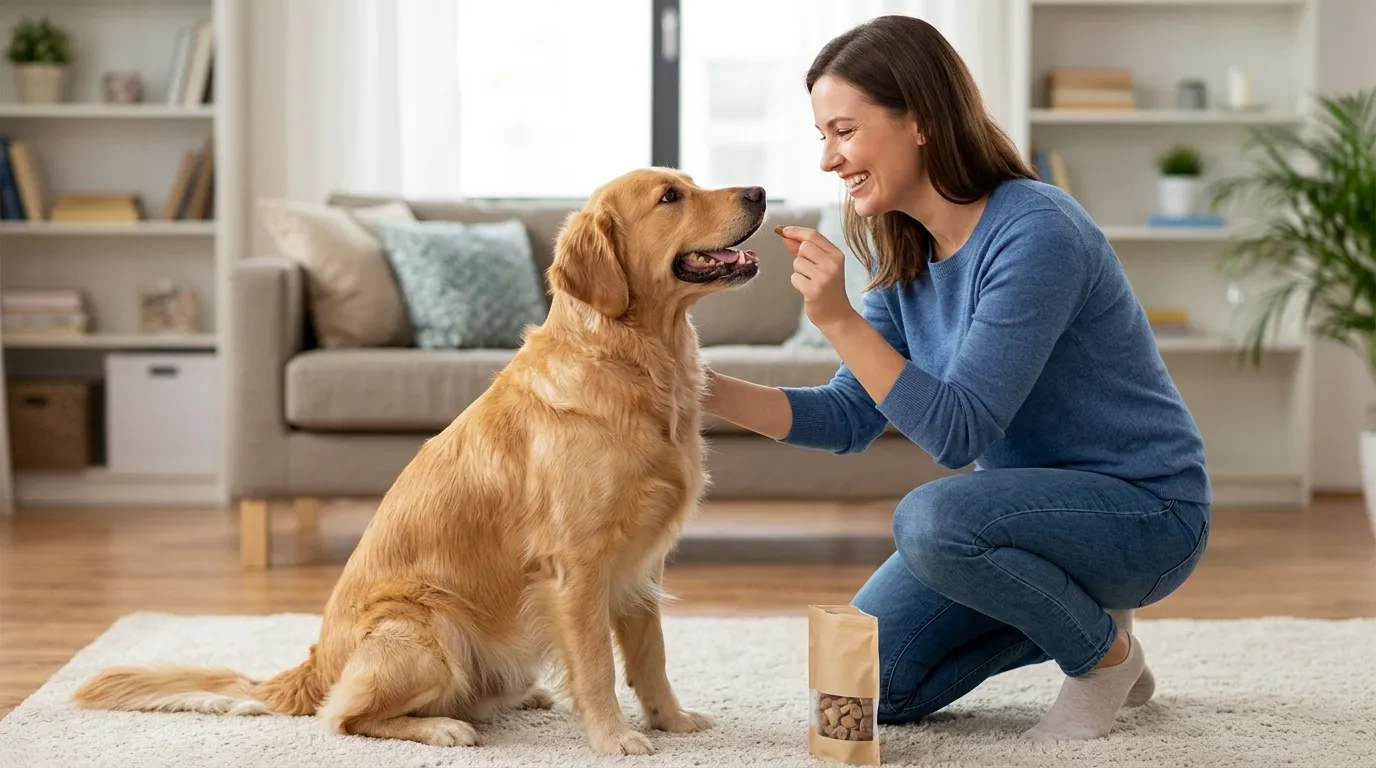
Positive Reinforcement Techniques for Dogs Made Easy
Do you remember the first time your puppy looked into your eyes? It was pure, unconditional love. Building a deep, lasting bond needs patience, kindness, and trust.
Many owners find that positive reinforcement techniques for dogs work best. This method focuses on celebrating good behavior. It makes your dog feel safe and happy to learn.

Training should be fun, not a fight. It’s a chance to grow closer and teach your pet to be confident. Embracing this gentle path turns training into a game you both love.
In this guide, we’ll look at the science and give you steps to help your pup succeed. Let’s start this journey to a happier home.
Understanding the Science of Reward-Based Training
Ever wondered why your dog loves treats? It’s because of reward-based training. This method is better than old ways that use punishment. It helps build trust and respect between you and your dog.
This science makes learning kind and very effective for dogs of all kinds.
How Reinforcement Learning in Dogs Works
Reinforcement learning in dogs is based on operant conditioning. It says that doing something good gets you more of it. When your dog does something right and gets a treat, they learn to do it again.
Being consistent is key. Quick feedback tells your dog what they did right. This makes them learn faster and feel more confident.
The Psychological Benefits of Positive Dog Training Techniques
Using positive dog training techniques has big mental benefits. Dogs learn better and feel less stressed. This makes your relationship with them better.
Here are some big advantages:
- Increased confidence: Dogs feel safe to try new things without fear.
- Stronger bond: These methods help you and your dog trust each other more.
- Improved focus: Positive training keeps dogs interested and eager to learn.
- Better retention: Dogs remember skills learned this way better over time.
By choosing positive training, you’re not just teaching tricks. You’re also making your dog happy and smart. A happy dog learns better.
Essential Tools for Positive Reinforcement Techniques for Dogs
Learning positive reinforcement techniques for dogs needs more than patience. You need the right tools to talk to your pet. Having the right stuff makes training faster and more fun for you and your dog.
Selecting the Best Treats for Training Dogs
Finding the best treats for training dogs is key. Look for treats like small pieces of boiled chicken or freeze-dried liver. These treats should be small so your dog doesn’t get too full.
Health is just as important as motivation. Choose treats that are low in calories and don’t have bad stuff in them. Healthy rewards keep your dog focused and well without harming their health.
Using Clicker Training for Dogs Effectively
Clicker training for dogs is great for teaching them exactly when they do something right. The clicker’s sound tells your dog they did something good. This helps them learn fast.
To make clicker training work, click and reward every time at first. This helps your dog connect the click with the reward. Later, the click keeps them interested and eager to learn more.
The Role of Praise and Rewards for Dogs
Words and actions are as important as treats for praise and rewards for dogs. Saying “Good boy!” or “Yes!” makes your dog happy. Adding a scratch behind the ears makes them feel good about what they did.
Every dog is different and likes different praise. Some dogs love loud praise, while others like it soft. Watch how your dog reacts to find what makes them feel best.
Step-by-Step Guide to Teaching Basic Commands
Teaching your dog to listen is key. Use reward-based training to make learning fun. This way, you and your dog will enjoy learning together.
Teaching the Sit Command
The sit command is a great first skill. It helps your dog calm down and focus on you.
Step 1: Luring the behavior
Hold a treat near your dog’s nose. Move your hand up and back, towards their tail. This makes them sit down.
Step 2: Adding the verbal cue
When your dog sits, say “sit” just before moving your hand. Consistency is key for them to learn.
Mastering the Stay Command
Teaching stay takes patience. It’s crucial for safety and teaches self-control.
Step 1: Establishing duration
Ask your dog to sit, then hold out your hand. Reward them for staying still for a few seconds.
Step 2: Increasing distance
Take steps back while your dog stays. If they move, start again with a shorter distance.
Perfecting the Recall Command
A good recall is vital for safety. It means your dog comes to you right away, no matter what.
Step 1: Building motivation
Use a happy tone and give a great reward when your dog comes to you. Make coming to you the best part of their day.
Step 2: Proofing in distracting environments
Practice recall in places like the backyard or a quiet park. Add distractions to make sure your dog learns in real-life situations.
Advanced Canine Behavior Modification Strategies
Understanding your dog’s mind is key to more than just basic commands. When your dog faces tough situations, you need a deeper approach. These canine behavior modification strategies help solve complex issues while keeping a strong bond.
Addressing Unwanted Behaviors with Redirection
Redirection stops bad habits early. Instead of focusing on the bad, you give a desirable option. This keeps your dog busy with good activities, not bad ones.
Here are ways to redirect your dog:
- Give a chew toy when they gnaw on furniture.
- Ask for a “sit” or “down” when they get too excited at the door.
- Use a favorite puzzle toy to distract them from barking at people.
- Play a quick game of tug to stop digging.
Implementing Positive Reinforcement Obedience Training for Socialization
Socialization is more than just meeting new people. It’s about building confidence. Positive reinforcement obedience training teaches your dog to stay calm in new places. This way, they learn to see new things as good, not scary.
Improve your dog’s social skills with these steps:
- Reward calm behavior during walks in busy areas.
- Use positive reinforcement techniques for dogs to help them focus around other pets.
- Keep training sessions short and fun to keep motivation high.
- Make the environment more challenging as your dog gets better.
Managing Fear and Anxiety Through Gradual Exposure
Some dogs have fears or anxieties. The best way to help is through systematic desensitization. This means taking small steps. It lets your dog face their fears safely, at their own pace.
Remember, patience is crucial. If your dog seems upset, slow down. Using positive reinforcement obedience training helps build their confidence to handle any situation.
Common Mistakes to Avoid During Training Sessions
Learning dog training methods is more than patience and practice. Even experienced owners can make mistakes that slow progress. Spotting these errors early keeps your pet motivated and eager to learn.
Avoiding Inconsistent Reward Timing
Timing is crucial when teaching your dog. If rewards come too late, your dog might think it’s for the wrong action. Precision is key for clear communication.
Try to reward your dog the exact moment they do what you want. This consistency helps them understand what they did right. When timing is sharp, learning becomes faster and more fun for both of you.
Preventing Over-Reliance on Food Treats
Treats for training dogs are great motivators, but they shouldn’t be the only reward. Relying only on food can make your dog only listen for treats. You want them to listen because they enjoy the interaction, not just for food.
Begin using an intermittent reinforcement schedule once your dog learns a command. Reward them with treats only sometimes. Use praise or play for other successful attempts. This keeps your dog engaged and guessing.
Recognizing Signs of Canine Fatigue and Frustration
Training should always be positive, but it’s easy to push too hard. If your dog yawns, licks their lips, or looks away, they’re feeling overwhelmed. Recognizing these subtle cues is key to avoiding burnout.
If your dog seems distracted or ignores commands they usually know, it’s time for a break. Never force a session when your pet is tired or stressed. Ending on a high note keeps your dog excited for the next session.
Conclusion
Learning how to talk to dogs needs kindness and clear words. Every time you spend with your pet, you build a stronger bond.
Look at how your dog improves each day. Even small steps can make a big difference. Keep training short to keep everyone excited.
Being consistent is key. Clear rules and rewards make your dog feel safe and ready to learn. Treats from Zuke’s or Blue Buffalo help keep them motivated.
Patience is important. Your dog looks to you for help. Stay calm when things get tough. Learning together brings joy and respect for life.
Begin your next training with a positive attitude. You can make your dog happy and well-behaved. Enjoy this journey as you get closer to your best friend.


