
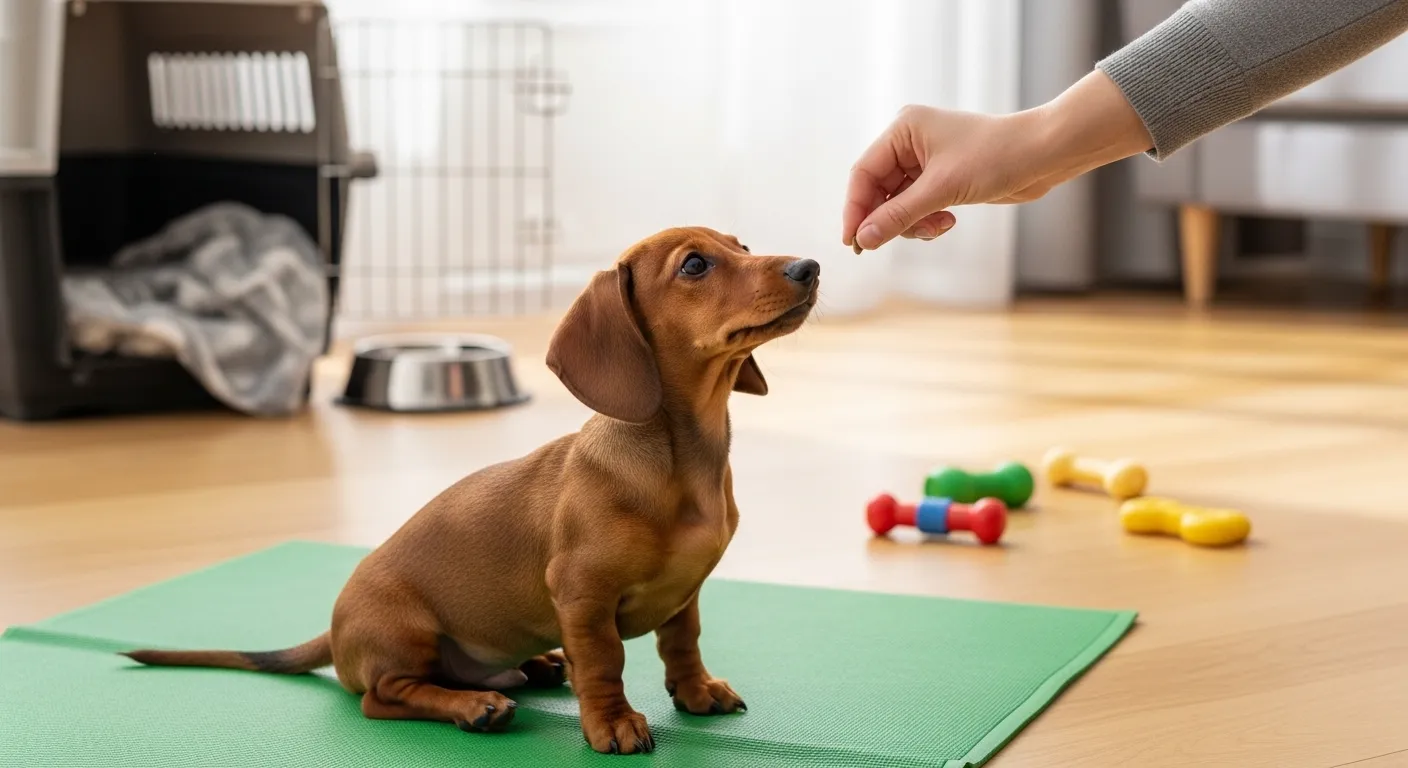
5 Dachshund Puppy Training Tips to Raise a Well-Behaved Pup
Getting a new pet is a truly life-changing experience. You might feel a mix of joy and nerves. Starting a strong bond with your new pet begins the moment they arrive.














Early, consistent training is key for a well-adjusted dachshund. Setting clear rules now makes your puppy feel safe. We’ll share the main training tips to help you succeed. Let’s start this journey to a happy life with your loyal friend.
Understanding the Unique Dachshund Personality
If you’ve lived with a Dachshund, you know they’re special. They were bred to track badgers, needing to make their own decisions underground. This history helps with dachshund obedience training today.
The Stubborn Streak and Why It Matters
Many think Dachshunds are not smart because they’re independent. But they’re actually very smart. They just think about commands before acting.
Understanding their stubbornness is key in dachshund obedience training. Here are some traits to know:
- High determination: They don’t give up on goals.
- Independent thinking: They like to solve problems alone.
- Strong prey drive: They watch for movement and smells.
- Loyal affection: They bond deeply with their owners.
Building a Foundation of Trust and Respect
Using force doesn’t work well with Dachshunds. They’re sensitive and spirited. Instead, build a partnership based on mutual respect.
Consistency is key in dachshund obedience training. Reward good behavior and stay calm. This makes them want to follow you.
Essential 5 Dachshund Puppy Training Tips for Success
Getting your puppy to listen starts with good training sessions. Follow these 5 dachshund puppy training tips for a well-behaved dog. These tips help your puppy know what you want every day.
Consistency as the Cornerstone of Obedience
Consistency is key for good training. Using the same commands and rules helps your puppy learn fast. If rules change, your puppy gets confused and upset.
Make a routine for your dog to feel safe. Keep training short and often to keep their attention. When everyone agrees on rules, your puppy learns quickly.
The Importance of Positive Reinforcement Techniques
Dachshunds are smart but need kindness. Harsh words can make them scared or stubborn. Use dachshund obedience training that focuses on rewards like treats and praise.
Give treats or praise right after good behavior. This builds trust and makes learning fun. Celebrating small victories makes training a positive experience.
Mastering Potty Training with Patience
Many owners find dachshund potty training needs a lot of patience. These dogs are smart but can be independent. Staying calm and consistent helps them learn faster.

Establishing a Strict Routine for Success
Creating a daily schedule is key when training a dachshund puppy. Puppies love routine and need to go out often. Take them out after waking, eating, or playing.
Watch your dog closely for signs they need to go. If they sniff or circle, quickly take them outside. Consistency is truly the key to good habits.
Managing Accidents Without Punishment
Accidents happen when dogs are learning. It’s important to stay calm and not punish them. Punishment can make them anxious and slow down learning.
If you catch your puppy in the act, gently interrupt them. Move them outside to finish. Praise and treat them when they go in the right spot. This encourages good behavior.
Why Positive Association Beats Negative Correction
Positive reinforcement strengthens your bond with your pet. Rewarding them for good behavior makes them confident. This makes training more enjoyable for both of you.
Negative correction can make your puppy fear you. Keeping things supportive helps them feel safe while learning. With patience, your puppy will learn to go where they should.
Socialization Strategies for a Confident Dog
Socialization is key to raising a happy Dachshund. It’s not just about teaching commands. It’s about building their world view. A well-socialized dog is less likely to be anxious or aggressive.
Exposing your pet to many experiences makes them resilient and curious. This needs patience and a gentle touch. You want your puppy to feel safe every step of the way.


Introducing New Environments Safely
Begin by letting your puppy try different surfaces like grass and hardwood floors. These textures help them feel confident and coordinated. Keep these sessions short and fun to keep your puppy interested and calm.
Also, introduce various sounds like the vacuum or doorbell softly. If your puppy gets nervous, give them a safe space to hide. Being consistent is important when teaching your dachshund to trust.
Interacting with Other Pets and People
Meeting new people is a big step for a young dog. Have friends and family give treats or gentle praise when they meet your puppy. This makes them see strangers as friendly companions.
When introducing your puppy to other pets, safety first. Keep the first meetings short and watch their body language. Using the right dachshund training techniques helps them learn to interact politely.
Crate Training and Separation Anxiety
A well-managed crate routine can greatly reduce stress for you and your pet. Many see the crate as just a place to keep their dog. But, it’s actually a valuable sanctuary for them. It helps with dachshund potty training by giving a predictable space.
Creating a Safe Haven for Your Dachshund
To make the crate a cozy den, add soft blankets and safe chew toys. Never use the crate as punishment. This will ruin the sense of safety you’re trying to create.
Being consistent is key when teaching your puppy to settle down. Place the crate in a quiet corner. This lets your dog feel part of the family but also have a private space.
Gradual Desensitization to Being Alone
Stopping separation anxiety takes time and patience. Start by closing the crate door for a few seconds while you’re nearby. Then, slowly increase the time as your puppy gets used to it. This gradual process helps your dog trust that you’ll always come back.
Practice leaving the room for short times to help your puppy get used to being alone. If they stay calm, give them a treat or praise. These small steps help build your Dachshund’s independence for life.
Addressing Common Behavioral Challenges
Training a Dachshund is more than basic commands. It’s about tackling breed-specific traits. These dogs are loyal but may need your help with certain habits. Early dachshund behavior training leads to a peaceful home for you and your pet.
Managing Excessive Barking Habits
Dachshunds bark a lot, alerting you to everything. Find out what makes them bark. Consistency is key when using dachshund training techniques to quiet them.
- Acknowledge the alert, then redirect their attention to a toy.
- Reward silence with treats to reinforce calm behavior.
- Avoid shouting, as this often encourages the dog to bark more.
- Provide plenty of mental stimulation to reduce boredom-based vocalization.
Preventing Jumping and Protecting the Spine
Protecting your Dachshund’s spine is crucial. Jumping strains their long backs. Make a “no-jump” zone to keep them safe.
Use pet ramps or stairs for them to reach high spots. If they try to jump, gently guide them to the ramp. Consistent reinforcement will make the ramp their go-to.
Safe Handling Techniques for Dachshunds
When picking up your dog, support their body right. Place one hand under their chest and the other under their hindquarters. Never lift by their front legs or let them dangle, as it can hurt them.
Safe handling keeps your dog from getting hurt. Mix these methods with dachshund behavior training for a happy, healthy dog.
Conclusion
Raising a well-behaved puppy takes a lot of time and effort. Your hard work in dachshund behavior training will shape your pet’s personality for years. It’s a big responsibility.
Every little win in your daily training sessions makes your bond stronger. You learn more about what your dog needs by paying close attention to them.
Training your dachshund consistently makes your home a safe and stable place for them. This lets your puppy feel secure and confident. They can handle new things and challenges better.
You have all the tools to help your puppy grow and learn. Enjoy watching your loyal friend become a happy and obedient family member. Share your experiences with other dog owners to keep learning and growing together.


