
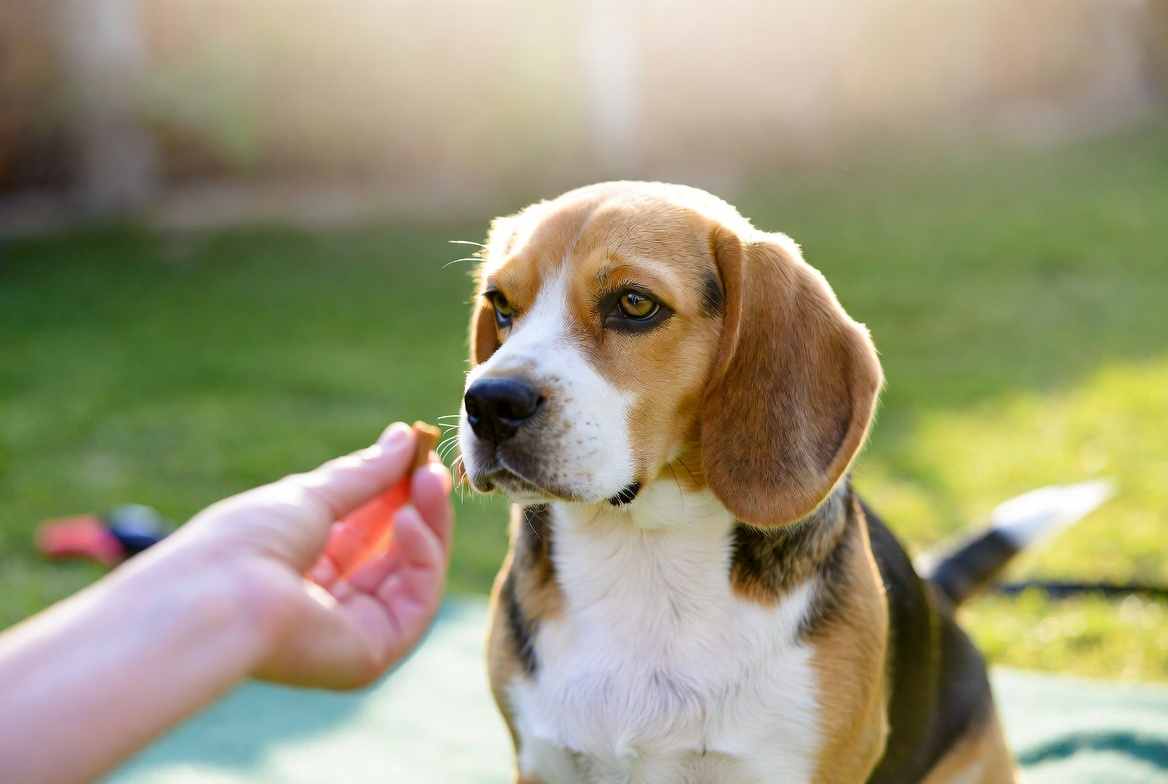
How to Train a Stubborn Beagle Simple Steps for Success
Do you ever look at your furry friend and wonder why they ignore your commands? Living with a beagle is a journey filled with laughter and frustration. They have a strong sense of smell that often beats your commands.
Understanding their independence is key to a strong bond. When you learn how to train a stubborn beagle, you work with them, not against. This change makes every session a chance to connect, not fight.

Patience and consistency are crucial. Set realistic goals to make your pet feel safe and motivated. Use a gentle touch and a positive attitude for effective training for stubborn beagles. With time, these challenges will become rewarding experiences that deepen your bond.
Understanding the Beagle Mindset
To train a stubborn Beagle, you must first understand their instincts. They were bred to hunt, not to sit quietly. Knowing this helps you connect better with your dog.
Why Beagles Are Naturally Independent
Beagles are independent because their ancestors hunted far from humans. They made decisions quickly, without waiting for commands. This trait still exists in today’s pets, making them seem stubborn at times.
They are pack animals, valuing social connections but also solving problems on their own. Good training for Beagles means making choices rewarding for them, not forcing them.
The Role of Scent in Beagle Behavior
A Beagle’s nose is their main way of experiencing the world. When they smell something interesting, they ignore everything else, including you. It’s not defiance; it’s just their biology.
When your dog ignores you to sniff a bush, it’s not because they’re being stubborn. They’re just following their instincts, as they’ve always done.
Recognizing Stubbornness Versus Lack of Motivation
It’s easy to think a dog is stubborn when they don’t listen. But sometimes, they’re just not interested. If your dog isn’t responding, they might be bored or distracted.
To train a stubborn Beagle, you need to know the difference between stubbornness and lack of interest. Offering high-value rewards can make your dog more willing to listen. Learning these techniques can turn frustration into a positive partnership.
Essential Preparation for How to Train a Stubborn Beagle
Training your dog starts before you begin. Knowing how to train a stubborn beagle is key. The right setup helps your dog focus on you, not distractions.

Gathering High-Value Rewards
Beagles love food, but get distracted by smells. Use high-value rewards like boiled chicken or soft cheese. These treats keep their attention.
Save these treats for training only. This makes your dog eager to listen. It’s a key part of beagle behavior modification.
Creating a Distraction-Free Training Environment
Your beagle’s nose is a great tool, but also a distraction. Start in a quiet, indoor spot. A hallway or a cleared room is perfect.
Stay away from areas with other pets or strong smells. This controlled setting helps you bond without distractions.
Establishing a Consistent Daily Routine
Consistency is key for success. Beagles like knowing what to expect. Schedule training at the same time each day.
A routine reduces anxiety and aids beagle behavior modification. When your dog knows training is part of their day, they’ll be ready. Remember, patience is crucial when training a stubborn beagle. Keep sessions short and positive.
Mastering Positive Reinforcement Techniques
You can unlock your beagle’s potential with positive reinforcement. This breed loves food and values independence. Traditional correction methods often fail. Instead, positive reinforcement for beagles makes them want to listen to you.
Effective beagle training tips reward the behaviors you want. High-value treats or praise build trust. This keeps your dog engaged in every session.
The Power of Clicker Training
Clicker training is a clear way to communicate. The clicker marks the exact moment of correct action. It’s a consistent sound that gets through distractions.
- It creates a distinct “marker” for good behavior.
- It helps your dog understand exactly what earned the reward.
- It speeds up the learning process for new commands.
- It keeps training sessions short and fun for your pet.
Timing Your Rewards for Maximum Impact
Precision is key in training techniques for beagles. Reward within one or two seconds of the desired behavior. Waiting too long can confuse your beagle.
Always pair the clicker sound with an immediate reward. This sharpens your dog’s learning. They’ll become eager to please.
Avoiding Punishment and Negative Reinforcement
Stay away from harsh corrections or punishment. Beagles are sensitive, and negative methods harm your bond. Fear or intimidation can make them anxious or shut down.
Instead, redirect unwanted behaviors to positive alternatives. Keep a patient and encouraging attitude. This builds your beagle’s confidence. Success comes from mutual respect, not control.
Step-by-Step Basic Obedience Training
Teaching basic obedience is key for your dog’s safety and happiness. With these beagle training tips, you can strengthen your bond. Plus, your pet will learn important rules for a happy life.

Teaching the Sit and Stay Commands
The “sit” command is a great place to start. Hold a treat near your dog’s nose. Slowly move your hand up, letting their head follow the treat.
This makes their bottom lower. When they sit, give them the treat right away. Positive reinforcement for beagles makes them link the action to a tasty reward. Consistency is the secret ingredient to success.
Mastering the Recall Command for Scent-Driven Dogs
Recall is crucial for a breed that loves to follow its nose. Start in a quiet, indoor space with few distractions. This helps your dog focus on you.
Call your dog’s name with a high-pitched, enthusiastic tone. Then say “come.” When they come, give them a high-value reward and lots of praise. This makes coming back to you the best part of their day.
Implementing the Leave It Command
Beagles love to investigate everything on the ground. Teaching “leave it” stops them from picking up harmful items on walks.
Put a low-value treat on the floor and cover it with your hand. Wait for your dog to stop trying to get it. Then, give them a better treat from your other hand.
This teaches them to ignore the item for a better reward. Always practice these beagle training tips in short, fun sessions. This keeps your dog engaged and eager to learn.
Managing Beagle-Specific Behavioral Challenges
If your Beagle is loud or destructive, you’re not alone. These dogs are naturally loud and active. This can cause problems in a quiet home. Obedience training for beagles helps channel their energy into better behaviors.
Curbing Excessive Barking and Howling
Beagles bark to show excitement or frustration. If your dog barks a lot, check if it’s boredom or separation anxiety. Providing enough mental stimulation can help.
Ignore barks for attention and reward quiet with treats or praise. For anxiety, try calming pheromone diffusers or a radio for comfort. Being consistent helps your dog learn that quiet is better.
Addressing Destructive Chewing and Digging
Destructive behavior means your dog has too much energy or is bored. Redirect their natural urges to safe toys. Make sure they have durable chew toys for their strong jaws.
If your dog digs, stop them calmly and give them a sandpit or fetch. Physical exercise keeps them from chewing on furniture or digging in the garden.
Preventing Resource Guarding
Resource guarding happens when a dog protects their food, toys, or space. Teach your dog that people are good, not threats. Use the “trade-up” method with high-value treats.
Never take something from your dog by force. This makes them more anxious and defensive. Gentle beagle behavior modification builds trust and security. This makes your home a happier place.
Leash Training and Walking Etiquette
Teaching your dog to walk nicely is key for any owner. Beagles love to explore and can turn a walk into a tug-of-war game. Setting clear rules early helps make walks a special time for you and your dog.

Choosing the Right Harness for Beagle Comfort
Collars can hurt your dog’s neck when they pull. A front-clip harness is better for beagles. It helps keep them close to you, which is great for training.
Make sure the harness fits right. It should be snug but not too tight. A good fit helps you control your dog better and keeps them comfy.
Managing the Nose-to-the-Ground Walking Style
Beagles love to sniff the ground. You can’t stop them, but you can reward them for walking with you. Give them “sniff breaks” as a treat for good behavior.
If they get too caught up in a smell, use a gentle cue to get their attention. Change direction suddenly to keep them interested in you. Consistency is your best friend in training.
Handling Distractions During Outdoor Walks
Public places have squirrels, other dogs, and people that can distract your Beagle. Carry treats to reward them for staying by your side. Positive reinforcement helps them learn to ignore distractions.
In stressful places, keep your distance and let your dog watch from afar. Gradually get closer to help them feel more confident. With time, walks will be more fun for both of you.
Socialization Strategies for a Well-Adjusted Beagle
A well-socialized Beagle is less likely to be stubborn or anxious. When they feel safe, they listen better. This is key when dealing with stubborn beagles.
Exposing Your Beagle to New Environments
Beagles love new things. Introduce them to different places, sounds, and settings early. Consistency is key to keep these experiences positive.
- Visit quiet parks to let them sniff new grass and trees.
- Expose them to urban sounds like traffic or distant sirens in short bursts.
- Rotate your walking routes to keep their mind engaged and alert.
- Introduce them to different household items like vacuums or umbrellas slowly.
Interacting Safely with Other Dogs and Pets
Beagles are pack animals but need to learn manners. Help them learn by having calm meetings with other dogs. Always keep these meetings short and reward calm behavior.
If you have other pets, supervision is mandatory at first. Use treats to teach your Beagle to ignore distractions. This builds respect at home.
Building Confidence in Public Spaces
Take your dog to pet-friendly places to boost their confidence. These outings help with focus commands. Keep training short and use treats to keep their attention.
Gradually make these places more complex. This teaches your Beagle that you are their safe and fun place. Patience will pay off as they learn to navigate the world.
Advanced Training Strategies for Long-Term Success
Once your dog knows the basics, you can make training more interesting. Use new beagle training strategies to keep their mind sharp. These advanced methods turn frustration into a rewarding partnership.
Mental Stimulation Through Scent Games
Beagles love to track, making scent games a great way to enrich their lives. Hide treats around the house or yard to get them to sniff. This engaging activity uses their natural tracking skills in a fun way.
Utilizing Puzzle Toys to Burn Energy
Puzzle toys are great for burning off energy when exercise isn’t enough. They challenge your dog to solve problems, preventing boredom. Consistent use of these toys keeps your pet calm and focused all day.
Maintaining Consistency as Your Beagle Ages
Consistency is key, even with stubborn beagles. As your dog gets older, keep up positive behaviors and gentle challenges. Staying patient and committed to your routine keeps your dog happy and healthy.
By using these advanced beagle training strategies, you give your dog the structure they need. Every small win strengthens your bond. Keep training sessions short, fun, and always end on a high note.
Conclusion
Changing your stubborn pet into a well-behaved family member takes time and effort. You now have the tools to understand your dog’s unique personality confidently.
Good beagle training needs patience in every session. Your dedication builds a strong bond with your pet.
Look at the small victories each day, not perfection right away. These small wins help build a lifelong bond of respect and happiness.
Make your routine fun by adding new challenges. This keeps your dog’s mind sharp and happy for life.
Enjoy learning together. Your hard work today will make your relationship strong for years to come.


