
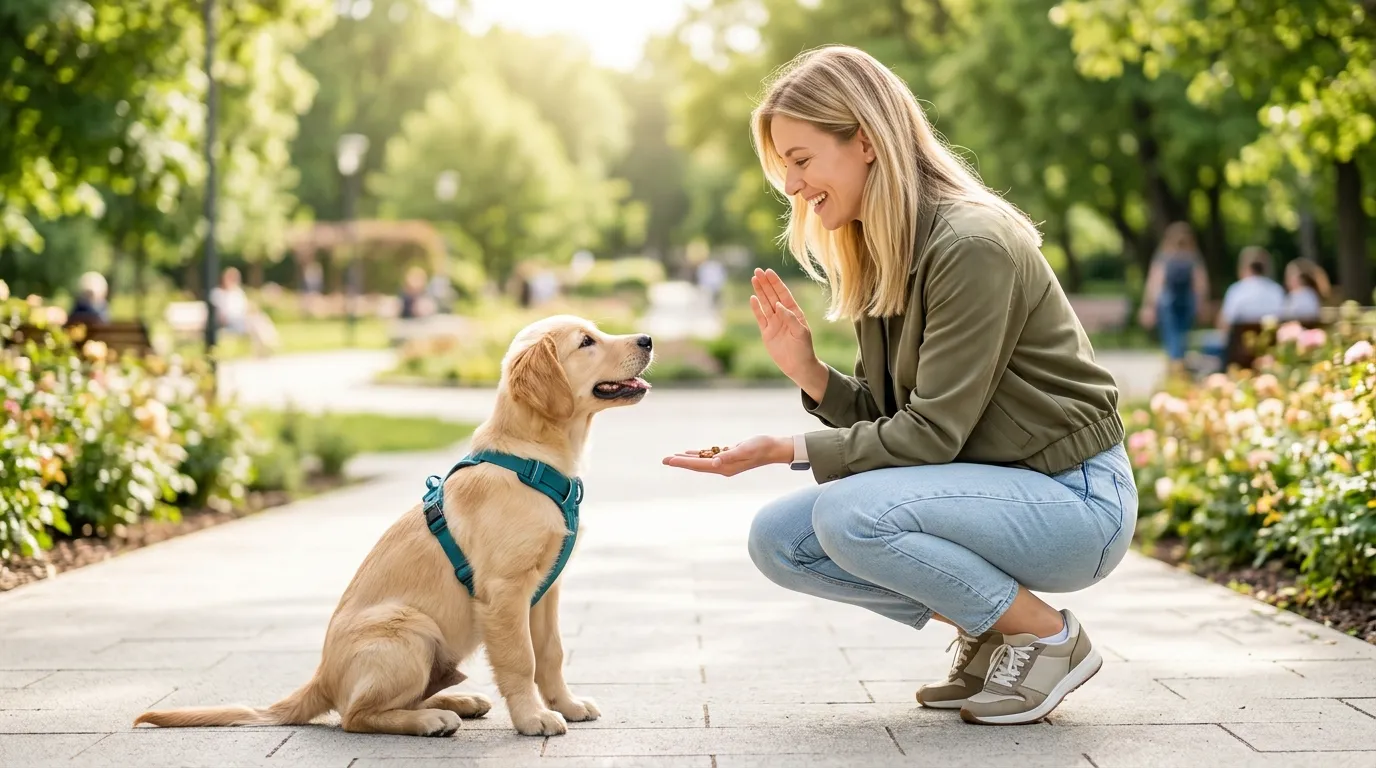
The puppy obedience hack guide: Train your pup with ease
Bringing home a new furry friend is exciting. You dream of a life filled with joy and respect.
Positive reinforcement builds a strong bond. This training guide for puppies helps you communicate clearly from the start.

Small daily habits can make a big difference. Our methods make learning fun for both of you.
Follow this puppy obedience hack guide to train your dog’s potential. Success comes with patience and love.
Understanding the Puppy Mindset
Puppies see the world in a special way. They are full of curiosity and grow fast. To connect with them, know their actions come from growth, not being naughty. Learning about their brains helps you use puppy training techniques that fit their natural growth.
Developmental Stages and Attention Spans
Puppies can only focus for a few minutes. Trying to make them focus for longer is hard for both of you. Make your time together short and fun to keep them interested.
Here are some essential dog behavior tips for learning new things:
- Keep training sessions under five minutes to match their mental capacity.
- Use high-energy rewards to keep their focus sharp.
- End every session on a positive note, even if the progress is small.
- Recognize signs of fatigue, such as wandering eyes or excessive yawning.
The Importance of Early Socialization
The first few months are key for your puppy’s emotional health. They soak up everything they see, hear, and smell. Good experiences help them avoid future fears and aggression, making them more confident.
Socialization is more than just meeting other dogs. It’s about safely exploring the world. Introduce your puppy to different places, surfaces, and people slowly. Positive, consistent exposure is a key dog behavior tip. By focusing on these early experiences, you use puppy training techniques to help your puppy succeed for life.
The puppy obedience hack guide: Train your pup with ease
Learning to train your puppy is simpler than you think. By using the puppy obedience hack guide, you can make a learning-friendly space. This way, you can train your puppy easily by sticking to a routine.
Setting Realistic Expectations for Your New Companion
Your puppy is still figuring out the world. Celebrate small wins to stay motivated. Adjusting your goals to fit your puppy’s growth helps avoid getting frustrated.
Here are key milestones to keep your training on track:
- Focus on one command at a time to avoid confusion.
- Keep your tone calm and encouraging during every interaction.
- Acknowledge that accidents and mistakes are part of the process.
- Prioritize building a strong, trusting bond over immediate obedience.
The Power of Short, Frequent Training Sessions
One of the most effective puppy training strategies is short lessons. Puppies can’t focus for long and get tired easily. Breaking tasks into smaller parts keeps them interested and willing to learn.
Why Five Minutes is Better Than an Hour
Training in five-minute chunks is more effective than long sessions. Short sessions prevent boredom and overwhelm. Consistency is the secret ingredient for lasting success.
Short sessions keep both you and your dog excited. This approach makes every training session positive, leaving your puppy eager for more.
Essential Tools for Effective Training
Learning the best obedience training methods begins with the right tools. Having the right gear makes training fun for you and your pet. It makes your puppy feel ready to learn.
Choosing the Right High-Value Treats
High-value treats are key in training. Look for small, soft, and tasty rewards. These treats keep your puppy focused without making them stop to eat.
To keep your puppy healthy, remember these tips:
- Use tiny, pea-sized pieces to prevent overfeeding.
- Account for treat calories in your dog’s daily meal plan.
- Rotate different flavors to keep your puppy excited and engaged.
- Choose natural, single-ingredient options whenever possible.
Selecting Appropriate Leashes and Harnesses
Safety and comfort are key for outdoor obedience training for dogs. A good harness keeps your puppy’s neck safe and lets you control them better. Make sure the gear is light and fits your growing puppy.
Don’t use retractable leashes at first. A standard four-to-six-foot leash gives consistent feedback. It helps your puppy learn to walk beside you.
Utilizing Clicker Training for Precision
Clicker training is great for marking good behavior. The clicker’s sound tells your puppy what they did right. It’s clear and helps your puppy learn fast.
Clicker training builds a strong bond. It’s one of the best obedience training methods. With practice, your puppy will love the clicker.
Mastering Basic Commands Through Positive Reinforcement
Building a strong bond with your new pet starts with mastering basic commands. Use positive reinforcement to reward good behavior. This makes training fun for both of you.
Teaching the Sit Command
The sit command is often the first skill a dog learns. Hold a high-value treat near your puppy’s nose to capture their attention.
Slowly move your hand upward and back over their head. As their nose follows the treat, their bottom will naturally lower to the floor.
Once they are in a sitting position, say “sit,” give them the treat, and praise them. Keep training sessions short and upbeat.
Mastering the Stay Command
Once your dog understands how to sit, you can introduce the stay command. Ask your puppy to sit, then hold your palm out toward them like a stop sign.
Take one small step backward while saying “stay” in a calm, firm voice. If they remain still for even a few seconds, return to them and provide a reward.
Gradually increase the distance and the duration of the stay as your puppy improves. This is one of the best obedience training methods to build impulse control in young dogs.
Perfecting the Recall or Come Command
A reliable recall is essential for your dog’s safety and freedom. Start in a quiet, distraction-free area like your living room or a fenced yard.
Get down to their level, open your arms, and call their name followed by “come” in an excited, happy tone. When they arrive, reward them with a treat and lots of affection.
Never call your puppy to you for something they dislike, such as a bath or nail trim. You want them to associate the command with positive experiences every single time.
Safety Tips for Off-Leash Training
Off-leash training requires patience and a solid foundation of trust. Always ensure you are in a secure, enclosed environment before letting your puppy roam free.
- Always carry high-value treats to reinforce their return.
- Keep your training sessions short to maintain their focus.
- Practice in various locations to generalize the command.
- Never chase your puppy, as they may think it is a game.
By following these best obedience training methods, you will help your dog become a well-mannered companion. Consistent practice is the secret to success when you want to train your puppy easily and effectively.
Addressing Common Behavioral Challenges
Starting with a new puppy needs patience and smart strategies. You’ll face some tough moments. But, using dog behavior tips can make these hard times into learning chances for you and your puppy.
Managing Nipping and Biting
Puppies learn by mouthing things. This is how they explore. Redirecting this energy is key to stopping the bad behavior.
When your puppy nips, give them a tough chew toy or rope. This teaches them what’s okay to bite. It’s a simple trick to keep your stuff safe.
Crate Training Hacks for Nighttime Success
A crate should be cozy, not scary. Put it in a quiet spot where your puppy feels safe. Add a soft blanket and safe toys to make it inviting.
Have a bedtime routine to help your puppy know when to sleep. If they whine, make sure they’re tired and had a last bathroom break. Consistency is key for a good night’s sleep.
Preventing Excessive Barking
Barking is normal, but too much is a problem. Find out why they bark, like boredom or hunger. Then, fix the problem.
If your puppy barks for attention, stay calm and ignore them until they’re quiet. Praise or treat them only when they stop barking. These dog behavior tips teach them to bark only when needed, making your home quieter.
Consistency and Routine Building
Consistency is key for your dog’s early lessons. A predictable routine makes your puppy feel secure. It helps them know what to expect. This is the heart of effective puppy training strategies that last.
Establishing a Daily Training Schedule
You don’t need to spend hours training each day. Short, five-minute sessions in your morning and evening routines work well. Link these to daily activities like meals or walks. This creates a natural rhythm your puppy will quickly get.
Use a log or phone app to track your training. It keeps you on track and shows if you’re meeting your goals. A regular schedule avoids confusion and helps your puppy adjust to their new home.
Involving Every Family Member in the Process
Training is a team effort. Everyone in the house must agree on the rules. If rules vary, your puppy gets confused. Uniformity is essential for clear communication.
Have a family meeting to agree on commands and signals. When everyone follows the same rules, your puppy learns faster. This teamwork is crucial for obedience training for dogs and a peaceful home.
Generalizing Commands in Different Environments
Puppies may not understand that commands are the same everywhere. Practice in different places like parks or quiet hallways. This teaches them obedience is required everywhere, not just in your training area.
Begin in quiet places and then move to busier areas. As your puppy gets more confident, you can make the settings harder. Mastering these effective puppy training strategies means your pet will behave well anywhere. Training in various places is the secret to successful obedience training for dogs.
Conclusion
Your journey to a well-behaved dog starts with small steps every day. This guide helps turn your energetic dog into a calm family member.
Consistency is key to your success. Using these training hacks, you teach your dog what you expect. This builds trust between you and your pet.
Patience is your best tool during this time. Every puppy learns at their own pace. Celebrate small wins to show your dedication.
You now know how to handle common challenges with confidence. Keep practicing these techniques. Watch your puppy grow into a loyal and happy adult dog.


